



Microsoft, the parent company of Xbox Game Studios, is recommending that game developers question if female characters are wearing proper clothes and if their games are “reinforcing any negative gender stereotypes.”
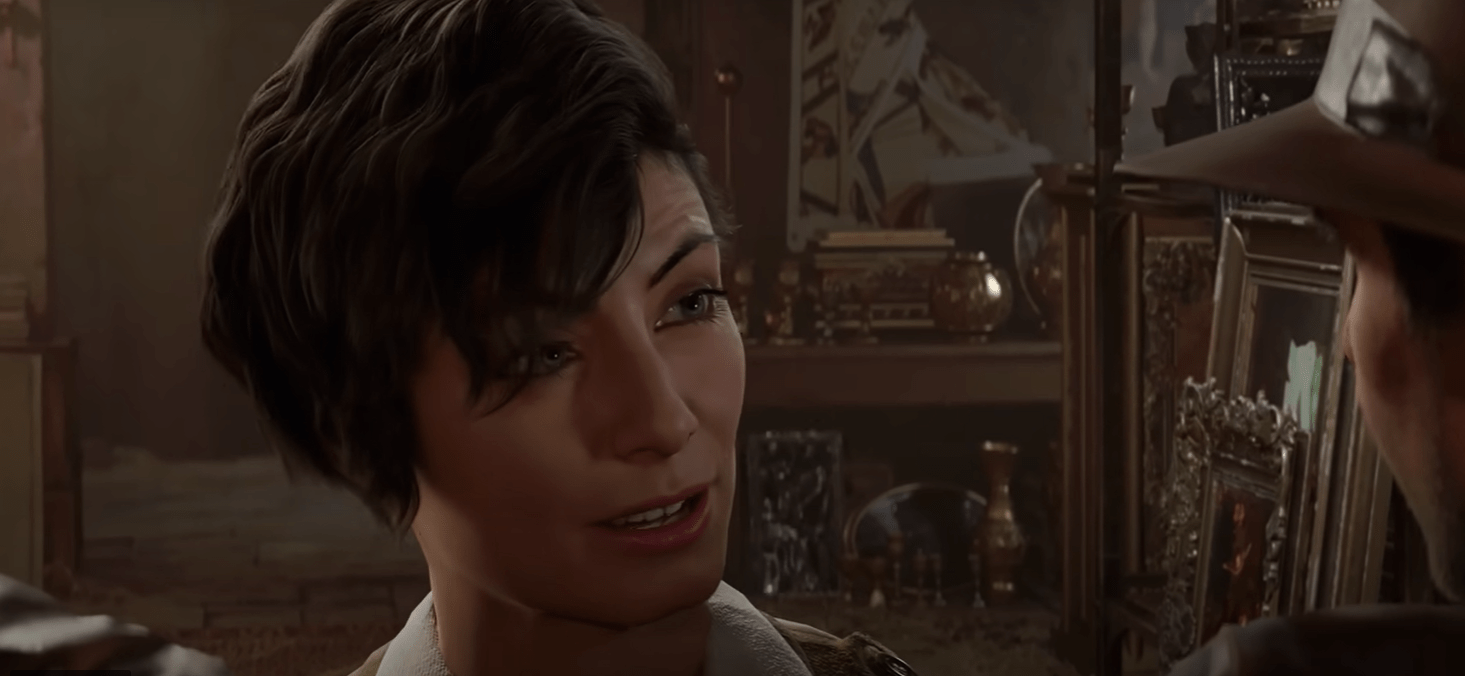
A screenshot from Indiana Jones and the Great Circle (2024), Machine Games
Microsoft’s recommendations come as part of its Gaming For Everyone’s Product Inclusion Framework, which was invented in 2019 and is now public for game developers to use to develop their games.
As part of this framework, it includes 10 Product Inclusion Actions. One of those actions is titled “Help Customers Feel Seen.” Underneath this action, Microsoft lists a number of questions game developers should consider when developing their games.
A set of questions states:
- Are you reinforcing any negative gender stereotypes?
- Are you unnecessarily introducing gender & gender barriers into your code or design?
- Are you creating playable female characters that are equal in skill and ability to their male peers. Are your female characters equipped with clothing and armor that fits their tasks? Do they have exaggerated body proportions?
- When the story allows, do you show male characters who display a full range of emotions, including joy, sadness, and vulnerability?

A screenshot of Microsoft’s Product Inclusion Action: Help Customers Feel Seen
Microsoft’s Head of Gaming for Everyone & Sustainability Katy Jo Wright informed Games Industry that the framework is not compulsory telling the outlet, “The framework is not a checklist. It’s not a mandate. Even internally, it’s not that at all. It’s just… a way for you to get your game into the hands of more players in a meaningful way.”
However, the Help Customers Feel Seen Product Inclusion Action page does provide a checklist to achieve the goals developers come up with. The third step specifically states:
3. Create & surface content that depicts diverse characters, stories and creators
- Create playable characters that reflect the broader population. Review how identities represented on screen (gender identities, races, sexual orientations, ability status, ages, and body sizes) match up to the broader population. Make sure that characters are not tokenized or stereotyped based on their identities.
- Review how identities represented in your product such as gender, race, sexuality, nationality, cultural, ability, age, and size compare to the broader global player population. Be intentional about which identities are present and highlighted according to what’s right for your product and market.
- Make sure that characters are not tokenized or stereotyped based on their identities. No person or character can be a monolith to represent all people with that identity.
- Practice inclusive casting for any talent required to bring representation to life in your product.
- Validate your execution for your Inclusive Listening Systems (consultants/advisory councils, user research).

A screenshot of Microsoft’s Product Inclusion Action: Help Customers Feel Seen
READ: ‘Age Of Mythology: Retold’ Will Be A Remake, Turned Gaia Into A Walking Plant
While Wright claims it’s not mandatory it certainly comes across as, ‘You should be doing this.'”
It also appears that PlayGround Games, an Xbox Game Studios-owned company, has fully embraced this portion of the framework for the upcoming Fable game.
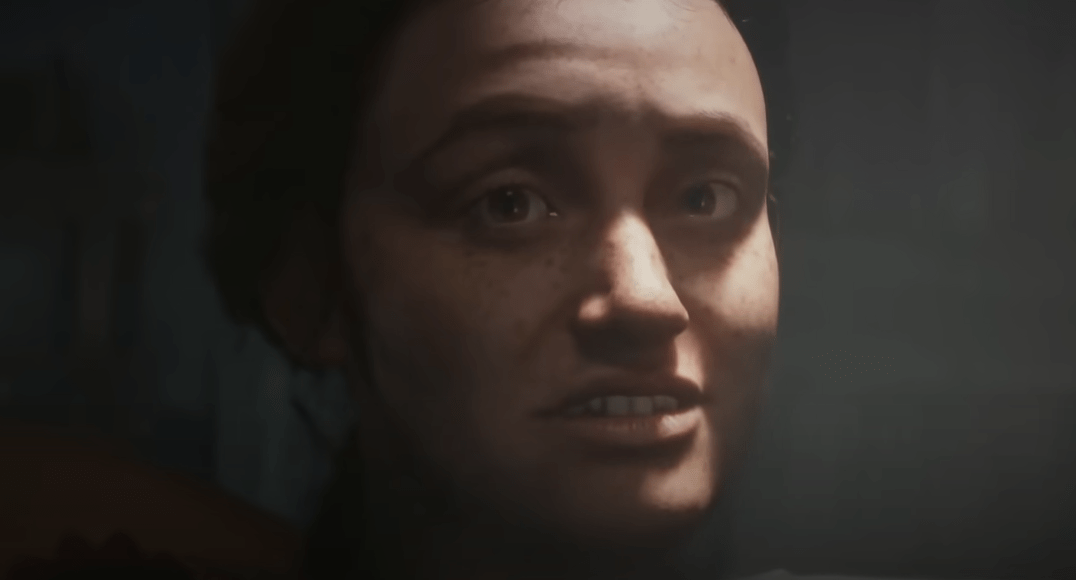
A screenshot from Fable (TBA), Playground Games
What do you make of Microsoft’s recommendation?
