



All too often we’ve heard that the Disney Experiences division (a part of the company overseeing Disney’s theme parks, cruise line, and resorts) is the only thing keeping the House of Mouse afloat. But according to a recent article published in Forbes, that may no longer be the case. A lack of investor confidence in post-COVID Disney seems to be impacting the company’s bottom line and things are sinking fast.

Cinderella’s Castle in Walt Disney World via 4K WDW YouTube
The article, titled “How Disney’s Theme Parks Cast a Dark Spell on its Fortunes” was written by senior contributor Caroline Reid and published to Forbes on September 14. In the piece, Reid details how after Disney announced a $60 billion investment in its parks and experiences around the world, the company’s stock price dropped to record lows.
This investment announcement from company CEO Bob Iger and Disney Experiences head Josh D’Amaro came roughly one year ago on September 19, 2023.
At the time, D’Amaro said: “We have an ambitious growth story that is supported by a proven track record and a bold vision for the future of our parks business.” While one might think such a bold financial investment into what was the most profitable division of the company would delight investors, it most certainly did not.
Disney’s stock crashed by 2.35% that very day, before tanking yet again 15 days later. This brought Disney’s stock down to $79.32 per share, the lowest it had been in almost a decade.
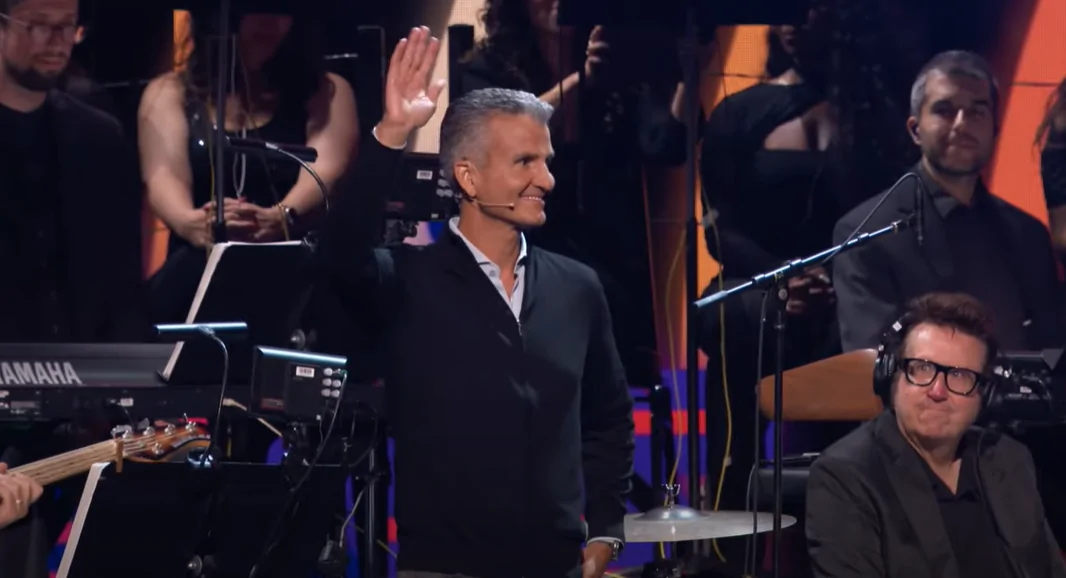
Disney Experiences Chairman Josh D’Amaro via Disney Parks YouTube
READ: Disney World Cast Members Allegedly Leave Disabled Family Exposed to Thunderstorm and Stuck on Ride
Then, on June 5 of this year, the Florida Government-controlled Central Florida Tourism Oversight District (formerly the Disney-controlled Reedy Creek Improvement district before Florida governor Ron DeSantis stripped Disney’s self-governing status due to its opposition of the Florida Parental Rights in Education bill) initially approved a $17 billion development plan for Walt Disney World over a 15-year period. This announcement coincided with another 1.46% drop in Disney’s stock.
When the committee voted to give final approval to Disney on June 12, the stock dropped another 0.4%.
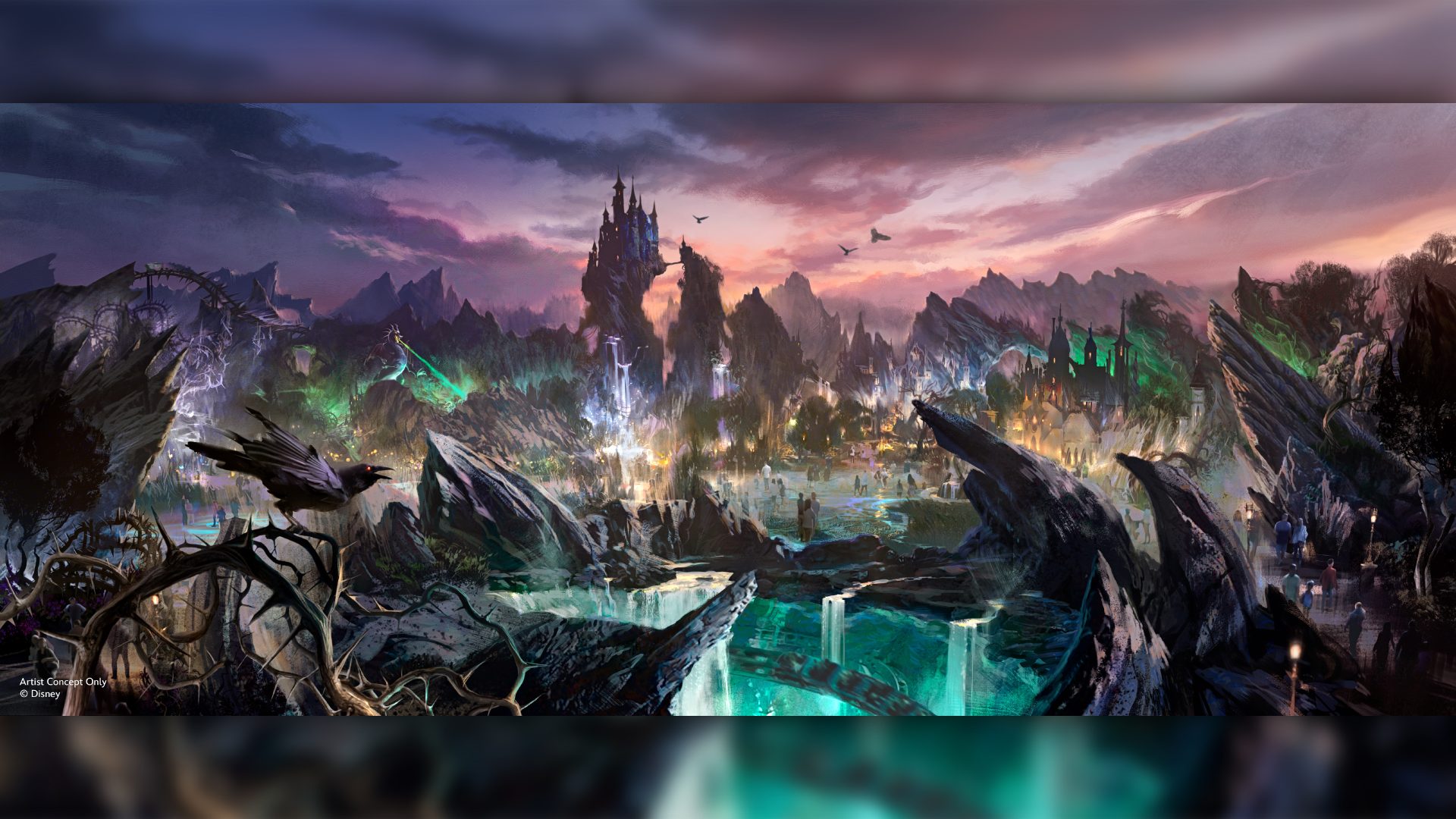
Concept art for Villains Land at Magic Kingdom at Walt Disney World via Disney Parks Blog
Disney showcased what it would be spending these funds on at the D23 fan expo back in August of this year. They announced plans for Cars and Villains lands for the Magic Kingdom (replacing the beloved Rivers of America area of the park), a new Encanto and Indiana Jones section in Disney’s Animal Kingdom, and a Monsters Inc. themed land with an inverted roller coaster in Disney’s Hollywood Studios.
When Disney first teased that it would be making big parks announcements at D23, the stock fell another 2.3% to $85.96 per share. It fell another 0.4% to $85.86 following the actual announcements themselves.
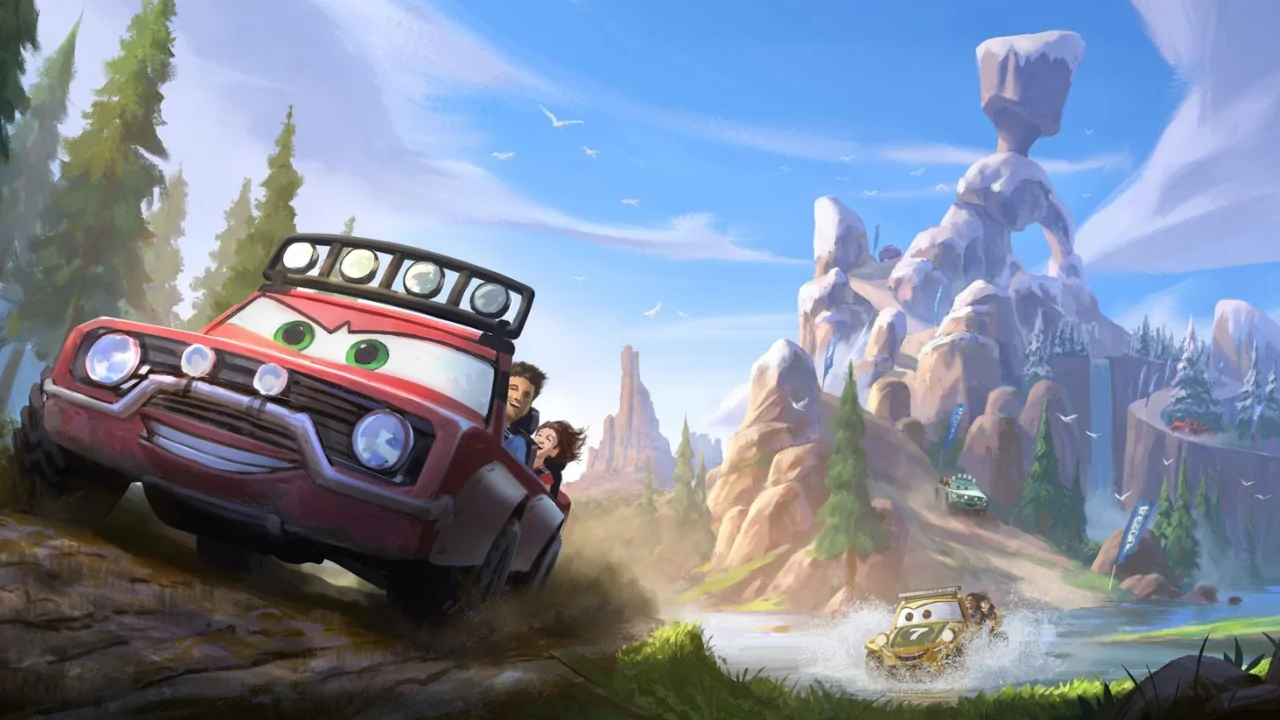
Concept art for Disney’s unnamed Cars attraction at Magic Kingdom
So why does it seem, as these numbers would indicate, that investors have little to no faith in Disney Parks?
In the article, Reid notes that Disney’s stock soared after the creation of the Disney+ streaming service. It hit right before lockdown orders went into effect during the COVID-19 pandemic. It gave bored viewers the world over something to watch with original programming like The Mandalorian coupled with Disney’s entire catalogue (excluding perceived “problematic” films like Song of The South).
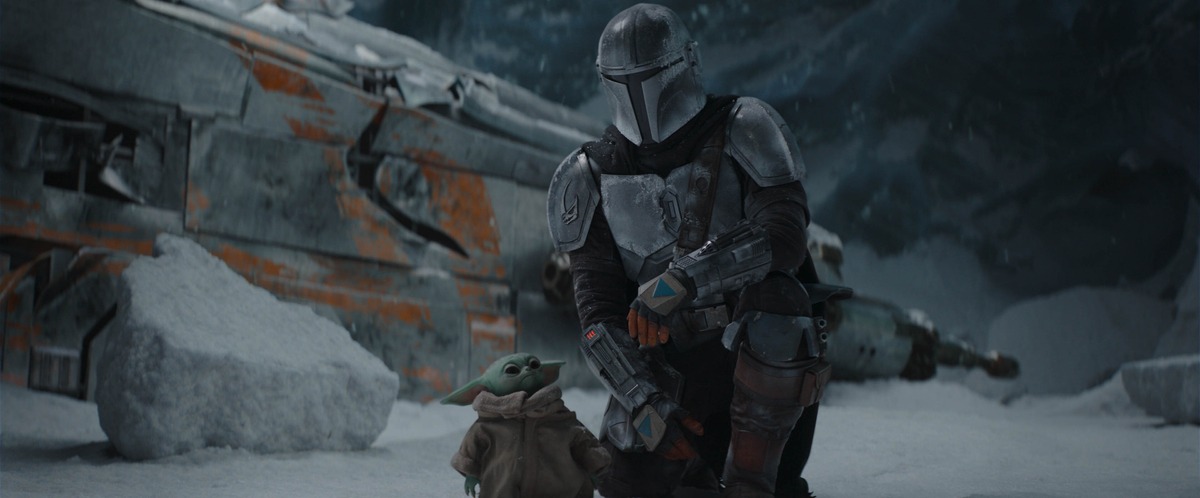
The Mandalorian (Pedro Pascal) and the Child in THE MANDALORIAN, season two. ©.
However, the honeymoon soon ended between Disney and its fans. Bloated budgets for streaming shows were yielding little return and the company’s bottom line suffered for it.
Reid attributes this to lockdowns ending and viewers getting back to work, but she ignores the flying elephant in the room.
Disney’s streaming collapse had just as much to do with its embrace of DEI and forced identity politics into properties, transforming both Star Wars and Marvel into female-centric brands. Fans fled in droves from the streaming service, which is a trend that continues to this day with DEI-centric offerings like The Acolyte doing record low viewership.

(L-R): The Stranger and Osha Aniseya (Amandla Stenberg) in Lucasfilm’s THE ACOLYTE, season one, exclusively on Disney+. ©.
To compensate for this loss, Disney started a bold strategy with its parks. It raised prices while taking away from the overall experience.
For instance, Disney stopped its popular Magical Express bus service to and from Orlando International Airport. It also dropped complementary MagicBands for resort guests and lowered the frequency of resort housekeeping services to every other day.
But the biggest change it made was doing away with its formerly free fast pass system that allowed guests to skip lines at no additional cost. Disney replaced this complementary service with the paid Genie+ system. This move generated more than $724 million for the company between October 2021 and June 2024, according to the Wall Street Journal.
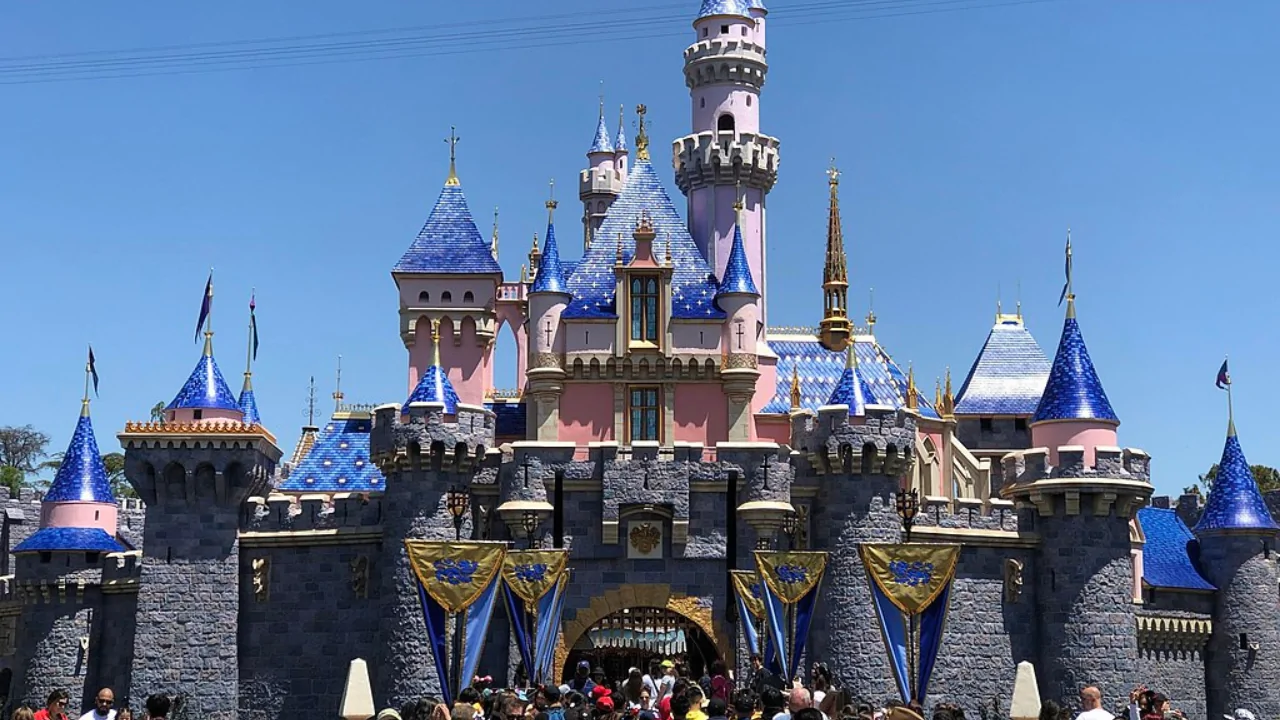
Sleeping Beauty Castle in 2019 after refurbishment. Photo Credit: CrispyCream27, CC BY-SA 4.0 <https://creativecommons.org/licenses/by-sa/4.0>, via Wikimedia Commons
But what should never be overlooked when talking about these services is that they were never truly “free” at all. The cost of things like Magical Express, fast passes, MagicBands, and daily housekeeping were all factored into the price of a Disney vacation. By taking away those services while simultaneously charging more, Disney is lowering the overall perceived value of a Disney vacation to its customers.
CNBC noted that a one-day Walt Disney World ticket has increased by 56% over the last 10 years. That outpaces the United States national inflation rate by a staggering 24%. In essence, Disney has priced out the middle class while at the same time lowering its value to the point where even more well-to-do vacationers are looking elsewhere for their family getaway.
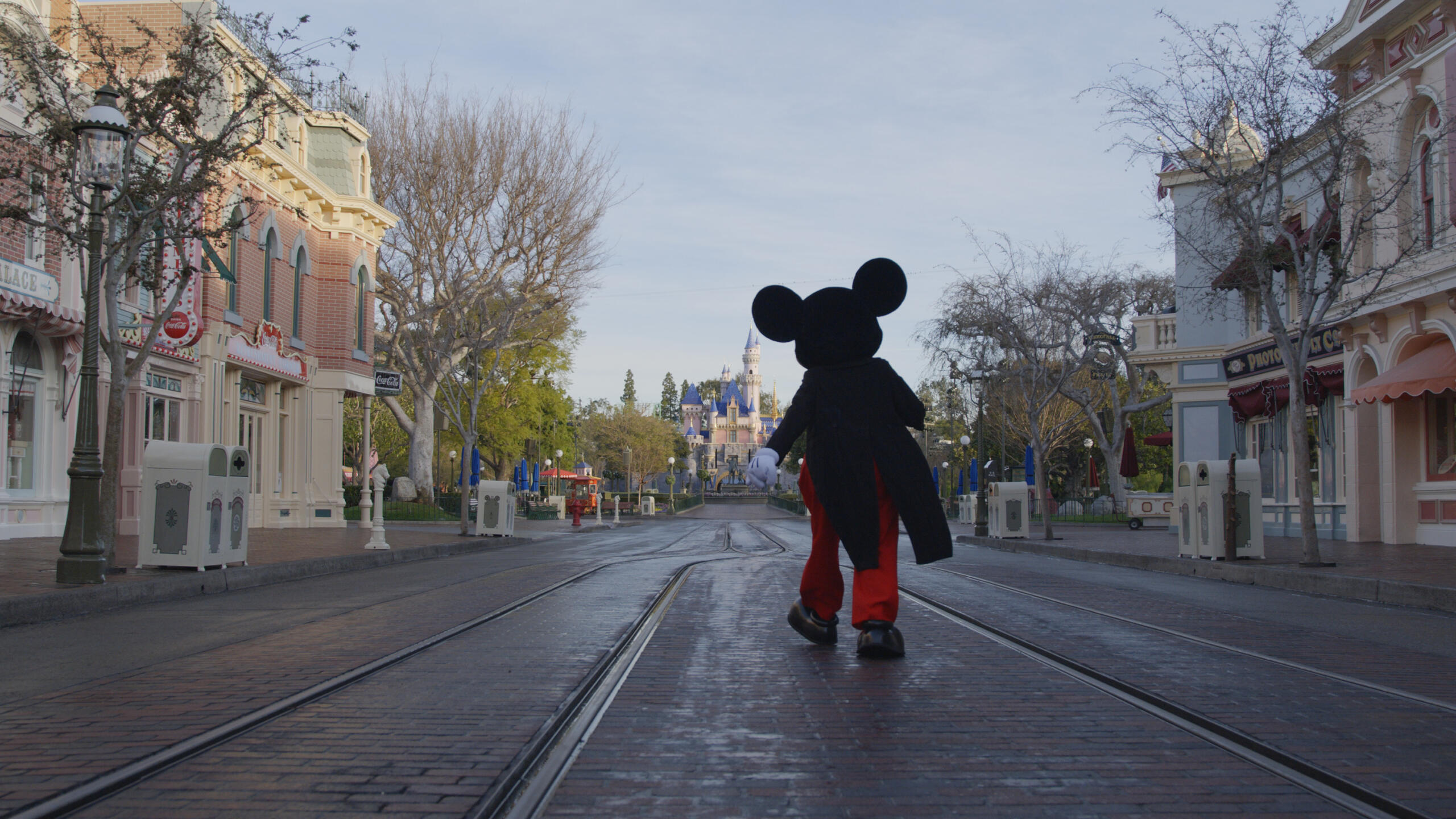
Mickey walks down Main Street USA at Disneyland. (Credit: Mortimer Productions)
READ: New Casey’s Corner Cast Costumes Sap Even More Theming From Walt Disney World’s Magic Kingdom
Reid notes in the Forbes article that the secret to success is getting more guests into the parks without strapping a rocket to the division’s spending budget. She goes on to say that plussing existing attractions (updating and improving them) would be more effective than creating whole new lands.
This is particularly true when those new lands both carry such a high price tag and bulldoze beloved attractions and experiences like Dinosaur, the Rivers of America, Tom Sawyer Island, and more.
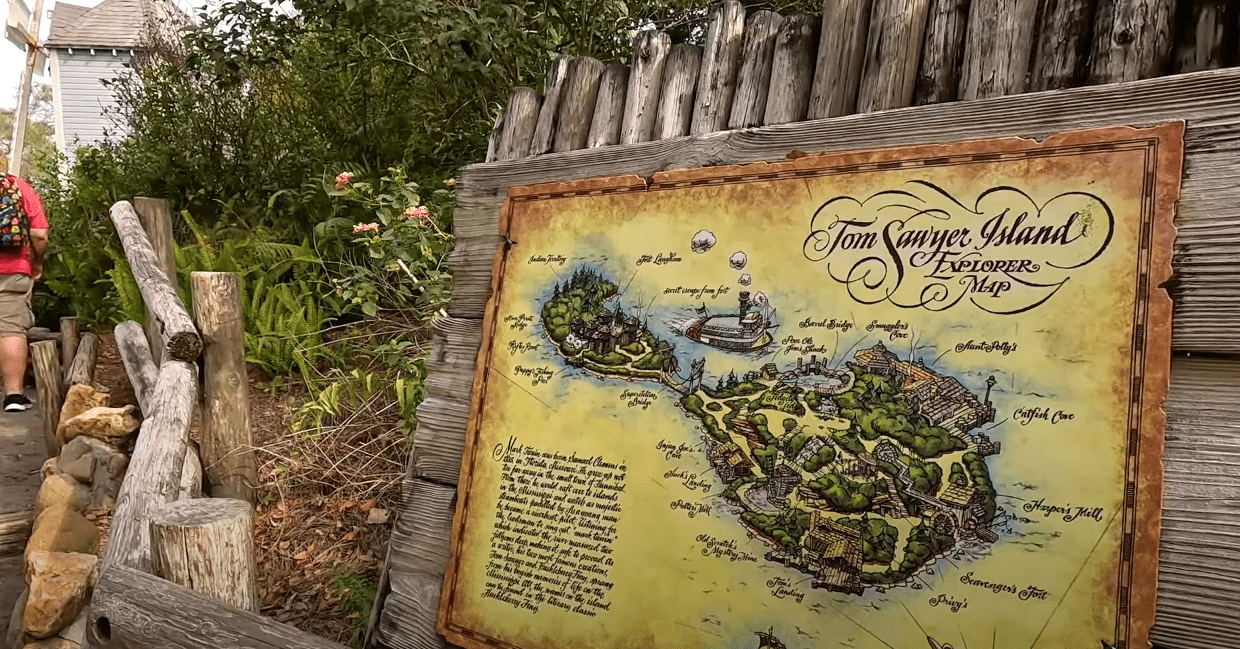
An image of Tom Sawyer’s Island via DocumentDisney YouTube
She also states (correctly, in my opinion) that folding fast passes back into the cost of admission to Disney parks would help improve the company’s woes more than new lands and attractions.
“Waiving the fees for queue-cutting would be an even cheaper way to start,” she said in the article. “Although it would remove a lucrative revenue stream it would also boost visitor numbers and thereby merchandise, food and beverage sales. In turn, this would increase profits, though not as much as the queue-cutting passes do as they come with no costs. However, if their price puts off too many guests from visiting the parks then the overall level of profit may not be as high as it could be.”
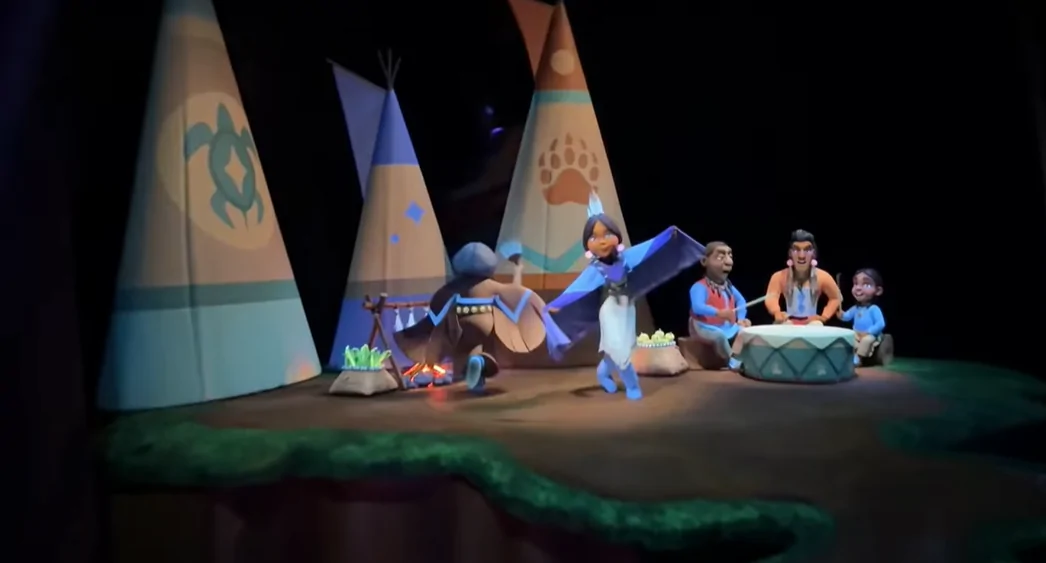
An image of the updated Peter Pan’s Flight at Walt Disney World via Blog Mickey YouTube
Do you think Disney has tanked its theme parks with wild experience reductions and price increases? Is Disney destroying the magic of a Disney vacation to cover the embarrassing DEI-driven losses from Disney+? Sound off in the comment section and let us know!
Marvin The Movie Monster Montanaro is a YouTube commentator and personality specializing in movies, TV, video games, and professional wrestling. He can be found on his channels Tooney Town TV and Tooney Town Wrestling with daily content and weekly livestreams. He can also be found on That Game Place, the That Park Place video game channel.
