



It’s all about ship and not theme parks as Disney has seriously taken its eye off the ball in Orlando. Universal Studios may knock Disney World off its throne as a result of Bob Iger’s efforts to throw everything he has at building a vacation naval fleet.
Disney’s recent $12 billion investment in its cruise line business marks a bold move to double its fleet and expand into new markets, particularly Asia. While this ambitious endeavor may seem like a forward-thinking strategy, it raises an important question: Is Disney’s heavy focus on cruises coming at the expense of its theme parks? Given the centrality of parks like Walt Disney World to the company’s financial success and cultural identity, it’s worth asking if Disney’s priorities are misplaced.
Disney theme parks, especially Walt Disney World in Florida, have long been a cornerstone of the company’s financial stability. Historically, the Parks, Experiences, and Products division has been one of Disney’s most reliable revenue streams. For example, in 2019—the last full year before the pandemic—this division accounted for nearly 37% of Disney’s total revenue, bringing in $26.2 billion. In terms of profit, theme parks were an astounding half of what the Mouse kept. Walt Disney World, the crown jewel of Disney’s parks portfolio, plays a disproportionately large role in this success due to its size, number of attractions, and ability to attract international visitors.
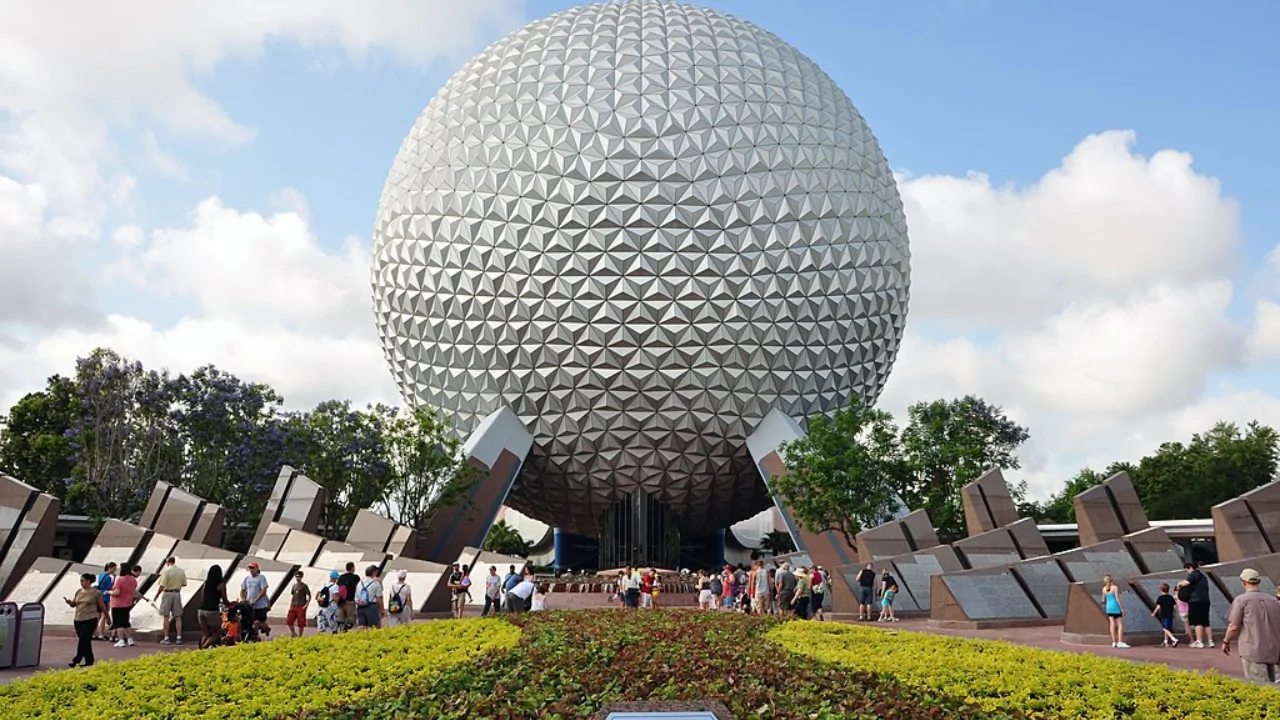
Epcot Spaceship Earth Walt Disney World Orlando 2010. Photo Credit: chensiyuan, CC BY-SA 4.0 <https://creativecommons.org/licenses/by-sa/4.0>, via Wikimedia Commons
Even during the pandemic, when parks faced closures and restrictions, Disney’s parks division demonstrated resilience. By 2022, as travel rebounded, the Parks division’s revenue surged, reflecting its enduring importance. Guests returned in droves, drawn by worldwide cabin fever and a fear that if they didn’t see the castle, they might be forced inside once more!
Despite this success, Disney’s recent spending patterns suggest a shift in priorities. The company’s decision to allocate $12 billion—20% of its projected $60 billion investment in experiences over the next decade—to cruise lines is significant. While Disney cruises have shown growth potential, they represent just 5% of the Caribbean market and an even smaller 2.5% share globally. By contrast, Disney’s parks have consistently dominated their sector, making them a far more secure and impactful investment. It is this neglect of a “mature” business in favor of a burgeoning sector that may have caused Disney executives to seriously miscalculate the damage Universal Studios can do with Epic Universe. Chasing after cruise ships and the guests who love them is a grand idea… but doing so at the detriment of the company’s most important revenue-driver is insanity. It doesn’t seen to be the kind of crazy that investors have yet caught onto, however.
Critics argue that this shift in focus risks alienating Disney’s core audience of theme park loyalists. Recent years have seen rising ticket prices, overcrowding, and perceived stagnation in the parks—issues that could be alleviated with increased investment. For example, Epcot has undergone a lengthy and disruptive transformation (leaving it worse off), while other parks, such as Disney’s Animal Kingdom, have seen fewer updates to attract repeat visitors. Meanwhile, competitors like Universal Studios are aggressively expanding, with Universal Orlando’s Epic Universe poised to be a major draw in 2025.
Aerial video: A look at current construction in Epic Universe. pic.twitter.com/omUhy9C5ZM
— bioreconstruct (@bioreconstruct) December 5, 2024
Video Courtesy: Bioreconstruct on X
Reinvesting in Disney’s theme parks in a smarter way would not only address these issues but also strengthen the company’s long-term profitability. Historically, major park expansions have delivered substantial returns. The opening of Pandora – The World of Avatar in 2017 boosted attendance and guest spending at Disney’s Animal Kingdom, transforming it into a must-visit destination. Similarly, the debut of Cars Land at Disney California Adventure in 2012 revitalized the park, helping it achieve record attendance. Unfortunately for Disney, lack of investment has meant that Universal Studios has taken most of their premier theme park building talent and there’s no signs they’ll return soon. This leaves Disney at a significant disadvantage as the people who built their best stuff now work for their competition. The brain drain at Disney, combined with a DEI effort to diversify their “Imagineers”, has meant that even when Disney wants to do new things, they simply don’t have the expertise to execute as they have for generations.
By contrast, Disney’s cruise line, while lucrative, serves a more niche audience. The high cost of Disney cruises—a four-day trip on the Disney Wish can start at $7,692 for a family of four—limits their accessibility compared to theme parks. Furthermore, the cruise market is inherently more volatile, as it depends on discretionary travel spending and is susceptible to economic downturns and geopolitical risks.
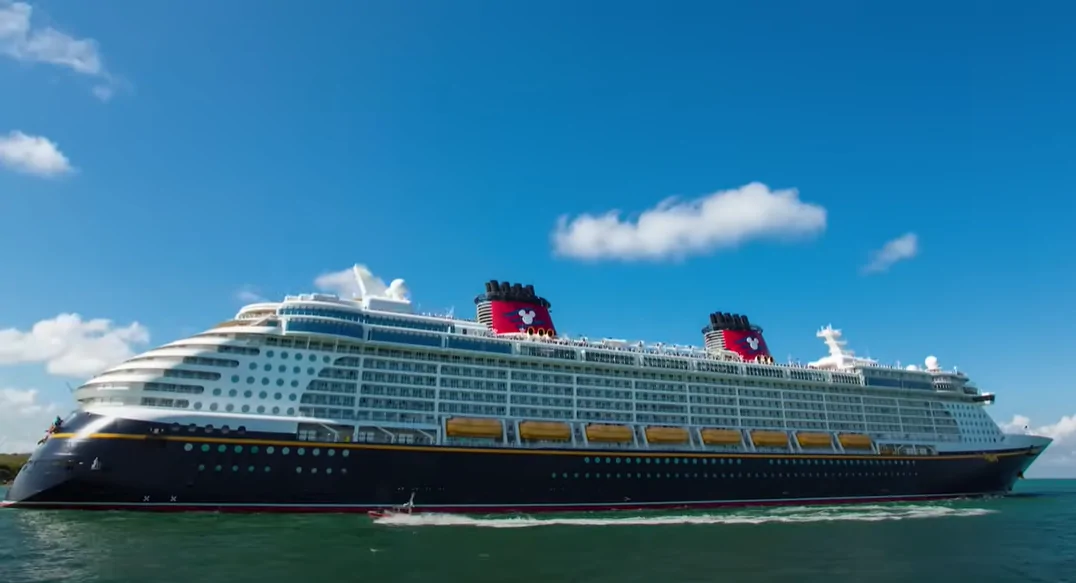
Disney Cruise Line via Disney Parks YouTube
To be clear, Disney’s cruise line has its merits. Expanding into Asia, where millions of potential Disney fans lack access to a nearby park, is a strategic move. Cruises also allow Disney to deliver its signature storytelling in a unique and immersive format. However, these benefits should not overshadow the importance of maintaining and enhancing the company’s theme parks. And when Disney’s best and brightest (those who remain) are sent to design ship experiences instead of theme parks, the whole foundation of the company’s revenue systems is placed in jeopardy. Streaming and cruises might be great, but investors should remember this is a theme park company when you break down where the money comes from.
As Disney charts its course for the next decade, it must strike a better balance between innovation in its cruise business and reinvestment in its parks. The parks are not just a revenue driver; they are a cornerstone of Disney’s brand and a key reason why millions of families choose Disney over its competitors. Neglecting them risks undermining the company’s most iconic and enduring asset.
In the end, Disney’s magic lies in its ability to create unforgettable experiences—whether on land or at sea. But to preserve that magic, the company must ensure its foundational offerings, like Walt Disney World, remain a top priority. After all, a cruise ship may sail the seas, but the castle at the heart of Magic Kingdom will always be Disney’s most enduring symbol.
