


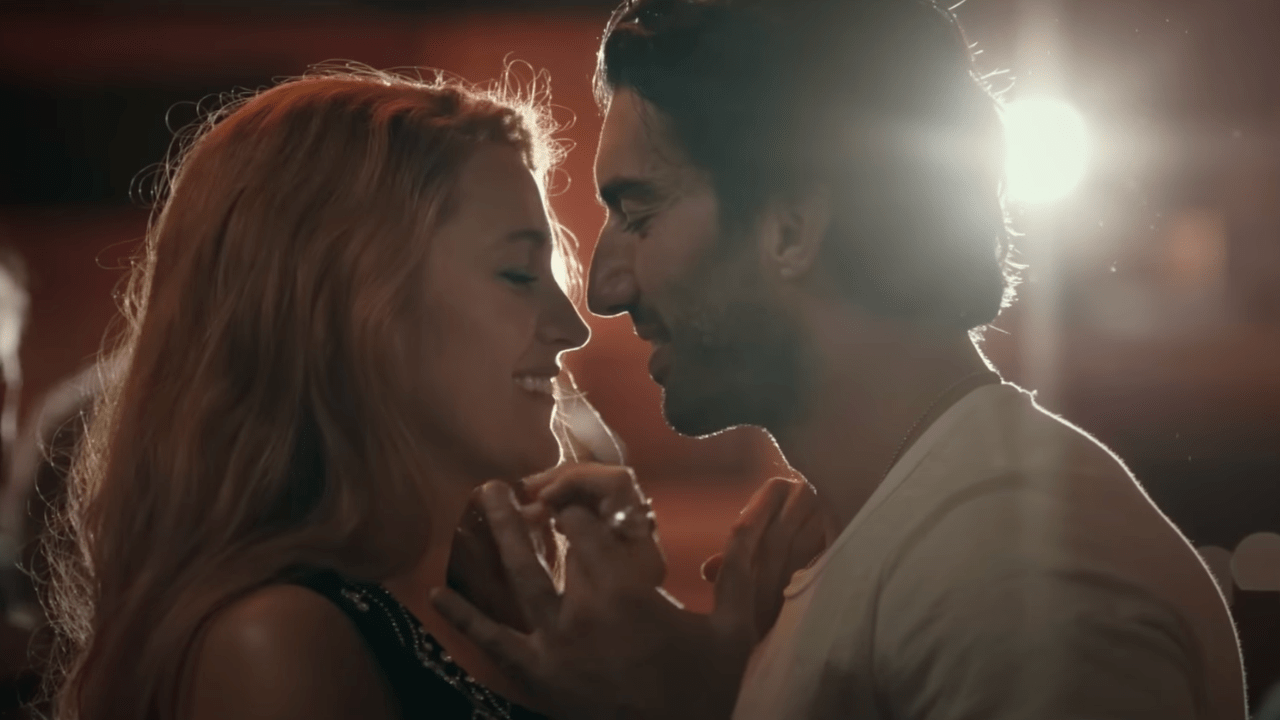
As the legal war between It Ends With Us co-stars Blake Lively and Justin Baldoni escalates, Lively’s legal team has set its sights on a new concern—online content creators.
In newly filed court documents, her attorneys argue that independent commentators on platforms like YouTube and TikTok are unfairly amplifying Baldoni’s claims, and they are pushing for a protective order to keep specific case details from public view.
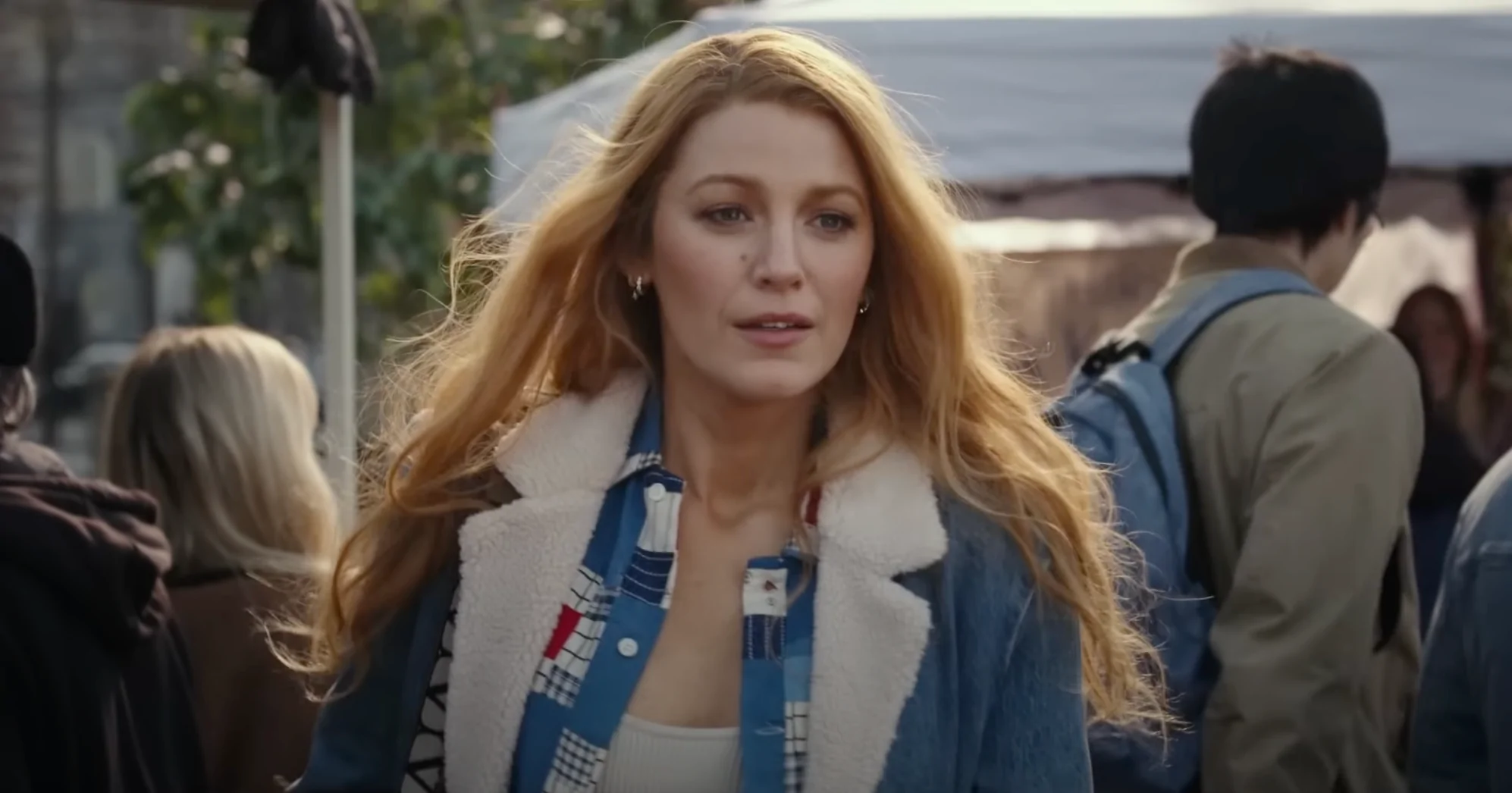
Blake Lively in the film It Ends With Us – YouTube, Sony Pictures Entertainment
This move comes quickly after Baldoni launched a website outlining his $400 million defamation lawsuit against Lively, her husband Ryan Reynolds, and others. The website features a full timeline of events, along with screenshots of text messages, emails, and other communications that Baldoni’s legal team claims counter Lively’s accusations.
While protective orders are common in high-profile cases to safeguard sensitive financial and medical records, Lively’s attorneys have gone further by specifically citing online personalities such as Perez Hilton and Candace Owens. They claim these figures have contributed to what they describe as a “manufactured echo chamber” that distorts the facts of the case and influences media coverage against their client.
But here’s where things take a turn—Baldoni made a nearly identical argument against The New York Times in his own lawsuit.
Is This a Double Standard?
Lively’s legal team is arguing that independent content creators are shaping public perception of the case in a way that’s unfairly damaging to her reputation. But isn’t that exactly what Baldoni alleged The New York Times did in his lawsuit against the paper?
Baldoni sued The New York Times for $250 million, claiming they engaged in a “coordinated effort” to promote Lively’s accusations and frame him as guilty in the court of public opinion. Now, Lively’s attorneys are saying that independent commentators are doing the same thing—just in reverse—by presenting Baldoni’s arguments and challenging Lively’s claims.
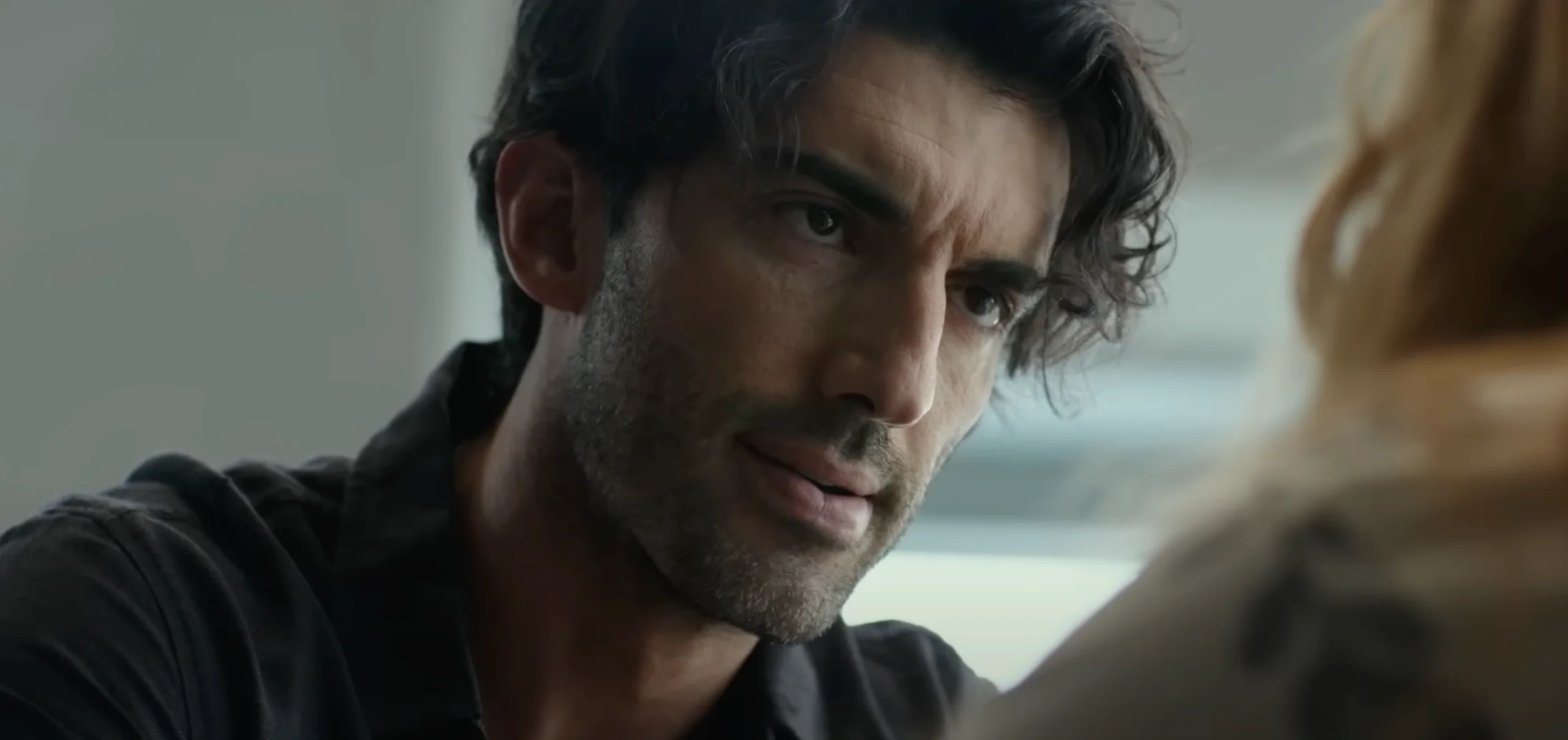
Justin Baldoni in the film It Ends With Us – YouTube, Sony Pictures Entertainment
The question is, why is it only a problem when it works against her?
This apparent contradiction exposes a larger issue—both sides are accusing the other of using media influence to control the narrative. Baldoni argued that The New York Times unfairly backed Lively, while Lively’s team now claims that independent voices are backing Baldoni. If one side considers media coverage biased and harmful, then shouldn’t the same standard apply across the board?
Are Lively’s Lawyers Trying to Silence Independent Content Creators?
Blake Lively and her legal team are not just asking for standard protections against content creators—they’re actively drawing attention to social media commentators and singling them out in court filings. While they haven’t explicitly threatened legal action against these individuals, the fact that they are being named sends a strong message.
This raises serious concerns about whether her attorneys are trying to discourage independent creators from covering the case. The argument that commentary is influencing media coverage suggests that Lively’s team wants to control not just what’s said in the courtroom, but also how the public perceives the case.
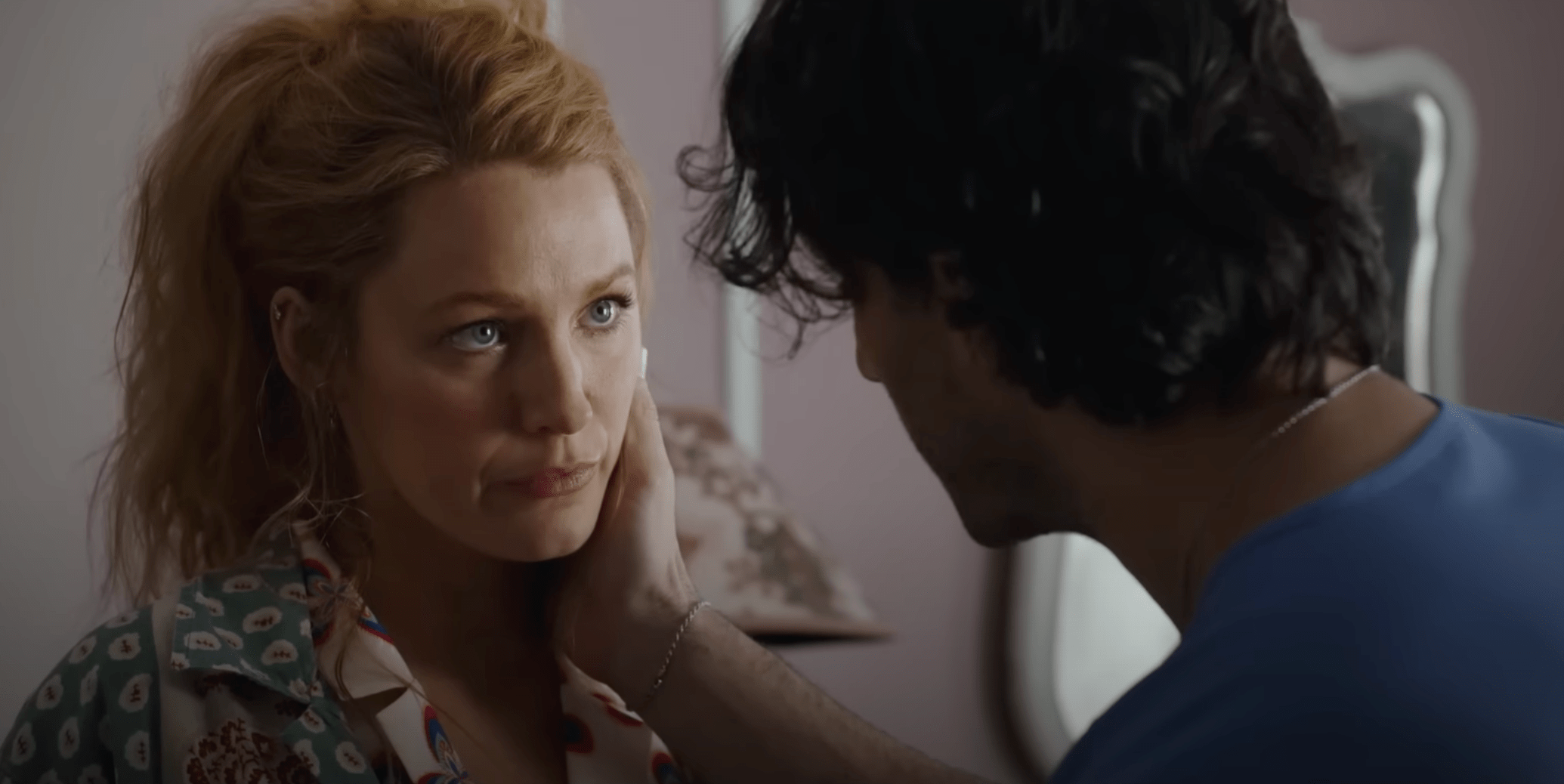
Blake Lively and Justin Baldoni in the film It Ends With Us – YouTube, Sony Pictures Entertainment
If successful, this legal strategy could open the door for other high-profile figures to suppress independent coverage of their disputes by framing content creators as part of a coordinated effort against them. If mainstream media outlets can publish stories that shape narratives around legal cases, why should independent voices be treated differently?
Baldoni’s legal team has strongly opposed Lively’s request for heightened secrecy, arguing that a standard protective order is sufficient. They also took the opportunity to criticize public remarks made by Lively’s husband, Ryan Reynolds, at a recent industry event, suggesting that he was making light of the situation.
A Public Relations Battle Disguised as a Legal Dispute?
This legal fight has been playing out in two arenas—the courtroom and the media. With Baldoni accusing Lively and Reynolds of working to damage his career, and Lively’s lawsuit making serious claims against Baldoni, both sides have engaged in a public relations war to control the narrative.
Baldoni’s decision to publish a website presenting text messages, emails, and other communications was a calculated move to counteract what he and his legal team see as false accusations. Lively’s attorneys argue that this move has fueled online speculation and contributed to the spread of supposedly misleading narratives.
But here’s the reality—public interest in this case is inevitable.
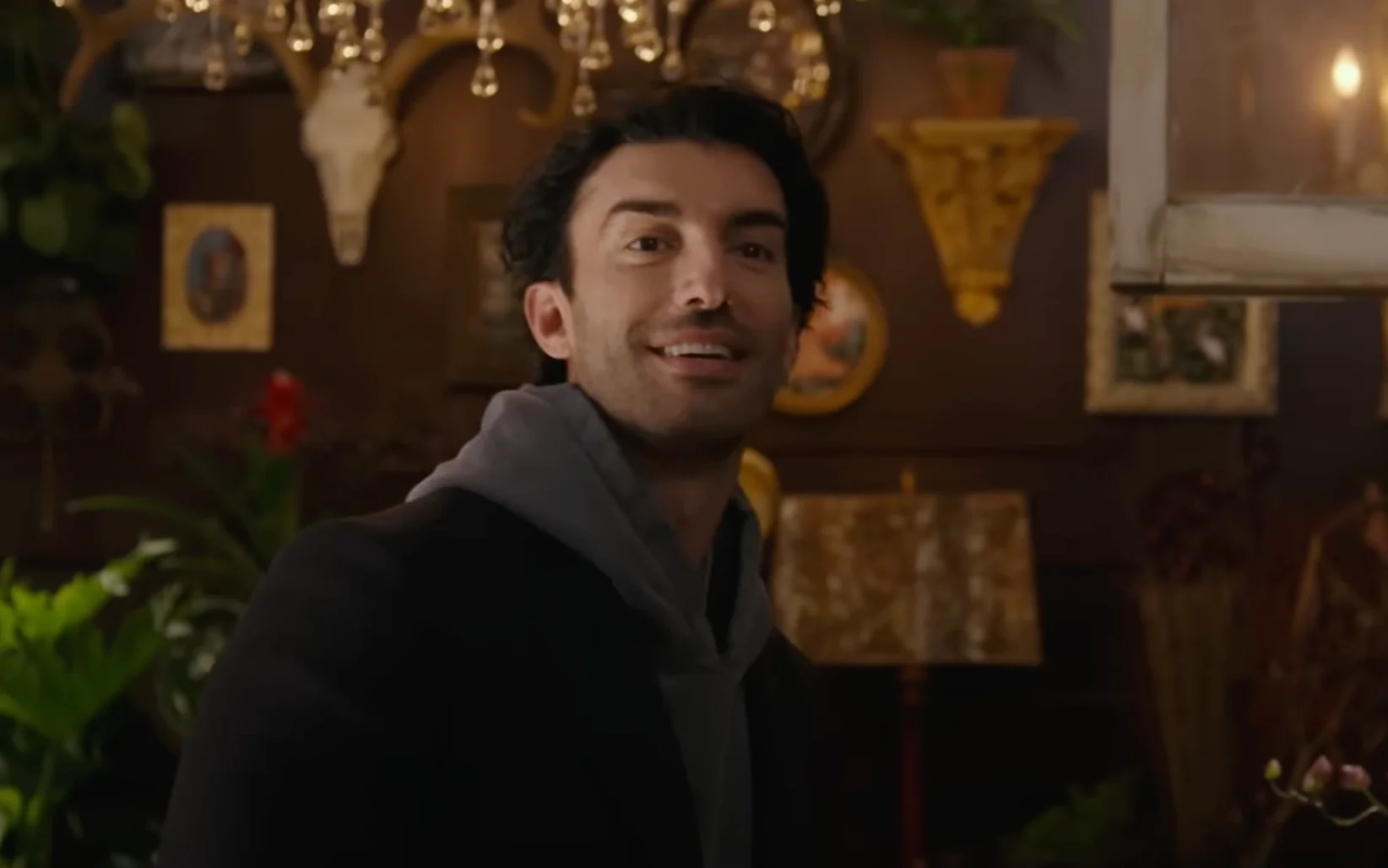
Justin Baldoni in the film It Ends With Us – YouTube, Sony Pictures Entertainment
With Hollywood power players involved, social media would have dissected this story regardless of who went public first. What’s striking is Lively’s legal team’s apparent belief that online voices, AKA the new media, should be limited in their ability to discuss and analyze the case. She was fine with it when it was the legacy establishment access media parroting her claims.
The Bigger Picture: Controlling the Conversation
The central issue here isn’t just about Lively, Baldoni, or even It Ends With Us. It’s about whether celebrities and their legal teams can successfully control public discussion of their cases.
The concern isn’t just about privacy—it’s about precedent. If Lively’s legal strategy works, it could embolden other public figures to use similar tactics to limit independent new media coverage of their disputes.
If The New York Times had every right to publish articles covering the lawsuit from Lively’s perspective, then independent creators have the same right to analyze and critique the case from the other side.
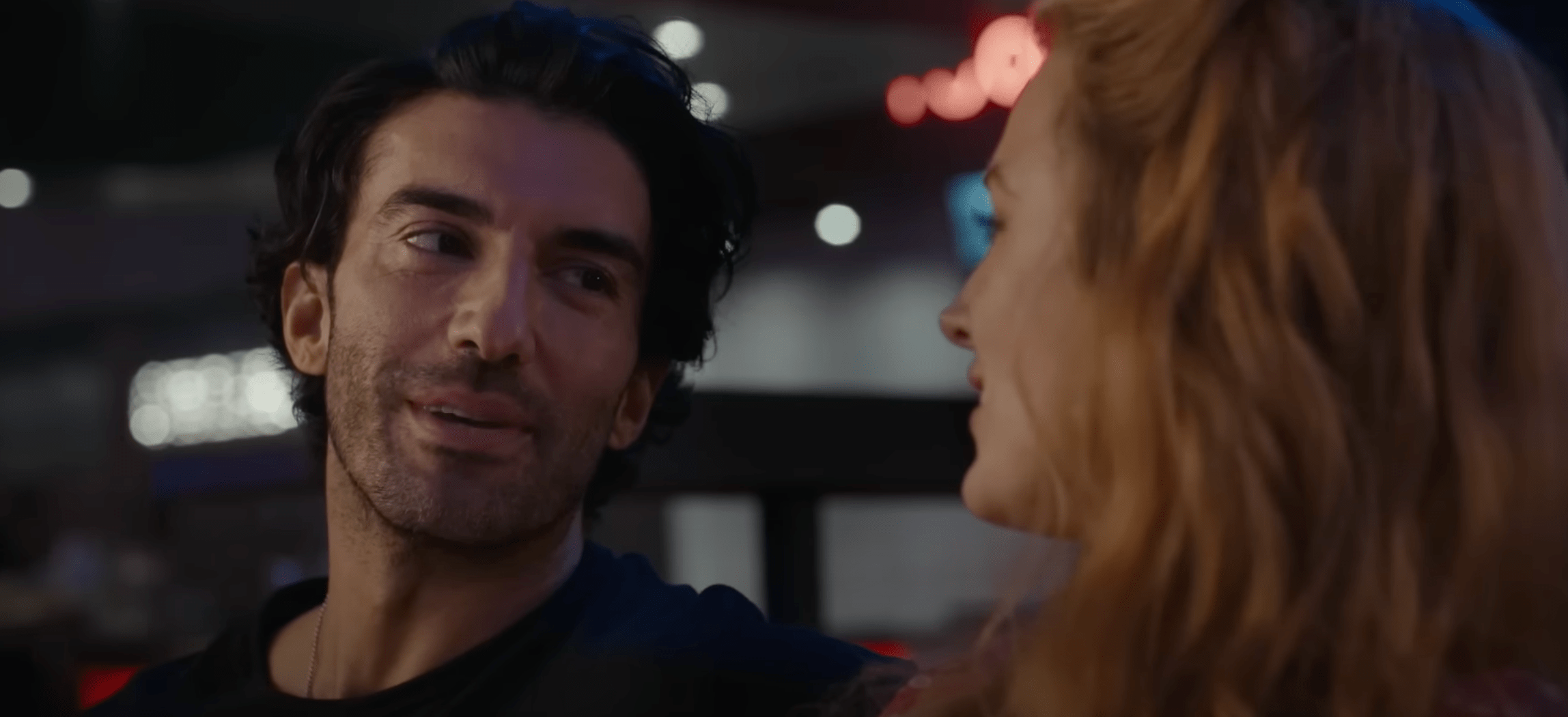
Blake Lively and Justin Baldoni in the film It Ends With Us – YouTube, Sony Pictures Entertainment
This case has already drawn significant attention due to its high-profile names, and with both sides escalating their arguments, it’s unlikely to quiet down anytime soon. But if Lively’s legal team is working to curb online discussion, it may backfire—because nothing fuels more interest in a case than the appearance of trying to control the conversation.
Does Lively’s legal argument hold up, or is this an attempt to suppress public discussion? Should online creators have the same freedom as mainstream media to cover high-profile cases? How do you feel about Blake Lively appearing to target independent content creators in the new media? Let us know in the comments below.
