


Hollywood executives seem to be embracing AI as the future of entertainment, and the media is having none of it!
We’re not far away from a time when artificial intelligence is a key component of nearly any video generated for commercial and personal use. Already, YouTube is flooded with content created by Sora, Claude and other video generative programs. Sure, some of them are very amateur, but in the right hands… they’re remarkably realistic and beautiful. Like when Photoshop changed photography forever, video is preparing for its paradigm shift into a completely new world.
But for traditional media and many of those who work in the film industry, they’re determined to stop this train. Clearly they haven’t read anything about the Luddites of old.

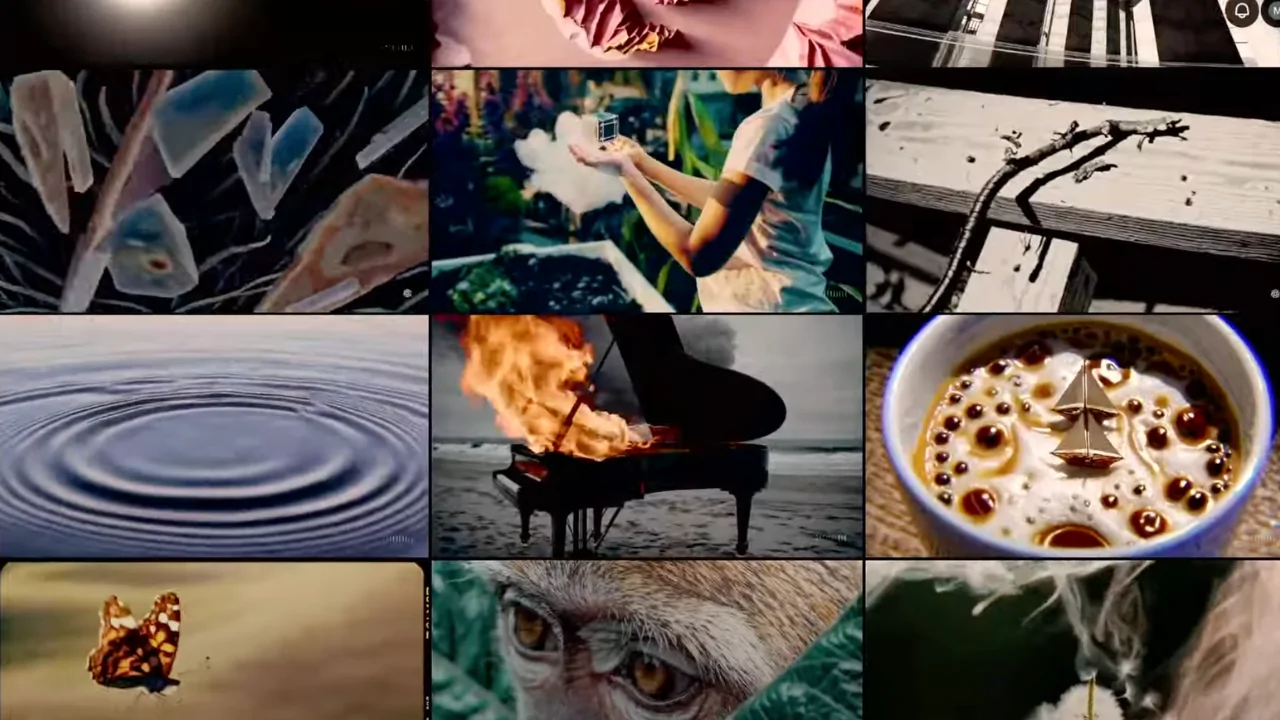
Videos created using Sora, the ChatGPT text-to-video advancement – OpenAI
Late last week, we’re told that a number of Hollywood executives were invited and attended a screening of professional-level, AI-generated video in order to give them an idea of what is capable. Hosted by Sora, a sister-application of ChatGPT, the crowd was regaled by Open AI’s moving imagery, likely developed using algorithms and neural processing power not available to the general public. According to sources close to the event, we’re told executives were ecstatic about what they saw and the cost-savings they might soon enjoy. Craftspeople and artists in the industry might not be so enthused — especially if they’re not in favor of AI.
OpenAI takes its pitch to Hollywood creatives after launching controversial video tool
OpenAI held a screening event in West Hollywood on Wednesday, where several filmmakers touted work they made with the startup’s text-to-video tool Sora.
— kritika vohra (@kritikavvohra) March 21, 2025
In response to what could be a watershed moment for generated video in Hollywood, articles and posts began to circulate that suggest a likely impotent counteroffensive to Sora and Open AI.

Screenshot of Wired Article: https://www.wired.com/story/openai-sora-video-generator-bias/
It’s a familiar playbook. Slime a product or service with claims that are subjective and gross, then use those claims to scare weak-kneed officials and corporate suits from going near it lest they get the mess on them (and their resumé as well).
The problem this time is it simply can’t hold back the change that is about to occur in Hollywood. And everyone with an ounce of understanding knows it. Within a few years there will be dozens of extremely powerful video generating tools. Traditional animation will likely be a thing of the past outside of a very few high-paying jobs in which humans help create content for the AI to consume. Am I here to tell you that’s good or bad? No. You be the judge. I’m simply describing what is rapidly happening, actively, today.
Places like Wired can attempt to scare executives from buying into the hype. Unions can try to stop organizations from going to artificial intelligence. Ultimately, however, there is no way to stop this technology from becoming totally standard for video generation. It’s simply too good, too powerful, too cheap. Any company that fails to adopt it will be rendered so obsolete that it is mind-boggling. The genie can’t be put back in the bottle… and calling it not nice names won’t have any impact.
The Hollywood execs know this. That’s why they’re attending secret screenings whether their artists and influencers like it or not.
Do you think AI is the future of Hollywood? Sound off in the comments and let us know!
