


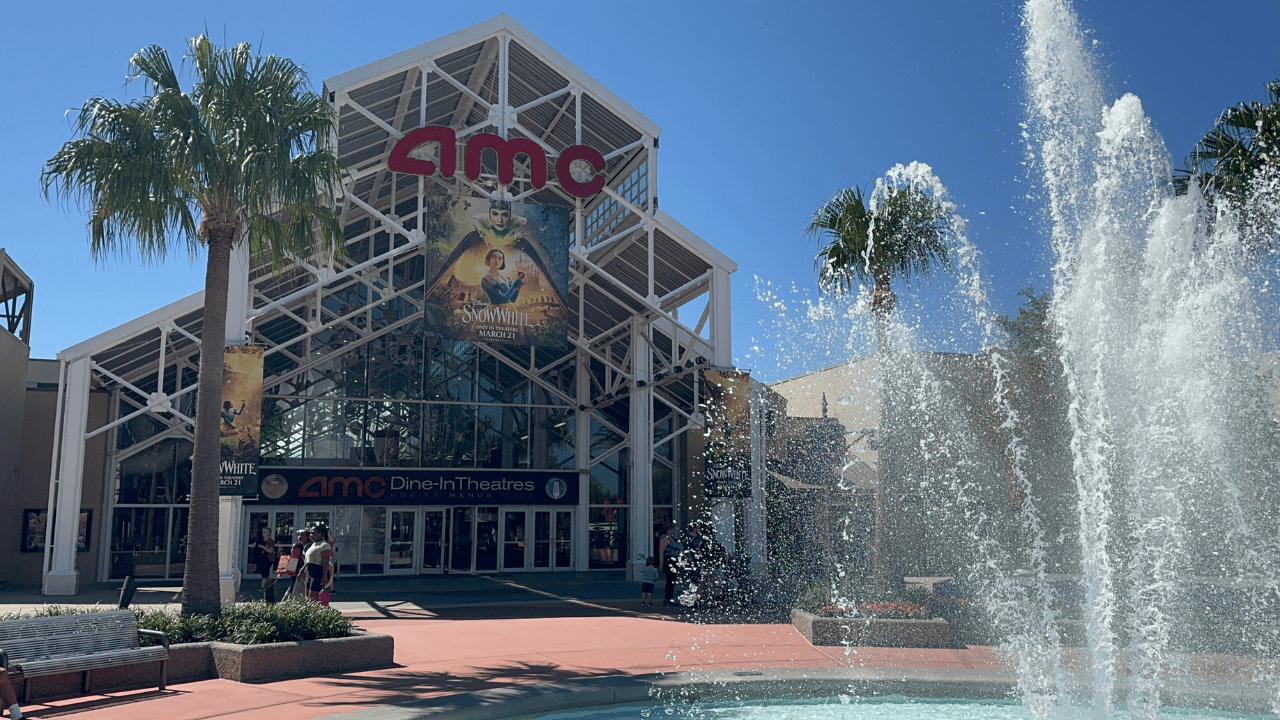
There’s out of touch, and then there’s William Earl’s latest Variety editorial about movie theaters.
In what can only be described as a tone-deaf fever dream of corporate desperation, Earl — and by extension, Variety — suggests that America’s struggling cinemas could be revived by letting people text during screenings and buy weed with their popcorn.
No, seriously. This is the plan now.
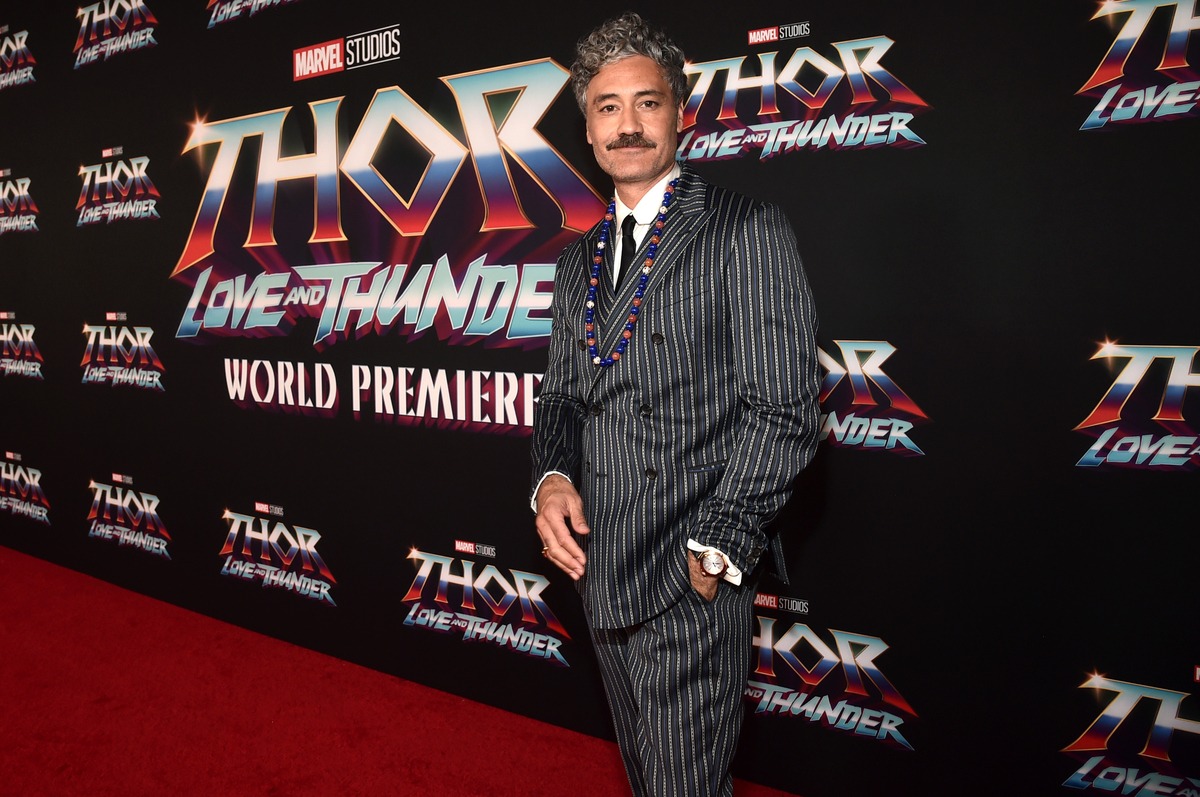
LOS ANGELES, CALIFORNIA – JUNE 23: Taika Waititi attends the Thor: Love and Thunder World Premiere at the El Capitan Theatre in [Hollywood], California on June 23, 2022. (Photo by Alberto E. Rodriguez/Getty Images for Disney)
Not once — not once — does Earl entertain the possibility that the real reason people are staying home is because the films themselves have become tiresome, formulaic, or flat-out repellent. Instead, the blame is shifted onto “old-fashioned” theater rules and an audience that just can’t seem to appreciate whatever’s being pumped out by the studio machine.
Let’s break this down.
1. Phones in Theaters: Destroying the Very Thing That Made Movies Special
According to Earl, younger audiences are addicted to second-screening and can’t handle two hours without checking TikTok. So, naturally, the solution is to accommodate that habit by removing the last sanctuary of focused storytelling: the dark, phone-free theater.
I believe in psychology they call that “enabling” but I’m no therapist.
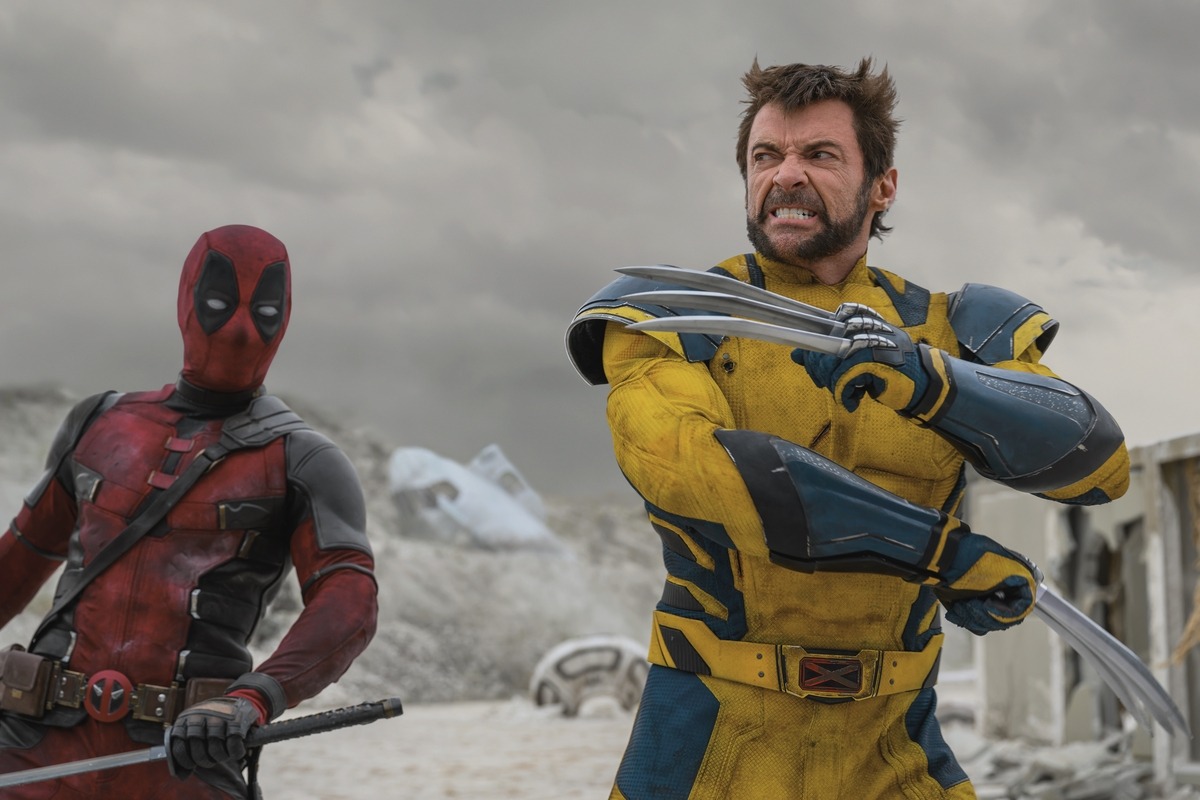
(L-R): Ryan Reynolds as Deadpool/Wade Wilson and Hugh Jackman as Wolverine/Logan in 20th Century Studios/Marvel Studios’ DEADPOOL & WOLVERINE. Photo by Jay Maidment. ©: if your movie can’t hold a teenager’s attention, the issue isn’t with the teenager — it’s with the movie. A good film grips you. A great one makes you forget about your phone. Gen Z had no issue sitting through Avengers: Infinity War — they all seemed fine hitting the silent button on their phones during Barbie (I hated it but it made money…) and Deadpool & Wolverine.
But even I’ll admit that during Snow White I considered checking X more than once…
What Variety is proposing isn’t innovation — it’s surrender.
It’s the cinematic version of throwing up your hands and saying, “Well, if they won’t pay attention, let’s just let them scroll through it.”
[caption id="attachment_16956" align="alignnone" width="1164"]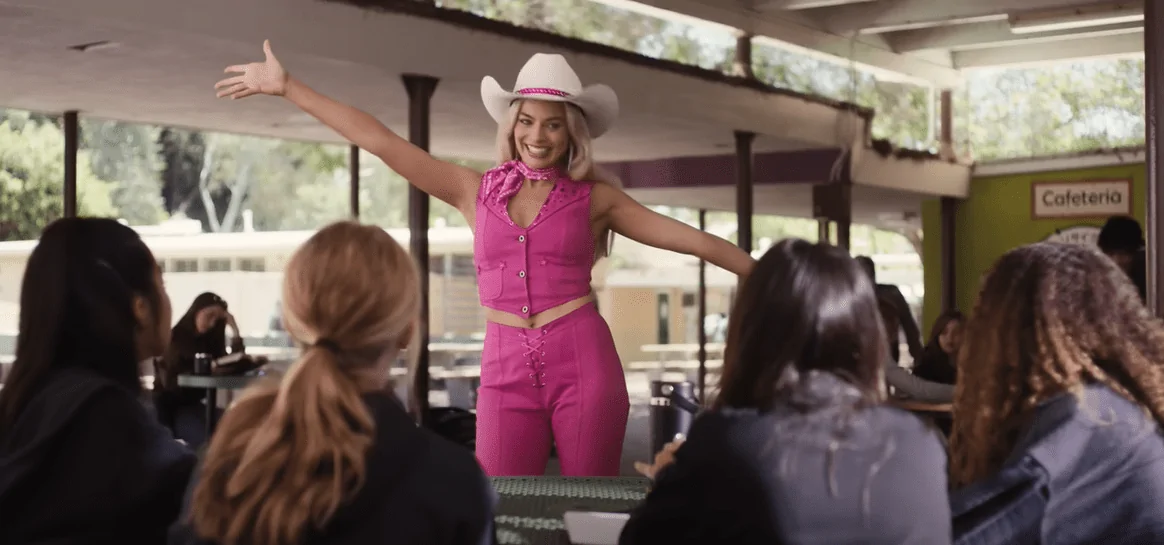 Margot Robbie as Stereotypical Barbie in Barbie (2023), Warner Bros. Pictures
This logic is corrosive. If theaters cave to this trend, you can say goodbye to immersion, tension, atmosphere — all the things that make a movie feel bigger than life. You may as well watch YouTube on your phone at home, because that’s what theaters will become.
2. Weed at the Movies: The New Face of Creative Bankruptcy
Then there’s the pot angle.Variety floats the idea that movie theaters could cash in by selling drugs, suggesting it could “loosen up” audiences and make movies more enjoyable (yes, I know it’s legal in a lot of places but it’s still considered a drug by every definition).
Translation: modern films are so dull or bloated that you might need chemical enhancement just to get through them.
It’s a joke — except it’s not. This is how Hollywood plans to cover up its creative stagnation. Not by making better films, but by fogging your brain just enough that you stop noticing how uninspired everything has become.
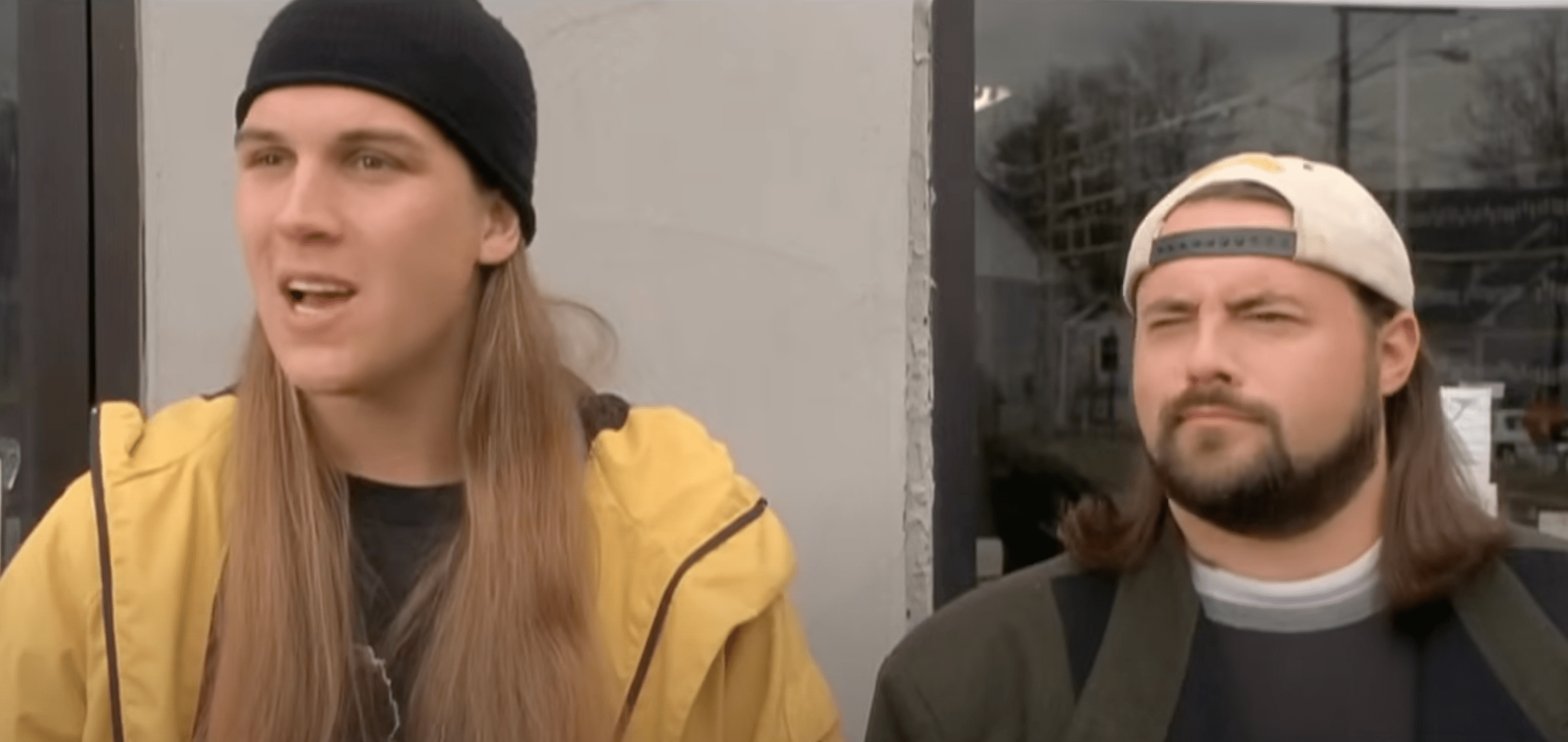
Jay and Silent Bob in Jay and Silent Bob Strike Back – YouTube, MovieClips
And while alcohol has been available in many movie theaters for a long time, Variety doesn’t seem to realize that smoking weed is disruptive, could cause issues for asthmatics, and smells. And even if the idea was to go with edibles, a theater couldn’t just start selling pot like it’s popcorn. It would have to jump through a ton of regulatory hoops, and in most states, that would mean essentially becoming a licensed cannabis dispensary or operating under a consumption lounge license, which is a separate — and often much stricter — category.
Again, if a movie needs an edible to be palatable, that’s not a good movie — that’s a product trying to mask its own failure. Would you accept that logic in any other medium? Would you suggest readers smoke weed to enjoy a bad book? Would you need a drink before going to a play worth watching?
What Variety is pushing isn’t an enhancement of the moviegoing experience. It’s an admission of failure.
3. “Alternative Programming” — Which We Already Have…
To Variety’s credit, the article mentions that events like The Chosen, sing-alongs for Wicked, and re-releases of classics like Coraline have been successful. But let’s not pretend this is a groundbreaking revelation. Repackaging nostalgia has been Hollywood’s fallback plan for years.
Ian McKellen playing the role of Magneto in X2: X-Men United – Disney+
Sing-alongs, re-releases, and live events aren’t a fresh innovation — they’ve existed for decades. Fathom Events has done great work, sure, but relying on this as a permanent strategy only proves the new content can’t carry its weight. People are turning out for The Chosen and Coraline because they actually connect with the material, not because the snacks have been “modernized” or the lighting has been adjusted for second-screen zombies.
The truth is, audiences are turning out for these events because the content is good. Not because it’s old, not because it’s “alternative,” but because it’s genuinely engaging. A 15-year-old animated film is outperforming recent multimillion-dollar releases because it wasn’t designed by committee, rewritten to meet social agendas, or focus-tested into oblivion. So the call for alternative programming is actually a call for…heaven forbid…better movies!?
But Variety won’t say that. Because admitting that newer films lack heart, vision, or authenticity would mean admitting the industry has lost its way. And we can’t have that, can we?
4. Accessibility — The Only Thoughtful Idea, And They Barely Talk About It
The only suggestion in this entire article that holds water is improving accessibility for disabled and neurodivergent moviegoers. Open captions, sensory-friendly screenings — these are meaningful changes that Variety rightly claims would make movie theaters more inclusive without sacrificing the core cinematic experience.
Patrick Stewart as Professor X in Doctor Strange in The Multiverse of Madness – Disney+
But Variety barely spends time on it, because it’s not as flashy as letting people use drugs. It doesn’t come with clickbait potential like “texting while watching” or “weed lounges.” Once again, priorities reveal everything. Accessibility is treated like a checkbox, not a cornerstone of a better theater model.
5. The Real Problem is the Movies — And Variety Is Too Afraid to Say It
Here’s the elephant in the room: people don’t go to the movies anymore because the movies aren’t good. Not consistently. Not like they used to be.
Hollywood has spent the last decade chasing trends, moralizing, rebooting, retconning, and rewriting history to align with whatever narrative is fashionable in the boardroom this quarter. It’s no longer about connecting with the audience — it’s about lecturing the audience, checking boxes, and playing it safe.
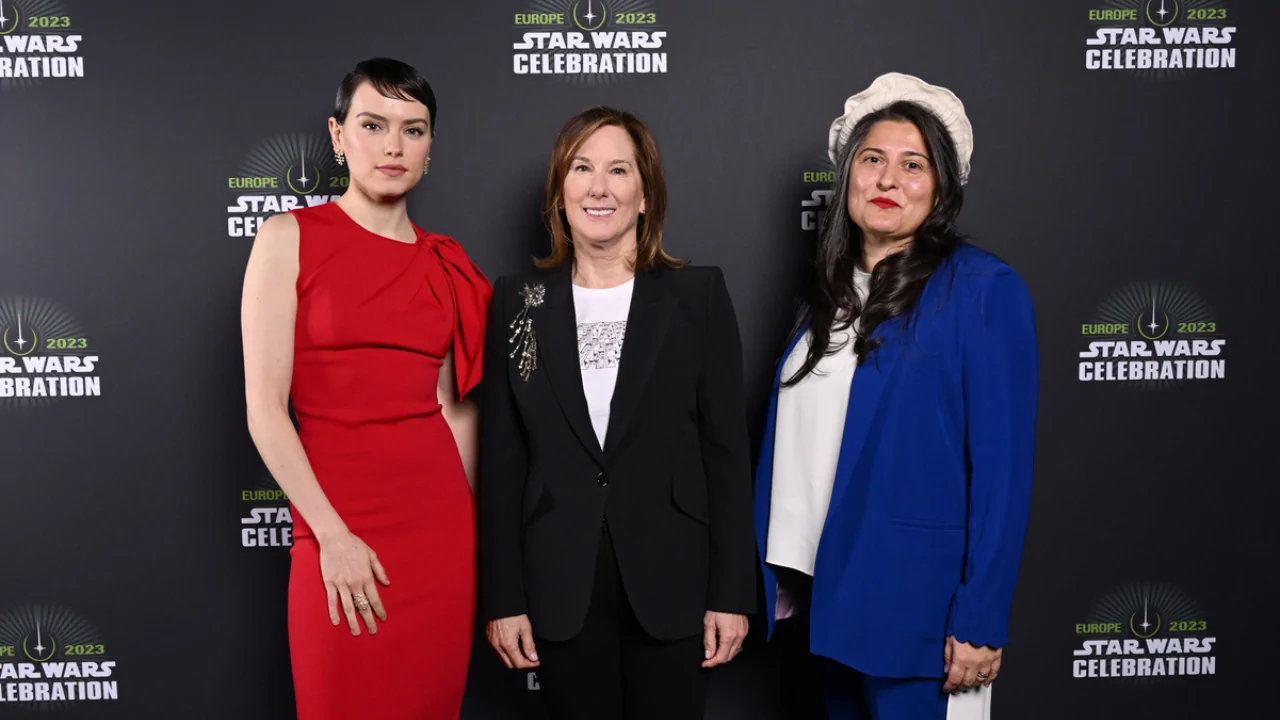
LONDON, ENGLAND – APRIL 07: (L-R) Daisy Ridley, Kathleen Kennedy and Sharmeen Obaid-Chinoy attend the studio panel at Star Wars Celebration 2023 attends the studio panel at Star Wars Celebration 2023 in London at ExCel on April 07, 2023 in London, England. (Photo by Jeff Spicer/Jeff Spicer/Getty Images for Disney)
The result? Audiences are tuning out. Franchises that once commanded global attention are now punching bags. Films flop left and right. And the only response from outlets like Variety is to suggest we change the rules of the theater, not the quality of the content.
This is gaslighting on an industry-wide scale. It’s not that you don’t like the movies, according to them. You’re actually the problem, not Hollywood. You’re too impatient. Too distracted. Too nostalgic. Too purist. So we’ll fix you by letting you light up and scroll instead of fixing what we’re putting on screen.
It’s insulting — and audiences know it.
Theaters Don’t Need Gimmicks — They Need Good Movies
William Earl’s Variety article is a symptom of Hollywood’s larger disease: denial.
Until studios start making films that are original, compelling, and respectful of the audience’s intelligence, no amount of weed, texting zones, or live events is going to bring back the crowds.
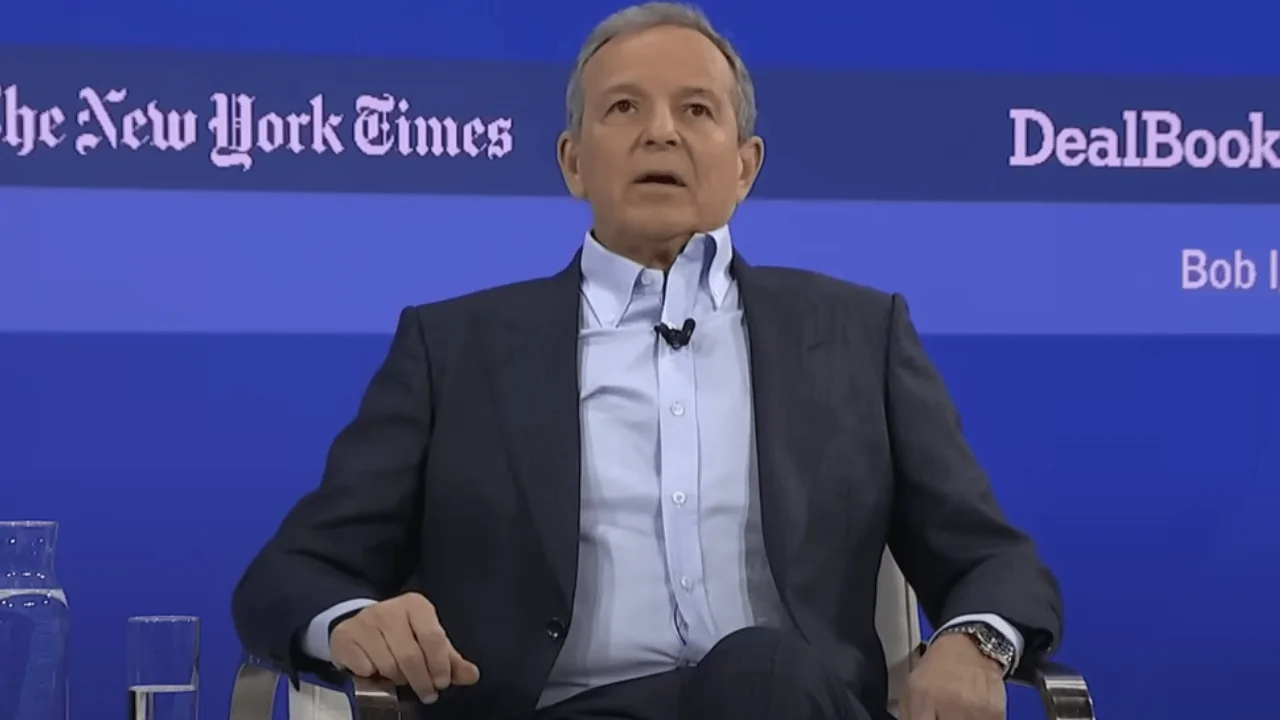
Bob Iger via New York Times Events YouTube
It’s not about the snacks. It’s not about the seating. And it’s definitely not about the phones.
It’s the content. Period.
Fix that, and people will come back.
What do you think about the suggestion Variety made to fix movie theaters? Sound off in the comments and let us know!
