



Ubisoft’s financial woes have reached a critical flashpoint. On April 5, 2025, the company’s stock fell below the psychologically and financially significant threshold of €10 per share—an event that sends a clear signal to investors: this company is now considered toxic.
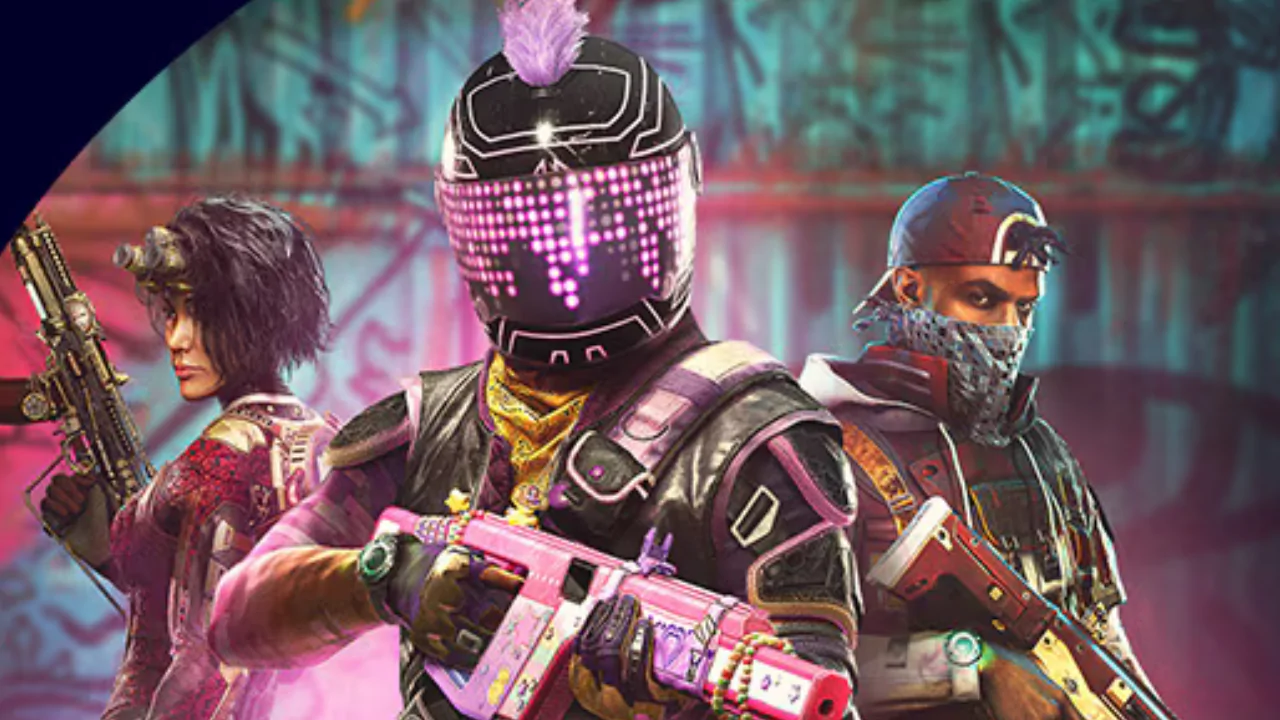
Key art for XDefiant (2024), Ubisoft
Ubisoft’s stock has plummeted below €10, a threshold that, in the financial world, signals a dangerous trajectory toward becoming a penny stock. The first stage of this decline is marked by single-digit share prices, a red flag for investors who now view Ubisoft as a “poison stock”—a risky asset prompting further divestment.
This single-digit milestone is often the initial symptom of a cancer that breeds volatility and, in the worst cases, bankruptcy. However, an even grimmer reality looms beneath the surface: as of April 5, 2025, Ubisoft’s total valuation stands at approximately €1.366 billion, a figure dwarfed by its reported debt.
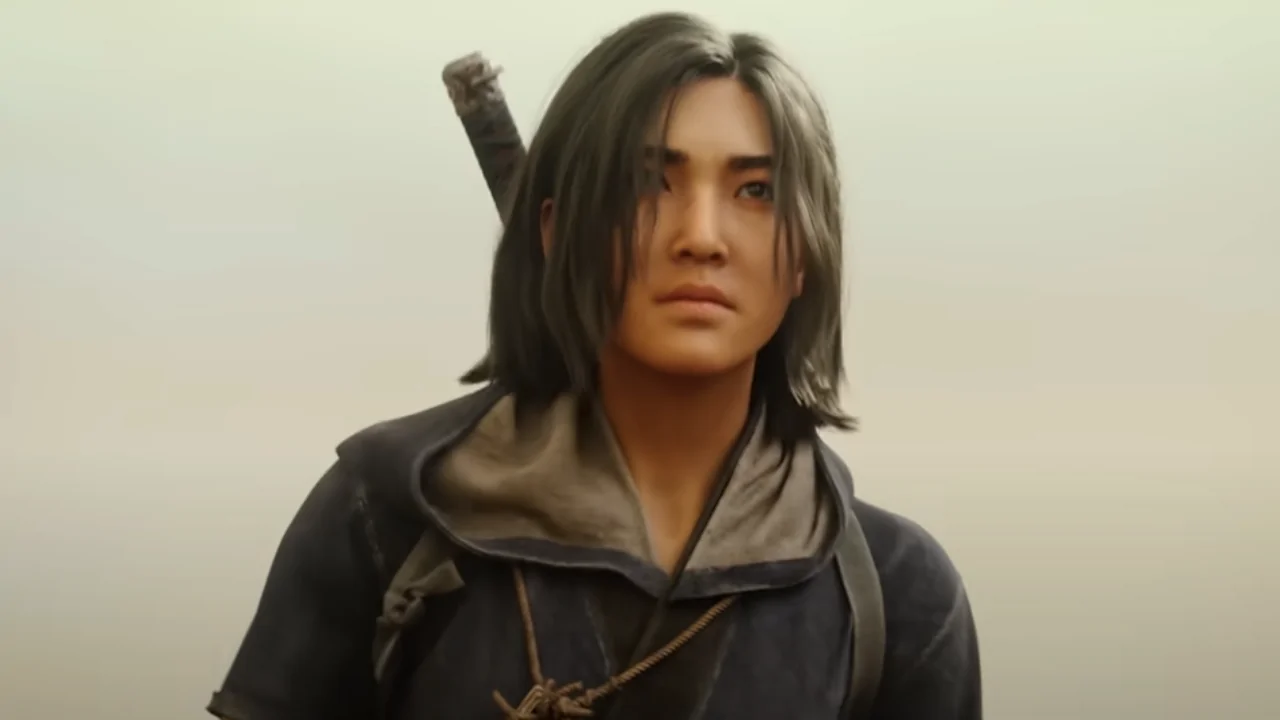
A screenshot from Assassin’s Creed Shadows (2024), Ubisoft
With non-IFRS net debt at €1.102 billion and IFRS net debt reaching €1.408 billion as of September 30, 2024 (likely higher now due to ongoing financial strain), the company’s market value is effectively eclipsed by its loan obligations. This dire situation places Ubisoft in a miasma of problems, including potential inability to pay workers or leverage its intellectual properties for meaningful recovery.
Tencent appears poised to swoop in and acquire Ubisoft, but this move won’t halt the layoffs already underway. Whispers within the industry suggest that the most significant cuts are yet to come, with a major restructuring expected between June and July 2025. This timing aligns with the next financial report, which aims to reset the books and mitigate rising loan obligations—though it may be too little, too late.
The final nail is in place, and Ubisoft’s coffin is being slowly lowered into a grave of its own making. The Ubisoft of old, once a titan of gaming, is on an unmistakable path to its demise.
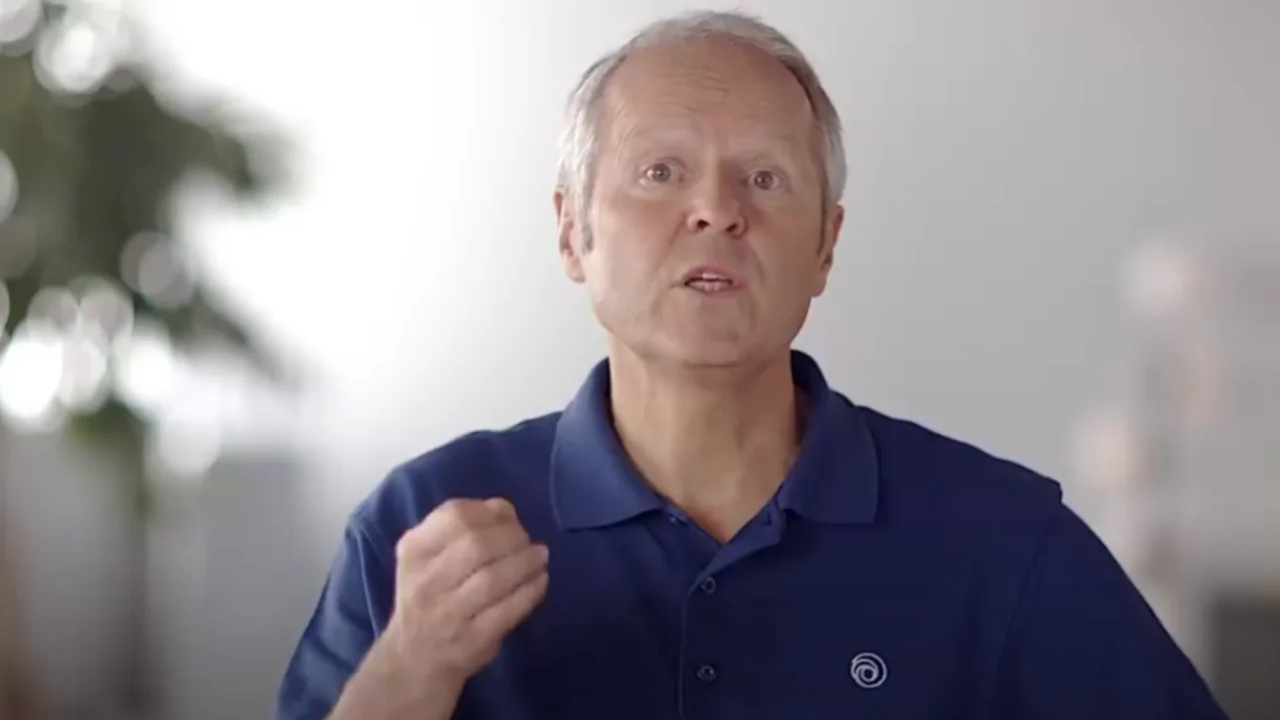
Yves Guillemot via Ubisoft North America YouTube
As of this week, Ubisoft stock is trading at just €8.83 on Euronext Paris as of this writing. It’s down more than 21% in just the last five days, and nearly 58% from a year ago. The company’s total market cap has sunk to roughly €1.25 billion, making it worth less on paper than the debt it still owes. It’s a financial black hole—and the cause is clear.
The recently announced deal with Tencent to form a new subsidiary holding three of Ubisoft’s most valuable properties—Assassin’s Creed, Far Cry, and Rainbow Six—was meant to be a lifeline. Instead, it’s being seen as an act of corporate cannibalism. Tencent paid €1.16 billion for a 25% stake in the new sub, which Ubisoft claims gives the entity a pre-money valuation of €4 billion. But that valuation hasn’t reassured shareholders. Quite the opposite.

A screenshot of Star Wars Outlaws (2024), Ubisoft
Following the deal’s announcement, the Ubisoft stock plunged over 24% as panic set in across the investor base. Critics say the structure of the agreement was designed to avoid triggering a mandatory public offer, keeping power consolidated with the Guillemot family, who now hold less than 10% of Ubisoft’s total economic interest.
Now, a revolt is underway.
A minority shareholder, AJ Investments, along with a growing coalition, has issued an open letter demanding legal action and a shareholder vote. The letter calls on a French court to force Ubisoft to hold an Extraordinary General Meeting (EGM) to vote on two proposed resolutions:
- Restructure the Tencent deal as a direct asset sale worth no less than €4 billion.
- Distribute an extraordinary dividend of €23 per share in cash (totaling €3 billion) to shareholders.
The letter accuses Ubisoft leadership of acting unilaterally and shielding the deal from shareholder input, stating: “Shareholders have no clarity how the deal that was announced last week will eventually benefit shareholders of Ubisoft. This signals a clear verdict from investors — the proposed deal is deeply flawed, structured to bypass mandatory public offer rules, and designed to entrench control by the Guillemot family.”
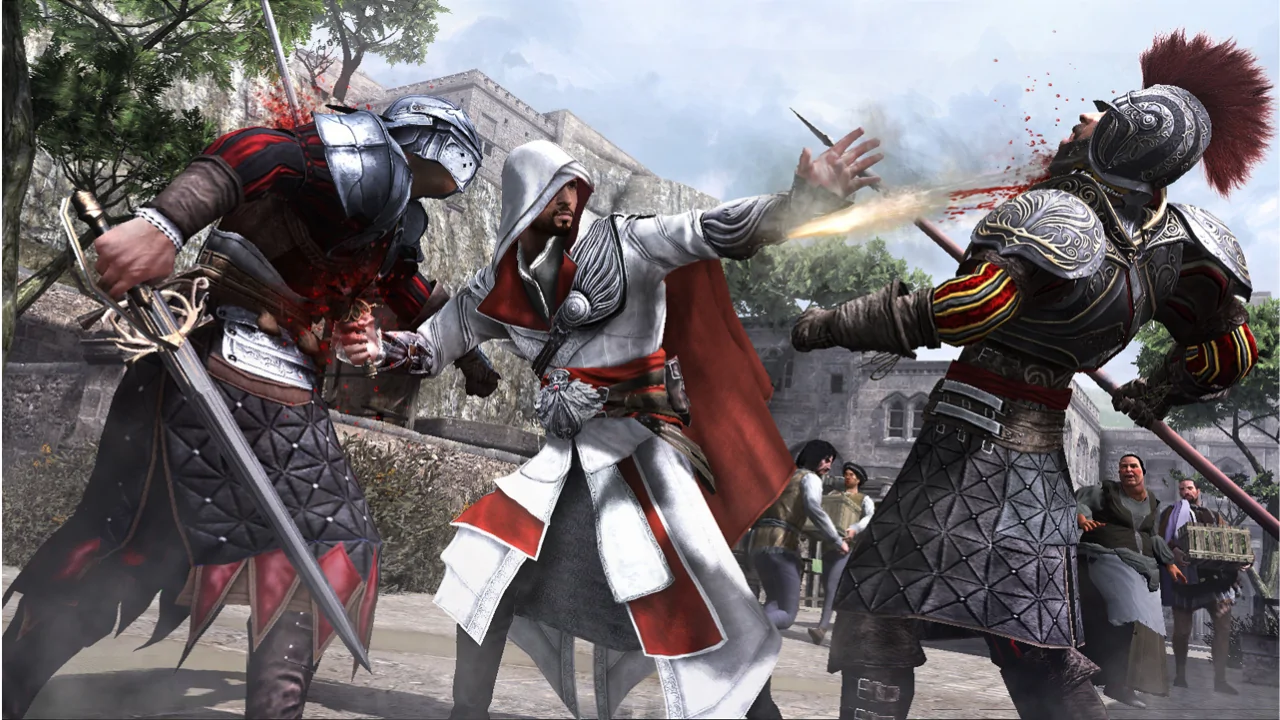
A screenshot from Assassin’s Creed Brotherhood (2011), Ubisoft Montreal
READ: Ubisoft Leamington Officially Closes as Layoffs Accelerate and Tencent Restructuring Looms
AJ Investments is also seeking to restrict Tencent from voting on the matter and limit the Guillemot family’s influence in the outcome, citing conflicts of interest and erosion of shareholder rights.
At this point, Ubisoft is in a tailspin. The company has not only lost investor trust but is now facing the possibility of court-mandated interference in its internal governance. If the EGM is granted, it could lead to a historic shareholder vote that determines whether Ubisoft’s core franchises are sold off entirely—or if leadership will be forced to pay out billions to appease stakeholders.
And all of this comes as whispers of further layoffs continue to build. With Assassin’s Creed: Shadows underperforming and other titles failing to stabilize revenues, insiders believe June and July could bring the most devastating round of cuts yet.

A screenshot from Assassin’s Creed Shadows (2024), Ubisoft
Ubisoft has entered uncharted territory. What happens next may not only decide its fate, but could reshape the industry’s understanding of corporate accountability in gaming.
How bad do you think the Ubisoft stock will get in the wake of this Tencent deal? Sound off in the comments below and let us know!
That Park Place contributing reporter Francesco Solbakk contributed to this report.
