


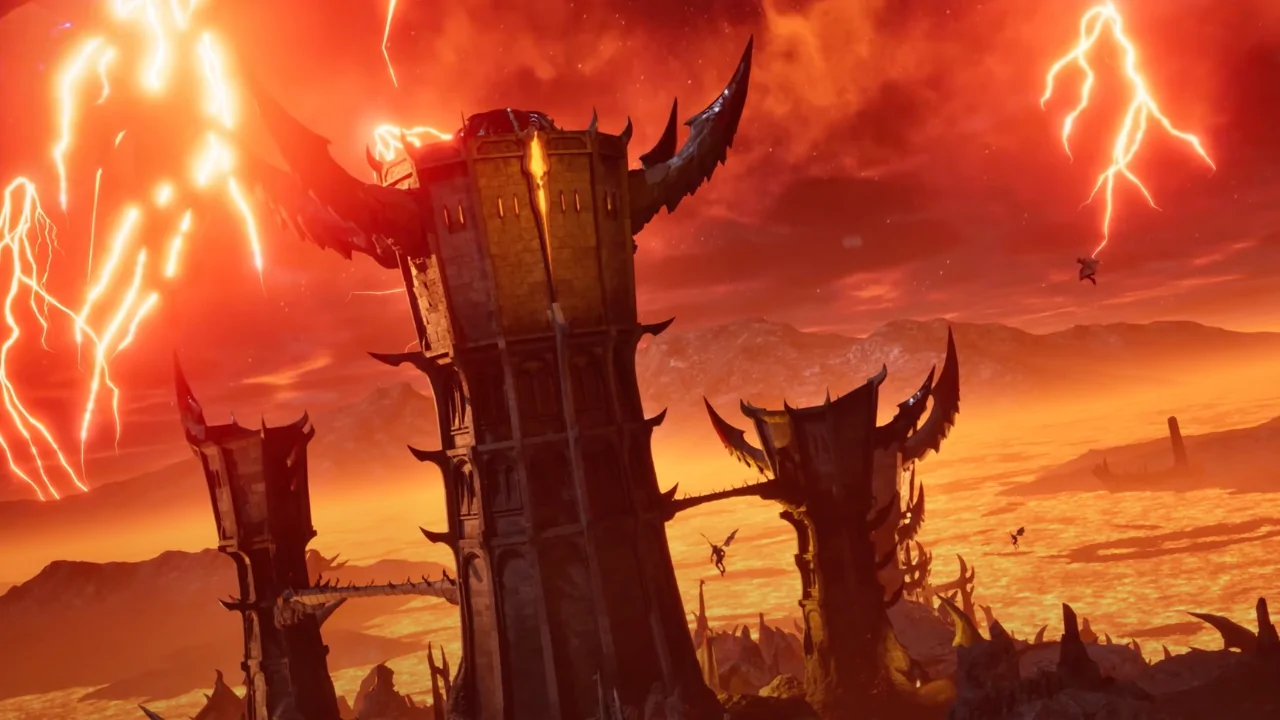
Bethesda’s re-release of The Elder Scrolls IV: Oblivion is stirring more conversation for its character creator than its graphical updates thanks to the addition of “body types.” The remaster, which launched this week, quietly removes traditional gender options—male and female—in favor of the vague labels “Body Type 1” and “Body Type 2.” There’s no explanation in-game, and the terms appear to be stand-ins for the previous sex-based selections in some kind of an attempt to pander to gender politics.
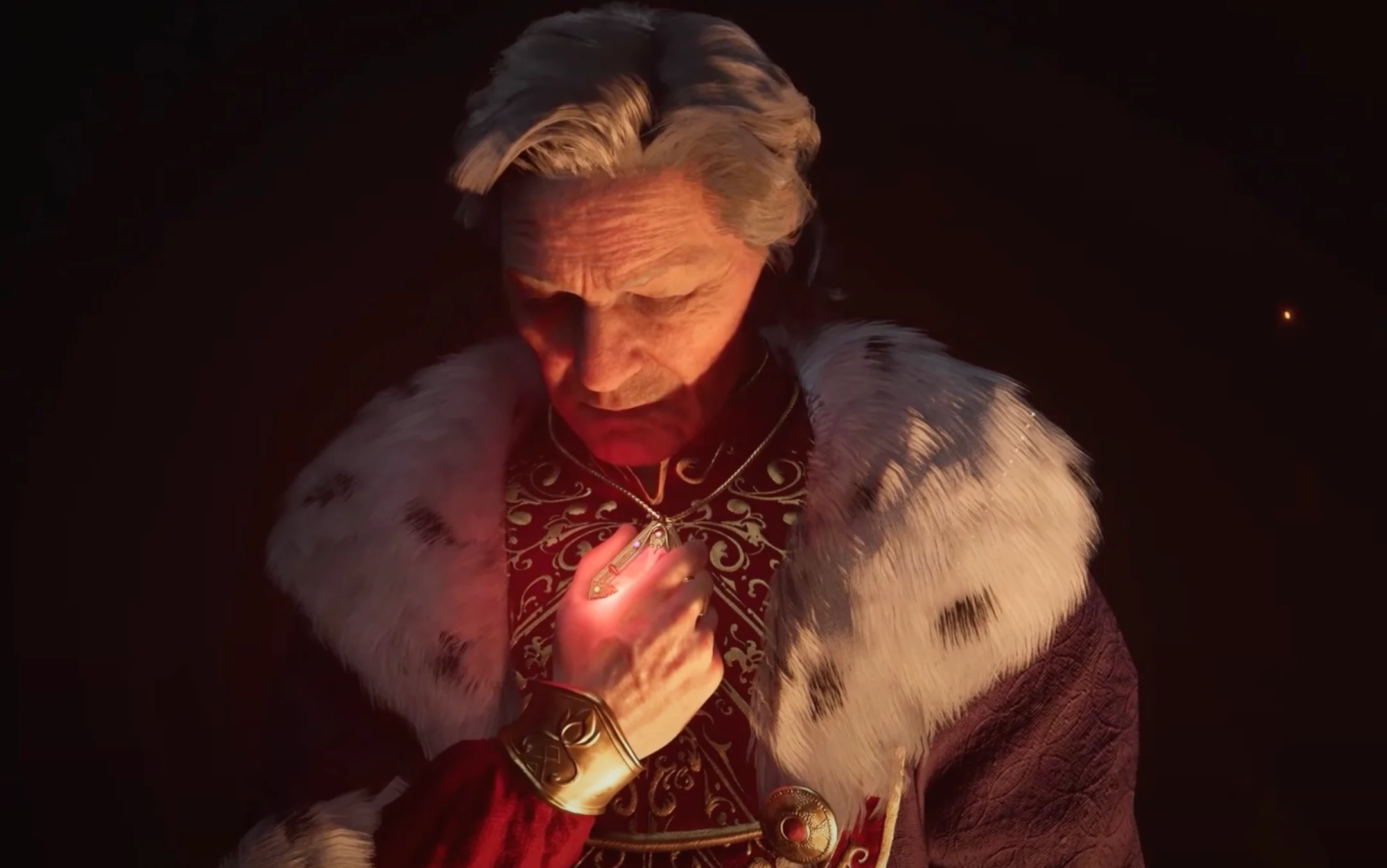
A screenshot from The Elder Scrolls VI: Oblivion Remastered – YouTube, Bethesda Softworks
This marks yet another shift in Bethesda’s broader trend toward rebranding legacy titles to reflect modern identity frameworks. It also places the studio in the crosshairs of an ongoing debate: should classic games be altered to fit modern social goals, or should they remain preserved as originally intended?
Players quickly noticed the change, prompting frustration across forums and social platforms. Modders wasted no time stepping in. One user, TulpaTownW, released a mod within 24 hours that restores “Male” and “Female” labels, replacing both the vague Oblivion Type 1/Type 2 terms and the overall “Body Types” heading. On the alternate mod site DEG Mods, the heading was reverted to “Sex.”
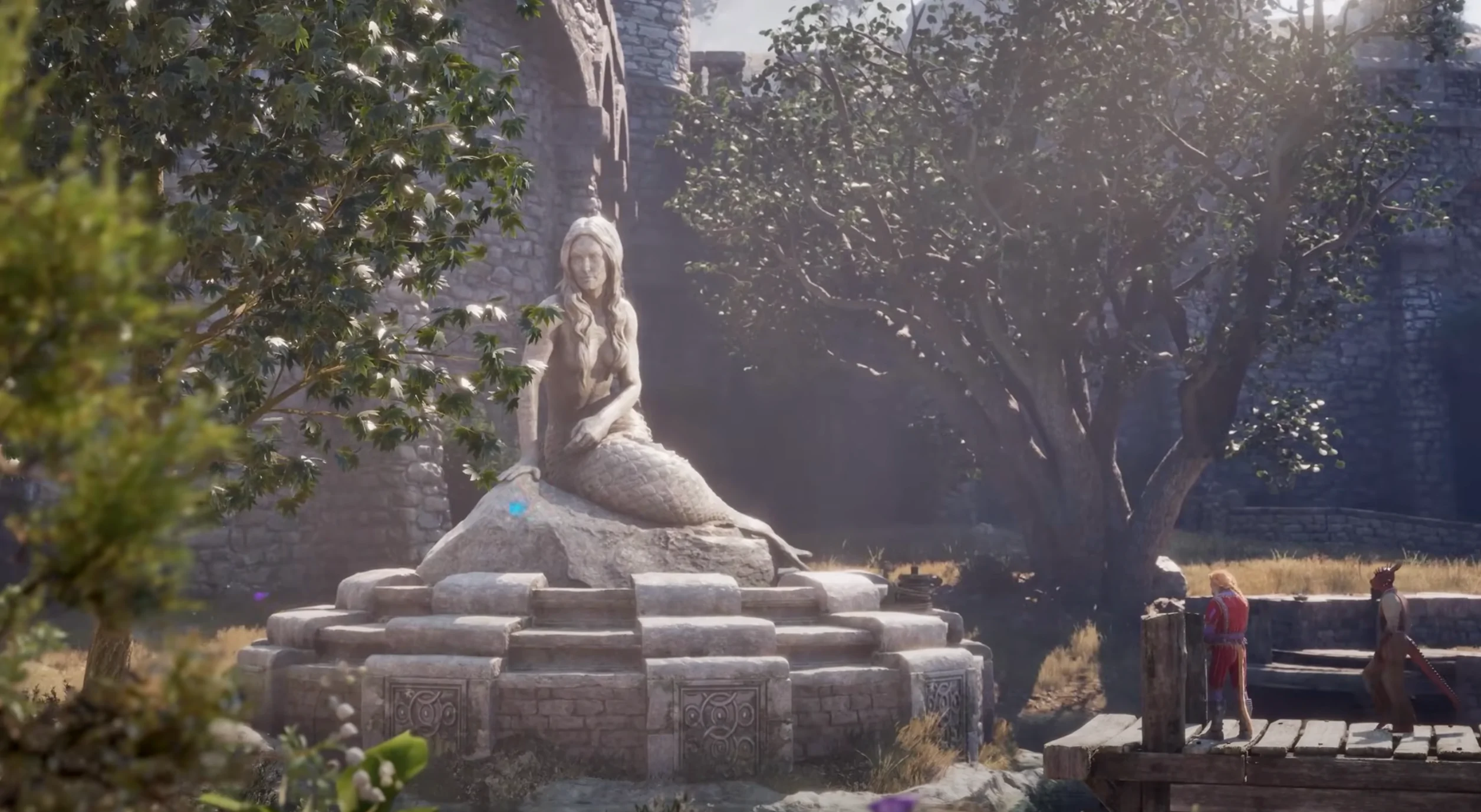
A screenshot from The Elder Scrolls VI: Oblivion Remastered – YouTube, Bethesda Softworks
According to posts on X, the mod was removed from Nexus Mods in under two hours. DEG Mods responded by reaffirming they would not remove it, reposting the mod with protections against takedown.
Meanwhile, CI Games Took the Opposite Approach—And Got Applauded
This is in stark contrast to what CI Games did with Lords of the Fallen.
During its “Players First” campaign, the studio polled fans directly on this exact issue: should character creation label choices as “body types” or stick to “male” and “female”? The community overwhelmingly favored traditional terminology. CI Games honored that vote, updated the game, and issued a statement thanking players for helping shape the experience.
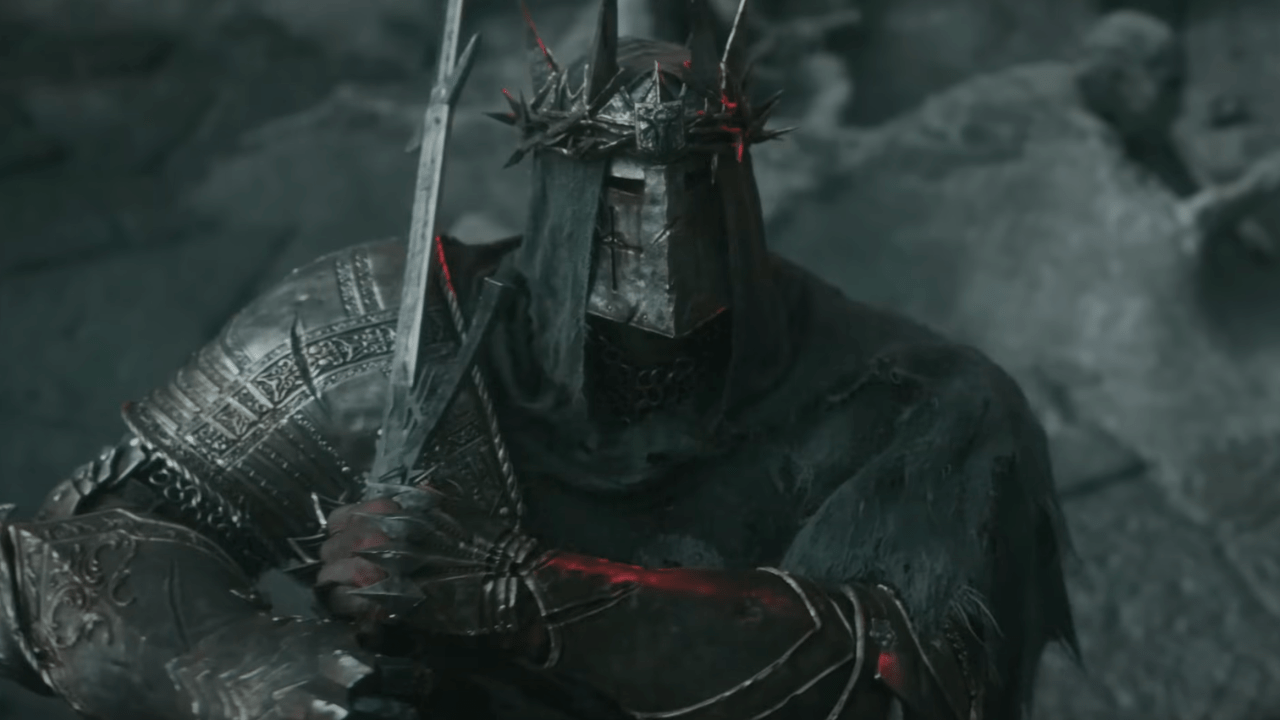
A screenshot from The Lords of The Fallen announcement trailer – YouTube, GameSpot
No drama. No backlash. Just respect for the audience.
That’s the difference between engaging your fanbase—and replacing them. It’s players first vs players last.
Microsoft’s Broader Influence?
Bethesda is a subsidiary of Microsoft, which has pushed aggressively into identity-focused gaming policy. In 2024, Xbox unveiled its Gaming For Everyone Product Inclusion Framework, a guide instructing developers on how to approach representation. It recommends using metrics like “inclusive content ratio” to ensure underrepresented groups are reflected throughout game content. The guide also urges studios to avoid assuming player identity and instead build systems that “authentically” reflect a broad range of possibilities.
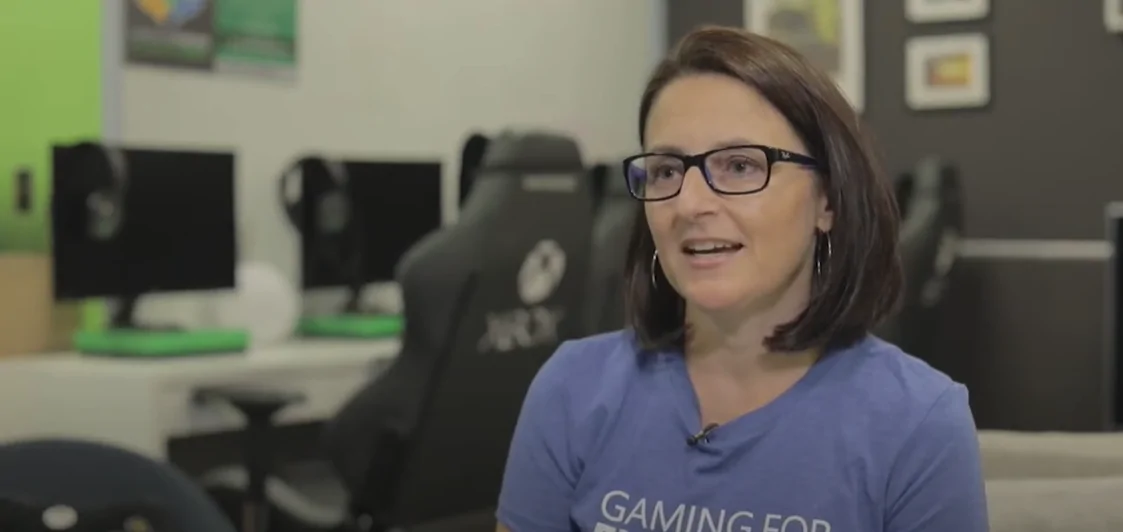
Katy Jo Wright via Girls Make Games YouTube
Xbox’s Head of Gaming For Everyone & Sustainability, Katy Jo Wright, made the position clear in a promotional interview.
“If you don’t intentionally include, you will unintentionally exclude,” she said. “There is no shame in that. If you want to include, you have to be intentional about that.”
For some developers, this may be a welcome guide. For others, it reads more like a DEI mandate. And for legacy games like Oblivion, it means fundamental features are being rewritten into modern buzz words like “body types” under the banner of inclusivity—even if no one asked for it.
A Pattern Emerging?
This isn’t the first time Bethesda has introduced identity-based changes to its fantasy worlds. In 2023, The Elder Scrolls Online introduced a new High Elf companion, Tanlorin, described using plural pronouns and voiced by drag performer Vico Ortiz.

An image of Tanlorin from The Elder Scrolls Online (2014), ZeniMax Online Studios
READ: Andor Season 2 Starts with Major Controversy as Many Star Wars Fans Object to Repulsing Scene
The game’s official account referred to Tanlorin as “brash and energetic,” noting that “Tanlorin finds themselves in a plot that could change the course of the Aldmeri Dominion.”
That change also prompted heated debate among players, but Bethesda has not backed away from its direction.
The Takeaway
What’s happening with Oblivion Remaster is more than a simple menu body types tweak, especially when compared to CI Games. It’s the collision of two competing philosophies: player-driven customization vs. publisher-imposed design language. One studio asks the audience what they want—another assumes it knows better.
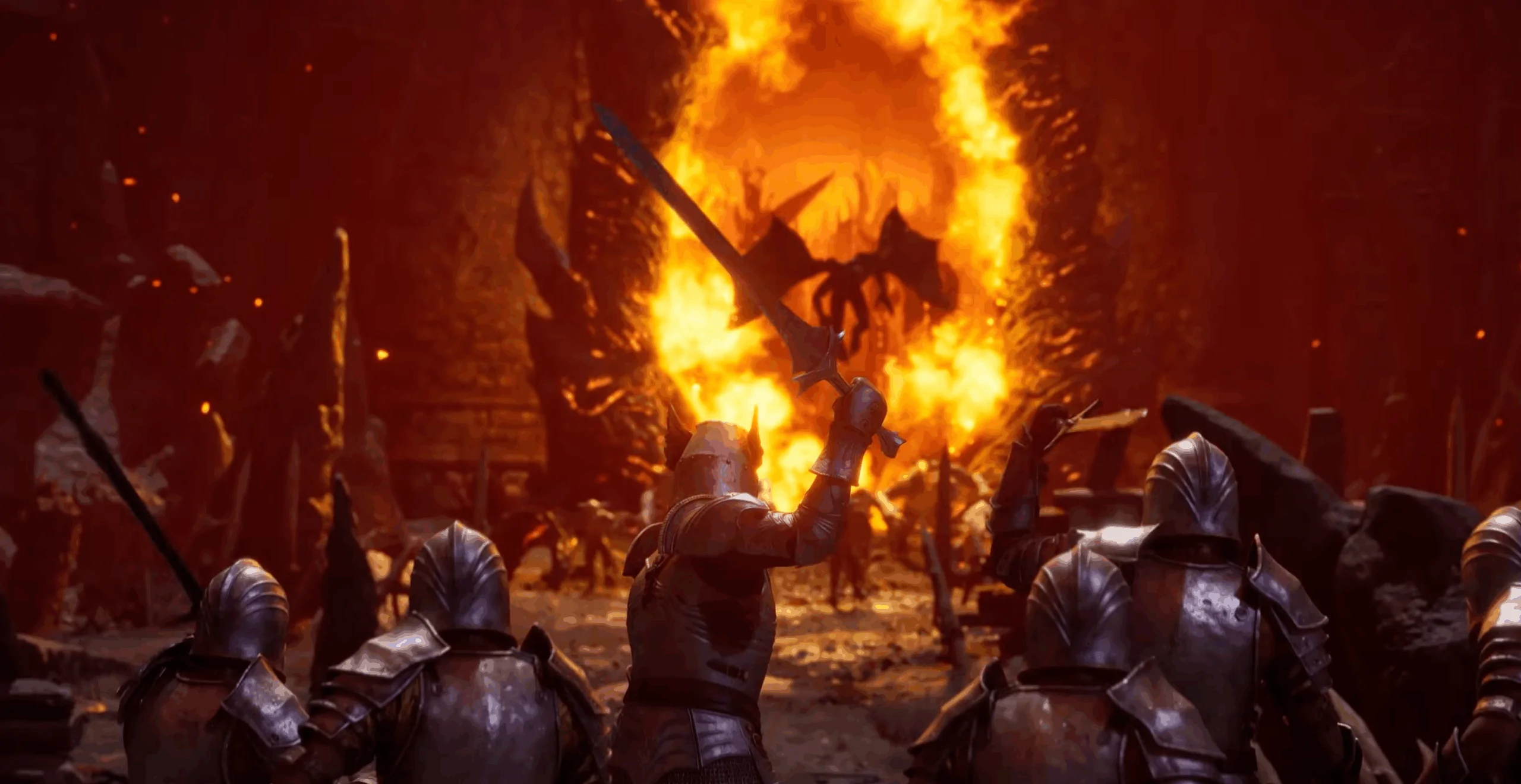
A screenshot from The Elder Scrolls VI: Oblivion Remastered – YouTube, Bethesda Softworks
Bethesda’s legacy was built on freedom. But the moment you start removing choices to promote ideological goals, you’re not adding freedom. You’re replacing it.
How do you feel about body types in Oblivion? Sound off in the comments below and let us know!
UP NEXT: Bill Owens Abruptly Departs 60 Minutes Amid Trump CBS Lawsuit and Internal Power Struggles
