


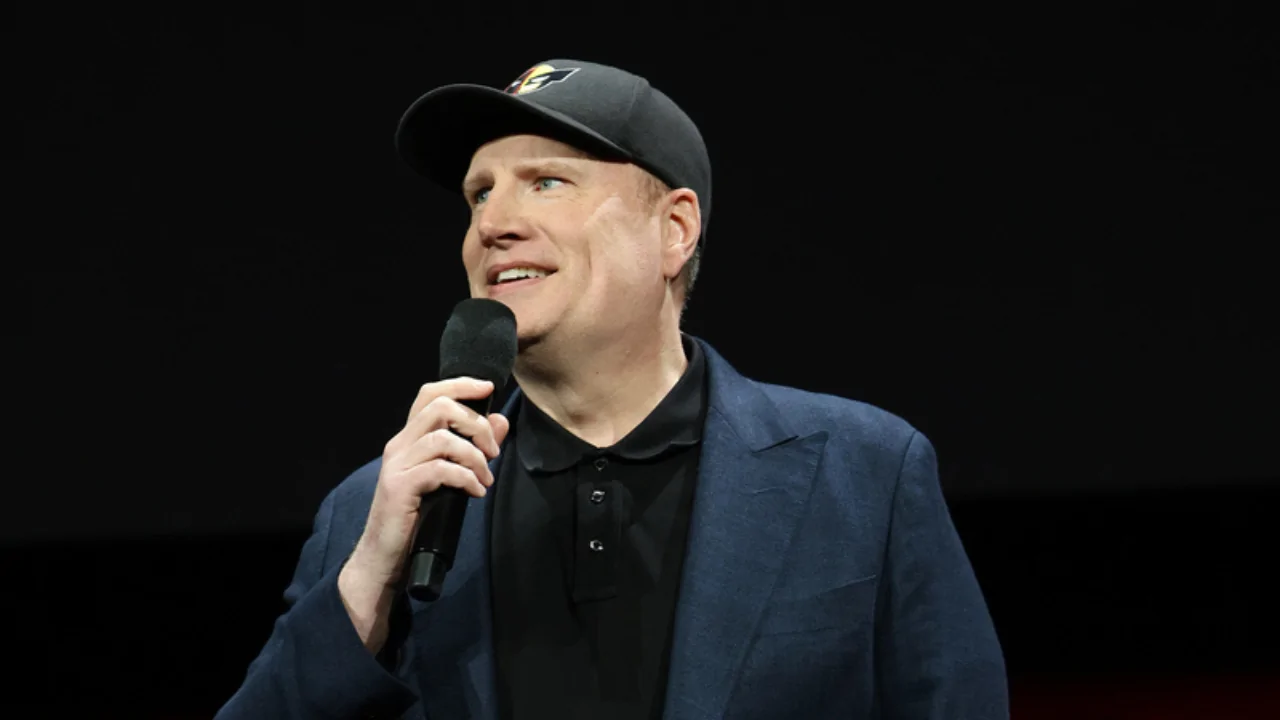
Kevin Feige, long hailed as the mastermind behind the Marvel Cinematic Universe, is now facing the harsh reality of a franchise in freefall. And instead of taking accountability, Feige is quietly trying to shift the blame anywhere he can—to Disney, to streaming, even to the fans. A new Wall Street Journal profile, conveniently dropped the same week Thunderbolts collapsed at the box office with a $76 million opening, reveals a series of revealing admissions and insider accounts that suggest the architect of the MCU is working overtime to distance himself from Marvel’s recent failures.

LOS ANGELES, CALIFORNIA – JUNE 23: (L-R) Taika Waititi and Kevin Feige, President of Marvel Studios attend the Thor: Love and Thunder World Premiere at the El Capitan Theatre in [Hollywood], California on June 23, 2022. (Photo by Alberto E. Rodriguez/Getty Images for Disney)
1. An “Excellent Corporate Citizen.”
Feige reportedly told colleagues he only agreed to the recent Marvel content overload because he wanted to support Disney’s streaming ambitions. As the Journal recounts: “Feige recently told colleagues he agreed to the plan because of a zealousness to tell more stories and a desire to be an ‘excellent corporate citizen.’”
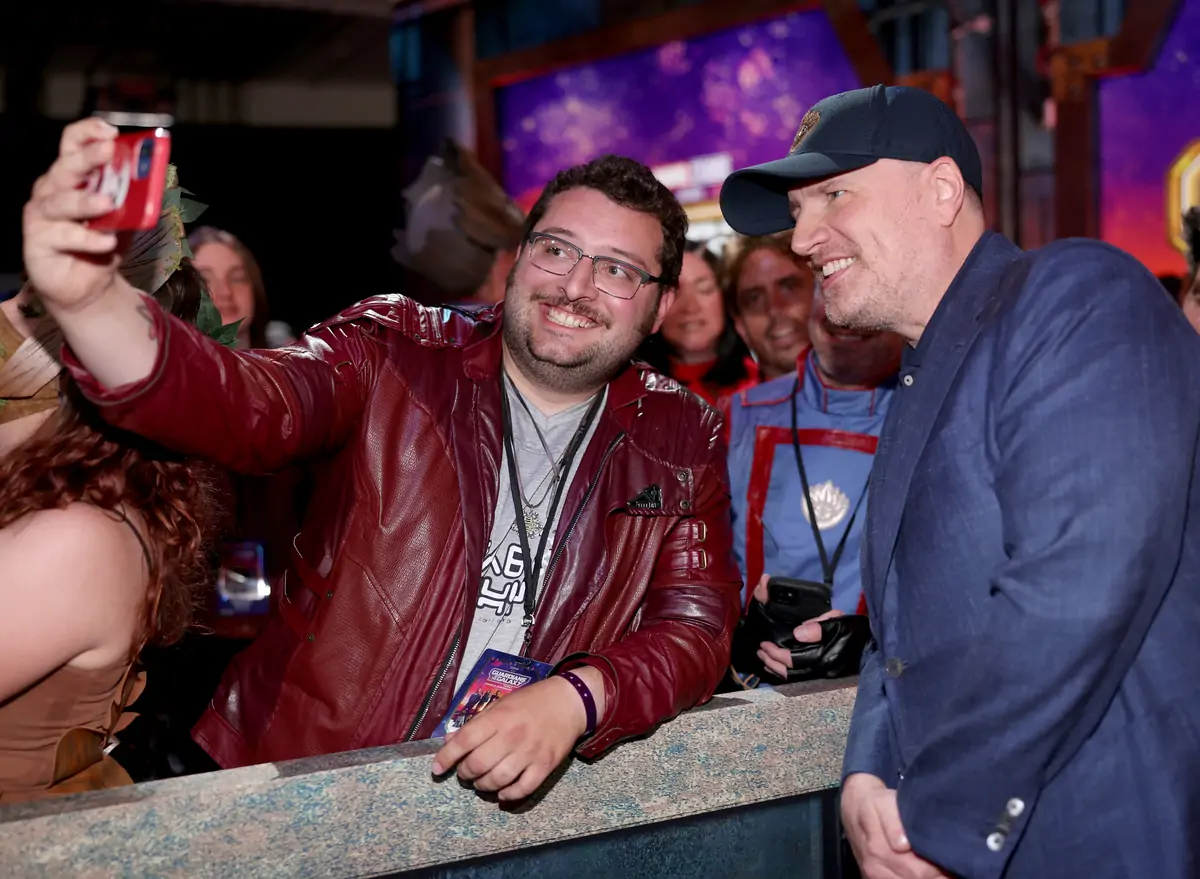
HOLLYWOOD, CALIFORNIA – APRIL 27: Marvel Studios President Kevin Feige (R) and guests attend the Guardians of the Galaxy Vol. 3 World Premiere at the Dolby Theatre in Hollywood, California on April 27, 2023. (Photo by Rich Polk/Getty Images for Disney)
This conveniently frames the MCU’s bloated output as a noble sacrifice to the Disney C-Suite rather than a miscalculation on the part of Feige. But it also raises the obvious question: Why didn’t the man in charge push back? Feige is not a powerless cog in Disney’s machine. He’s the single most powerful producer in Hollywood—and he had every chance to pump the brakes.
Instead, he embraced the flood of content and rubber-stamped shows like Secret Invasion and Ms. Marvel, which went on to tank with audiences.
2. The Homework Admission
Feige reportedly told insiders that even he found keeping up with all of Marvel’s content overwhelming. According to the Journal, the MCU boss admitted that “watching all the comic-book giant’s new TV shows and films had started to feel more like homework than entertainment.”

HOLLYWOOD, CALIFORNIA – JULY 25: Kevin Feige speaks during the ceremony honoring him with a Star on the Hollywood Walk of Fame in Hollywood, California on July 25, 2024 . (Photo by Charley Gallay/Getty Images for Disney)
This is a stunning admission. The man overseeing the entire operation claims even he couldn’t keep up. That speaks volumes about the disorganization and lack of vision plaguing Marvel. But rather than own that, Feige uses this comment to paint himself as just another victim of the content overload he orchestrated.
3. Overstretched, Overcommitted, and Under-Involved
The article quotes insiders who describe how Feige became so overwhelmed by the volume of decisions required that they would “chase him in the halls” to get feedback. Weeks of work would be discarded after last-minute changes from Feige, often with little time to implement fixes.
LAS VEGAS, NEVADA – APRIL 11: Kevin Feige, President, Marvel Studios speaks onstage during the Walt Disney Studios presentation at Cinemacon in Las Vegas, Nevada on April 11, 2024. (Photo by Jesse Grant/Getty Images for Disney)
“People who worked at Marvel in the early 2020s said it was challenging to secure enough time with Feige to get his feedback,” the article states. The implication? Marvel projects were failing because Feige couldn’t be everywhere at once. But again, this shifts the blame to logistics, not leadership. It ignores that Feige willingly let the MCU balloon to an unmanageable size.
4. “Marvel Fatigue” and Blaming the Audience
Feige has consistently leaned into the narrative of so-called “Marvel fatigue” to explain the franchise’s downturn and blame the fans. But this ignores the deeper issue: the content itself hasn’t been good. The article quotes one fan, Leslie Rodriguez, who said: “I loved it for so many years, but after all the TV shows and everything, it just started getting a little confusing and all over the place.”

LAS VEGAS, NEVADA – APRIL 11: Kevin Feige, President, Marvel Studios speaks onstage during the Walt Disney Studios presentation at Cinemacon in Las Vegas, Nevada on April 11, 2024. (Photo by Jesse Grant/Getty Images for Disney)
That’s not fatigue—that’s frustration. Feige’s strategy made the MCU inaccessible to casual viewers. Instead of creating entry points, the interconnected sprawl became a barrier to engagement. That’s not the audience’s fault.
5. When Things Fail, Feige Gets Involved
One of the more revealing details in the report is how Feige was largely absent from the production of The Marvels, only getting deeply involved after Quantumania bombed. The piece notes: “The filmmakers [of The Marvels] got little attention from the overstretched Feige. After Quantumania bombed, Feige became more involved, hoping to avoid a second faceplant in one year.”

(L-R): Iman Vellani as Ms. Marvel/Kamala Khan, Brie Larson as Captain Marvel/Carol Danvers, and Teyonah Parris as Captain Monica Rambeau in Marvel Studios’ THE MARVELS. Photo by Laura Radford. © 2023 MARVEL.
This sets up a convenient narrative: if a project fails, it’s because Feige wasn’t involved enough. If it succeeds, he gets the credit. It’s a no-lose situation for him—unless people start paying attention to how often he’s now trying to rewrite the record.
6. The RDJ “Hail Mary”
In a move that reeks of desperation, Feige has brought back Robert Downey Jr. to play Dr. Doom and retitled the next Avengers film Avengers: Doomsday. He’s also rehired the Russo Brothers to direct.
This move screams, “Please love us again.” But it’s also being framed as Feige’s bold new vision, not a retreat into nostalgia. The report states that Feige revealed Downey’s return at Comic-Con 2024 to thunderous applause—a moment designed to reclaim his mythos.
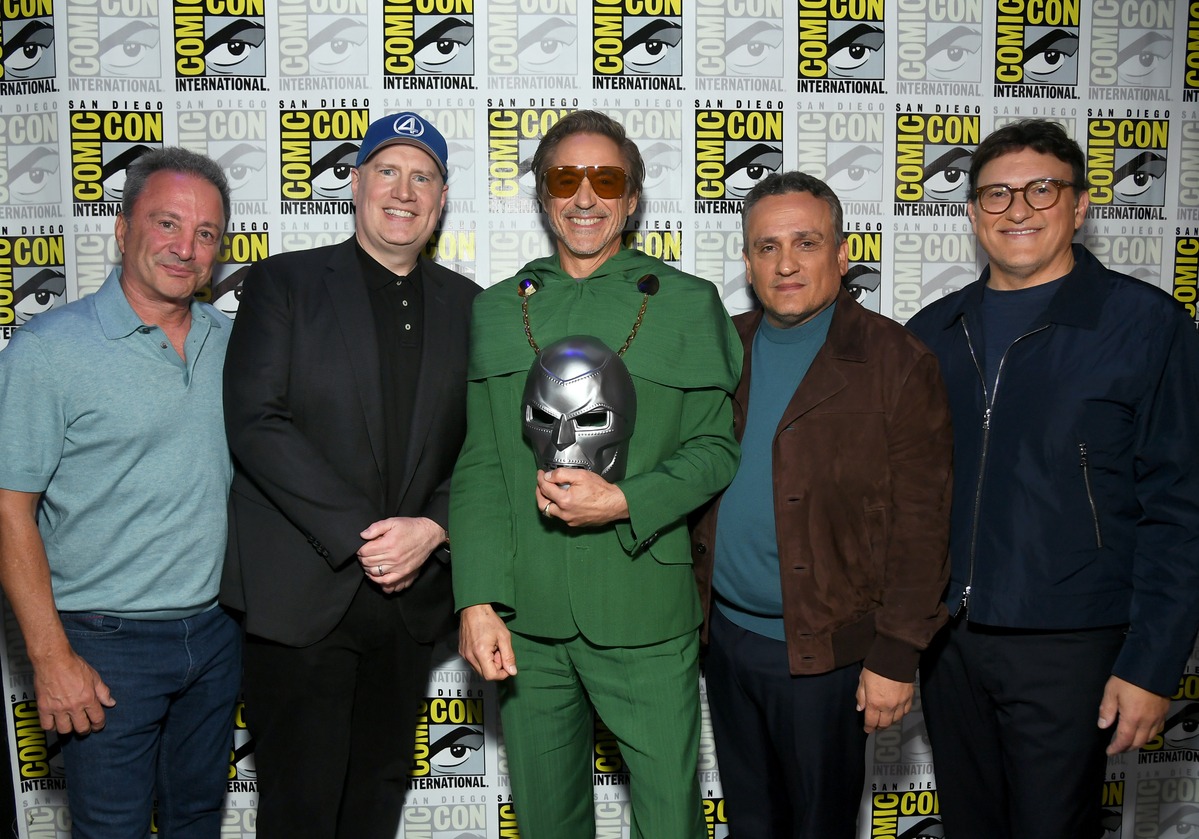
SAN DIEGO, CALIFORNIA – JULY 27: (L-R) Louis D’Esposito, Co-President, Marvel Studios, Kevin Feige, President, Marvel Studios, Robert Downey Jr., Joe Russo and Anthony Russo attend the Marvel Studios Panel in Hall H at SDCC in San Diego, California on July 27, 2024. (Photo by Alberto E. Rodriguez/Getty Images for Disney)
But the truth is clear: this is all part of a larger campaign to rescue Feige’s legacy from the very missteps he helped engineer. And with Thunderbolts opening to just $76 million despite “largely positive” reviews, the clock is ticking.
If Doomsday flops too, who will Feige blame next?
Do you think Feige is trying to shift the blame for his failures? Sound off in the comments and let us know your thoughts!
UP NEXT: Trump Slaps 100% Tariffs on Foreign-Made Hollywood Films in Push to Bring Film Industry Back Home
