


In a dramatic move that signals the beginning of the end for legacy cable conglomerates, Warner Bros Discovery (WBD) has announced plans to split into two separate publicly traded companies by mid-2026. The announcement, made Monday morning, marks a stunning reversal for a company once seen as a symbol of media empire consolidation.
Under the restructuring, WBD will separate into a Streaming and Studios company, led by current CEO David Zaslav, and a Global Networks company, which will be headed by current CFO Gunnar Wiedenfels. The streaming and studios arm will house Warner Bros. Pictures, Warner Bros. Television, DC Studios, HBO, and the Max streaming platform. Meanwhile, the global networks business will retain cable-focused assets including CNN, TNT Sports, Discovery Channel, TBS, and other linear networks.
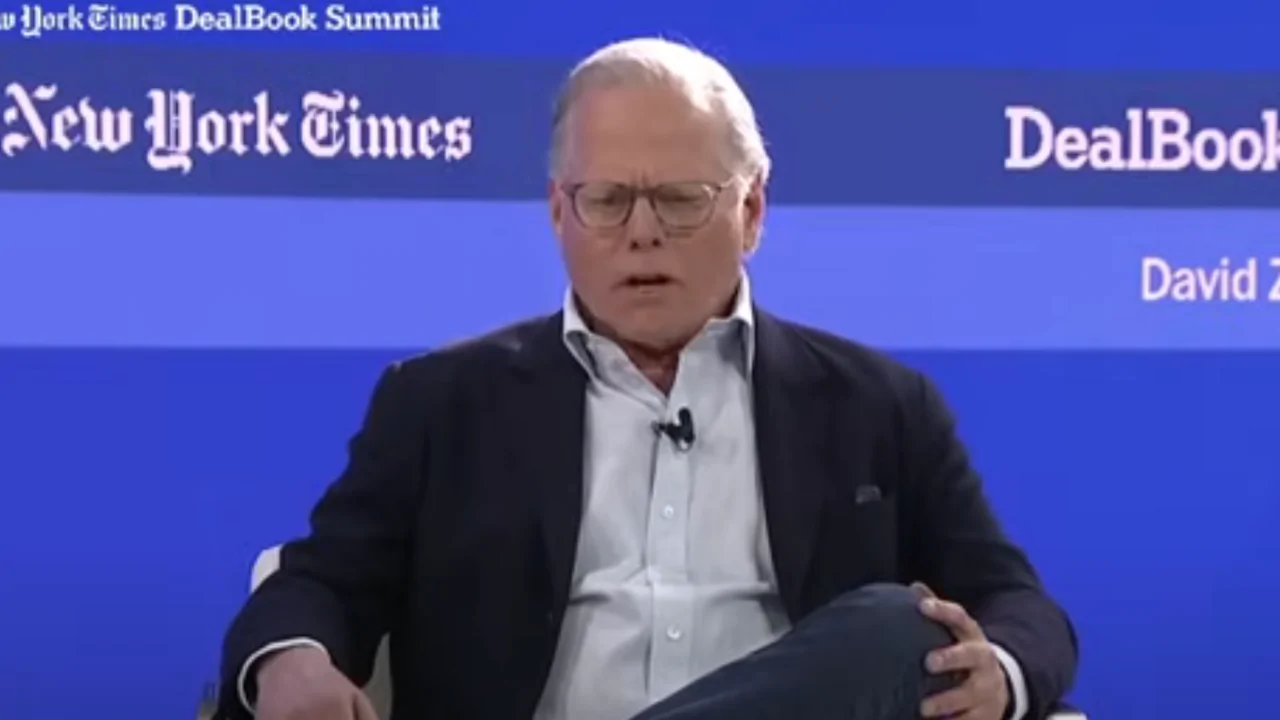
WBD CEO David Zaslav Speaks at a New York Times event – YouTube, New York Times Events
READ: Walton Goggins Reportedly In Talks to Join Legendary’s Street Fighter as M. Bison
Zaslav called the move a strategic pivot.
“By operating as two distinct and optimized companies in the future, we are empowering these iconic brands with the sharper focus and strategic flexibility they need to compete most effectively in today’s evolving media landscape,” he said in a press release.
But behind the corporate spin lies a much harsher reality. Warner Bros Discovery is drowning in debt, stuck between a crumbling cable model and an unforgiving streaming market. This breakup may be its last, best hope to survive.
A House Built on a Fault Line
Warner Bros Discovery was formed in 2022 when AT&T spun off WarnerMedia and merged it with Discovery Inc. in a $43 billion deal. The merger was billed as the birth of a new entertainment giant, uniting prestige content with reality TV, sports, and global news brands.
What followed was a mess.
The WB logo before a Looney Tunes cartoon – YouTube, Public Domain Remastered
In the years since, WBD has struggled to reduce debt, grow its streaming base, and navigate a collapsing cable ecosystem. As of its most recent earnings report, the company carries over $38 billion in gross debt, with net debt hovering around $34 billion. That burden has been a persistent drag on the stock and on operations, despite aggressive cost-cutting.
Then came the ratings downgrade.

Daffy Duck and Porky Pig in the Looney Tunes movie The Day The Earth Blew Up – YouTube, WB Kids
In May, S&P Global cut WBD’s credit rating to junk status, citing concerns over declining revenues, high leverage, and the company’s exposure to a shrinking pay-TV landscape. According to S&P’s report, WBD’s leverage is expected to stay above 4.3x EBITDA through the end of the year, far beyond the 3.5x limit for investment-grade credit. The downgrade increased borrowing costs and served as a public red flag to shareholders and partners alike.
This backdrop helps explain why WBD is now taking a sledgehammer to its own empire.
The Real Strategy Behind the WBD Split
Though pitched as a move for “focus,” the real purpose of the split is to isolate the profitable—or potentially profitable—parts of the company from its more toxic assets.
In short: protect the crown jewels, dump the dead weight.
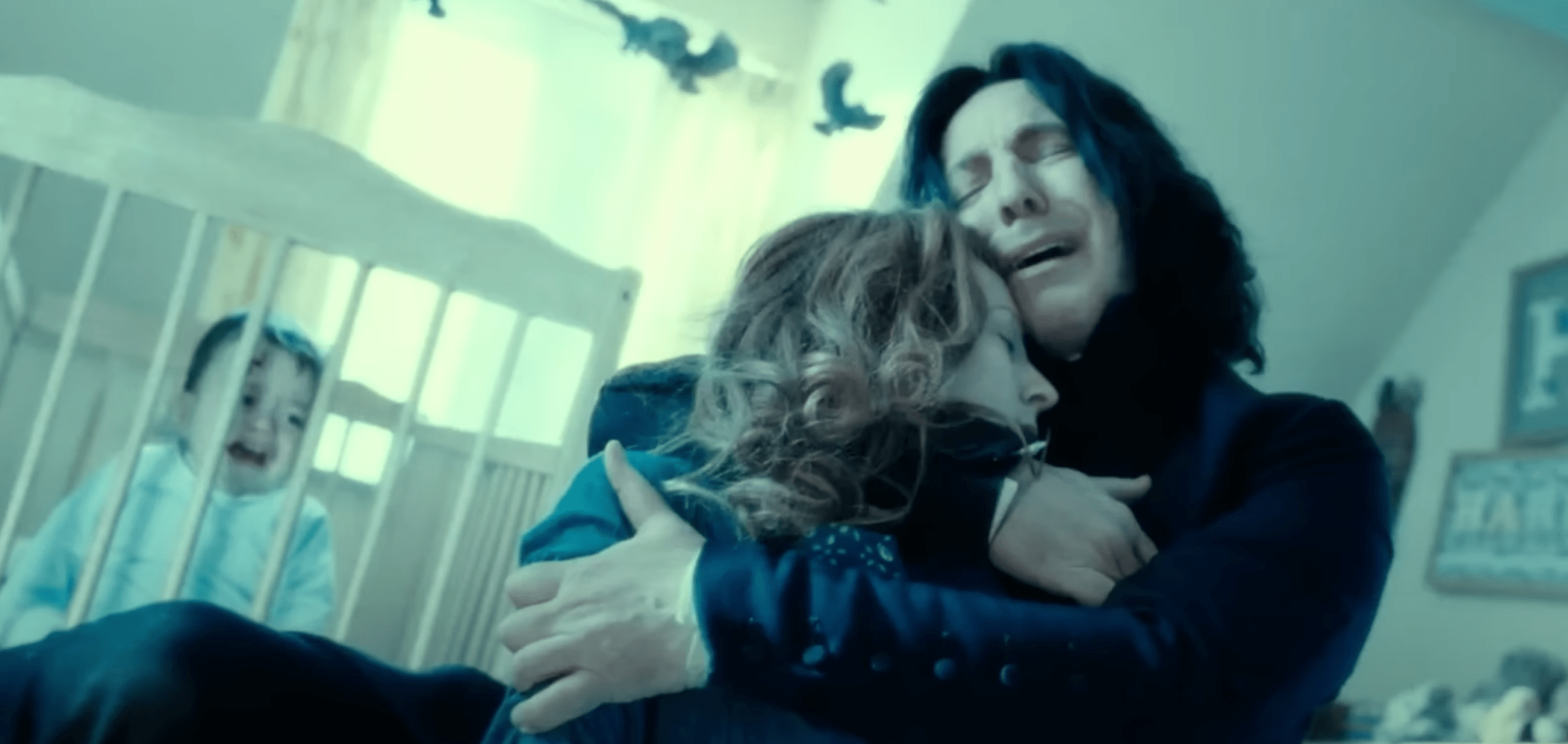
Severus Snape holds the body of Lilly Potter as baby Harry Potter looks on – YouTube, MovieClips
The Streaming and Studios company will include the Warner Bros. film division, HBO, HBO Max, and major franchise IP like Harry Potter, DC, and Dune. This is the segment that Zaslav wants to sell to investors as a lean, IP-driven entertainment powerhouse, capable of taking on Netflix, Disney, and Amazon.
But it still has major challenges. Max (soon to be re-re-branded as HBO Max) remains a distant fourth in the streaming race, and recent box office misfires have raised questions about the viability of the company’s franchise slate.
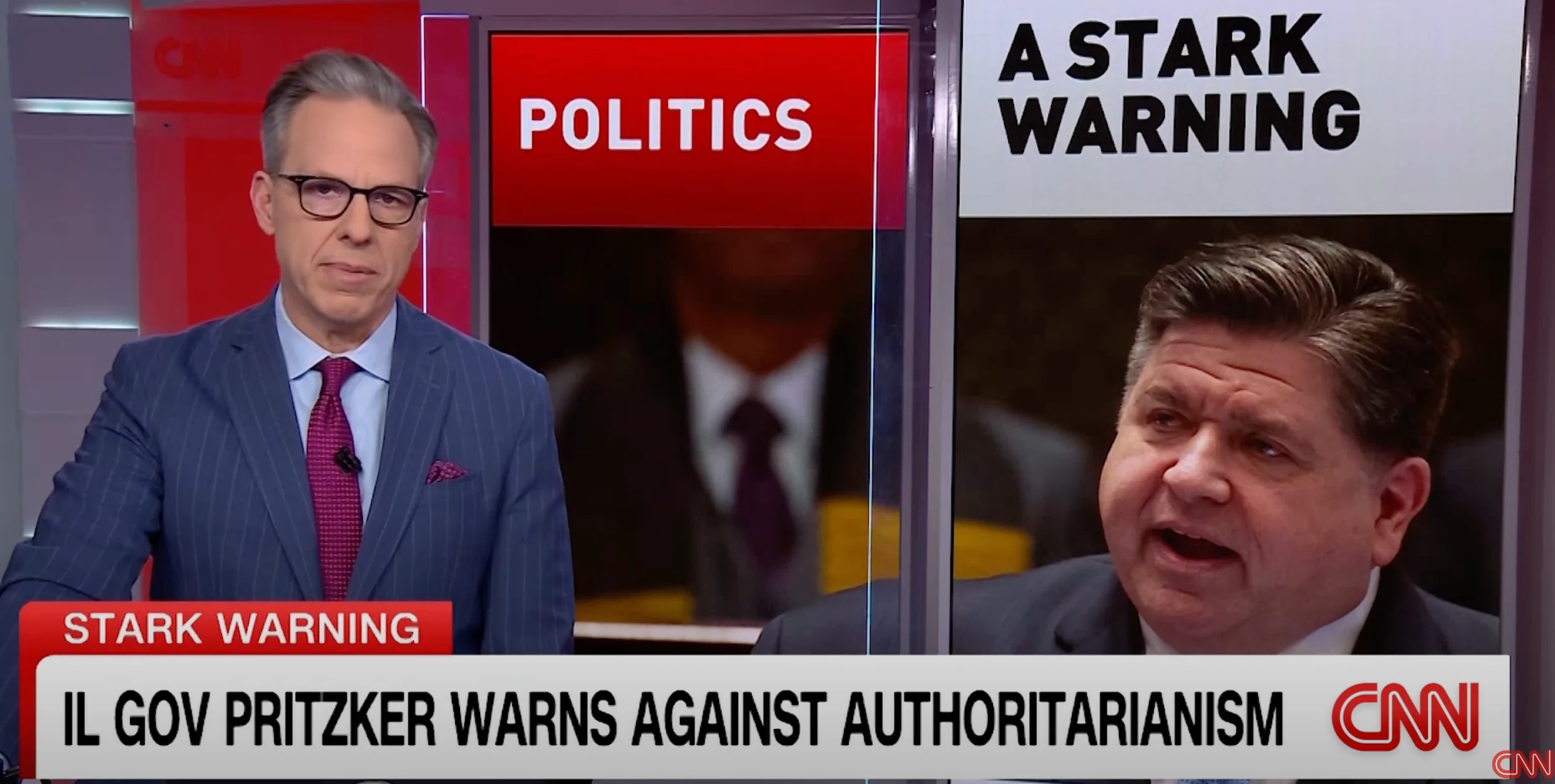
A screenshot from CNN – YouTube, CNN
Meanwhile, the Global Networks unit will take on the legacy cable brands—CNN, TNT, TBS, and Discovery—which have seen sharp revenue declines in recent years due to cord-cutting and dwindling ad dollars. TNT Sports and CNN, in particular, have been costly and underperforming. CNN has faced several leadership shakeups and slumping ratings, while sports rights fees continue to rise as viewership falls.
By placing these assets in a separate entity, WBD is effectively walling off the liabilities. The new Global Networks company may face further cost-cutting, consolidation, or even eventual liquidation of certain channels. Zaslav’s decision to leave those operations behind speaks volumes.
What The WBD Split Means for Shareholders and the Industry
The market responded quickly to the news. Warner Bros Discovery stock jumped more than 9% in early trading Monday, as investors applauded what they see as a value-unlocking move. By splitting the company, WBD can potentially allow the more promising half (streaming and studios) to shine on its own without being dragged down by the hemorrhaging cable business.
But that’s a short-term gain. Long-term, both new companies will face an uphill battle.
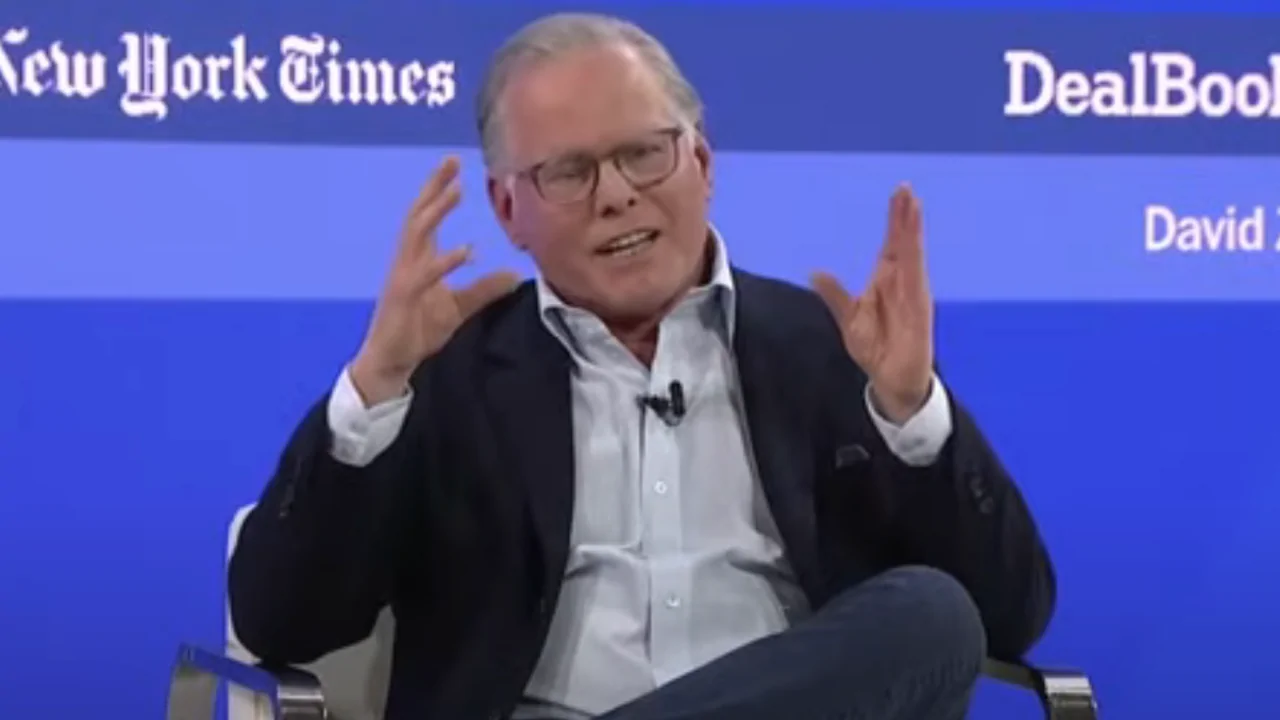
WBD CEO David Zaslav Speaks at a New York Times event – YouTube, New York Times Events
The streaming business, while no longer saddled with CNN or Discovery, still must contend with stiff competition, high content costs, and consumer fatigue. Profitability remains elusive, and WBD has already slashed content spending and canceled projects in an attempt to rein in costs. There’s limited room to maneuver unless Max dramatically expands its subscriber base or the studio hits a string of box office wins.
The cable business, now relegated to the Global Networks unit, may be living on borrowed time. With linear TV viewership in freefall and affiliate fees declining, this segment could become a target for asset sales or aggressive restructuring. CNN, once a tentpole of WarnerMedia, is now little more than an albatross—financially and reputationally.
The End of the Legacy Media Dream
For years, legacy media companies chased vertical integration—owning everything from the content to the delivery system. The WarnerMedia–Discovery merger was supposed to be the ultimate expression of that strategy. Instead, it has become a cautionary tale.
Today’s WBD split is an admission that the model no longer works. Cable isn’t coming back. Streaming hasn’t replaced the lost revenue. And no amount of mergers can change the fact that debt, disruption, and disinterest have upended the old guard.
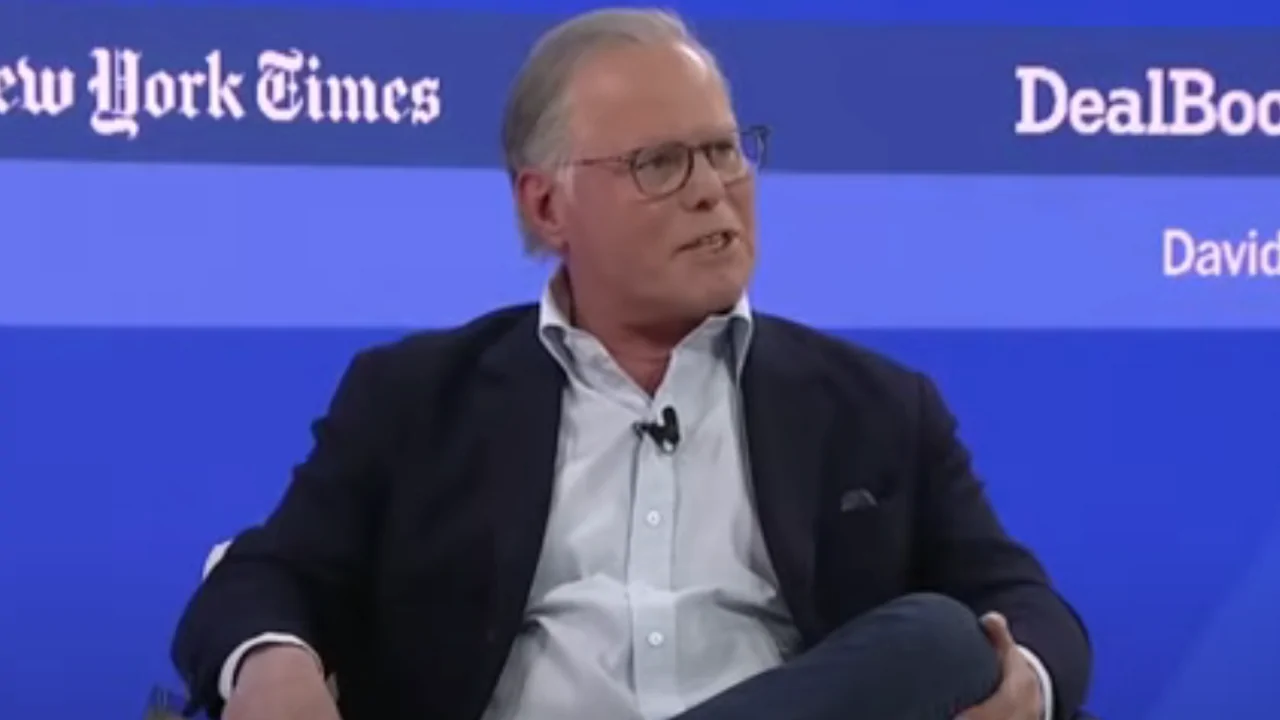
WBD CEO David Zaslav Speaks at a New York Times event – YouTube, New York Times Events
David Zaslav is doing what many in his position wouldn’t: cutting his losses before they cut him. Whether this breakup leads to a leaner, more competitive media company or a drawn-out unraveling remains to be seen.
But one thing is clear: Warner Bros Discovery, as we knew it, is finished.
How do you feel about the WBD split? Sound of in the comments and let us know!
UP NEXT: Sweet Baby Inc. Detected in Wu-Tang: Rise of the Deceiver Video Game
