



Epic Universe may already be shifting the gravitational center of Orlando tourism away from Walt Disney World. With billions of dollars on the line and attendance projections raising eyebrows, experts believe Universal Orlando Resort’s massive new park is triggering a long-term attendance crisis for the Mouse House—and numbers support that view.

Cinderella Castle in Walt Disney World at Magic Kingdom during a clear Orlando day – Photo Credit: M. Montanaro
Universal’s parent company Comcast has spent over $10 billion developing Epic Universe and enhancing its global theme park footprint between 2018 and 2024. Epic alone, with its five immersive themed lands including Celestial Park, Dark Universe, Super Nintendo World, Wizarding World of Harry Potter, and How to Train Your Dragon: Isle of Berk, is expected to increase Universal Orlando Resort’s annual attendance by 10 million guests—a stunning 50% boost from current levels.
Now, compare that with Disney.
The Walt Disney Company has pledged $60 billion in capital spending over the next decade for its Parks, Experiences, and Products division. But as of now, none of that staggering investment appears to be driving substantial near-term growth in Orlando. In fact, Disney World attendance is projected to remain flat between 2024 and 2026—a plateau that starkly contrasts with Universal’s trajectory.
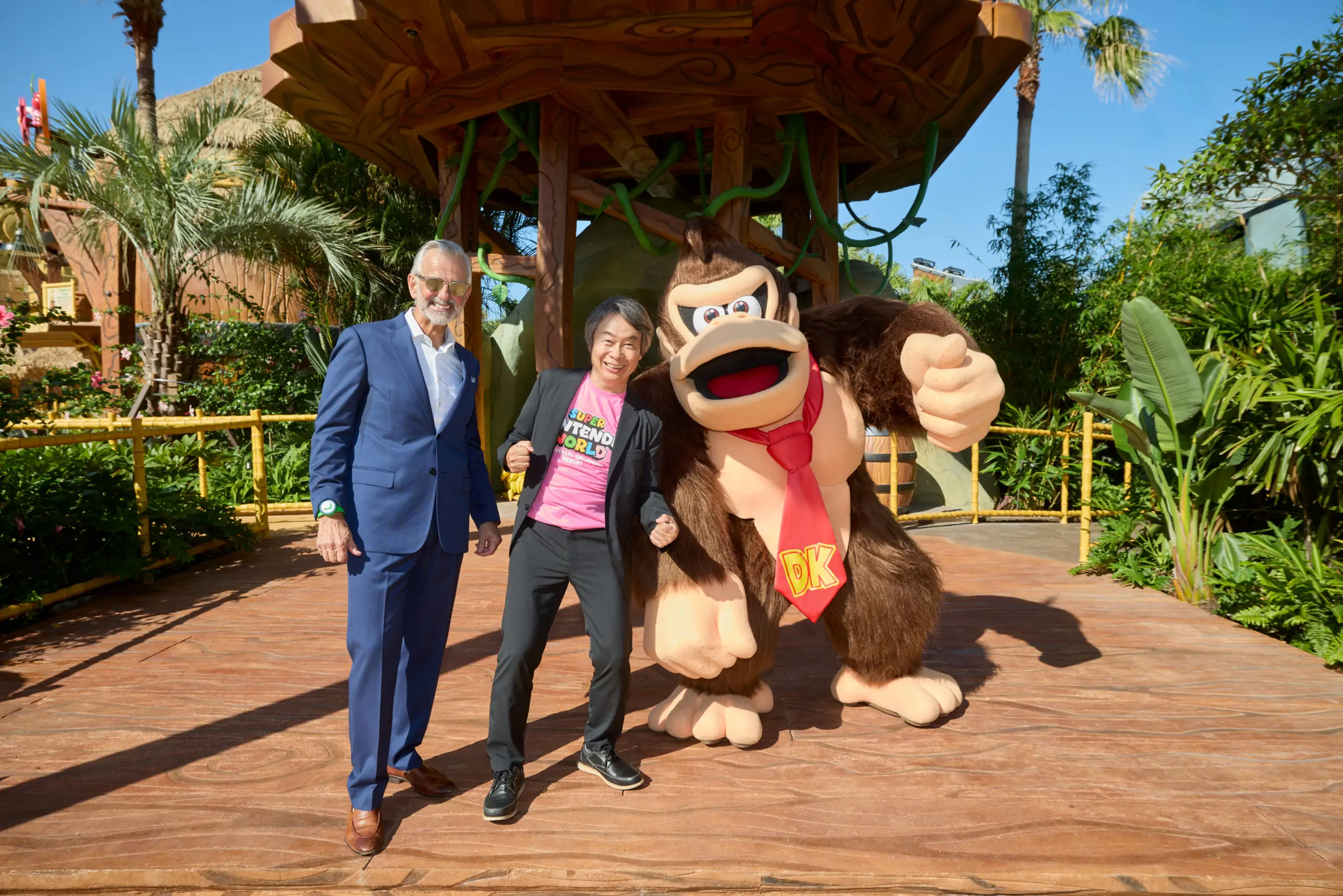
Universal Experiences CEO Mark Woodbury and Mario/Donkey Kong Creator Shigeru Miyamoto in Super Nintendo World at Epic Universe – Photo Credit: NBC Universal
According to a May research note from MoffettNathanson, Epic Universe alone is projected to bring in 5.2 million guests in 2025, its debut year, and climb to 9.2 million in 2026. Universal’s other Orlando parks—Universal Studios Florida, Islands of Adventure, and Volcano Bay—are expected to bring in 18.9 million guests in 2025 and 18.4 million in 2026, resulting in a total Universal Orlando attendance of 24.1 million in 2025 and 27.6 million in 2026.
By comparison, Disney World is projected to hold steady at 54.9 million guests per year during that same period across its four theme parks and two water parks.
So while Disney still leads in total attendance, it’s not growing—and that’s the real story. Universal is surging, adding millions of new visitors thanks to a single new gate, while Disney’s massive $60 billion investment has yet to move the needle. With no comparable expansion on Disney’s horizon, the momentum is shifting fast—and it’s shifting toward Universal.

The butterbeer crepe at The Wizarding World of Harry Potter at Epic Universe – Photo Credit: Marvin Montanaro
Even more telling, analysts expect Universal’s other parks in Orlando to see only a modest decline in attendance as Epic Universe opens, indicating that this is not just shuffling the same visitors—it’s capturing new ones, potentially at Disney’s expense.
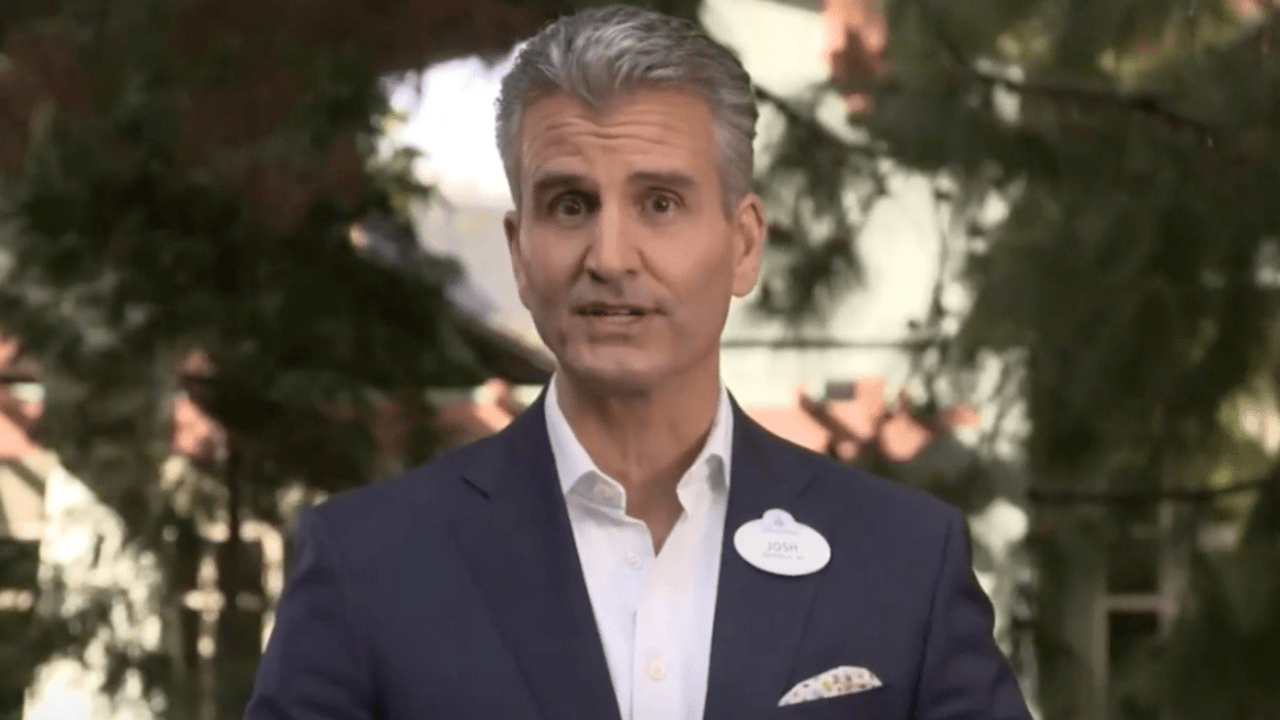
Josh D’Amaro in the welcome video for Disney Parks – YouTube, Wish Upon a Mouse
Despite these figures, Disney Parks Chairman Josh D’Amaro has publicly brushed off the threat of Epic Universe. Speaking earlier this year, D’Amaro claimed that the opening of Universal’s new park could actually benefit Disney, saying, “If something is built new in Central Florida, like Epic Universe, that tourist is going to have to visit the Magic Kingdom.”
But the data doesn’t back up his confidence. While D’Amaro remains optimistic, industry watchers are far more skeptical. Professor Carissa Baker, a theme park researcher at the University of Central Florida, noted that new gate openings often result in some cannibalization across existing parks—but Epic’s appeal is strong enough that it may be reshaping tourist itineraries altogether.

The portal to How to Train Your Dragon: Isle of Berk at Universal’s Epic Universe theme park – Photo Credit: Marvin Montanaro
Baker herself has visited Epic Universe seven times already, and points to the overwhelming popularity of Super Nintendo World as a key differentiator.
“Every time I’ve been there, it’s been quite crowded,” she told Fast Company. “People are just covered in Nintendo merchandise.”
It’s not just about crowd size—it’s about demographics. MoffettNathanson’s analysis highlights that Epic’s IP-based lands are now directly competing for the same families Disney once had a near-monopoly on. Nintendo and How to Train Your Dragon both have deep roots in childhood nostalgia and current youth engagement—territory Disney has historically dominated. Comcast’s moves make it clear: they want those families.
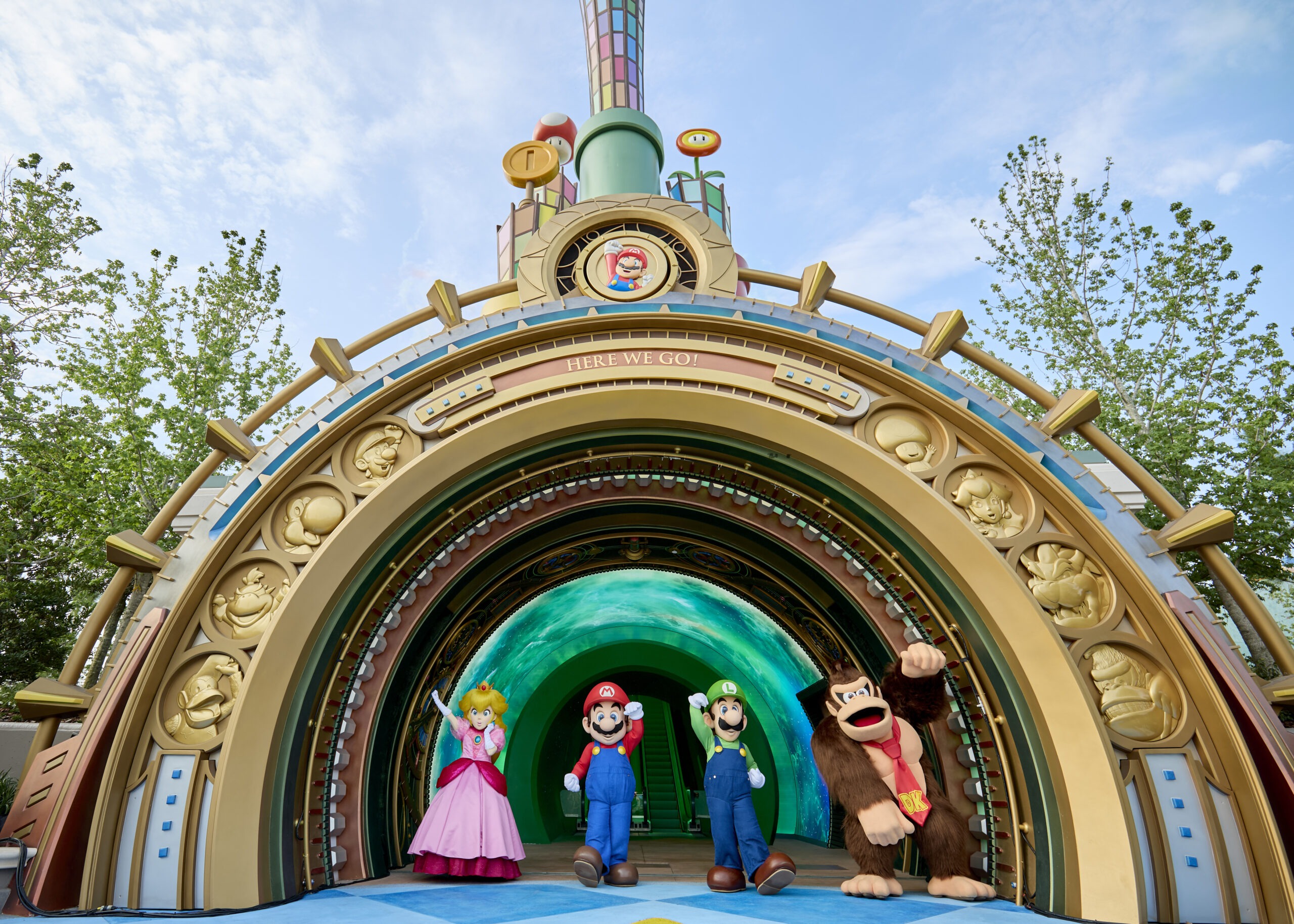
Mario Characters at the entrance to Super Nintendo World in Epic Universe at Universal Orlando – Photo Credit: NBC Universal
So while Disney prepares to spend $60 billion over the next decade, the question remains—is that enough to turn the tide? There are no new gates currently in development for Walt Disney World. Aside from relatively small additions and rethemes like the upcoming Cars, Monsters Inc., and Encanto areas (most of which have caused guest ire as they’re replacing beloved attractions and areas), there’s no announced project on the scale of Epic Universe.
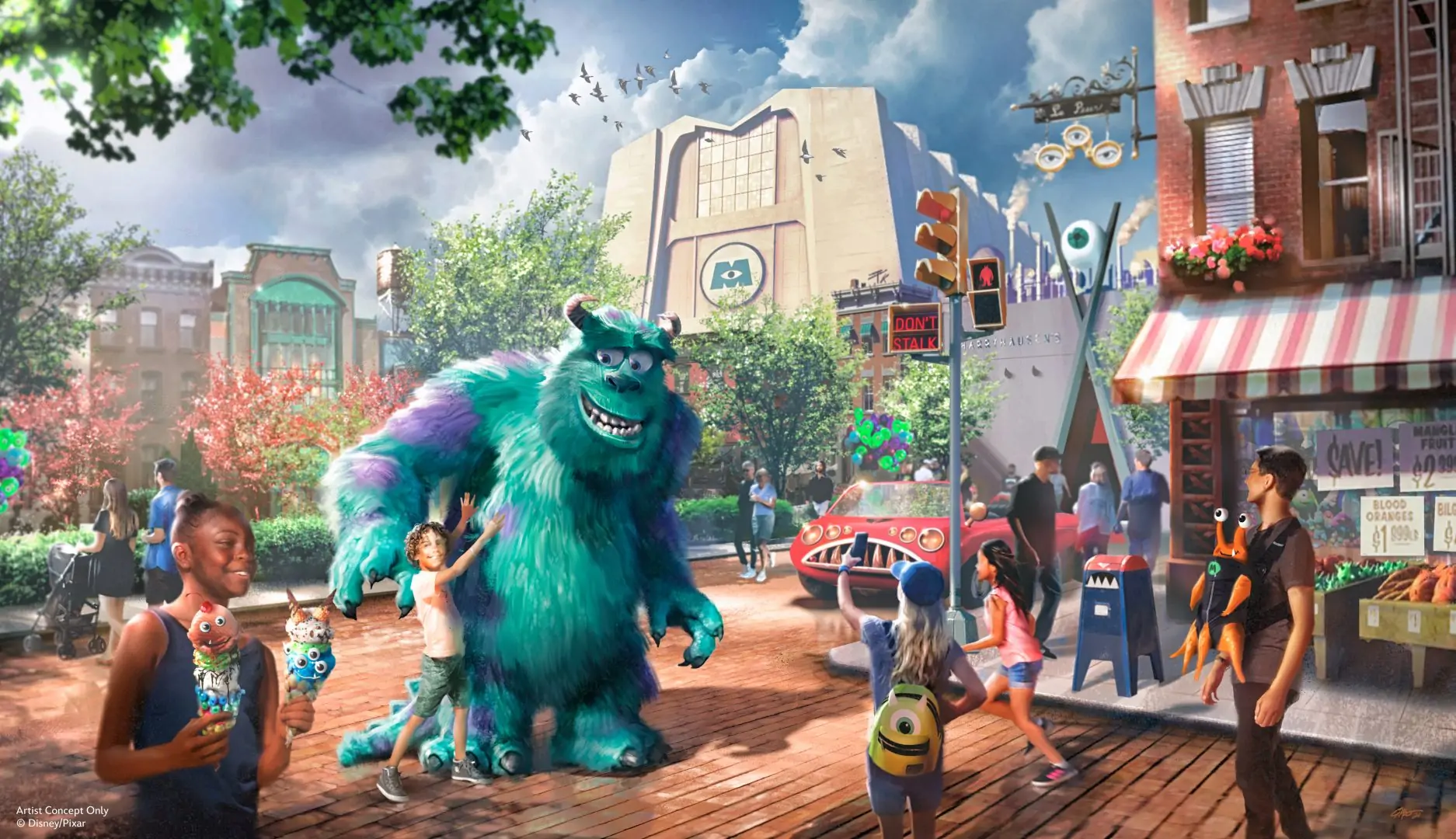
Concept art for Monsters Inc. Land via Disney Parks Blog
That disconnect has observers concerned that Disney’s strategy is not only reactive, but insufficient. The Orlando market is changing rapidly, and for the first time in decades, Disney World’s crown as the region’s main attraction may be slipping.
Epic Universe is not just a new park. It’s a bold declaration of intent—one that’s already drawing millions, rattling forecasts, and forcing Disney into a fight it may not be ready for.
Do you think Epic Universe is destroying Disney World attendance? Sound off in the comments and let us know!
