



In a groundbreaking move that could reshape the landscape of sports broadcasting, Disney-owned ESPN has reached a massive agreement with the National Football League (NFL) to acquire key media assets, including the popular NFL RedZone channel and NFL Network, in exchange for granting the league an equity stake in ESPN potentially worth billions of dollars.
The deal, first reported by The Athletic and confirmed by multiple sources, demonstrates the evolving dynamics between sports leagues and media giants amid shifting viewer habits and the rise of streaming services.
The Core of the Agreement
Under the terms of the pact, ESPN will gain control over several prized NFL media properties.

A clip from the NFL on YouTube – YouTube, NFL
This includes:
- NFL RedZone: The whip-around channel that provides live look-ins at scoring opportunities across Sunday afternoon games, hosted by Scott Hanson. This asset is particularly valuable for fantasy football enthusiasts and fans seeking non-stop action without switching channels.
- NFL Network: Launched in 2003, this dedicated channel offers year-round NFL coverage, including live games, analysis, and original programming. ESPN plans to enhance its content, potentially integrating shared talent similar to its successful SEC Network model.
- Fantasy Football Business: Rights to the NFL’s official fantasy platforms, allowing ESPN to expand its already robust fantasy offerings.
Additional Games: Seven more regular-season games per year, bringing ESPN’s total to 25, including its flagship “Monday Night Football” package. - Other Assets: Potential for special features like betting integrations and further media rights, though specifics remain under wraps.
In return, the NFL will reportedly receive up to a 10% equity stake in ESPN, a move that aligns the league’s interests with the network’s long-term success rather than a straightforward cash transaction.
This equity swap allows the NFL to divest from underperforming media operations while gaining a foothold in ESPN’s growing digital ecosystem. The deal’s value is estimated in the billions, reflecting ESPN’s current annual payments to the NFL of approximately $2.7 billion for existing rights, which include two Super Bowls in 2027 and 2031.

A clip from the NFL on YouTube – YouTube, NFL
An official announcement is anticipated next week, possibly timed with Disney’s earnings call on Wednesday. However, the agreement still requires regulatory approval, which could take nine months to a year.
Background and Negotiations
Talks between the NFL and ESPN have been ongoing for about four years, culminating in this complex arrangement. The NFL has long sought to offload its media assets, as NFL Network never fully realized its potential as a rival to ESPN despite early promise.
Meanwhile, ESPN has been grappling with cord-cutting trends. Its cable subscriber base has plummeted from over 100 million households in 2011 to about 65.3 million by late 2024.
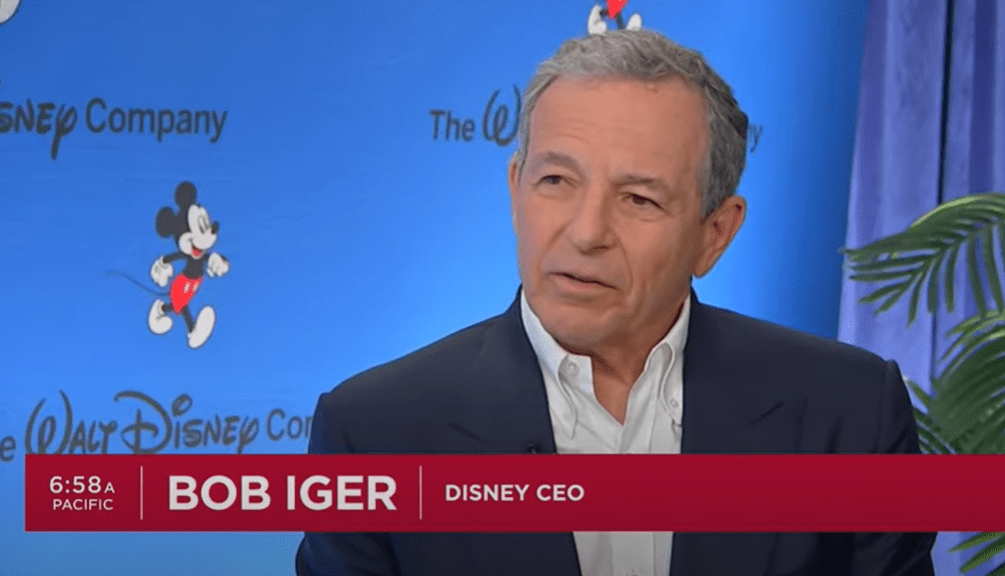
Bob Iger via CNBC Television YouTube
This deal comes at a pivotal moment for ESPN, which is launching a new direct-to-consumer (DTC) streaming service in the coming weeks. Priced at $29.99 per month, the standalone ESPN app will offer all network programming, including live games, and could bundle RedZone to attract more subscribers.
ESPN+ , the company’s existing streaming tier with 22.5 million users, focuses on niche content like UFC and college sports, but the new service aims to be a comprehensive hub for sports fans.
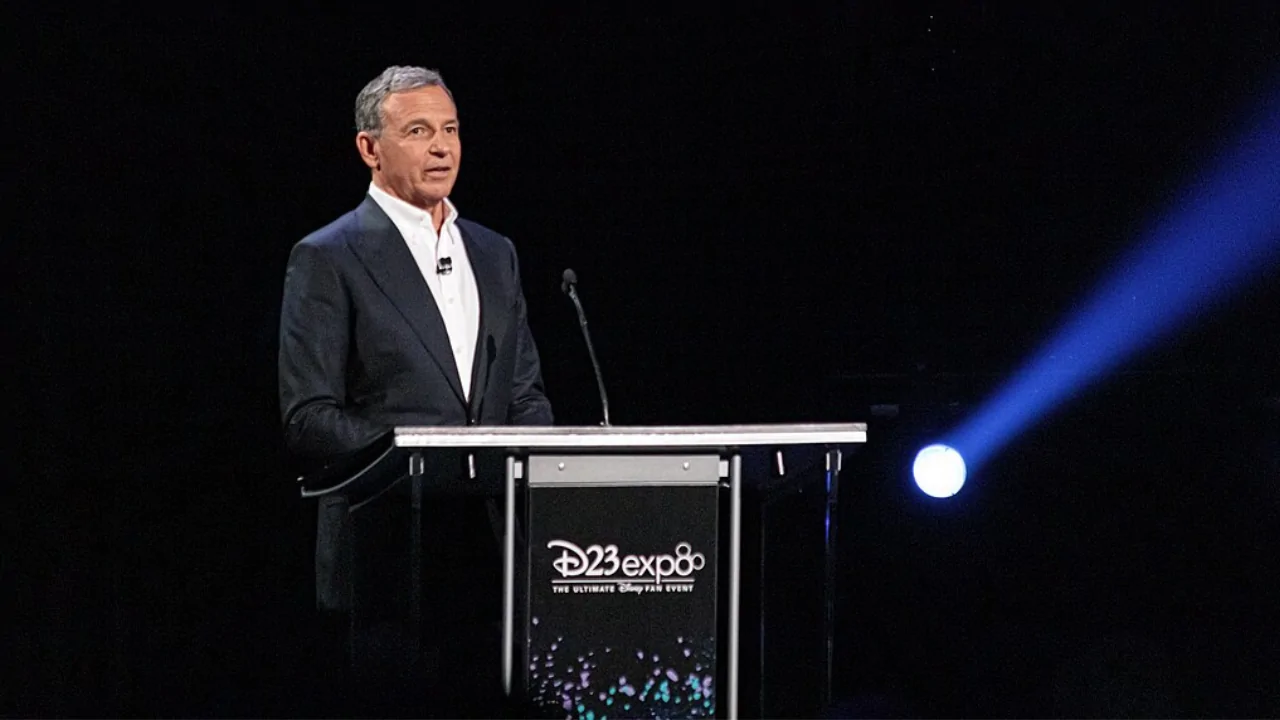
Bob Iger | 2019 Disney Legends Awards Ceremony | D23 EXPO 2019. Photo Credit: nagi usano from Tokyo, Japan, CC BY-SA 2.0 <https://creativecommons.org/licenses/by-sa/2.0>, via Wikimedia Commons
For the NFL, the equity stake represents a strategic pivot away from TV production toward protecting and monetizing its core intellectual property. The league’s current media rights deals, valued at over $110 billion across 11 seasons, remain unaffected, though opt-out clauses loom at the decade’s end.
Implications for Fans and the Industry
This partnership could significantly enhance viewing options for NFL fans. RedZone’s integration into ESPN’s platforms might make it more accessible via streaming, potentially reducing the need for multiple subscriptions. However, pricing details for RedZone on ESPN are unclear, and it could be packaged with other channels in future cable negotiations.

A clip from the NFL on YouTube – YouTube, NFL
Industry experts see this as a win-win: ESPN bolsters its content amid subscriber erosion, while the NFL secures a stake in a media powerhouse that could not be poised for growth in the streaming era.
Critics, however, raise concerns about consolidation. With Disney already owning ABC (which will broadcast ESPN’s first Super Bowl in 2026-27), the deal might invite antitrust scrutiny, especially as media monopolies face increasing regulatory pressure. Some fans worry it could lead to higher costs, lamenting the growing expense of watching all NFL games across fragmented services.
How do you feel about Disney partnering with the NFL for ESPN? Sound off in the comments and let us know!
