


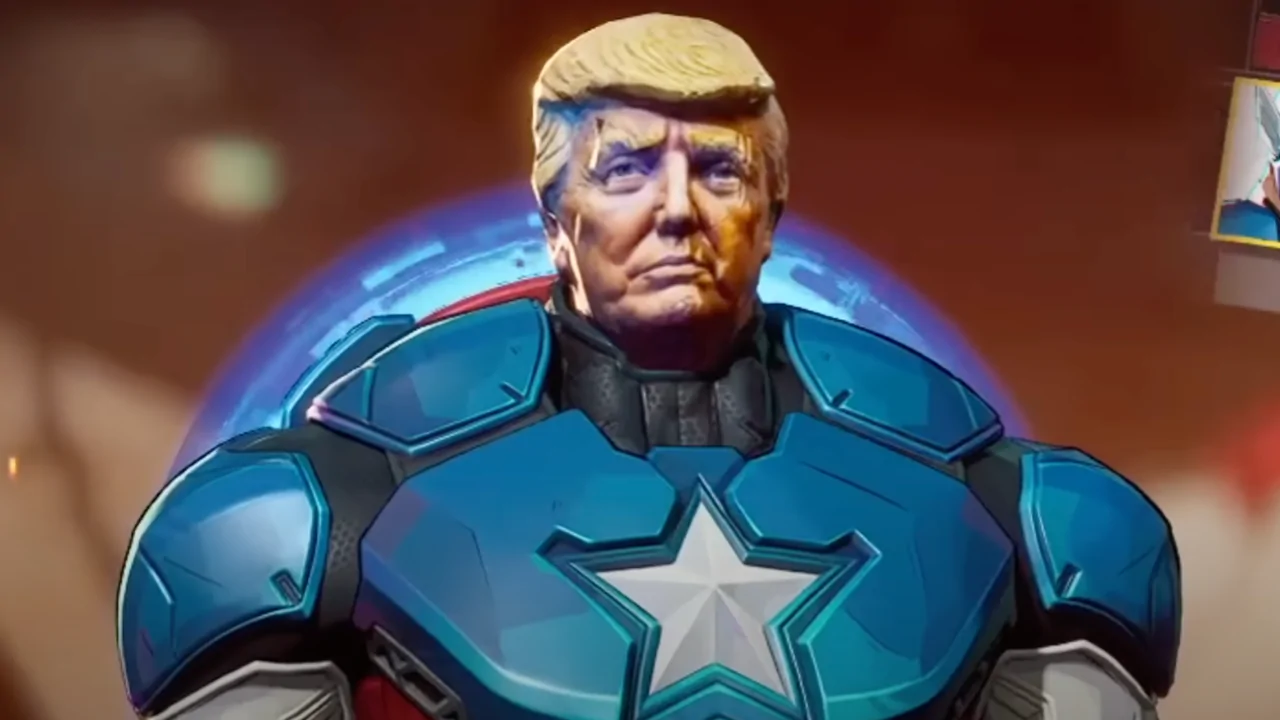
On August 7, 2025, President Donald Trump signed an Executive Order titled “Guaranteeing Fair Banking For All Americans,” aimed at curbing what the administration describes as “politicized or unlawful debanking.” This order prohibits federal banking regulators from allowing financial institutions to deny services based on customers’ political or religious beliefs, or their involvement in lawful business activities. While the Trump EO primarily targets traditional banks, its broad language has sparked excitement in the gaming community, where payment processors like Mastercard and Visa have long been accused of content censorship by pressuring platforms to restrict or delist adult-oriented or controversial games.

Tifa in Final Fantasy VII Remake Intergrade (2022), Square Enix
Could this mark the end of such practices? Early analyses and community reactions suggest it might, by stripping away justifications like “reputational risk” that processors have used to impose moral or ideological restrictions on legal content.
Background on the Executive Order
The EO directs key regulators—including the Federal Deposit Insurance Corporation (FDIC), Office of the Comptroller of the Currency (OCC), Federal Reserve, Consumer Financial Protection Bureau (CFPB), National Credit Union Administration (NCUA), and Small Business Administration (SBA)—to eliminate policies that enable debanking.

U.S. President Donald Trump sits for an interview with ABC News – YouTube, ABC News
It specifically calls for the removal of “reputational risk” and similar concepts from regulatory guidance, arguing these have been weaponized to discriminate against certain industries or viewpoints. The order defines unlawful debanking as restricting access to financial services, including payment processing, for reasons tied to politics, religion, or lawful businesses.
Regulators must review complaints, investigate violations under laws like the Equal Credit Opportunity Act, and impose remedies such as fines or service reinstatement.
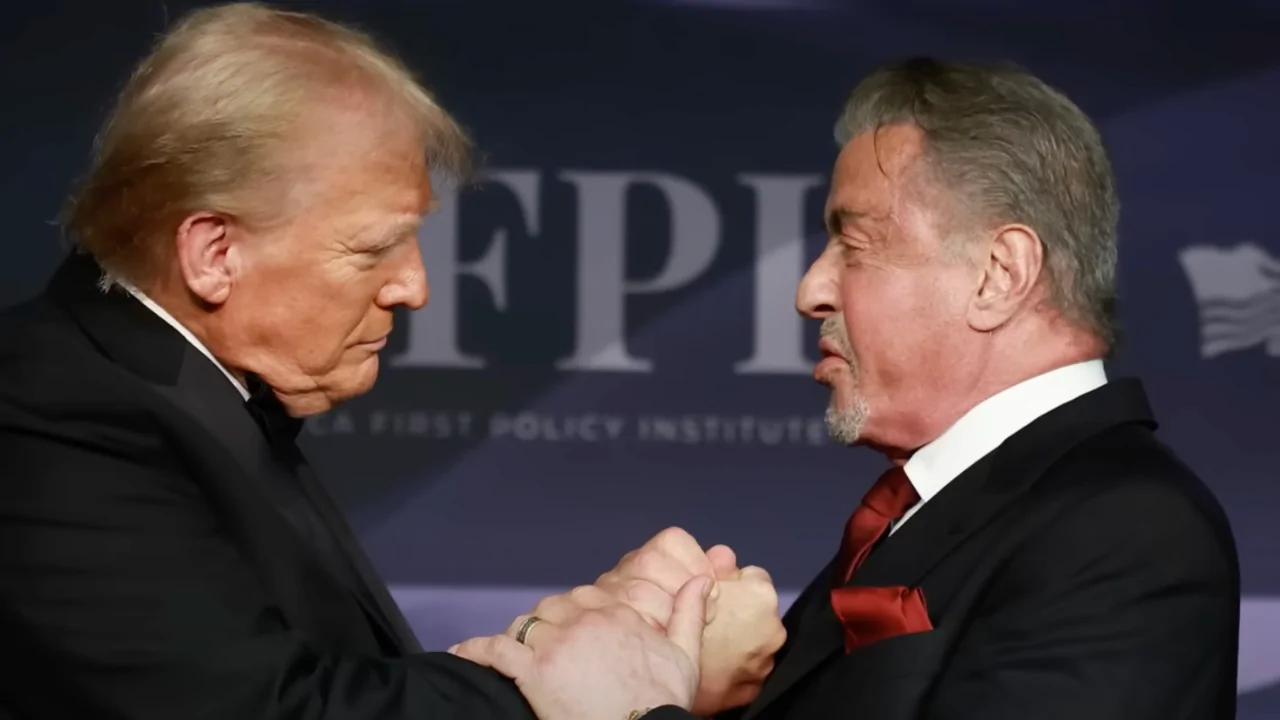
Donald Trump clasps hands with Sylvester Stallone – YouTube, SkyNews Australia
Signed amid ongoing debates over financial discrimination, the EO builds on criticisms of past initiatives like Operation Chokepoint, where regulators allegedly pressured banks to avoid high-risk but legal sectors. It requires a 180-day review period for institutions to amend their terms of service, removing provisions that could enable such discrimination.
While not explicitly naming payment processors, the inclusion of “other financial services providers” and references to payment processing have led experts to interpret it as applicable to entities like Visa and Mastercard.
History of Mastercard and Visa’s Role in Gaming Censorship
Mastercard and Visa have recently faced accusations of censorship in the gaming industry. As dominant payment networks handling the majority of global transactions, they wield significant influence over digital platforms. Critics argue they’ve used this power to enforce content policies that go beyond legal requirements, often under the guise of risk management or brand protection.

Eve in Stellar Blade (2024), Shift Up
A prime example involves adult-oriented games on platforms like Steam and itch.io. In recent months, Valve (Steam’s parent company) confirmed that pressure from credit card companies led to the delisting of certain titles deemed “patently offensive” or lacking “serious artistic value.” This stemmed from processors’ rules prohibiting transactions for content they view as high-risk, such as mature material, even if it’s legal for adults.
Groups like Collective Shout, an Australian activist organization, have lobbied processors to block payments for such games, framing them as exploitative.
Incidents include:
- Steam Delistings: In 2025, multiple indie developers reported games being removed from Steam due to processor demands. Valve cited merchant agreements that ban sales of offensive material, leading to widespread backlash from gamers who saw it as corporate overreach.
- Itch.io and Indie Platforms: Smaller sites have faced similar threats, with processors threatening to withhold services unless specific content is curtailed.
Broader Implications: This isn’t limited to gaming; processors have historically restricted payments for controversial content, like political donations or digital goods seen as “hateful.”
Gamers and developers argue this creates a de facto censorship regime, where private companies act as moral arbiters, stifling creativity and free expression in a medium protected by the First Amendment.
How the Trump Executive Order Could Apply to Gaming Censorship
The EO’s potential to disrupt this ongoing gaming censorship dynamic lies in its broad scope. By mandating the removal of “reputational risk” as a regulatory factor, it undermines the primary justification processors use for content-based denials.
The White House just accidentally helped the gaming industry. An EO was signed today instructing the FTC to remove “reputational risk” from what financial institutions can use when considering how they interact with legal businesses.@Visa @Mastercard @Paypal will have to adjust…
— Drooskati Games (@DrooskatiGames) August 8, 2025
While Visa and Mastercard aren’t traditional banks, they could fall under “other financial services providers” regulated by bodies like the CFPB, which oversees payment services.
Key provisions that could impact gaming include:
- Prohibition on Denial for Lawful Activities: If a game is legal (e.g., rated for adults), denying payment processing based on subjective “offensiveness” could be deemed unlawful debanking.
- Review and Remedies: Regulators must investigate complaints, potentially forcing processors to reinstate services or face fines.
- TOS Amendments: Within 180 days, companies must scrub discriminatory language from agreements, including clauses about “unacceptable” content.
This executive order came down today and it clearly states banking services can’t be denied because of protections provided by the constitution of the United States. It mentions companies have 180 days to remove any provisions from their TOS that mention reputational damage to…
— Vara Dark (@Vara_Dark) August 8, 2025
Gaming community figures like YouTube commentator Vara Dark have hailed it as a game-changer, stating it prevents processors from ripping away funding over political opinions or perceived damage. Developers on platforms like X echo this, predicting adjustments from Visa, Mastercard, and even PayPal to comply.
I posted this a week ago. Trump just gave Visa and MasterCard their way to backtrack their stance on NSFW games without upsetting investors. They’re probably gonna take it. https://t.co/hUP8F4p5ja
— Abere Lucifer Productions (@Tiffany31016503) August 8, 2025
Related legislative efforts, such as a bill under review to block credit card companies from restricting mature games, could amplify the EO’s effects.
Community Reactions and Expert Opinions
The gaming world has erupted in optimism. On forums like Reddit and Steam discussions, users celebrate the Trump executive order as a “huge win” for free expression, potentially saving indie developers from delistings and gaming censorship.
X posts from developers and gamers highlight how it counters groups like Collective Shout, with calls for investigations into third-party pressure campaigns.

Eve in Stellar Blade (2024), Shift Up
Experts like those from Gibson Dunn law firm describe it as an assault on supervisory overreach, though they caution enforcement will depend on regulators’ interpretations. Some analysts, including Crémieux on X, emphasize its direct benefits for platforms hosting content these processors deem offensive.
In case you don’t understand what this does, one effect is that it will help to prevent payment processors from going after sites like itch(dot)io and platforms like Steam to remove adult content.
The Trump administration is launching an assault on “reputational risk” by name. https://t.co/KwnFmo0fx8 pic.twitter.com/7Xf2SmsUrJ
— Crémieux (@cremieuxrecueil) August 7, 2025
However, not all reactions are unanimous. Critics worry it could shield harmful industries, while supporters argue it upholds constitutional protections.
Limitations and Challenges
Despite the hype, the Trump EO isn’t a silver bullet against gaming censorship. It’s not retroactive, so past delistings won’t automatically reverse. Payment processors might argue they’re outside the EO’s direct purview, as they’re not federally chartered banks, potentially leading to court battles.
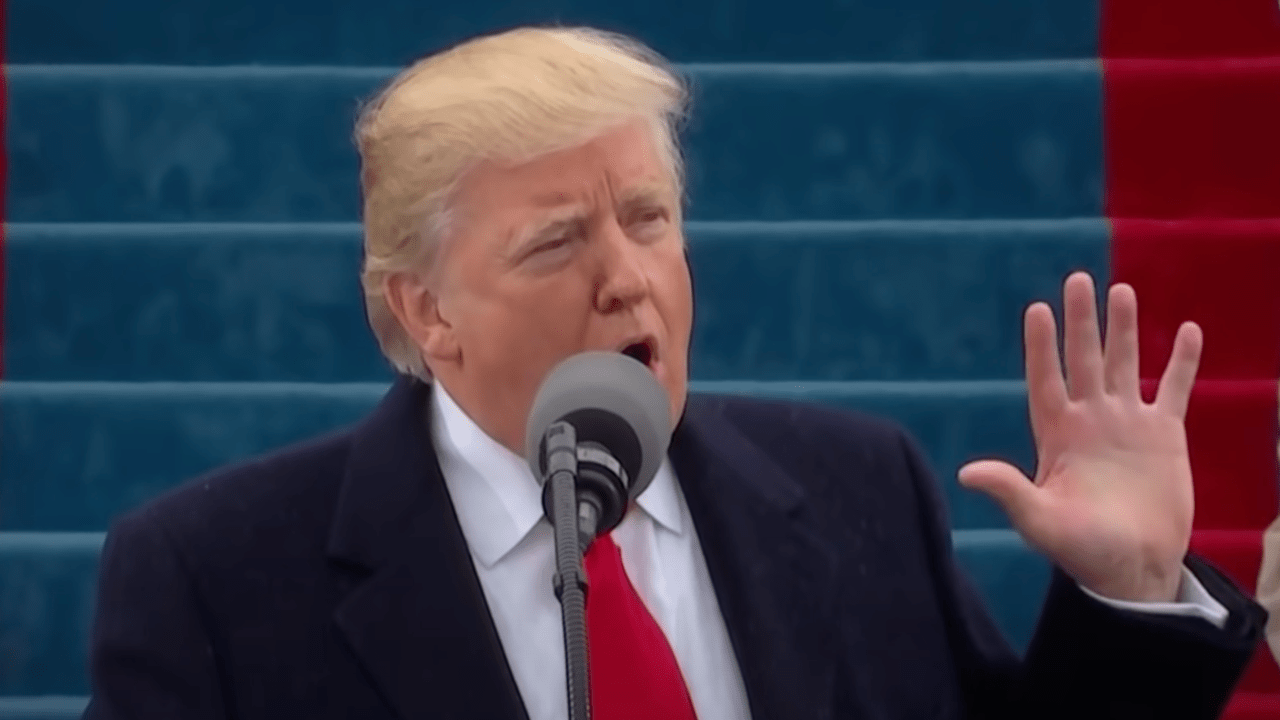
Donald Trump speaks at his inauguration in 2017 – YouTube, ABC News
Enforcement also relies on a sympathetic administration, and future presidents could revoke it.
Additionally, processors could reframe denials as fraud-related rather than reputational, skirting the order. Broader antitrust reforms might be needed to address their market dominance.
Final Thought
President Trump’s Executive Order represents a bold step toward financial neutrality, with ripple effects that could liberate the gaming industry from payment processor-imposed censorship. By targeting discriminatory practices, it empowers creators to produce legal content without fear of debanking, fostering innovation and free speech.
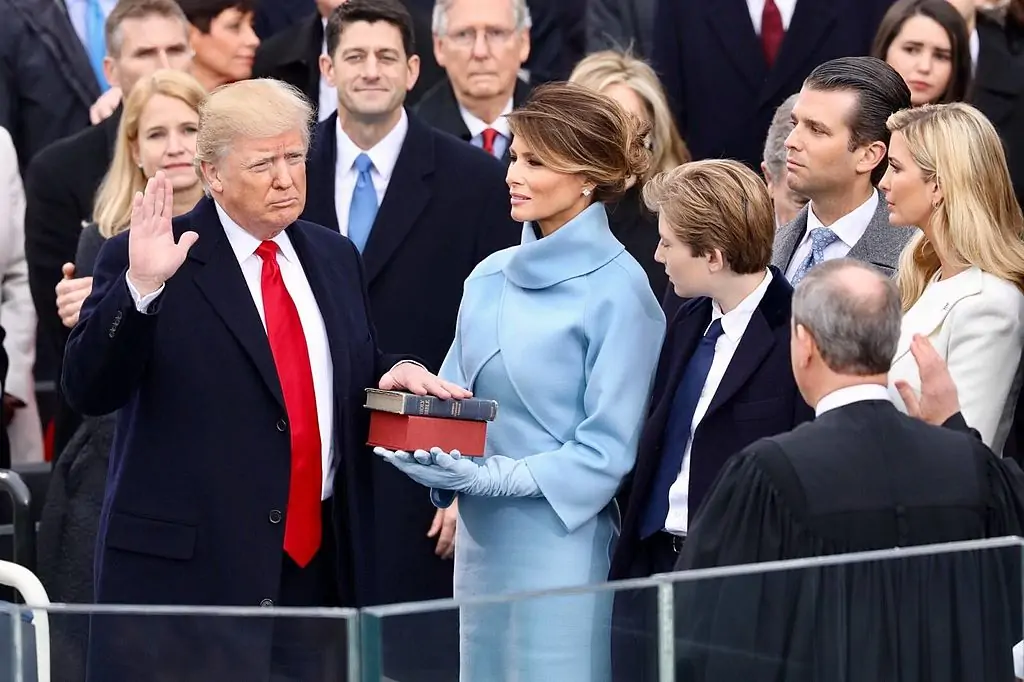
President Donald Trump being sworn in on January 20, 2017 at the U.S. Capitol building in Washington, D.C. Melania Trump wears a sky-blue cashmere Ralph Lauren ensemble. He holds his left hand on two versions of the Bible, one childhood Bible given to him by his mother, along with Abraham Lincoln’s Bible. Photo Credit: The White House, Public domain, via Wikimedia Commons
As regulators implement changes over the next six months, the true test will be in enforcement and legal challenges. For gamers, developers, and advocates, this could herald a new era where art isn’t dictated by corporate morals—but by the market and the Constitution.

Tifa in Final Fantasy VII Remake (2022), Square Enix
Of course, this executive order only applies to U.S. laws, which means gaming censorship could continue to rage unchecked in places like Europe, Asia, Australia, and beyond.
If realized, it might just save Steam and beyond from the grip of selective processing, at least in the United States.
Do you think this Trump EO will stop gaming censorship? Sound off int the comments and let us know!
