


U.K. Lawyers for Israel (UKLFI) has issued a legal warning to the U.K. branches of Netflix, Disney, Amazon Studios, Apple and Warner Bros. Discovery that they may be in violation of the U.K.’s Equality Act. However, it’s not the actions of the CEOs that sparked the notice. Rather, it’s the talent.
Last September, when 3,900 actors like Joaquin Phoenix, Mark Ruffalo, Tilda Swinton, Javier Bardem, Olivia Colman, and directors, including Yorgos Lanthimos, Ava DuVernay, signed a letter pledging “not to screen films, appear at, or otherwise work with Israeli film institutions—including festivals, cinemas, broadcasters and production companies—that are implicated in g***cide and apartheid against the Palestinian people,” they doubtlessly expected a reaction.
What started as artists using their platforms to draw attention to what they felt was a humanitarian crisis, may become a business crisis for their employers in British courts.
Joaquin Phoenix, Nicola Coughlan and More Join 3,900 Industry Names Pledging Not to Work With Israeli Film Institutions ‘Complicit in War Crimes’ https://t.co/VPA3i22UjG pic.twitter.com/E26VBfgtHP
— Variety (@Variety) September 10, 2025
The potential fallout — including invalidated insurance policies, loss of public funding, and exposure to discrimination lawsuits — was likely not the reaction they anticipated
@UKLFI has cautioned that artists in the film industry and their organisations in the UK would likely breach the UK’s Equality Act if they implement the “Film Workers for Palestine” boycott. https://t.co/YBRRbWHeOi
— UK Lawyers For Israel (@UKLFI) October 13, 2025
A spokesperson for UKLFI said, “This boycott breaches the law in this country which protects people of all religions, races, and nationalities from discrimination. If we allow celebrities to discriminate in this way, it erodes the protection for everyone.”
Despite pushback from around the world — and right in Hollywood’s backyard — the stars show no sign of backing down. UKLFI, however, appears prepared to take the matter to court.
Social Reaction to the Boycott
The controversial pledge was announced by Film Workers for Palestine, a group that describes itself as “a call by and for filmmakers and cinema workers to stand for an end to g***cide, and for a free Palestine.”
— Film Workers For Palestine (@FW4Palestine) September 8, 2025
Paramount was the first studio to respond to the boycott, saying, “We do not agree with recent efforts to boycott Israeli filmmakers. Silencing individual creative artists based on their nationality does not promote better understanding or advance the cause of peace.”
Paramount has become the first major Hollywood studio to weigh in with an official statement amid a growing boycott of Israeli film companies backed by a host of A-list stars and filmmakers. The studio condemned the pledge. https://t.co/kAO2jskVnv
— The Hollywood Reporter (@THR) September 13, 2025
The Israeli Producers Association also responded: “This call for boycott is profoundly misguided. By targeting us – the creators who give voice to diverse narratives and foster dialogue – these signatories are undermining their own cause and attempting to silence us.”
Debra Messing says boycotting the Israeli film industry over the war in Gaza is “blatant discrimination and a betrayal of our role as storytellers.”
“History shows us that boycotts against Jews have long been a tool of authoritarian regimes — by joining this effort, these… pic.twitter.com/VIVvaPgbRn
— Variety (@Variety) September 25, 2025
There were a few in Hollywood who also opposed the boycott, including Liev Schreiber, Mayim Bialik and Debra Messing, who signed an open letter asking their colleagues “to reject this discriminatory and antisemitic boycott call that only adds another roadblock on the path to peace.” Their letter only had 1,200 signatures, just a fraction of those calling for the Israeli film boycott.
So far, no one in the industry has publicly reacted to the UKLFI’s letter. However, a Film Workers for Palestine spokesperson has said, “We are unimpressed by pro-Israel lobby group UK Lawyers for Israel’s desperate attempt to curtail our signatories’ freedom of expression through its pitiful letter.”
Still, UKLFI’s involvement underscores how the boycott has escalated from artistic protest to potential legal conflict.
The Letter and The Law
Variety reports that the letter from UKLFI explains, “[The Equality Act 2010] is the key legislation in the U.K. protecting against racism and discriminatory treatment.” Should any of the studios yield to the demands of the actors and directors, they could be in violation of the Equality Act and are “highly likely to be a litigation risk and a notifiable event” that could invalidate insurance.
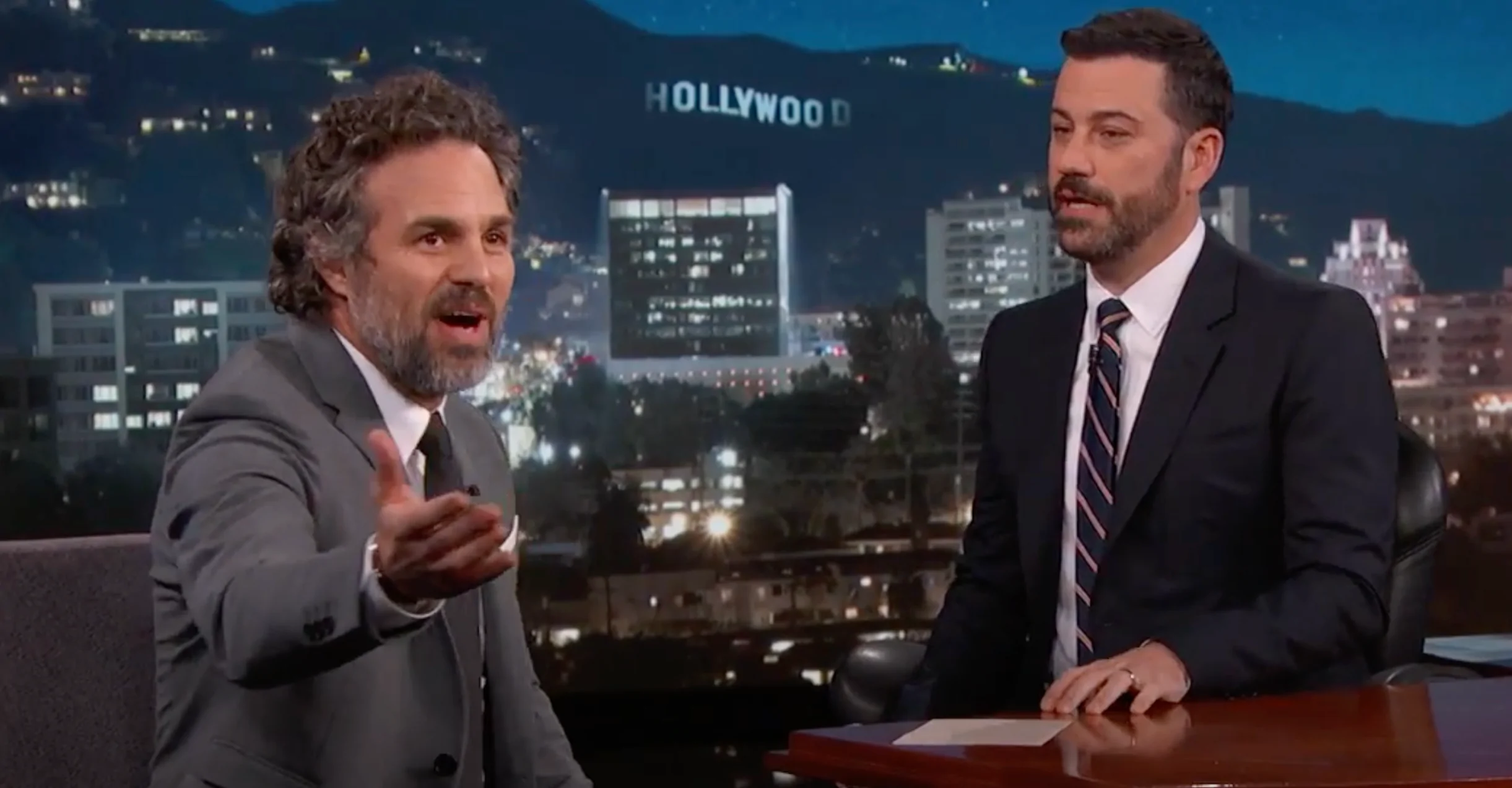
Mark Ruffalo being interviewed by Jimmy Kimmel – Youtube, Jimmy Kimmel Live
More than that, UKLFI goes on, “It follows that a breach of the [Act] through the Boycott, would render a film ineligible for government funding, or trigger clawback of finance already granted.”
Debra Messing, an outspoken critic of the boycott, has called it “blatant discrimination and a betrayal of our role as storytellers.” If that doesn’t get the attention of studio heads, threats of litigation and lost funding just might. Despite the ceasefire in the Middle East, tensions remain high with many celebrities continuing the boycott.
What do you think? Will this Hollywood Israel conflict end in court, or the court of public opinion? Sound off in the comments and let us know!
UP NEXT: BlueSky Melts Down Over Keira Knightley’s Call for Respect After J.K. Rowling Question
