


Disney budgets continue to skyrocket as box office returns plummet. It was recently alleged that The Walt Disney Company paid screenwriter Scott Z. Burns a seven-figure sum — the highest in Lucasfilm history — for a script that will never be made.
That project, The Hunt for Ben Solo, was to be directed by Steven Soderbergh and star Adam Driver in a post-Rise of Skywalker Star Wars story. The script was finished, the concept was greenlit internally, and according to The Playlist, even Lucasfilm’s leadership believed it was “creatively sound.”
Then, Disney pulled the plug.

Kylo Ren in the Star Wars Sequels – Disney+
No movie. No production. No payoff. Just another expensive entry in a growing list of Disney budgets that make shareholders cringe.
A Culture of Waste at Lucasfilm
This is far from the first time Disney has shelled out a fortune for a project that generated no return. Lucasfilm alone has become a model of excess and indecision.
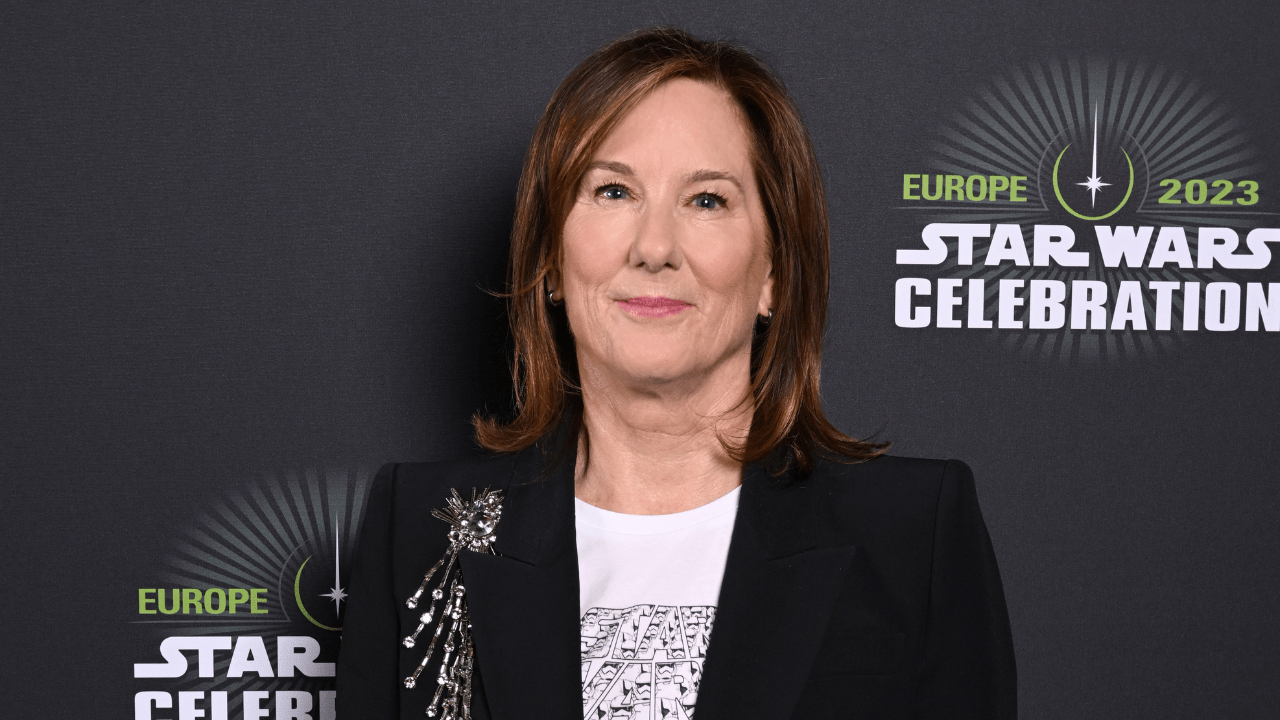
LONDON, ENGLAND – APRIL 07: Kathleen Kennedy attends the studio panel at Star Wars Celebration 2023 attends the studio panel at Star Wars Celebration 2023 in London at ExCel on April 07, 2023 in London, England. (Photo by Jeff Spicer/Jeff Spicer/Getty Images for Disney)
Let’s look at the recent track record:
- The Acolyte reportedly cost $250 million to produce — and it still delivered one of the lowest-rated, least-watched shows in Star Wars history.
- The Rise of Skywalker ballooned to $600 million when factoring in marketing and reshoots, only to divide fans, lose money, and leave the sequel trilogy in disarray.
- Rogue Squadron, Kevin Feige’s secret film, and several other Star Wars projects were paid through multiple stages of development before being quietly canceled. Each one carried hefty writer, pre-production, and concept design costs.
- And now, The Hunt for Ben Solo, where the writer reportedly received a seven-figure payout for a film that never even entered pre-production.
It’s hard not to see a pattern: every new creative shuffle, every script rewrite, and every retreat seems to cost more money than the last.
And It’s Not Just Star Wars
Lucasfilm isn’t the only corner of Disney hemorrhaging cash through bloated budgets. Across the company, spending has spiraled to unsustainable levels, even as the box office or streaming subscription results grow worse.
At Marvel Studios, The Marvels cost around $275 million before marketing — and went on to become the biggest box office flop in MCU history. Ant-Man and the Wasp: Quantumania was nearly as expensive, and it underperformed by hundreds of millions.
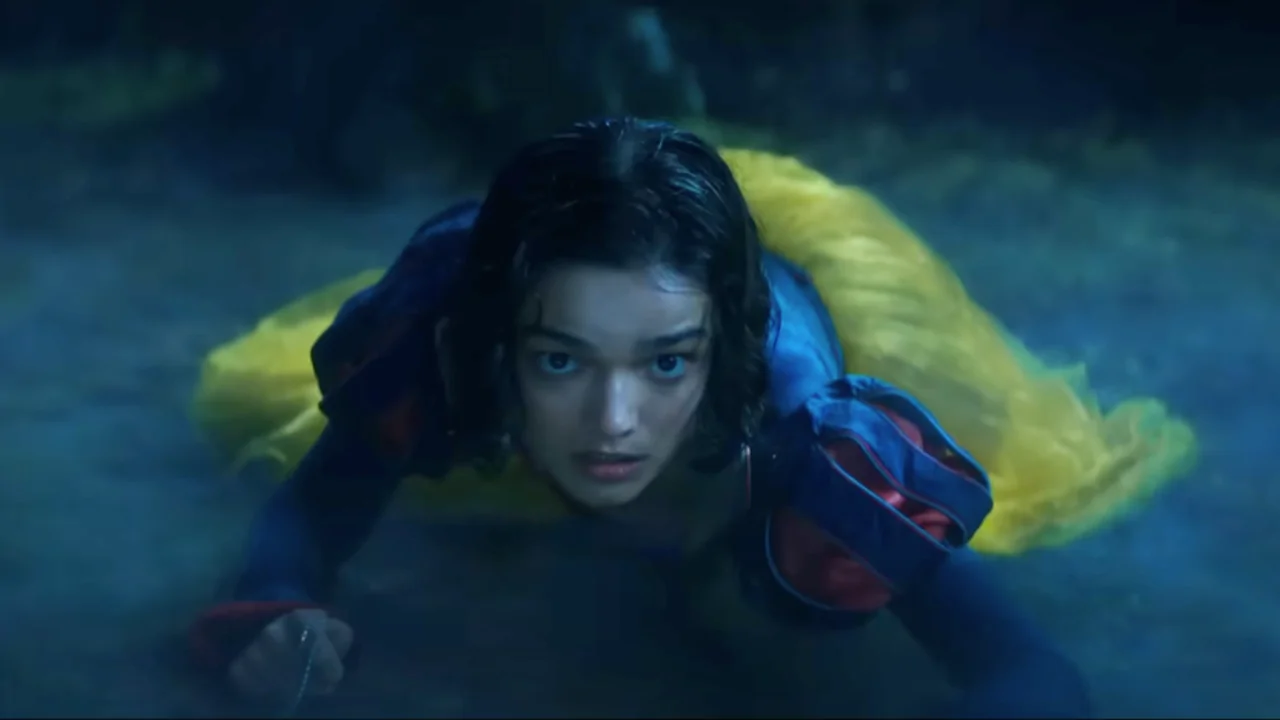
Rachel Zegler as Snow White in Snow White (2025), Walt Disney Studios
READ: Taylor Sheridan is Leaving Paramount for Universal — The King of Yellowstone Finds a New Home
And at Walt Disney Pictures, the problem is no different. The live-action Snow White remake reportedly cost a staggering $270 million (again, before marketing), yet still flopped in theaters and sparked major backlash long before release. From reshoots to digital effects overhauls, Snow White became the poster child for runaway Disney budgets and brand damage.
When you add those numbers together, the picture becomes clear: Disney has turned budget inflation into a corporate philosophy.
A Company Addicted to Overspending as Shareholders Foot the Bill
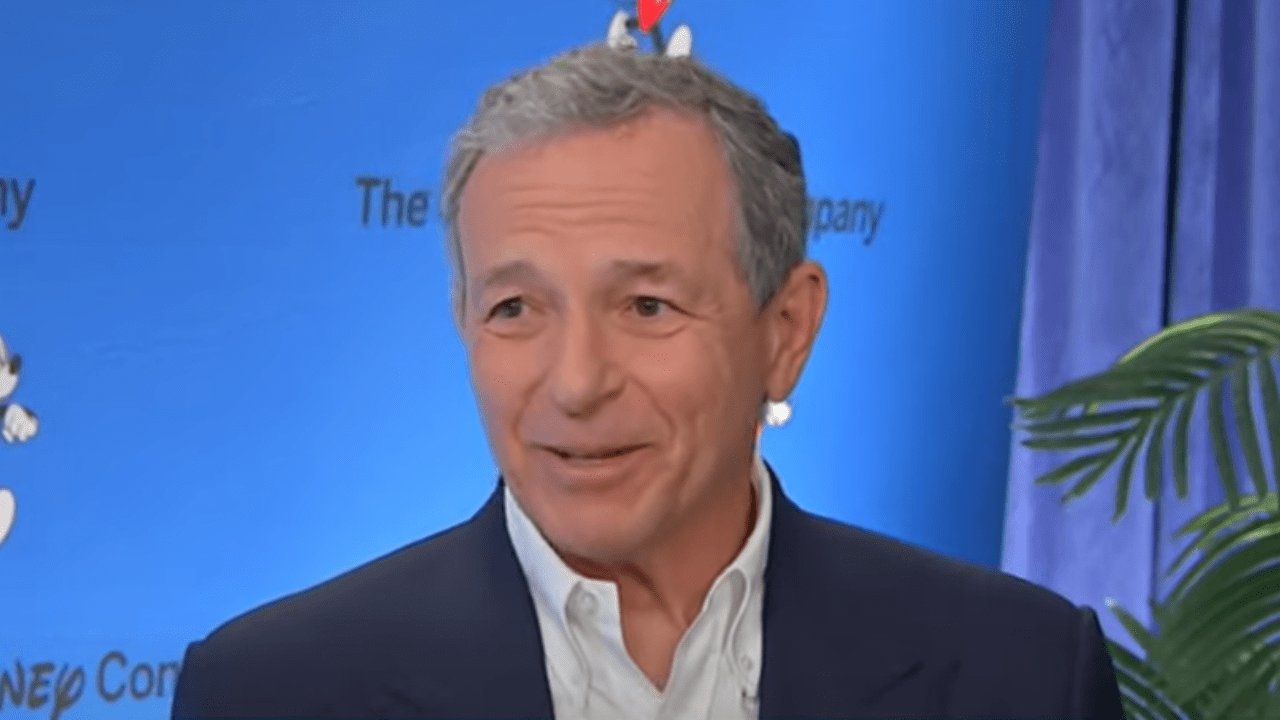
The issue isn’t just bad luck — it’s bad management. Disney keeps spending like it’s still the golden age of the MCU and early Star Wars sequels, where almost anything could gross a billion dollars. If Disney CEO Bob Iger is good at anything it’s spending other people’s money. And his regime continues to reach into the shareholder money bin to make it rain all over Hollywood.
But the era of multiple billion dollar hits for Disney every year is gone. Audiences are more selective, streaming fatigue has set in, China is no longer a reliable market, and the Disney name no longer guarantees success. Yet, the company’s leadership continues to greenlight massive projects with blockbuster price tags and limited upside.
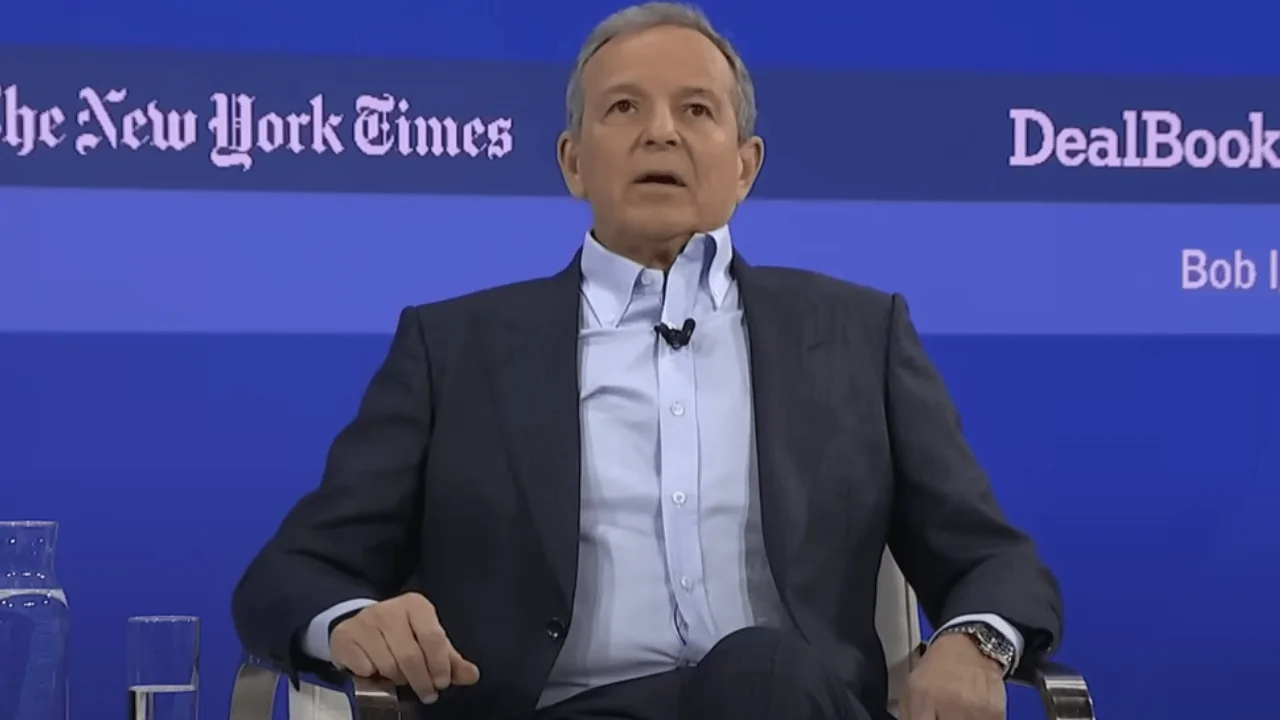
Bob Iger via New York Times Events YouTube
From a shareholder’s perspective, this is more than creative drift — it’s fiscal negligence. Paying a screenwriter seven figures for a script that never gets produced isn’t “creative development.” It’s the kind of waste that raises questions about executive oversight and whether anyone at the top is protecting shareholder value.
Bob Iger has repeatedly promised a “return to financial discipline,” yet the numbers tell a different story. Disney’s stock price remains well below pre-lockdown levels, even as competing studios with smaller budgets are finding stability and profit. The disconnect between Disney’s messaging and its financial behavior has become impossible to ignore.
This isn’t a creative risk gone wrong — it’s a failure of fiduciary responsibility at one of America’s most iconic companies.
Meanwhile, Warner Bros. Keeps It Simple — and Profitable
Contrast that with what’s happening at Warner Bros. Discovery, where David Zaslav has made fiscal restraint a company-wide mandate.
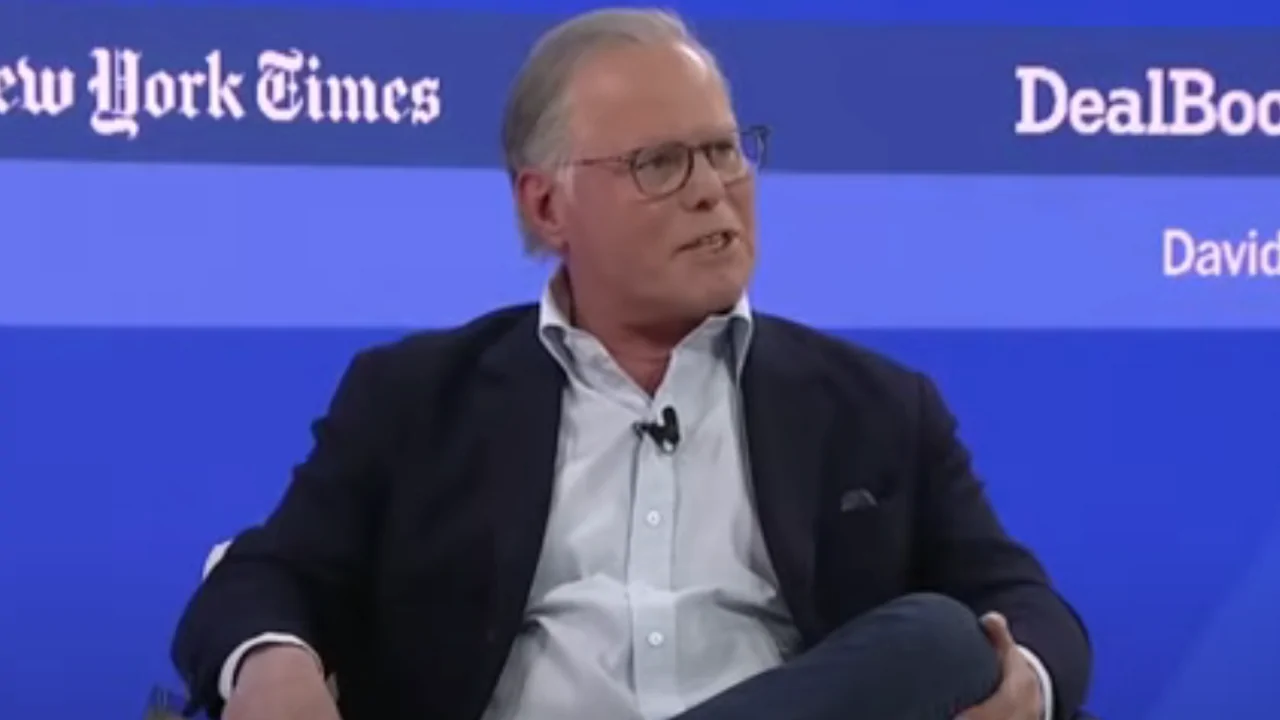
WBD CEO David Zaslav Speaks at a New York Times event – YouTube, New York Times Events
READ: GameStop Trump Halo Memes Take Over the Internet — Gavin Newsom Tries (and Fails) to Kill the Fun
Zaslav has been ruthless about cutting costs, axing projects, and holding budgets to realistic levels. The results speak for themselves:
- Joker: Folie à Deux reportedly cost around $150 million — far below what a Disney tentpole of the same scale would demand. The movie underperformed but losses were mitigated by a conservative budget.
- The Batman Part II is expected to stay under $200 million, even as anticipation builds.
- Even major productions like Dune: Part Two came in on budget and delivered strong box office returns.
On top of that, Warner Bros.’ horror slate continues to quietly outperform expectations. The Conjuring: Last Rites cost roughly $55 million to produce and has already earned between $400 and $480 million worldwide, depending on the source. That’s an eightfold return on investment — achieved without franchise bloat, costly reshoots, or digital overhauls.

A screenshot from the trailer for The Conjuring: Last Rites – YouTube, Warner Bros.
It’s the same strategy that made earlier hits like The Nun II and Evil Dead Rise profitable: tight budgets, fast turnarounds, and smart marketing. While Disney spends hundreds of millions chasing billion-dollar blockbusters, Warner Bros. continues proving that a film doesn’t need to break records to make money — it just needs to be managed well.
Love him or hate him (and for some reason the Hollywood access media seems to hate him…), Zaslav has done what Disney refuses to do — treat filmmaking like a business.
The Cost of Creative Confusion
At Disney, every department seems to be fighting its own battle. Lucasfilm can’t decide what kind of Star Wars stories it wants to tell. Marvel can’t slow down long enough to find focus. The live-action film division is chasing nostalgia instead of innovation.
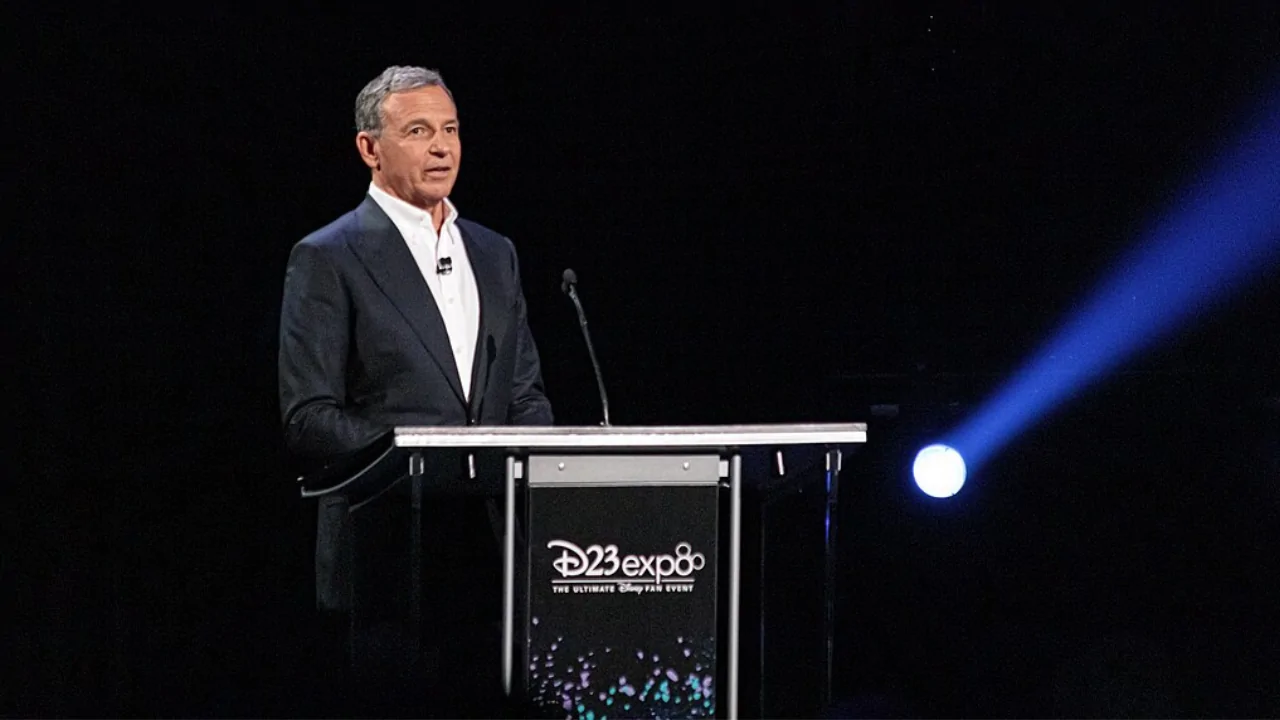
Bob Iger | 2019 Disney Legends Awards Ceremony | D23 EXPO 2019. Photo Credit: nagi usano from Tokyo, Japan, CC BY-SA 2.0 <https://creativecommons.org/licenses/by-sa/2.0>, via Wikimedia Commons
The result is hundreds of millions spent on canceled projects, delayed releases, and costly reshoots — all while the parks division props up the company’s bottom line.
If The Hunt for Ben Solo really cost seven-figures for a script that’s now collecting dust, it’s just another example of a corporation that’s forgotten the meaning of financial discipline.
Final Thought
Every studio wastes money sometimes. But at Disney, bloated budgets and wasteful spending have become a way of life. From $600 million sequel finales to $270 million fairytale flops, The Hunt for Ben Solo is simply the latest chapter in a long-running saga of excess.
Meanwhile, Warner Bros. is proving that smart budgeting — not creative chaos — is what actually turns a profit.

Adam Driver as Kylo Ren in The Force Awakens (2015), Lucasfilm
Maybe the real lesson here is that Disney doesn’t need another creative summit. It needs a calculator.
How do you feel about bloated Disney budgets? Sound off in the comments and let us know!
UP NEXT: Glamour Names Rachel Zegler a ‘Woman of the Year’ Despite Disney Disasters and Political Outbursts
