


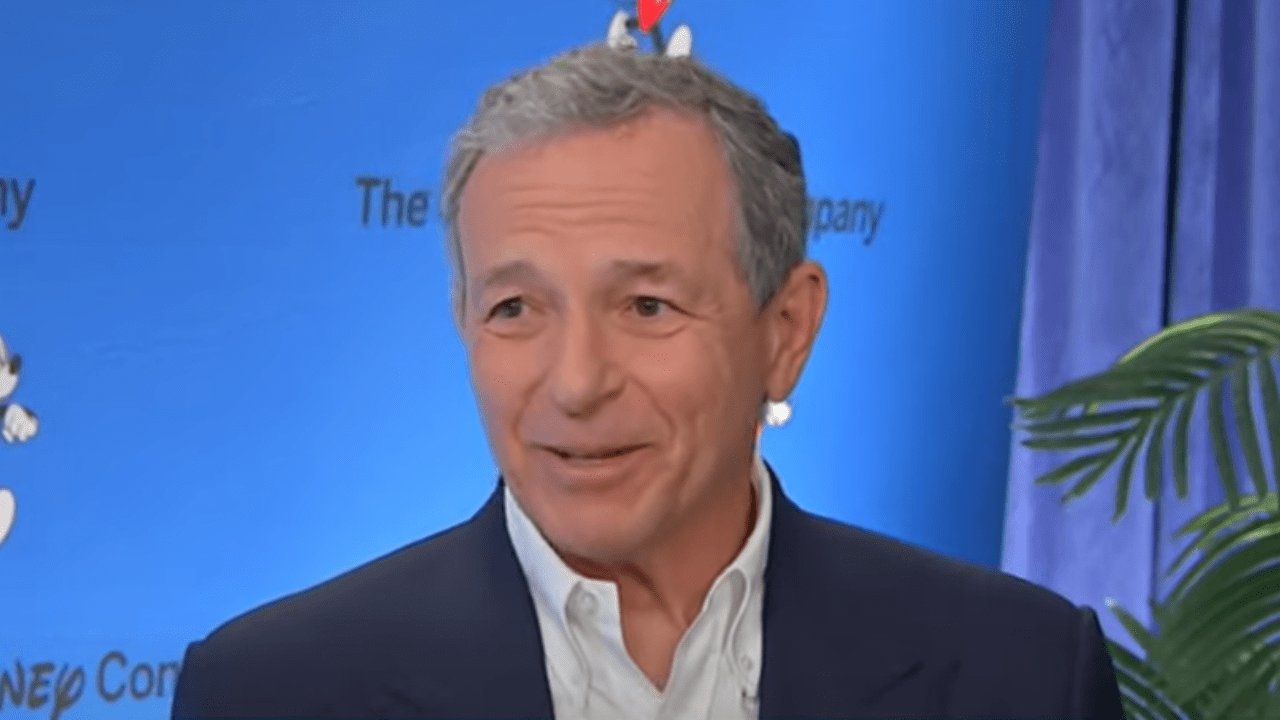
Huge moves are happening at Disney after the stock dropped more than 7% following a rough Q4 and the beginning of Bob Iger’s final year as CEO of Disney. It turns out, the company Walt built might actually be dropping diversity, equity and inclusion initiatives substantively rather than the projection many anticipated.
Disney ditches ‘Diversity and DEI’ from its annual business report, for the first time since 2019 amid ‘woke’ backlash.
The company has removed the terms ‘diversity’, ‘inclusion’, and ‘DEI’ from its 2025 business report.
By contrast, the company’s 2024 SEC filing dedicated an… pic.twitter.com/sJ4CqyRMdo
— Oli London (@OliLondonTV) November 14, 2025
The The Walt Disney Company (Disney) is making two notable moves in its human-capital strategy that together point to a significant reframing of its diversity, equity and inclusion (DEI) posture. First, Disney has rebranded a key executive role with Tinisha Agramonte now listed as Senior Vice President and Chief Opportunity & Inclusion Officer. Second, the company’s recent Securities and Exchange Commission (SEC) filing omits references to “diversity,” “DEI,” or “D&I,” marking a departure from prior disclosures.
Executive Title Change Signals Shift in Emphasis
Agramonte originally joined Disney in 2022 as Vice President of Diversity, Equity & Inclusion Talent Outreach & Development, within Disney Parks, Experiences & Products. In October 2023 she was elevated to Senior Vice President and Chief Diversity Officer, reporting to Senior Executive Vice President and Chief People Officer Sonia Coleman. According to Disney’s current leadership page, Agramonte now carries the title Senior Vice President and Chief Opportunity & Inclusion Officer, with responsibility for Opportunity & Inclusion strategy.
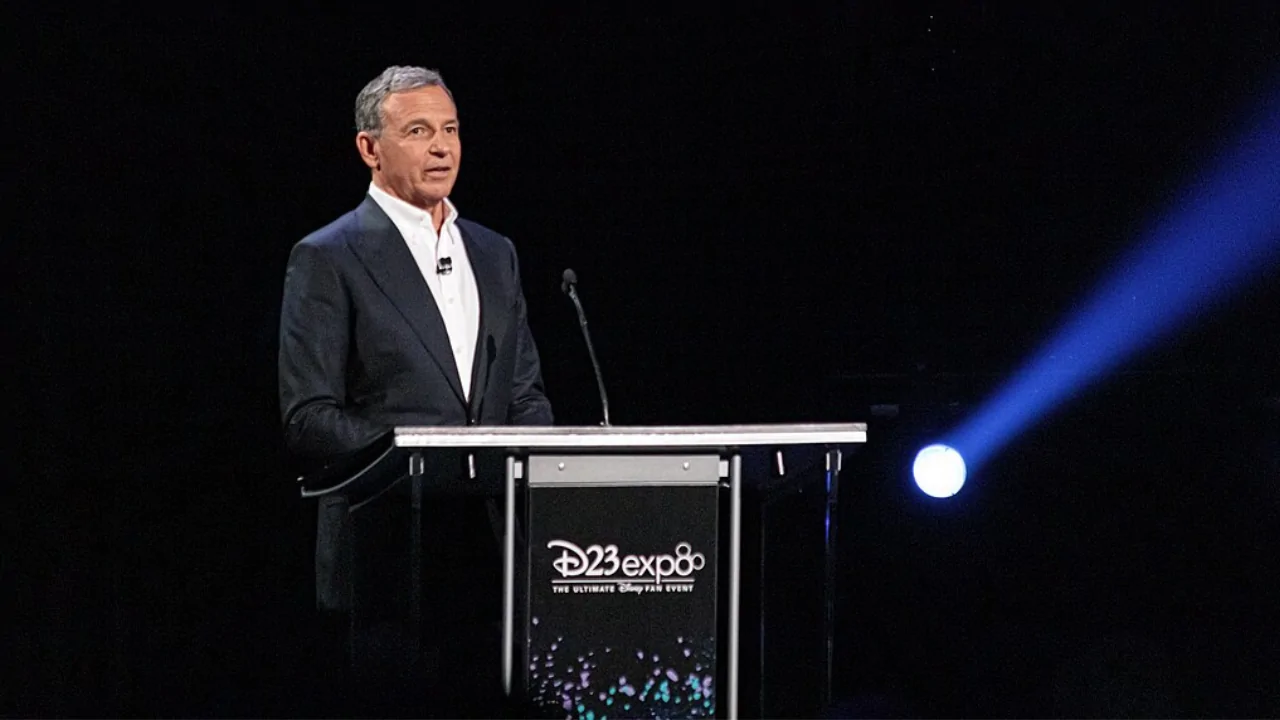
Bob Iger | 2019 Disney Legends Awards Ceremony | D23 EXPO 2019. Photo Credit: nagi usano from Tokyo, Japan, CC BY-SA 2.0 <https://creativecommons.org/licenses/by-sa/2.0>, via Wikimedia Commons
READ: Universal 2026 Military Annual Pass Now Available — Cheaper and Longer-Lasting Than Disney’s Offer
While Disney has not publicly issued a detailed rationale for the title change, the new wording — “Opportunity & Inclusion” rather than “Diversity, Equity & Inclusion” — aligns with broader corporate trends of reframing DEI-language toward “opportunity,” “belonging” or “culture.” The move suggests an evolving focus: from explicitly naming diversity or equity to emphasizing access, inclusion and doing so under the broader lens of opportunity.
SEC-Filing Omissions Mark Notable Shift
In a separate but related development, the most recent Disney 10-K filing omitted any reference to “diversity,” “DEI,” or “D&I,” according to reporting by Fox Business. This marks the first time since 2019 that such terms have been absent. The company also reportedly dropped mention of two DEI-programs — the “Reimagine Tomorrow” initiative and “The Disney Look” guidance — in its latest filing.
According to other reporting, Disney took steps earlier in the year to restructure its DEI-programs, replacing the distinct “diversity & inclusion” factor in executive compensation with a broader “talent strategy” metric. In this context, the omission of DEI-language in the filing underscores what analysts describe as a deliberate corporate pivot.
Why This Matters…And What it May Signal
The combination of the executive title alteration and the SEC filing changes suggests Disney is recalibrating its approach to workforce inclusion and associated disclosures. From a governance perspective, this is significant for several reasons:
-
Investor perceptions: For investors and governance watchers, the omission of DEI-terminology and changes to disclosure practices may raise questions about the company’s strategic priorities, risk management, and alignment with environmental, social and governance (ESG) frameworks.
-
Talent and culture messaging: Internally, shifting from a “diversity, equity & inclusion” lexicon to “opportunity & inclusion” may reflect an effort to reframe employee-engagement narratives, perhaps moving away from identity-based language toward opportunity-based language.
-
Political and regulatory context: The changes follow broader corporate movements away from DEI language, driven in part by heightened political scrutiny of diversity programs in the U.S. Disney’s earlier internal memo reportedly noted the shift to “talent strategy, storytelling and creativity” as factors in lieu of the previous diversity metric.
-
External brand impact: As a global media and entertainment company, Disney’s public-facing stance on inclusion may affect its brand perception among consumers, creative talent and stakeholders who track representation and inclusion in content and workforce.
For Disney, this reorientation comes at a time of intense pressure to deliver on financial performance, content monetization and global expansion. By adjusting how it frames inclusion and culture, the company may be seeking to streamline its human-capital narrative in alignment with its operational and growth imperatives. It likely also needs to convince the Trump Administration that approving some of its more controversial business initiatives is a wise government approval decision (such as allowing the NFL and ESPN to merge in some ways, despite ESPN embedding gambling into its businesses).
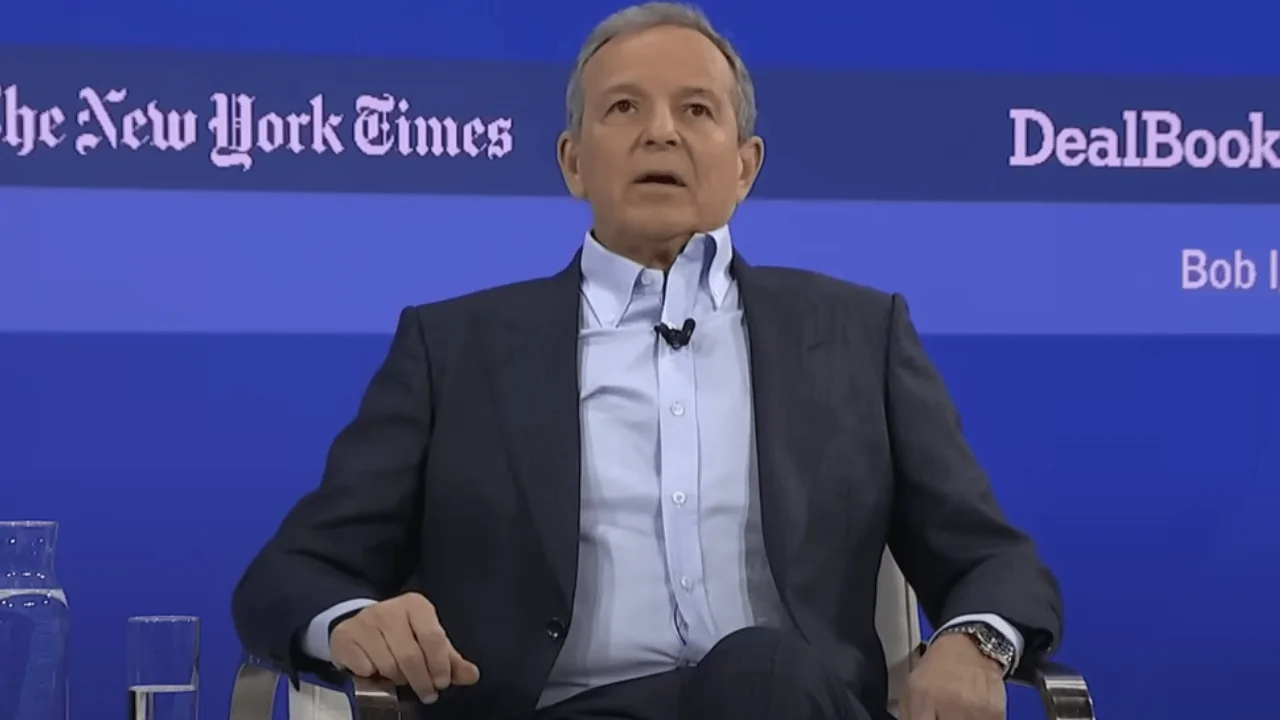
Bob Iger via New York Times Events YouTube
Observers will likely monitor upcoming filings, investor disclosures, internal memos and public-facing employee programs to see whether this shift in language corresponds to a substantive shift in strategy. This time, the title change and filing omission may be less about semantics and more about signaling a new chapter in how Disney defines and deploys inclusion within its global enterprise.
Do you think Disney is really ditching DEI? Sound off in the comments and let us know!
