


The Netflix WB deal continues to send shockwaves through Hollywood, and now Netflix’s top executives are going on record to defend it. In a newly disclosed internal memo, Netflix co-CEOs Ted Sarandos and Greg Peters addressed employee concerns surrounding the company’s proposed acquisition of Warner Bros. studios, HBO, and HBO Max, insisting the deal represents “a win for the entertainment industry” rather than a death knell for Hollywood as critics have claimed.
The memo, revealed through an SEC filing and first reported by Variety, comes as Netflix faces a hostile counteroffer from Paramount Skydance, escalating what has quickly become one of the most aggressive media consolidation battles in decades.
Inside the Netflix WB Acquisition
Netflix formally announced its agreement to acquire WB studios, HBO, and HBO Max on December 5, valuing the deal at $82.7 billion in enterprise value. Just three days later, the situation intensified when Paramount Skydance, led by David Ellison, launched a hostile bid, offering $30 per share directly to Warner Bros. Discovery shareholders—an offer that values the company at $108.4 billion.
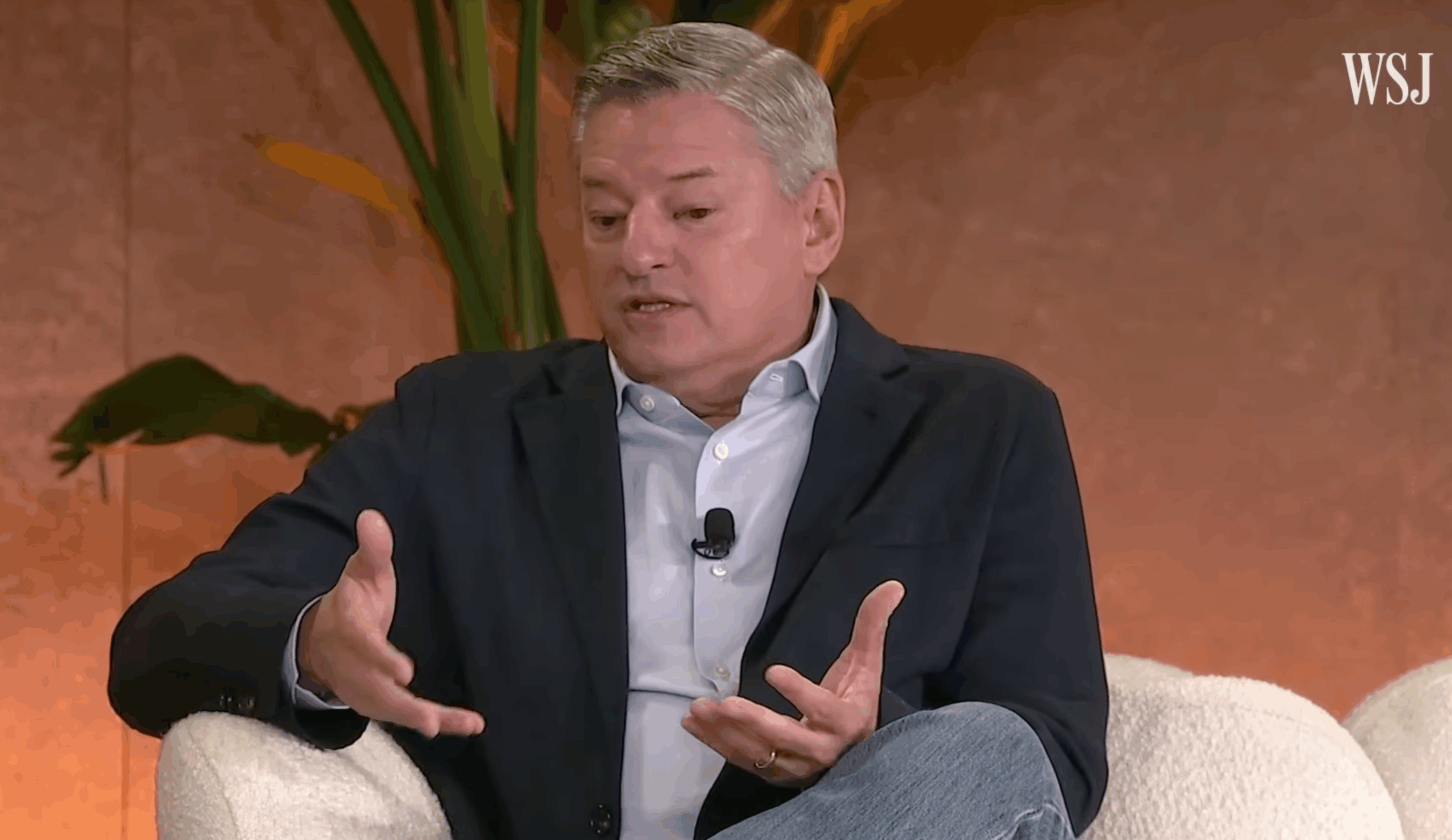
Netflix Co-CEO Ted Sarandos – YouTube, WSJ News
Rather than publicly sparring with Ellison, Sarandos and Peters opted to address Netflix employees directly, acknowledging the challenge while projecting confidence that the Netflix WB deal will ultimately prevail.
Regarding the hostile bid, the CEOs wrote: “It was entirely expected. But, we have a solid deal in place. It’s great for our shareholders, great for consumers, and a strong way to create and protect jobs in the industry. We’re confident we’ll get it over the finish line — and we’re genuinely excited about what’s ahead.”
Regulatory Scrutiny and Market Share Claims
One of the most contentious aspects of the Netflix WB acquisition is whether regulators will allow a streaming giant to absorb one of Hollywood’s most historic studios. Sarandos and Peters addressed that concern head-on, arguing that the combined company would still trail major competitors in overall viewing share.
According to the memo, Netflix cited Nielsen data showing that even after the acquisition, Netflix’s U.S. viewing share would rise from 8% to 9%, still behind YouTube at 13% and even behind a hypothetical Paramount–Warner Bros. combination at 14%.
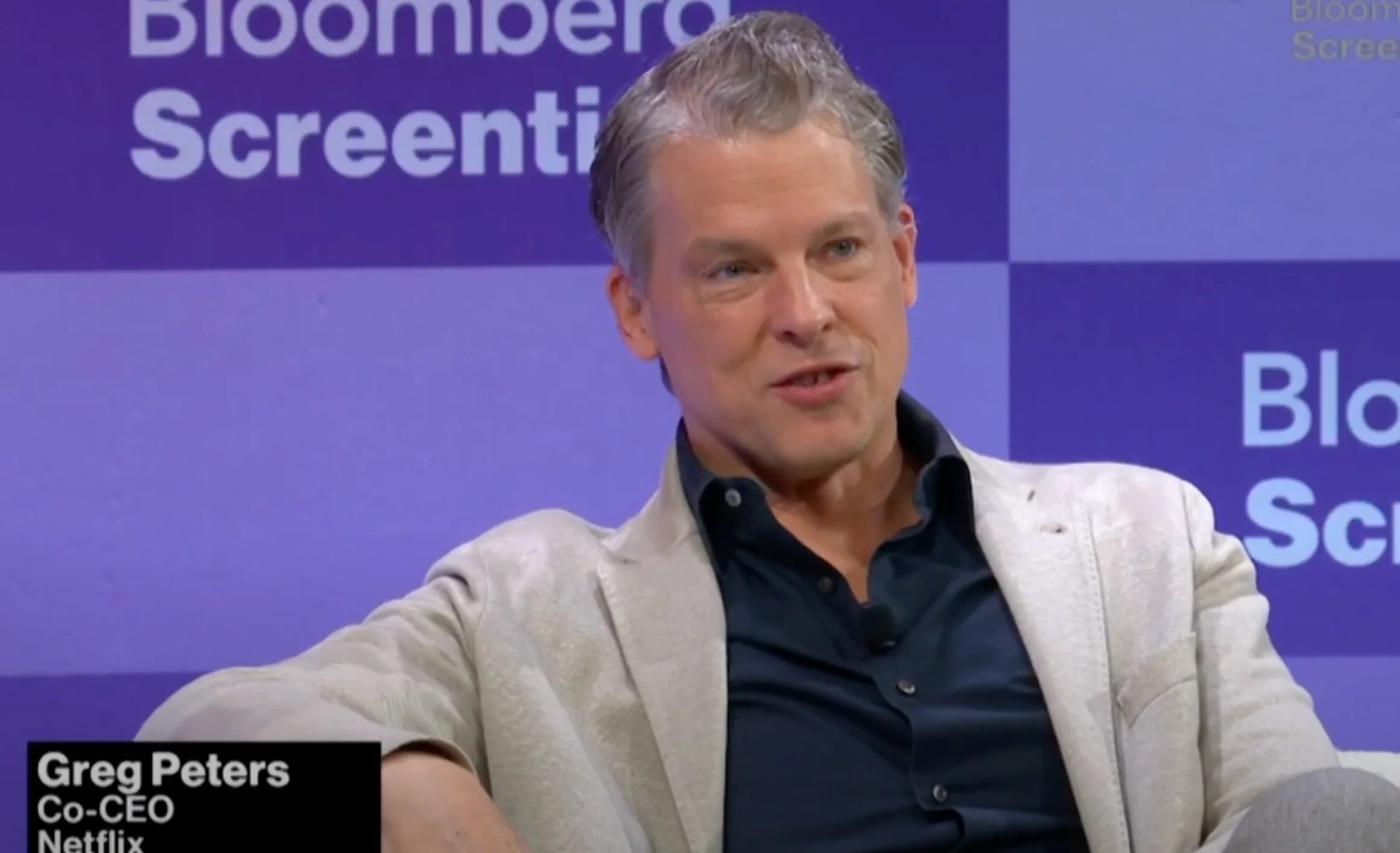
Netflix Co-CEO Greg Peters in an interview with Bloomberg – YouTube, Bloomberg Live
The CEOs wrote: “We believe in this deal — in the value it creates — and we’re confident we’ll get the approvals we need to make it happen.”
They further argued that the transaction is “pro-consumer, pro-innovation, pro-worker, pro-creator, and pro-growth,” signaling Netflix’s expectation that regulators will ultimately sign off on the deal.
Theatrical Releases: Netflix Makes a Key Promise
One of the biggest concerns surrounding the Netflix WB deal has been the future of theatrical releases. Netflix has historically prioritized streaming-first distribution, fueling fears that Warner Bros.’ theatrical legacy could be sidelined.
In their memo, Sarandos and Peters attempted to put those fears to rest, explicitly pledging to keep Warner Bros. films in theaters.
“We’re fully committed to releasing Warner Bros. movies in theaters, just as they do today,” they said.

David Corenswet as Superman flying in James Gunn’s “Superman” – YouTube, DC
The CEOs acknowledged Netflix’s past approach while emphasizing that Warner Bros. represents a fundamental shift in strategy.
“We haven’t prioritized theatrical in the past because that wasn’t our business at Netflix,” they noted. “When this deal closes, we will be in that business.”
They even pointed to recent and upcoming blockbusters as examples, stating that films such as Minecraft and Superman would still have received theatrical releases under Netflix ownership.
‘The End of Hollywood’ or the Next Evolution?
Perhaps the most pointed section of the memo addressed widespread criticism that the Netflix WB deal represents the final step in Hollywood’s decline. Sarandos and Peters rejected that framing outright.
Responding to internal concerns, the CEOs wrote: “We see this as a win for the entertainment industry, not the end of it.”
The Logo for Netflix – Netflix
They argued that Warner Bros. brings capabilities Netflix does not currently possess, stressing that the deal would not result in overlapping operations or studio closures.
“We’re strengthening one of Hollywood’s most iconic studios, supporting jobs, and ensuring a healthy future for film and TV production,” they wrote.
What Comes Next for the Netflix WB Deal?
Despite the mounting headlines and political scrutiny, Netflix leadership emphasized that the company is keeping its focus on long-term goals rather than the daily noise surrounding the acquisition.
Sarandos and Peters told employees that a dedicated internal team is managing the deal while the rest of the company continues working toward Netflix’s broader ambitions for 2026 and beyond.
“Continuing to deliver for our members is the best thing we can focus on,” the statement said.
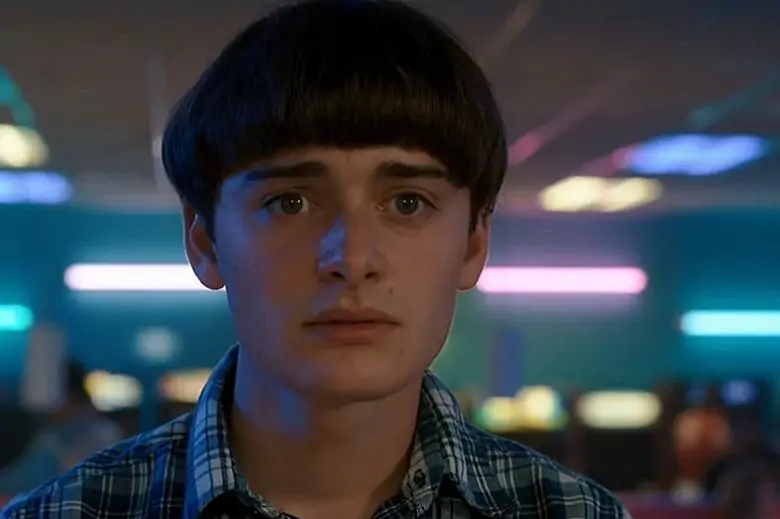
Noah Schnapp plays will Beyers in Stranger Things Season 4 – Netflix
Whether the Netflix WB deal ultimately survives regulatory review—or is derailed by Paramount Skydance’s aggressive counteroffer—remains to be seen. What is clear is that Netflix is positioning itself not as a disruptor tearing Hollywood apart, but as a company betting that consolidation is the only path forward in an increasingly fractured entertainment landscape.
For now, the battle over Warner Bros. is far from over—and Hollywood’s future may depend on how it ends.
Do you think the Netflix WB deal will ultimately prevail? Or will Paramount win out in the end? Sound off in the comments and let us know!
UP NEXT: Rock ‘n’ Roller Coaster Has an Official Closing Date at Disney’s Hollywood Studios
