


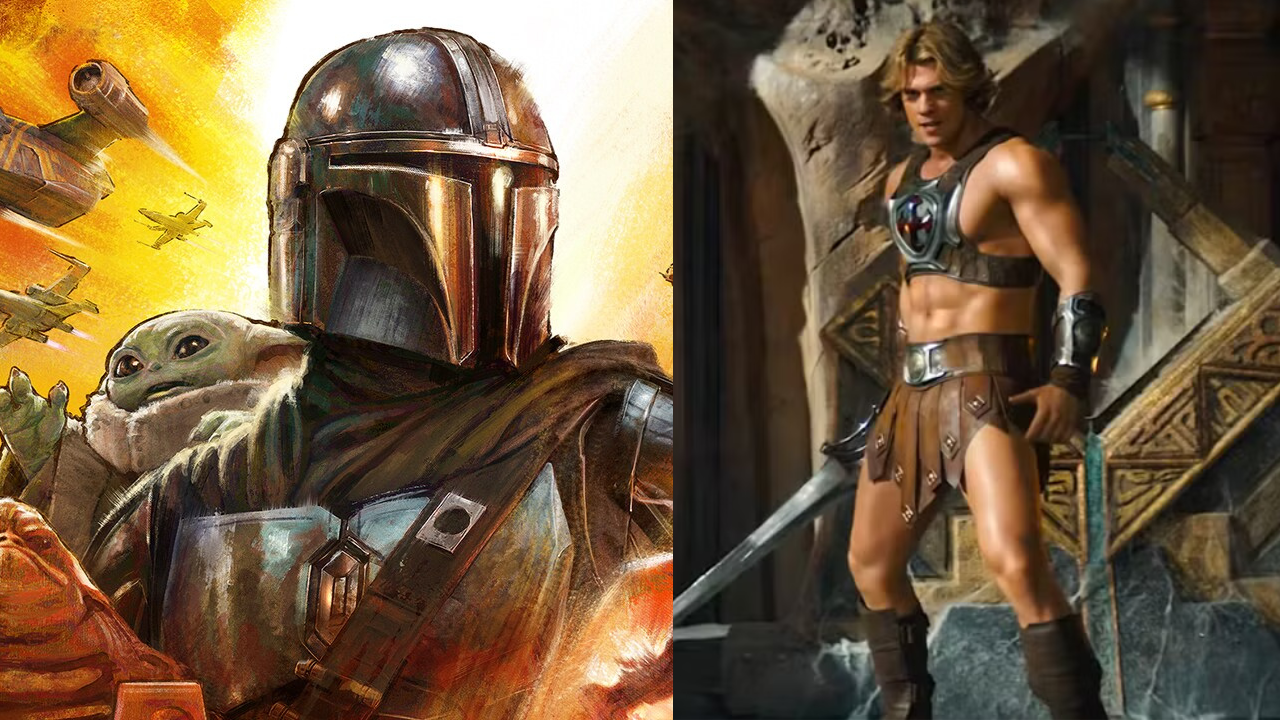
The newly released Masters of the Universe trailer quietly but decisively outperformed the trailer for Star Wars: The Mandalorian and Grogu on YouTube—and not by a narrow margin.
Within just two days of release, the Masters of the Universe trailer surged past 16 million views (it has now reached over 24 million) while the Star Wars counterpart has struggled to reach roughly 10 million views after four months online. That disparity has ignited fresh debate about the current state of legacy franchises, and whether audience enthusiasm is beginning to drift away from once-untouchable brands.
This is so embarrassing pic.twitter.com/iuM3DTBtVr
— Aldo 💛❤️💙 (@ThatWeirdoAldo) January 24, 2026
READ: Chris Pratt Made A Pitch to Marvel for Star-Lord’s Return
What’s more, the Masters of the Universe trailer has garnered 18,000 YouTube dislikes to a whopping 55,000 dislikes for the first theatrical Star Wars release in several years.
At face value, the comparison seems almost absurd. Star Wars remains one of the most recognizable entertainment properties in history, backed by Disney’s massive marketing apparatus and a dedicated YouTube channel with more than twice the subscriber count of the Amazon MGM Studios account hosting Masters of the Universe.
And yet, despite that built-in advantage, the numbers tell a different story.
A Stunning Reversal of Expectations
For decades, Star Wars has existed in a different stratosphere than Masters of the Universe in terms of cultural dominance. He-Man, while beloved, has largely been treated as a nostalgic relic of the 1980s, resurfacing only sporadically through animated revivals or stalled live-action attempts.
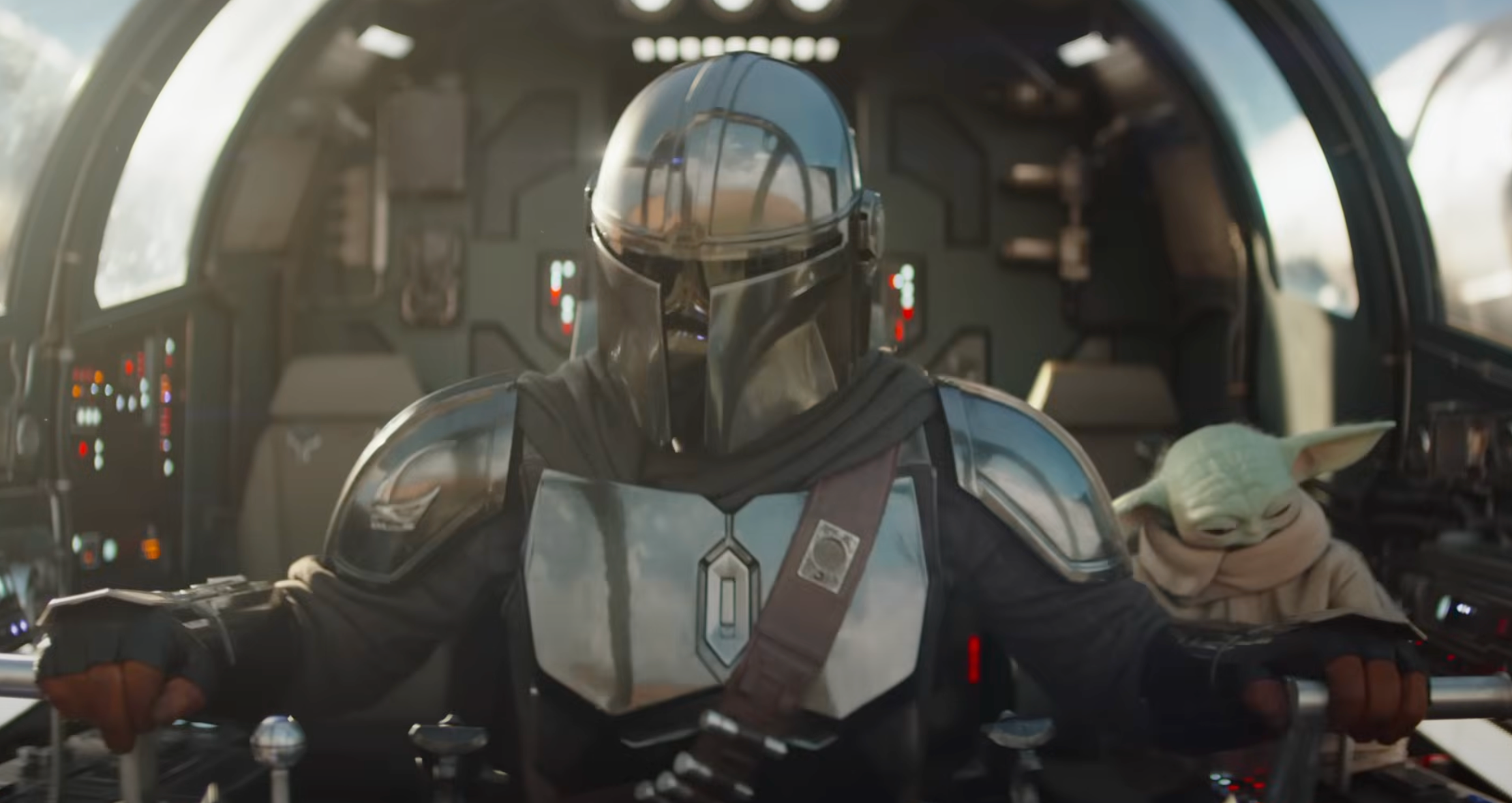
A screenshot from The Mandalorian and Grogu trailer – YouTube, Star Wars
That context makes the current Masters of the Universe Star Wars comparison especially striking. The He-Man trailer didn’t just perform well—it more than doubled the engagement of a new theatrical Star Wars release centered on two of the franchise’s most recognizable modern characters.
Even more notable is the speed of the response. The Masters of the Universe trailer amassed most of its views in a matter of days, suggesting organic curiosity rather than slow, algorithm-driven accumulation. Meanwhile, The Mandalorian and Grogu trailer has remained largely static, despite months of availability and extensive brand familiarity.
Franchise Fatigue vs. Novelty
One explanation is simple: overexposure. Star Wars has been a constant presence for more than a decade, spanning theatrical films, streaming series, animated projects, merchandise lines, and theme park integrations. What was once an event has, for many viewers, become background noise after a series of costly critical misfires.
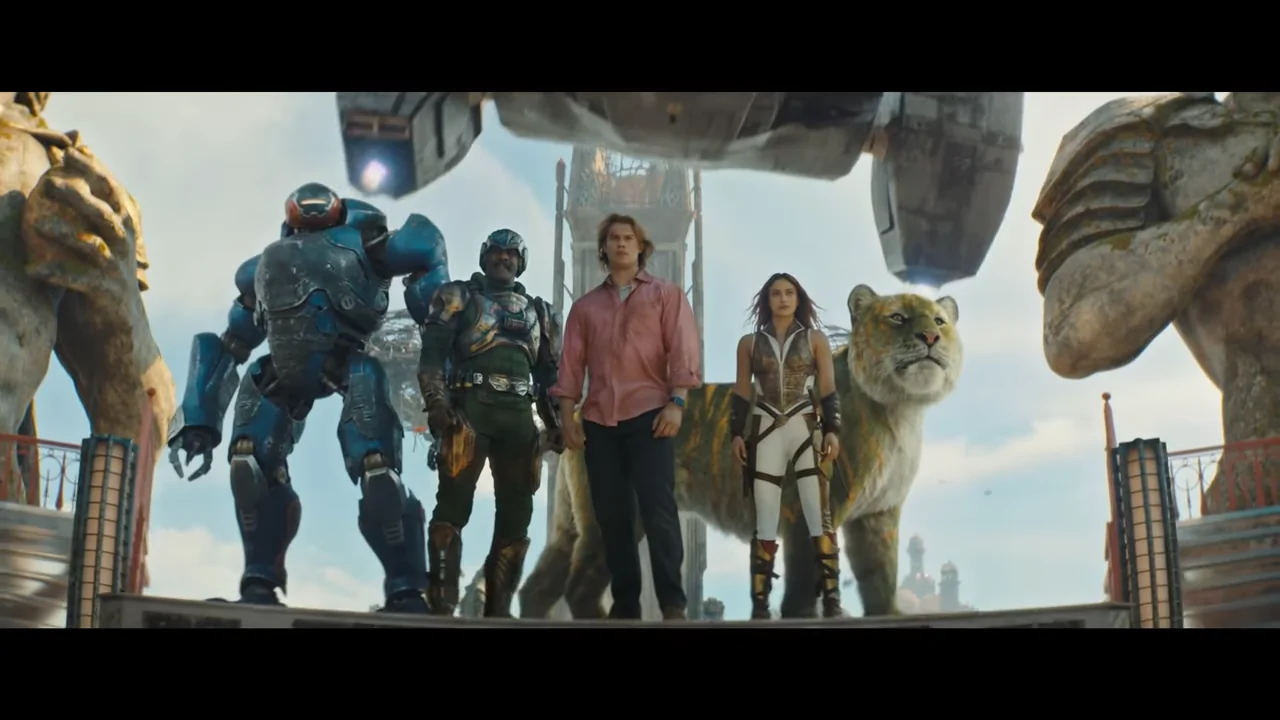
The main cast of Masters of the Universe – Amazon MGM Studios, YouTube
READ: George R.R. Martin Says The ‘Game of Thrones’ Book Ending Won’t be Same as HBO Series
By contrast, Masters of the Universe feels—paradoxically—new. Despite its age, the property has not been saturated in the modern entertainment landscape. The trailer leans heavily into classic heroic imagery, straightforward stakes, and visual spectacle without signaling overt reinvention or deconstruction. For some audiences, that familiarity without exhaustion may be the appeal.
In the broader Masters of the Universe Star Wars debate, novelty doesn’t always mean originality—it can simply mean restraint.
Streaming Origins and Audience Erosion
There’s also the issue of context. The Mandalorian and Grogu is an extension of a Disney+ series whose viewership has reportedly declined over time. While Grogu remains one of Disney’s most marketable creations, brand recognition does not always translate into sustained excitement—especially when audiences feel they’ve already seen the story’s peak.

(L-R): Paz Vizsla and the Mandalorian (Pedro Pascal) in Lucasfilm’s THE BOOK OF BOBA FETT, exclusively on Disney+. © 2022 Lucasfilm Ltd. & ™. All Rights Reserved.
The trailer’s muted response may reflect broader skepticism about whether Star Wars theatrical releases can still generate the same urgency they once did, particularly when tied so closely to streaming-era storytelling.
Not Just Star Wars Feeling the Pressure
The ripple effect goes beyond Lucasfilm. Several recent Marvel trailers, including those tied to Avengers: Doomsday, have posted view counts comparable to—or lower than—the Masters of the Universe trailer, despite significantly larger marketing footprints. While release strategies and theatrical previews play a role, the pattern reinforces a growing perception that major franchises are no longer guaranteed automatic enthusiasm.
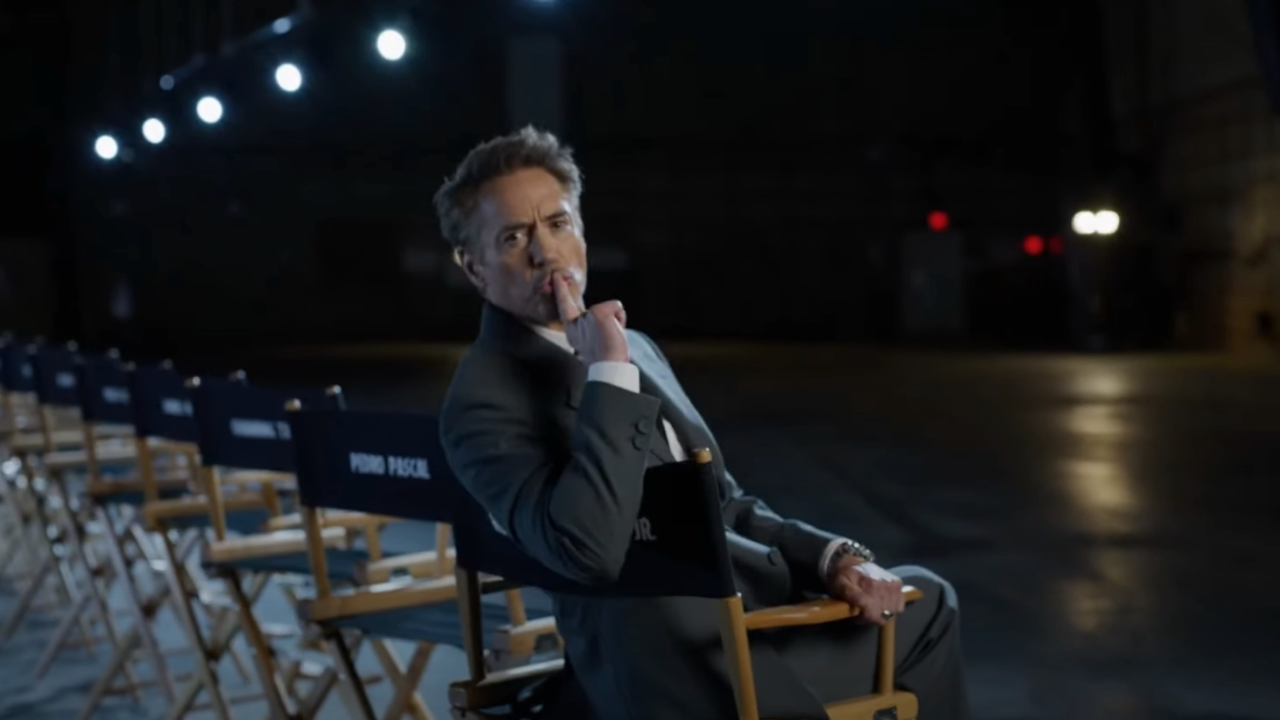
Robert Downey Jr. at the Avengers Doomsday cast reveal – YouTube, IGN
READ: Stephen Colbert Ratings Collapse to Record Lows as Late Show Nears Cancellation
In that light, the Masters of the Universe Star Wars comparison becomes less about one brand beating another and more about shifting audience behavior when it comes to Disney-owned IPs.
What Comes Next
Trailer views don’t guarantee box office success, and opening weekends will ultimately determine how these films perform financially. The Mandalorian and Grogu is still scheduled to arrive in theaters before Masters of the Universe, giving it time to regain momentum.
Still, the early data point is hard to ignore. When a long-dormant property like He-Man can command more immediate attention than Star Wars, it suggests that audiences may be reevaluating what they want from big-budget franchise entertainment.
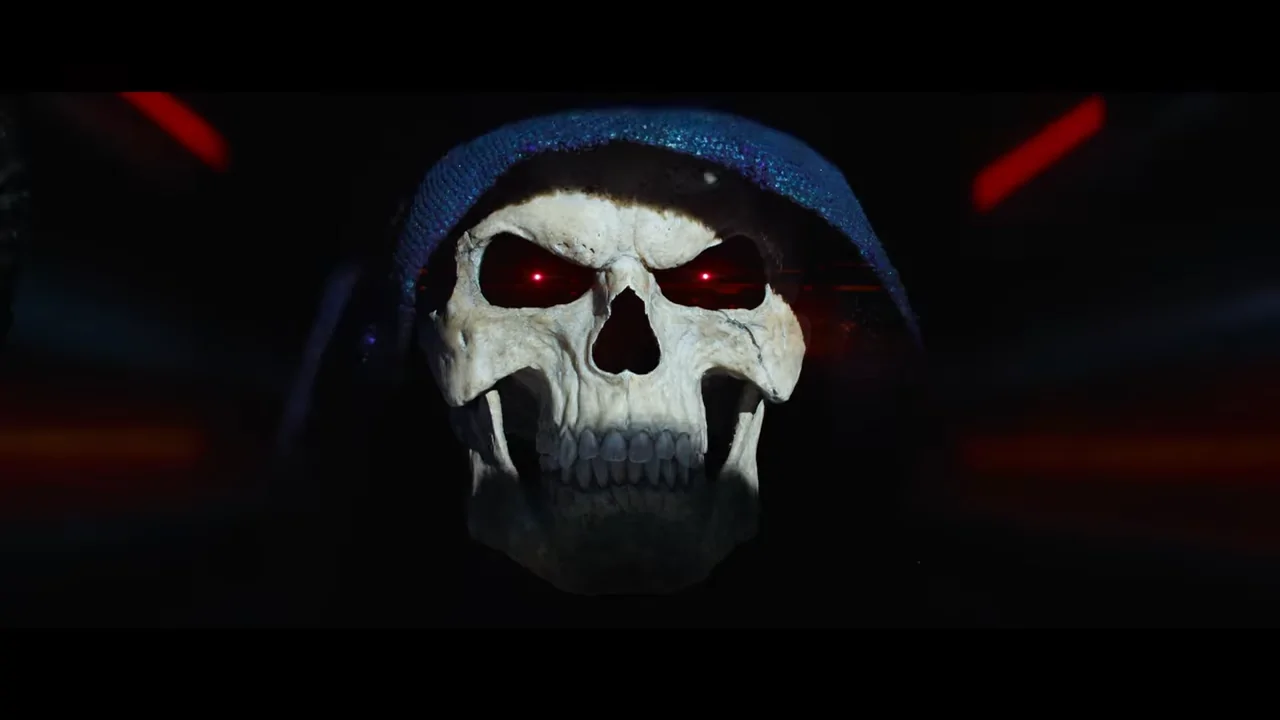
Jared Leto as Skeletor in Masters of the Universe – Amazon MGM Studios, YouTube
Whether this moment represents a temporary spike or a longer-term realignment remains to be seen—but for now, Masters of the Universe has accomplished something few would have predicted: outshining Star Wars at its own game, at least where first impressions are concerned.
Are you surprised Masters of the Universe has more views than Star Wars? Sound off in the comments and let us know!
