


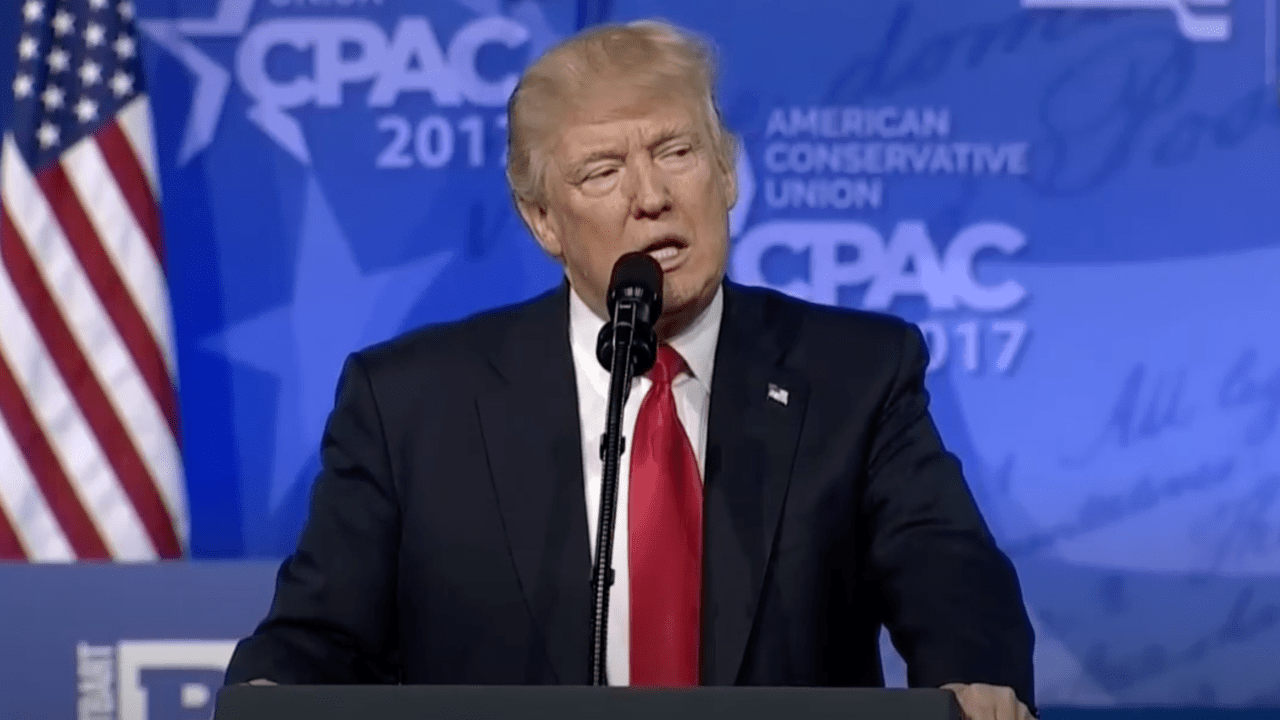
President Trump is once again pressing the idea of Film Tariffs, signaling that he still wants to impose penalties on movies made outside the United States while simultaneously proposing a financing mechanism aimed at bringing film production back to Los Angeles.
In comments to the New York Post and its California offshoot, Trump said, “I’m going to be putting tariffs on movies from outside of the country — if they’re made in Canada, if they’re made in all these places, because Los Angeles has lost the movie industry.” He followed that by outlining a second approach, adding, “And so I’m going to put tariffs on and we’re going to be doing bonds, some bonds, some low-interest bonds, for the movie industry. We’ll bring it back.”
The remarks, reported by Deadline, show that the President has not backed away from a policy idea that previously rattled Hollywood and raised significant legal and logistical questions.
A Policy Trump Hasn’t Abandoned
Trump first floated the idea of 100% film tariffs on movies made in other countries in May. At the time, the White House walked back the announcement, saying the concept was still under review. Nevertheless, Trump’s latest comments indicate he remains committed to the underlying goal of discouraging overseas production.
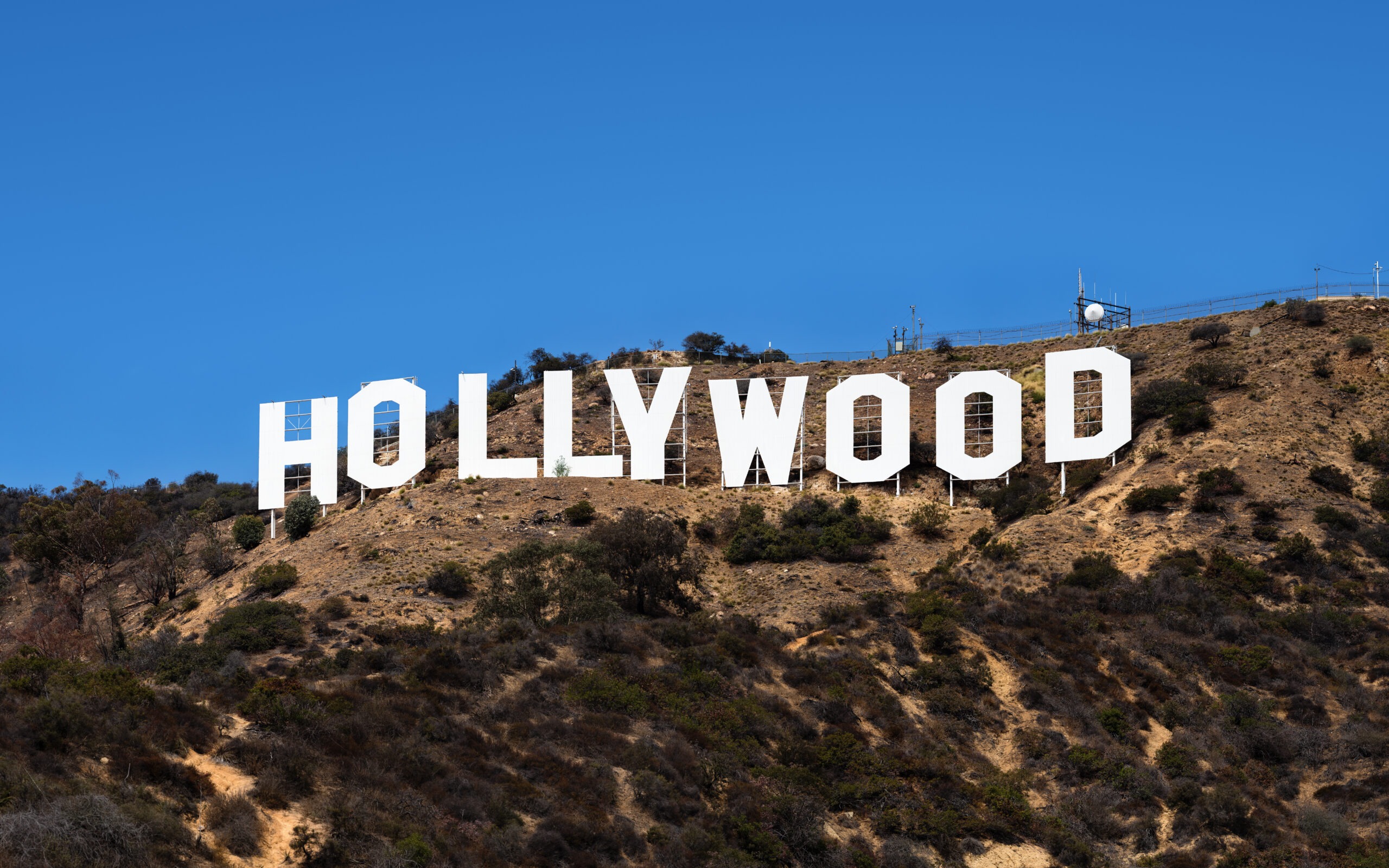
The Hollywood Sign – Photo Credit: Thomas Wolf, www.foto-tw.de, CC BY-SA 3.0 <https://creativecommons.org/licenses/by-sa/3.0>, via Wikimedia Commons
READ: Clair Obscur: Expedition 33 Sets New Record for Most “Game of the Year” Awards
The President offered no new details on how such tariffs would be implemented, nor did he explain how a bond program for the movie industry would be structured. Deadline notes explicitly that Trump “did not elaborate on any details of a bond program.”
Despite the lack of specifics, the renewed rhetoric alone has revived industry concerns that federal policy could attempt to intervene directly in where and how films are made.
Legal Barriers and Tariff Authority Questions
One of the central problems with Trump Film Tariffs is whether the President has the authority to impose them at all.
As Deadline reports, Trump’s tariff powers are currently being challenged in court, with the Supreme Court expected to rule on whether he can impose duties across a broad range of countries. Complicating matters further, movies are explicitly listed as an exception under the International Emergency Economic Powers Act, the statute often cited to justify emergency trade actions.

U.S. President Donald Trump sits for an interview with ABC News – YouTube, ABC News
There is also the unresolved issue of how tariffs would apply to services, since film production is not a simple physical import in the way manufactured goods are. Modern film projects frequently involve international financing, overseas shooting locations, and distributed post-production pipelines.
Industry Dependence on Overseas Incentives
The Deadline article emphasizes that major Hollywood studios have become deeply dependent on generous tax incentives offered by countries such as the United Kingdom, Canada, and Australia. These incentives have been a key reason large tentpole films increasingly shoot outside California.
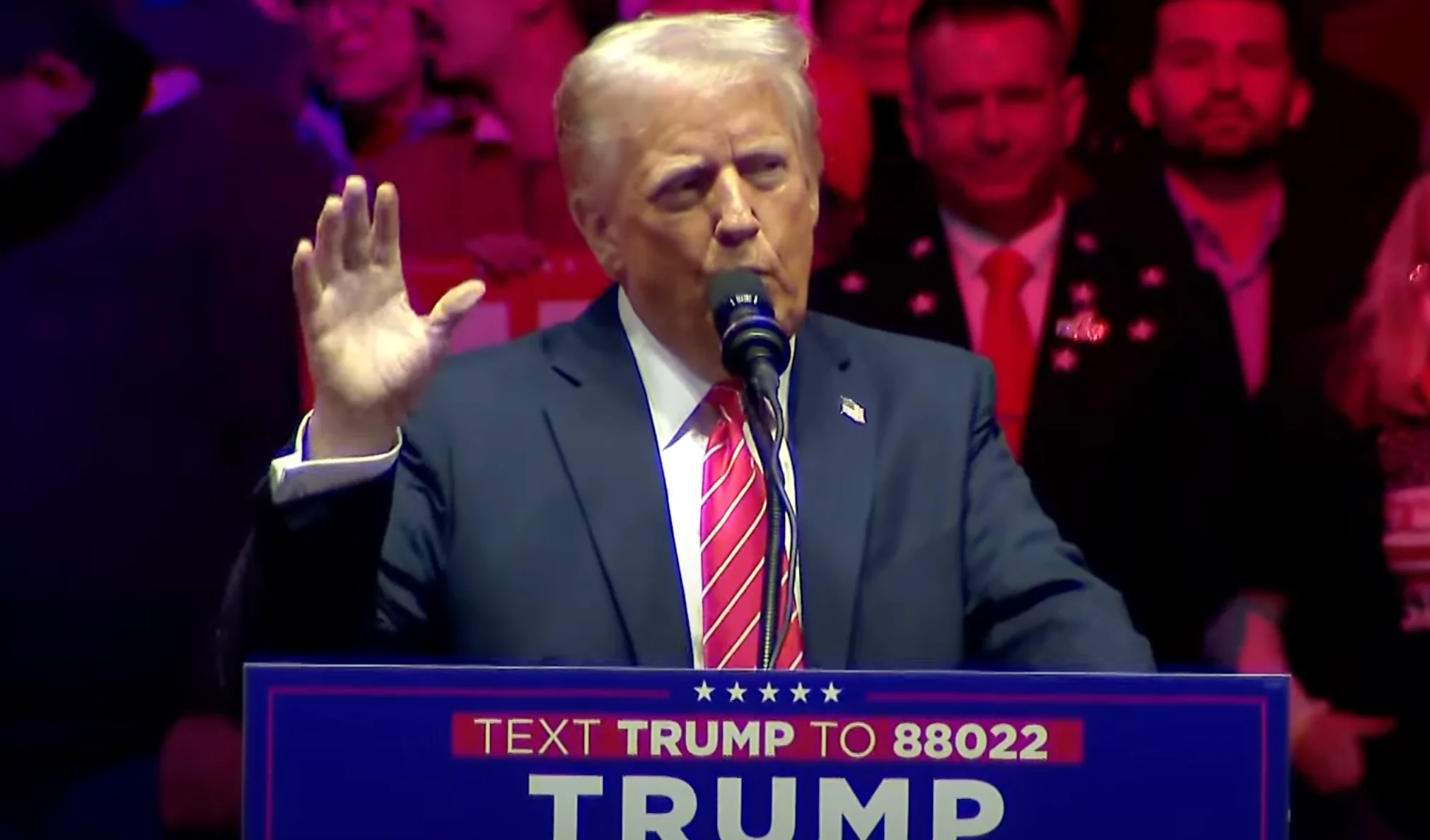
Donald Trump speaks at a rally the night before being inaugurated as the 47th President of the United States of America – YouTube, Washington Post
READ: Daisy Ridley Casts Doubt on Rey Star Wars Movie News in 2026 — Has This Film Been Canceled?
Studios have also expressed concern that any attempt to restrict overseas filming outright could raise costs significantly at a time when production budgets are already under pressure.
The Motion Picture Association declined to comment directly on Trump’s renewed tariff talk.
Incentives Versus Penalties
After earlier Trump film tariffs comments in May, Deadline reports that industry representatives worked behind the scenes to redirect the conversation toward expanded federal incentives rather than punitive measures. WME Group Executive Chairman Ari Emanuel was among those urging the President to consider incentive-based solutions instead of tariffs.
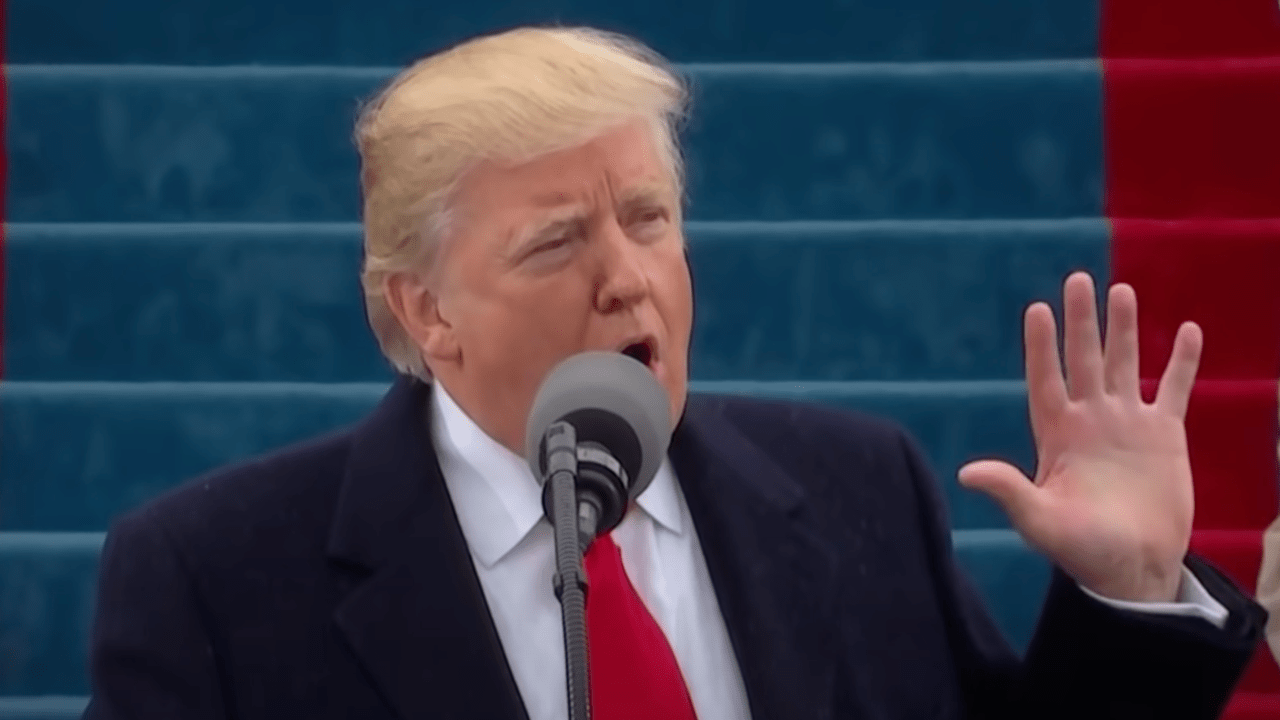
Donald Trump speaks at his inauguration in 2017 – YouTube, ABC News
Trump’s latest comments suggest he is now publicly pairing both approaches — threatening tariffs while also floating the idea of low-interest bonds — even though neither policy has been defined in concrete terms.
What Happens Next
For now, Trump film tariffs remain a political statement rather than a formal proposal. There is no framework outlining how tariffs would be applied, how bonds would be issued, or how either policy would interact with existing state and international incentive programs.
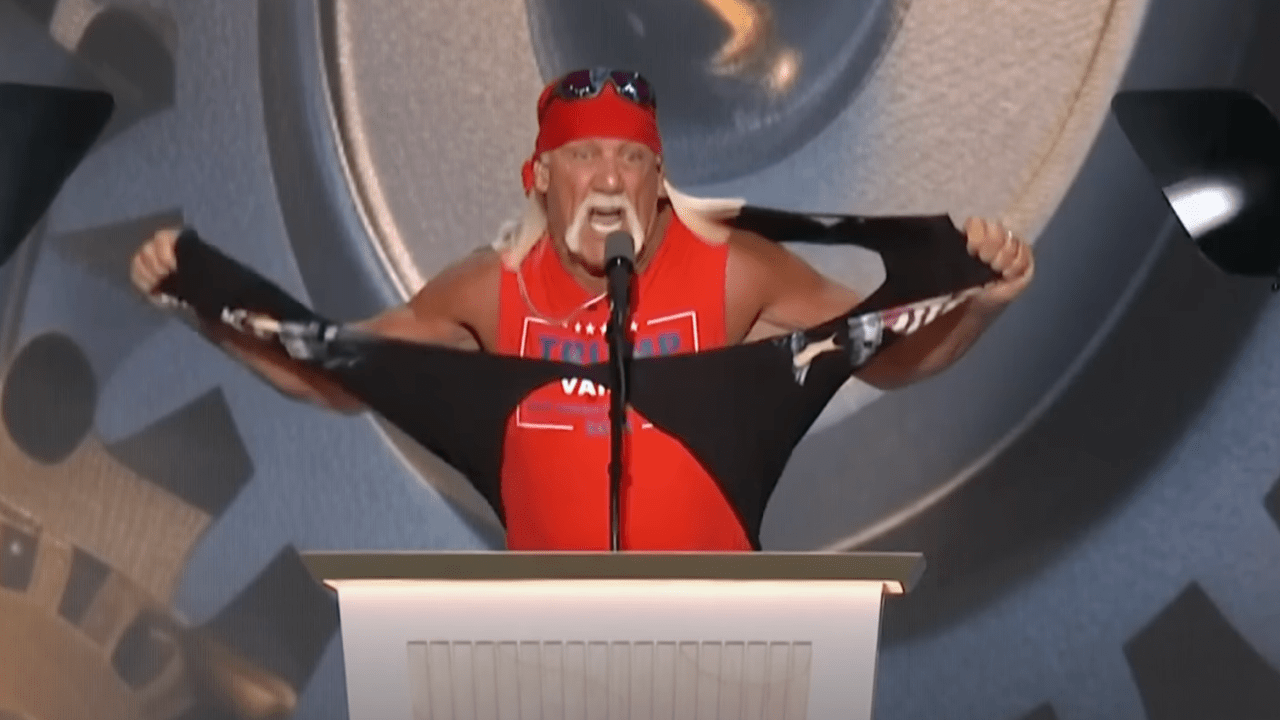
Hulk Hogan speaks at the RNC in support of Donald Trump – YouTube, Bloomberg Television
President Trump continues to frame Hollywood’s production flight as a problem worth federal intervention. Whether that intervention comes in the form of penalties, incentives, or remains rhetorical will depend on legal rulings, industry pushback, and whether the administration turns these remarks into actionable policy.
Do you think Trump will impose film tariffs on foreign-made movies? Sound off in the comments and let us know!
UP NEXT: Mass Layoffs Hit Avengers Doomsday Production Company as Russo Brothers Cut 15% of Staff
