


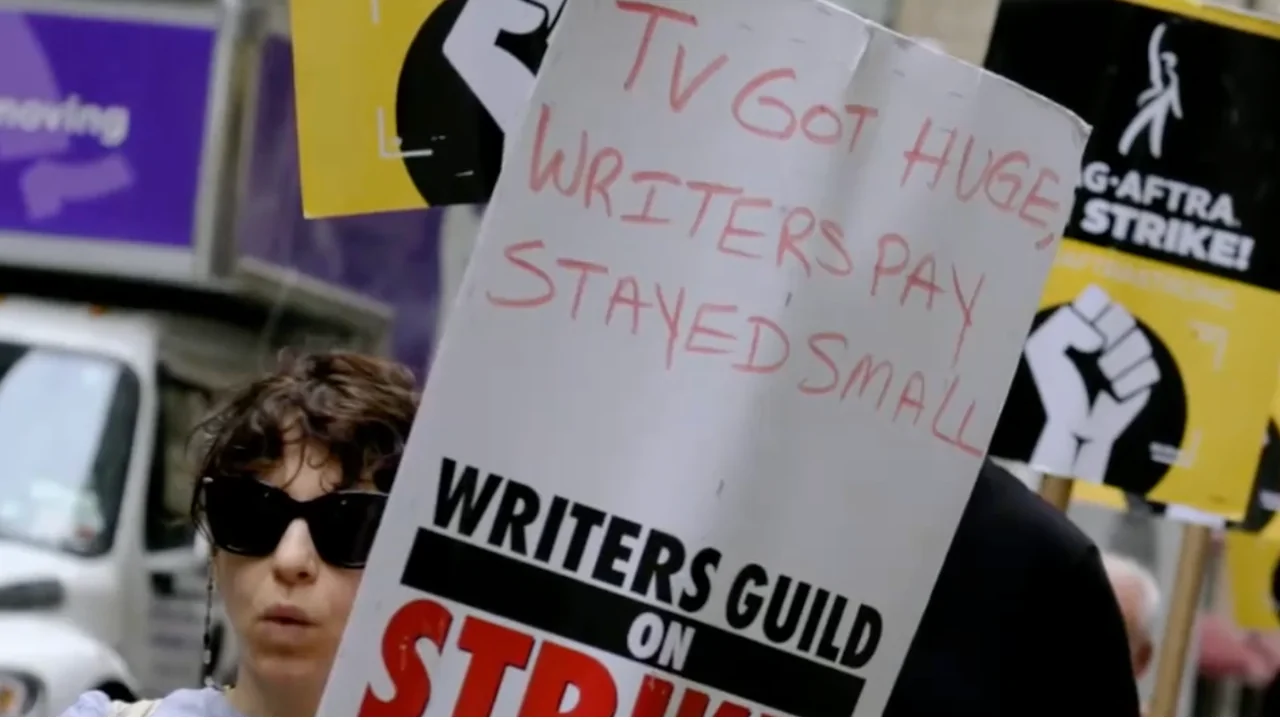
As news of a WGA member strike against guild leadership heats up, LW Ghost is here to explain the ins and outs of how these unions actually work.
As the season of contracts and negotiations approaches, there is a lot of press—informed and otherwise—and general speculation going on, which is to be expected. To help YOU navigate through the nonsense however, I’ve been asked to explain how, in general, these organizations known as Guilds, Unions, etc. etc. actually are managed.
Here goes:
FIRST, we have the MEMBERSHIP, i.e. the folks whose work has put a card in their wallets and a resume, short or long, in their portfolio and who do the acting, writing, directing, gripping, whatever. THEY elect leaders, i.e. Guild Presidents Vice Presidents Secretaries, and Council or Board members who titularly run the place and who decide policy and who rally the troops to vote for/against contracts and provisions thereof.
Tom Cruise as Les Grossman in Tropic Thunder – YouTube, The Nostalgia Zone
SECOND, we have the professional staffs who RUN the backstage works—the offices, the residuals, the “business” of being in business as a modern entity. These are chosen BY said MEMBER leaders and have names like “Executive Director” or the like.
They’re everything from lawyers to secretaries to “Field Reps” who go out to look over sets to make sure rules are being followed, and a huge staff of research folks who crunch the numbers so that, for example, when the MEMBERS want to put a new factor into the contract at negotiation time, the STAFF knows and keeps Member leaders informed about what the cost or gain of said proposal will be. They also to give advice not only on what is legal under larger labor laws (NLRB stuff) but what is precedential, customary, and stuff like that.
Every sensible person in the biz knows this is how it works and every entertainment legal eagle certainly knows it, too. So when we read (as we did and what prompted this article) a posting allegedly from a major industry journal that the “staff” is “rejecting” the “membership”s proposal, well, that’s just dumb because they legally cannot.
They can advise against it, but they’re not in charge, the members are.
Bob Iger via CNBC Television YouTube
Now on the OTHER side of the table we have (a) the studios and production companies—TV, film, streaming etc. etc. who employ people as signatories TO the negotiated contracts and who (b) join together as an organization. When the employer orgs meet to talk to the employee orgs, we have what is known as “Collective Bargaining” which means the deals struck are between the GROUPS, not the individuals in any one or more of them.
Why is THAT important?
You know by now that these contracts run for three years, but what happens if one side thinks the other side is cheating or doing something different than the terms on paper?
WBD CEO David Zaslav Speaks at a New York Times event – YouTube, New York Times Events
Somebody files what’s known as a “Grievance”—i.e. a notice that Houston (or Hollywood) we’ve got a problem that needs to be attended to long before the whole contract runs out. Now IN said contracts, each side—the Producers on the one hand and the Guild or Union on the other, put up a slate of about 20 independent lawyers with expertise in showbiz contracts to be a kind of pool of potential grievance-judgers. One is ultimately chosen.
Both sides present their cases, that person rules, and both sides agree to the results. HOWEVER whether those results will apply only to the one specific case or across the board is ALSO negotiated, and that may affect the results.
Just as a “for instance” Yours Truly has been a witness in several grievance cases, and in one where I was the “plaintiff” with a beef against how I’d been paid, etc. etc.

Tom Cruise as Les Grossman in Tropic Thunder – YouTube, The Nostalgia Zone
The way I and the Guild figured it, I’d been underpaid about $8500. These grievances can run for a year before they “come to trial” and usually do, but in the last week or two before the date of the hearing, both sides talk and usually try to cut a deal. Remember, my Guild is not negotiating for ME, they are defending the CONTRACT terms.
So when, a week or so before the hearing, I got a call saying “How would you feel about accepting $3500?” My reply, like yours I’ll bet was, “I’d feel like I’d rather have other $5k too.”
THEN it gets explained to you that no, the Guild is not working personally for YOU but for ITS contract, and that the other side offered this in compromise for AGREEING TO MAKE THIS DECISION BINDING FOR ALL IN FUTURE….which they didn’t have to do even if they paid me the full amount. And that is the deal that was made “for the good of the contract” and at least I had the slight satisfaction of knowing nobody on THAT side would screw anyone on OUR side that way again. They’d have to find a NEW way!
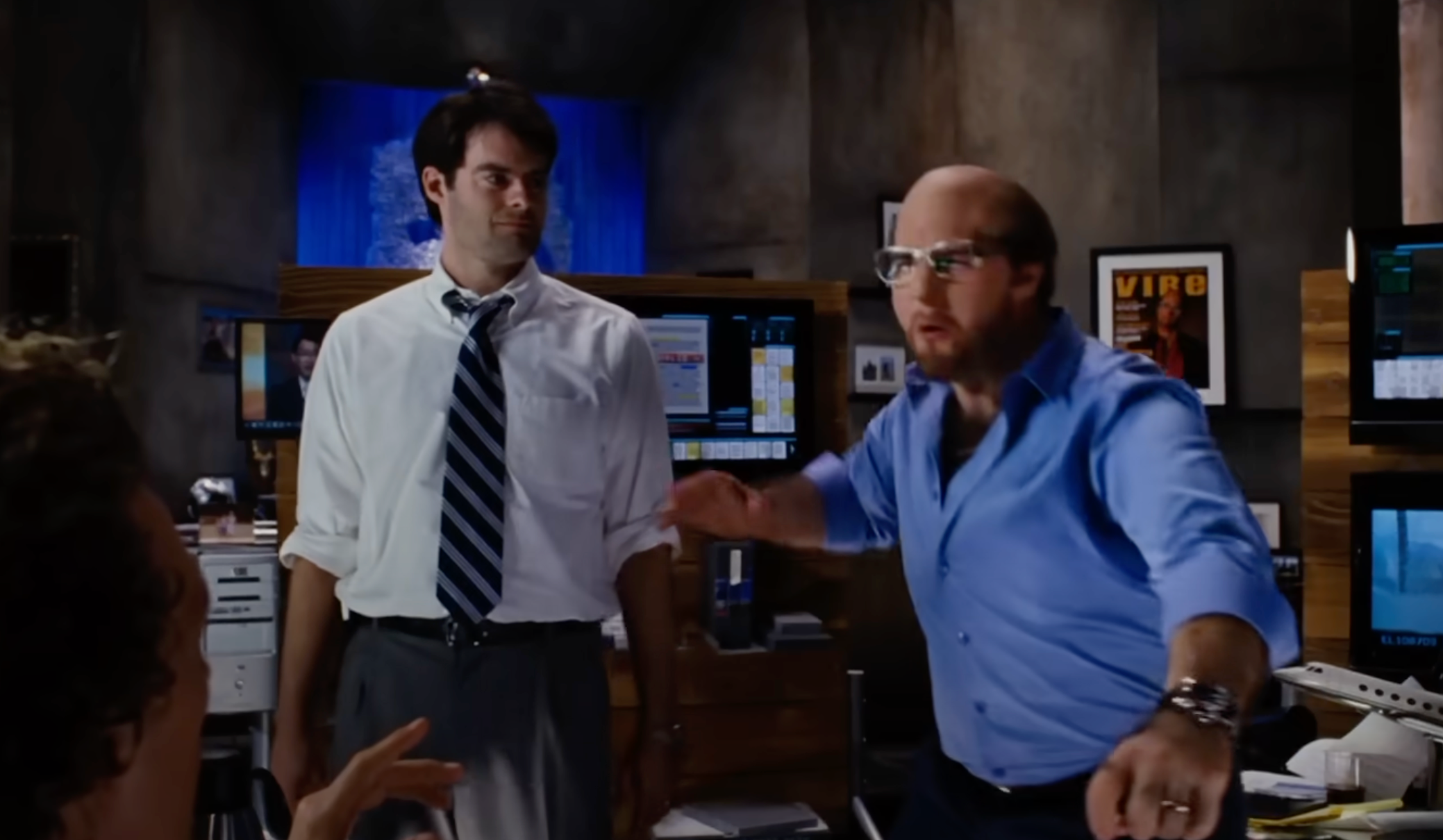
Tom Cruise as Les Grossman in Tropic Thunder – YouTube, The Nostalgia Zone
So I hope this gives you a sense of how things work—the real world is more complex of course, but it should ground you when reading all the kerfuffle that will show up in the media, especially the non-pros online but often even the big guys who should know better.
It should AlSO insulate you from things that dismiss the famous folks who are the Membership Leaders as names only, or from discounting the role the pro staffers play. OF COURSE…neither all leaders nor all staffs are created equal, but more on that another time.
Them’s the facts, Jack. THAT is why I’m here, and why the entire ProTPP network is, too.
UP NEXT: BREAKING: Don Lemon Arrested as Federal Authorities Escalate Church Protest Case
