


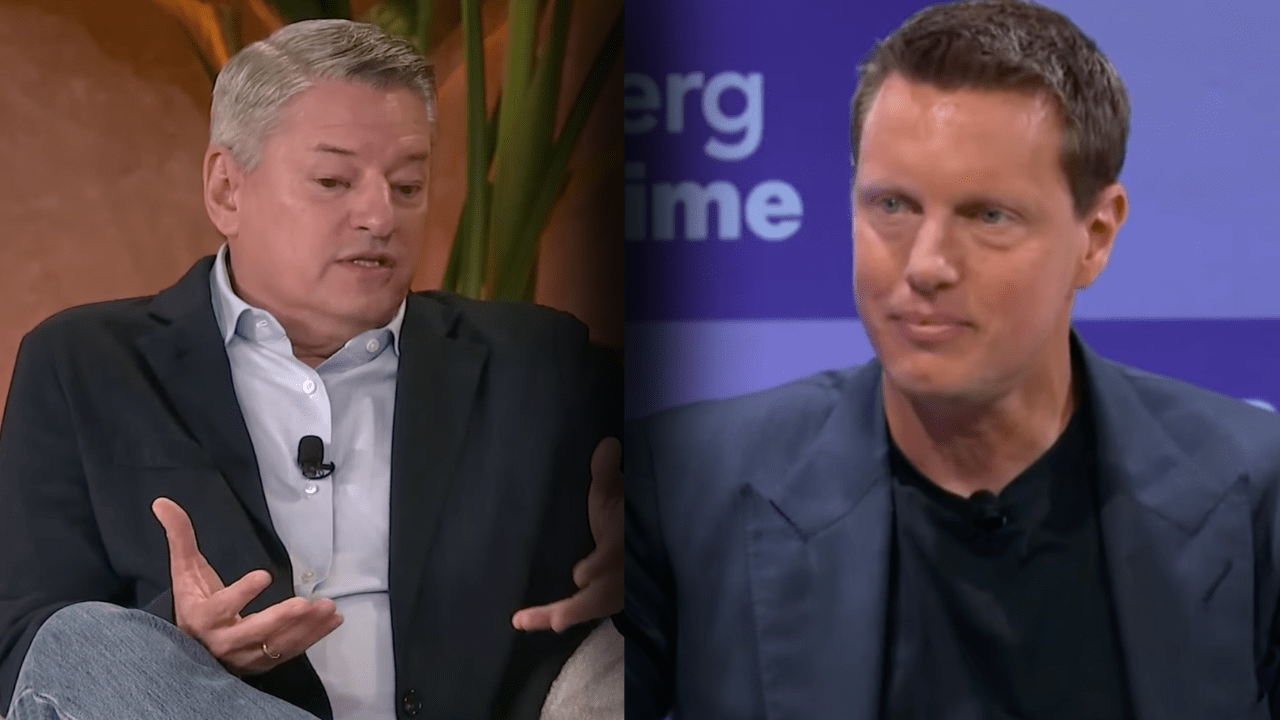
The battle over Warner Bros. Discovery’s future is no longer confined to corporate boardrooms — it’s now playing out in Washington between Paramount’s David Ellison and Netflix.
In a detailed letter to Senator Cory Booker, Skydance CEO David Ellison issued a sweeping warning about a potential Netflix acquisition of Warner Bros. Discovery, arguing the deal would fundamentally reshape — and potentially destabilize — the modern entertainment marketplace.
At the same time, Ellison positioned Skydance and Paramount’s own merger ambitions as the pro-competitive alternative, setting the stage for a high-stakes regulatory and industry showdown.
Ellison Frames Netflix Deal As Existential Competitive Threat
Ellison opened his argument by attacking the competitive implications head-on.
“The proposed transaction between Netflix and Warner Bros. Discovery represents a fundamental threat to fair competition in the entertainment industry,” he said.
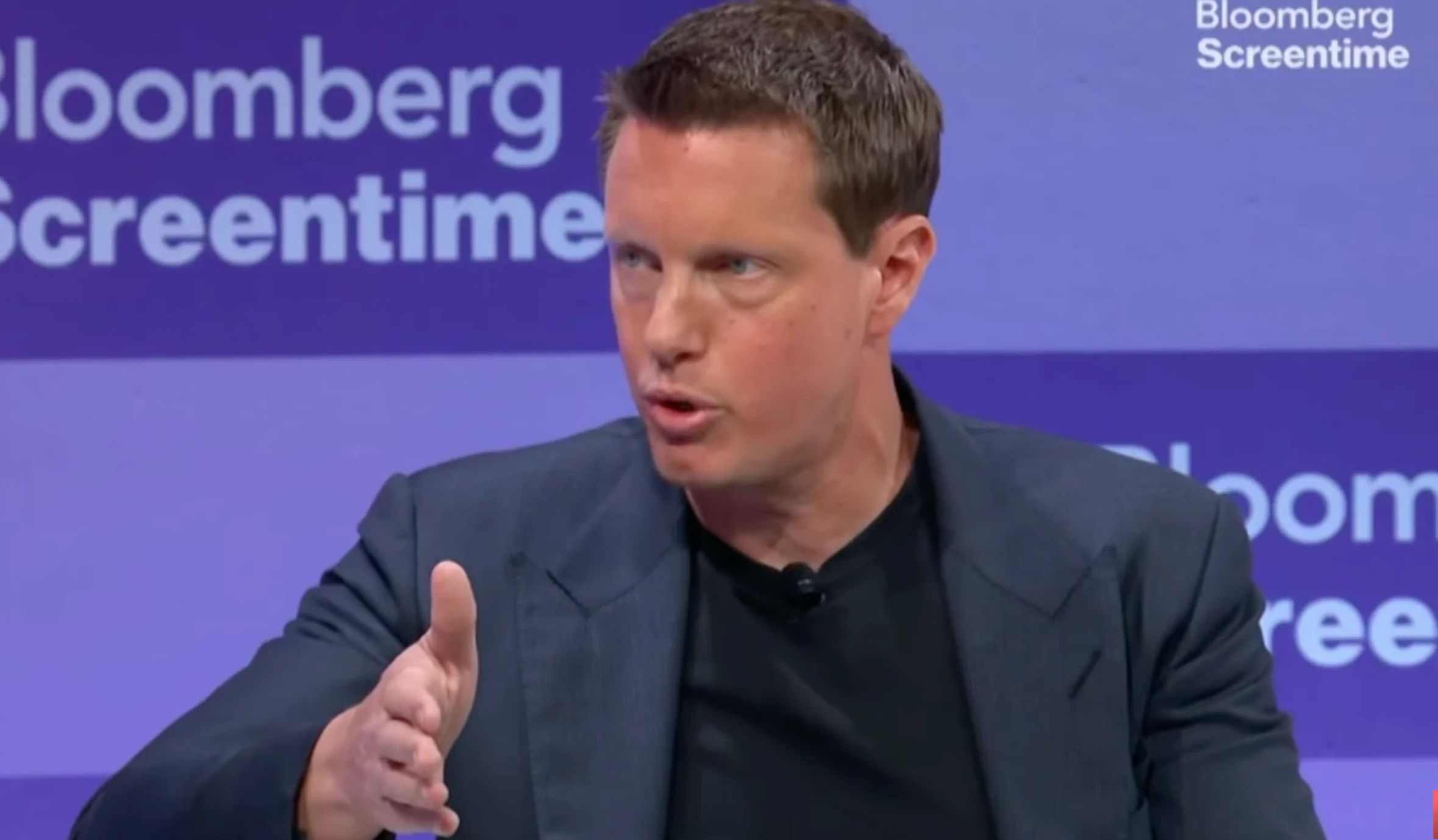
David Ellison in an interview with Bloomberg – YouTube, Bloomberg Podcasts
He warned regulators that the merger would create unprecedented market consolidation.
“If permitted to proceed, the deal would consolidate an unprecedented degree of market power in the hands of a single dominant company.”
And he escalated the language further:
“I firmly believe that this proposed merger with Netflix would not advance competition, but rather extinguish it.”
Vecna confronts Will in Stranger Things 5 – Netflix
This framing is deliberate. Ellison isn’t arguing the deal is merely large — he’s arguing it crosses into antitrust territory where scale becomes structural dominance.
By invoking the “extinguish competition” language, he’s signaling regulators to evaluate the merger not as vertical integration, but as horizontal market consolidation — historically the type most likely to face scrutiny.
Market Share: From Leader to Gatekeeper
A central pillar of Ellison’s case revolves around Netflix’s existing scale advantage.
“Allowing Netflix to acquire Warner Bros., however, would not simply maintain that market dominance, but would cement that position and make it virtually impossible for anyone to challenge Netflix,” he said.
He cited viewership data to quantify that dominance.
“Netflix… now controls roughly 37% of all streaming viewership in the United States—far more than any competitor.”
A graphic showing the Netflix and Warner Bros. Logos – Netflix
READ: FCC Launches Enforcement Proceedings Against The View Over Equal Time Concerns
With Warner Bros. folded in: “A combined Netflix / Warner Bros. entity would control approximately 43% percent of all viewership of subscription streaming in the United States.”
That jump moves Netflix from market leader to market gatekeeper. Warner Bros. Discovery isn’t just another studio; it controls HBO, Warner Bros. film libraries, DC, Turner networks, and one of the largest legacy content vaults in Hollywood.
Absorbing that catalog would dramatically expand Netflix’s licensing leverage, subscriber acquisition power, and pricing flexibility.
The “Streaming Wars” Would Effectively End
Ellison argues consolidation would halt the competitive investment cycle that defined the last decade.
“Financial experts have concluded that if Netflix acquires Warner Bros., the streaming competition that has benefited consumers over the past decade would effectively be over,” he claimed. “The so-called ‘streaming wars’… would reach an abrupt and harmful end.”
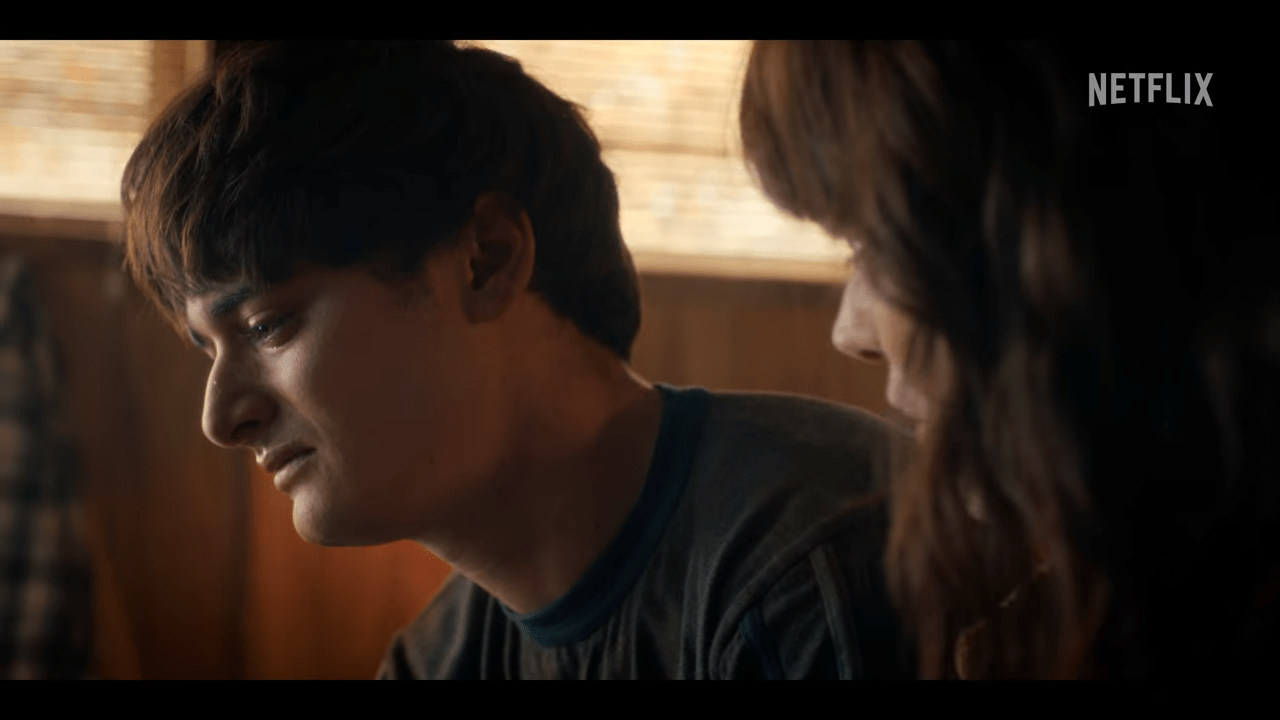
Will Byers (Noah Schnapp) – YouTube, Netflix
The streaming boom triggered an arms race among platforms, with studios pouring billions into exclusive films and series to attract subscribers. That competition helped suppress subscription prices, fueled aggressive content spending, and drove experimentation with release strategies, advertising tiers, and platform bundles as each service fought to differentiate itself.
If one platform achieves runaway scale, the incentive to compete aggressively diminishes — particularly in content spend and subscriber pricing.
In other words: fewer competitors often means fewer risks taken.
Rejecting Netflix’s “We Compete With Everyone” Defense
Netflix has argued it competes with all video platforms — including YouTube and social media.
Ellison dismissed that outright.
“This argument is not credible,” he said… “Subscription streamers like Netflix, charge consumers a monthly subscription fee for access to professionally produced, high-quality content…Creating the narrative that Facebook, Instagram, or YouTube are true substitutes… is more fantasy than most of the content on television.”
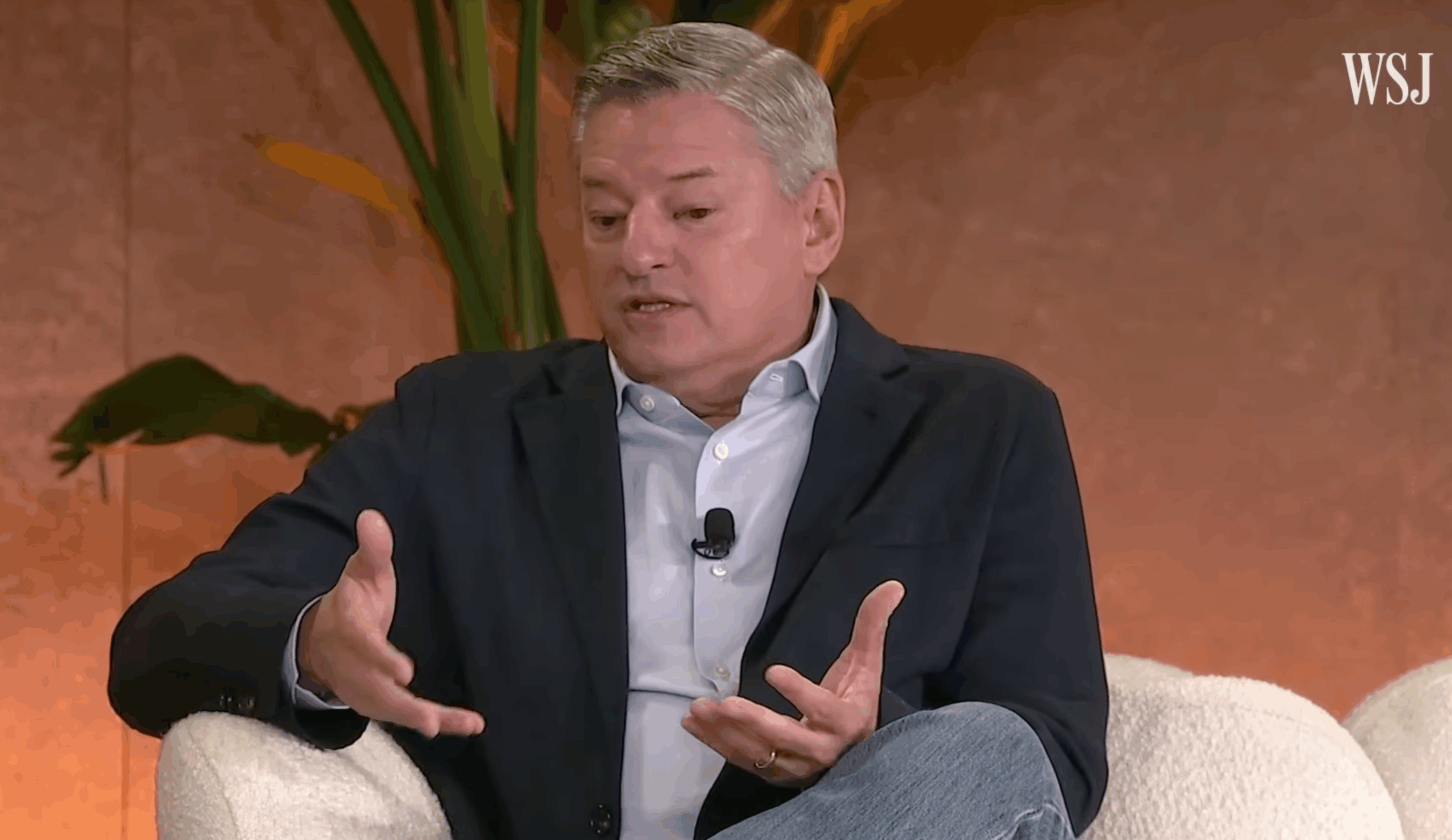
Netflix Co-CEO Ted Sarandos – YouTube, WSJ News
This is a key antitrust distinction.
User-generated platforms monetize differently, produce different content, and don’t compete for the same licensing deals or production budgets.
If regulators accept Netflix’s broader “attention economy” argument, traditional media mergers become harder to block.
Ellison is trying to narrow the competitive field definition — which strengthens antitrust concerns.
Consumer Impact: Pricing & Choice
Ellison also warned the cost impact would hit consumers directly.
“The most tangible harm… would be felt by consumers through higher prices and fewer options,” he said. “Consumers will be harmed over the medium and long term…”
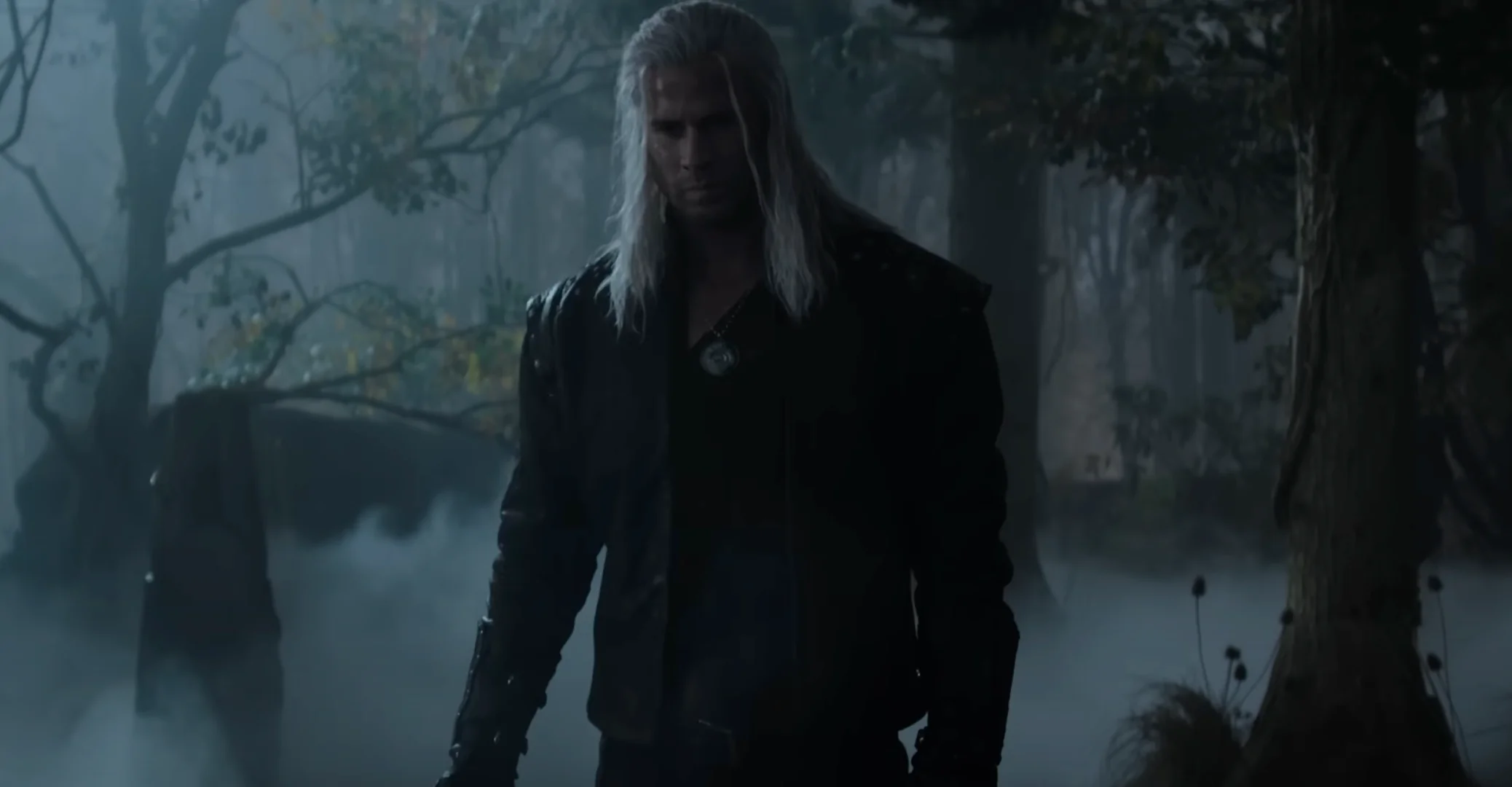
Liam Hemsworth in the Witcher Season 4 Trailer – YouTube, Netflix
Consolidation historically reduces price competition. Netflix has already raised subscription tiers multiple times — often after strengthening its content moat.
Adding Warner Bros. IP would only increase that leverage.
Content Licensing Lockout Risk
One of Ellison’s most concrete warnings centers on content access.
“Netflix has consistently refused to license its original programming to third parties,” he noted. “Other streaming services would lose access to programming that currently helps them compete.”
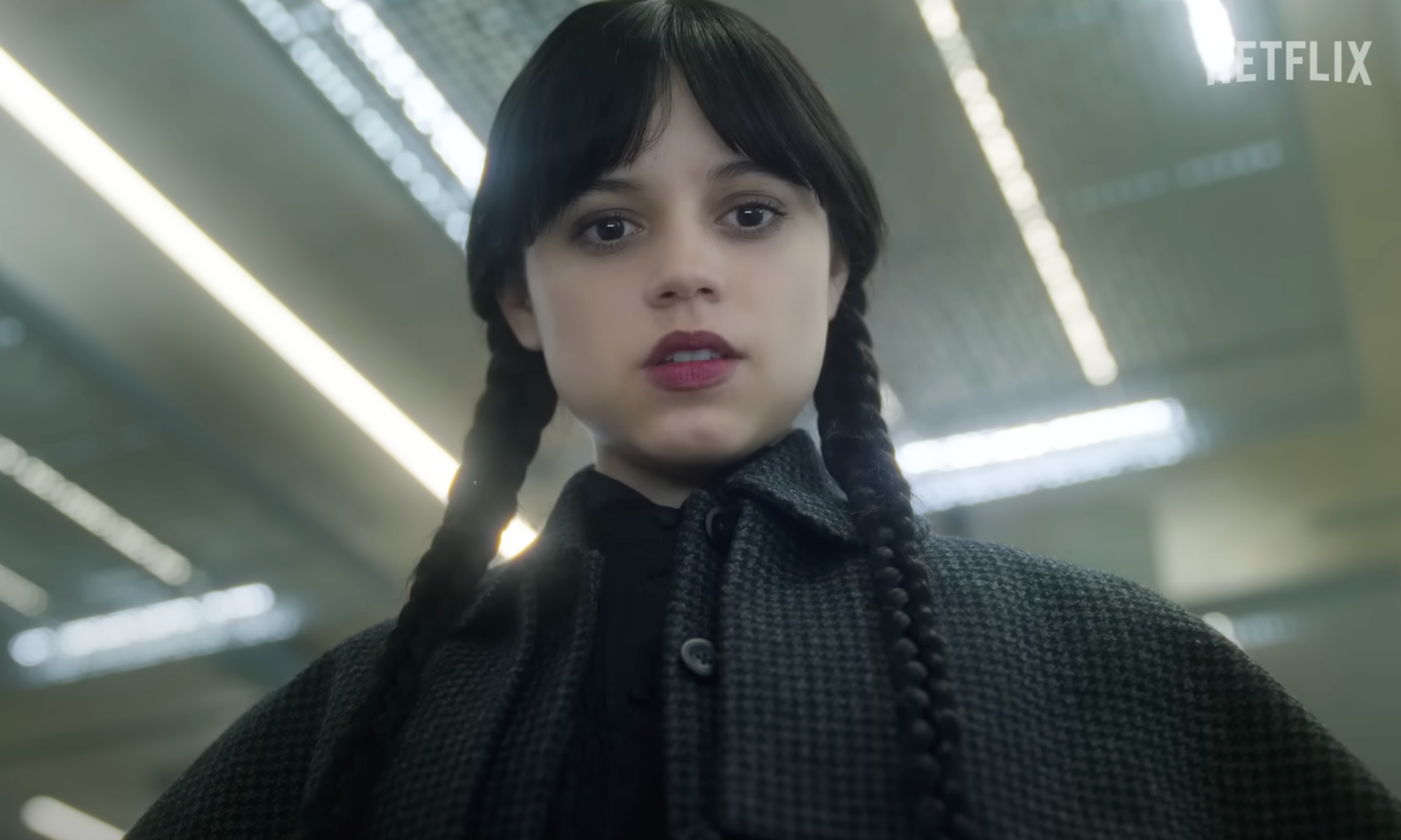
Wednesday Adams played by Jenna Ortega in the trailer for Wednesday Season 2 – YouTube, Netflix
Warner Bros. has long functioned as a major content wholesaler — licensing films and TV to rival platforms.
If Netflix internalizes that library, competitors lose:
- Syndication content
- Film catalogs
- Prestige HBO programming
That weakens subscriber acquisition across the entire ecosystem.
Theatrical Industry Fallout
Ellison also sounded alarms about theatrical distribution.
“The acquisition poses a grave threat to movie theaters,” he claimed. “Netflix has consistently bypassed or significantly shortened theatrical releases…”
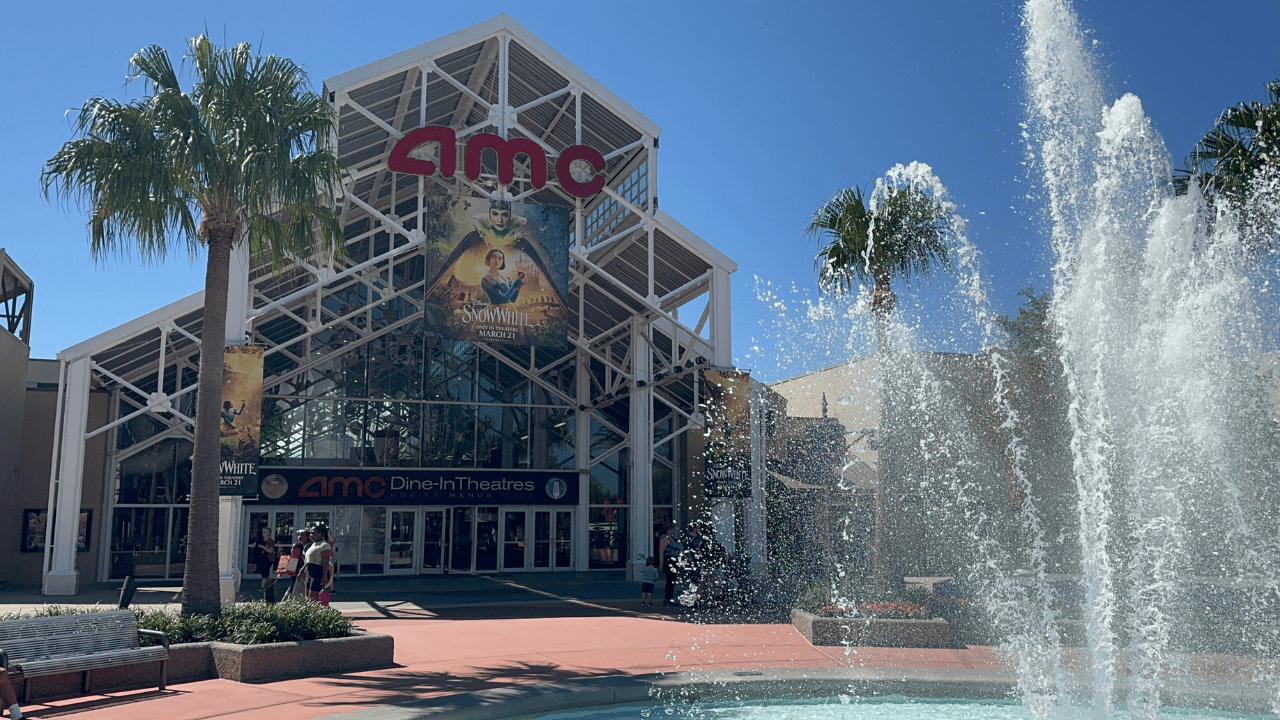
A movie theater at Disney Springs – Photo Credit: M. Montanaro
He also said: “Netflix releases would likely be diverted away from theaters…”
This concern extends beyond ideology — it’s structural. Warner Bros. is one of the largest studios still feeding theatrical pipelines with tentpoles.
If those films shift to streaming-first models, theater chains lose:
- Exclusive windows
- Box office drivers
- Concession revenue anchors
Netflix Co-CEO Ted Sarandos previously vowed to hold to a 45-day minimum theatrical release window, but many critics questioned the legitimacy of those claims.
Economic Ripple Effects
Ellison expanded the argument beyond Hollywood.
“Further reducing the supply of major studio films… could push many theaters over the edge…,” he said. “When theaters close, entire commercial districts suffer.”

Toph in the Netflix Avatar The Last Airbender – Netflix
It should be noted that theaters often function as anchor tenants in malls and retail hubs.
Closures historically trigger:
- Restaurant downturns
- Retail traffic loss
- Job displacement
In light of that, Ellison is framing the deal as a local economic issue — not just a media one.
Impact on Creatives
He also warns about labor leverage.
“Content creators have limited options… and Netflix can use this position to drive down payments…,” he said.
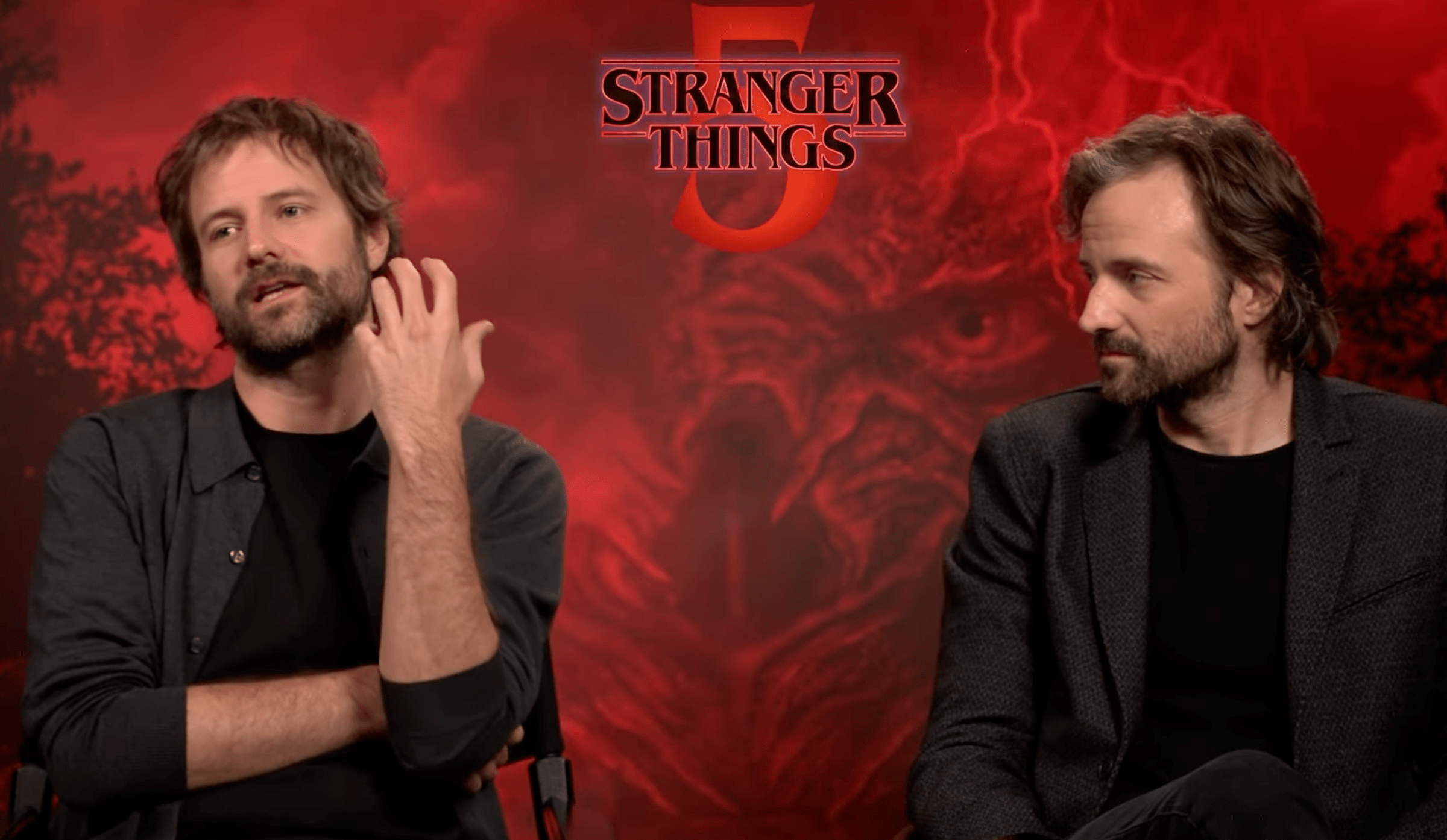
The Duffer Brothers speaking about Stranger Things 5 – YouTube, CBR Presents
Fewer buyers = weaker negotiating power. Writers, directors, and producers benefit from bidding wars — consolidation suppresses that dynamic.
Paramount’s Updated Bid Complicates the Landscape
Ellison’s regulatory push also aligns with ongoing deal maneuvering.
Paramount recently submitted an updated bid for Warner Bros. Discovery — one WBD leadership is reportedly engaging with despite its existing Netflix framework.
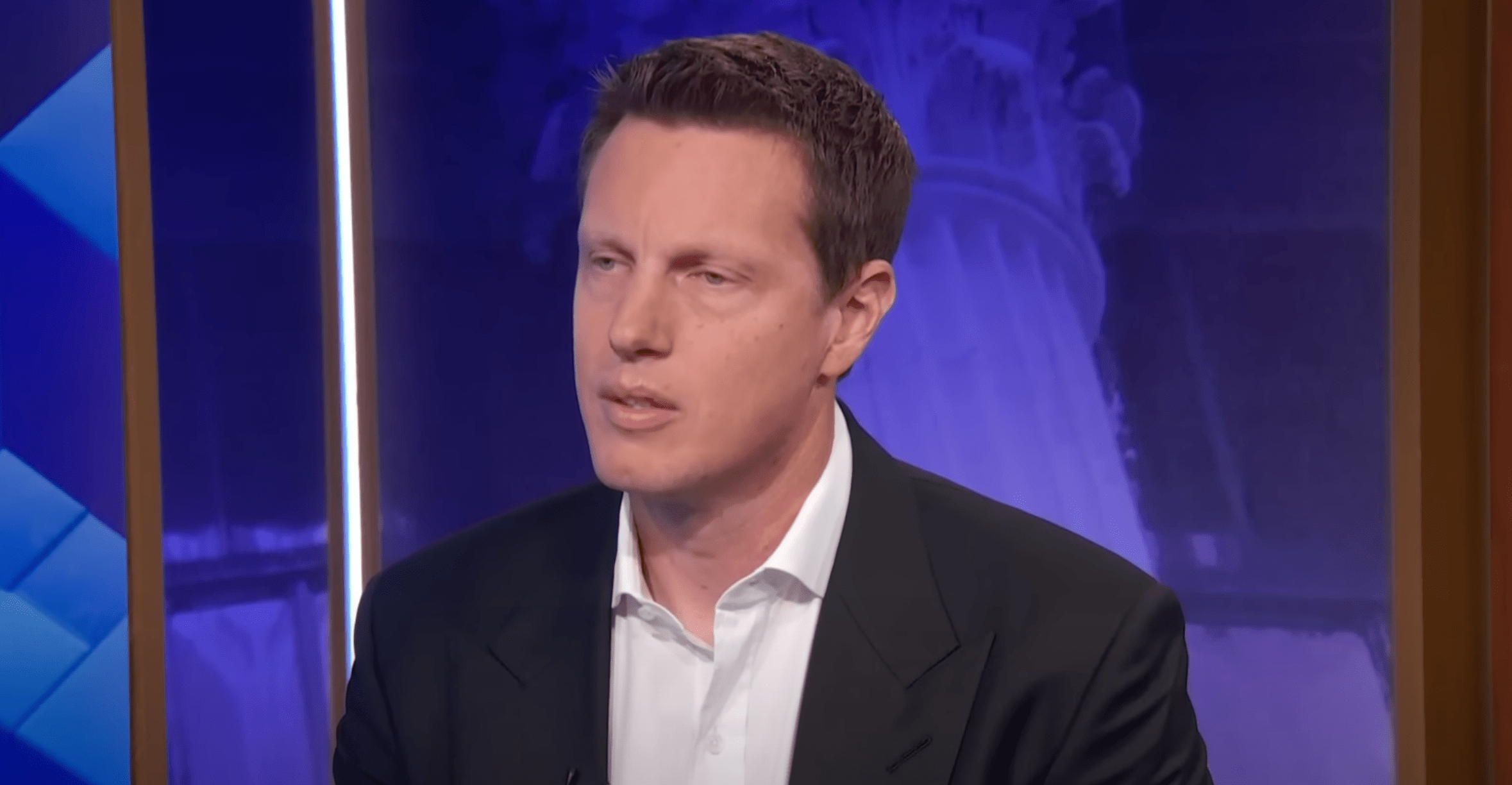
Paramount Skydance CEO David Ellison being interviewed – YouTube, CNBC Television
Ellison reinforced that alternative path in his letter: “In stark contrast to the Netflix transaction, a combination of Paramount and Warner Bros. Discovery would enhance competition…”
He added such a deal would:
- Strengthen industry rivalry
- Preserve consumer choice
- Maintain theatrical pipelines
This is both a regulatory argument and competitive positioning.
Ellison isn’t just opposing Netflix — he’s presenting Skydance/Paramount as the acceptable consolidation partner.
Conclusion
Ellison’s letter ultimately reads as both warning and strategy document — a regulatory appeal wrapped in corporate positioning.
From his vantage point, a Netflix acquisition of Warner Bros. Discovery wouldn’t simply reshape the streaming hierarchy — it would end the competitive era that built it.
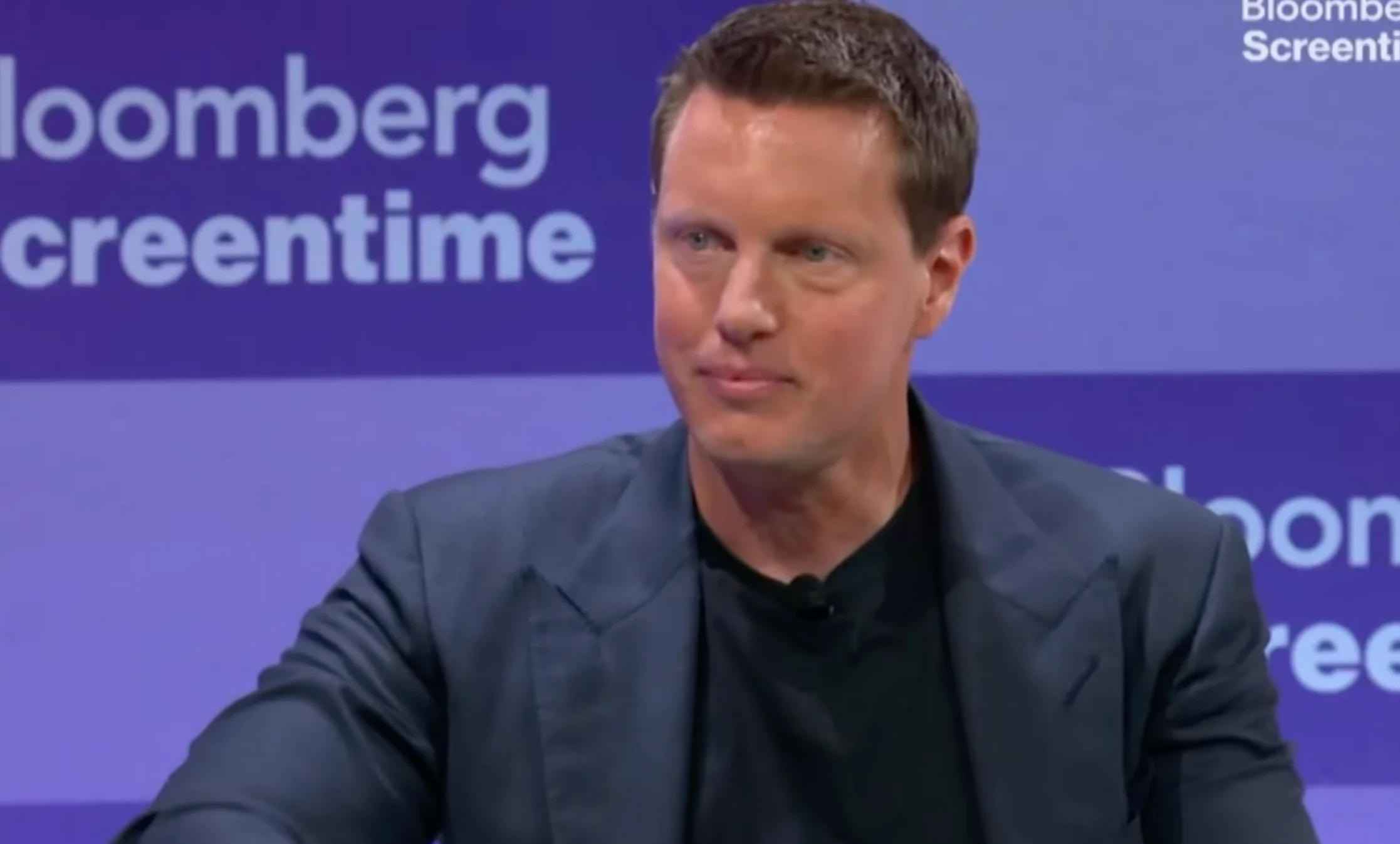
David Ellison talks to Bloomberg – YouTube, Bloomberg Podcasts
The deal, he argues, risks concentrating market power, restricting content access, weakening theatrical distribution, and diminishing leverage for both consumers and creators.
And in his closing appeal, Ellison distilled the stakes plainly, saying: “The choice before regulators and industry stakeholders is clear. Put the interests of American consumers, workers, and communities ahead of Netflix’s aspirations for market dominance.”
Do you think Ellison can overcome Netflix to take Warner Bros. Discovery? Sound off in the comments and let us know!
UP NEXT: Daniel Radcliffe Urges Press Not to Pressure New Harry Potter Cast
