


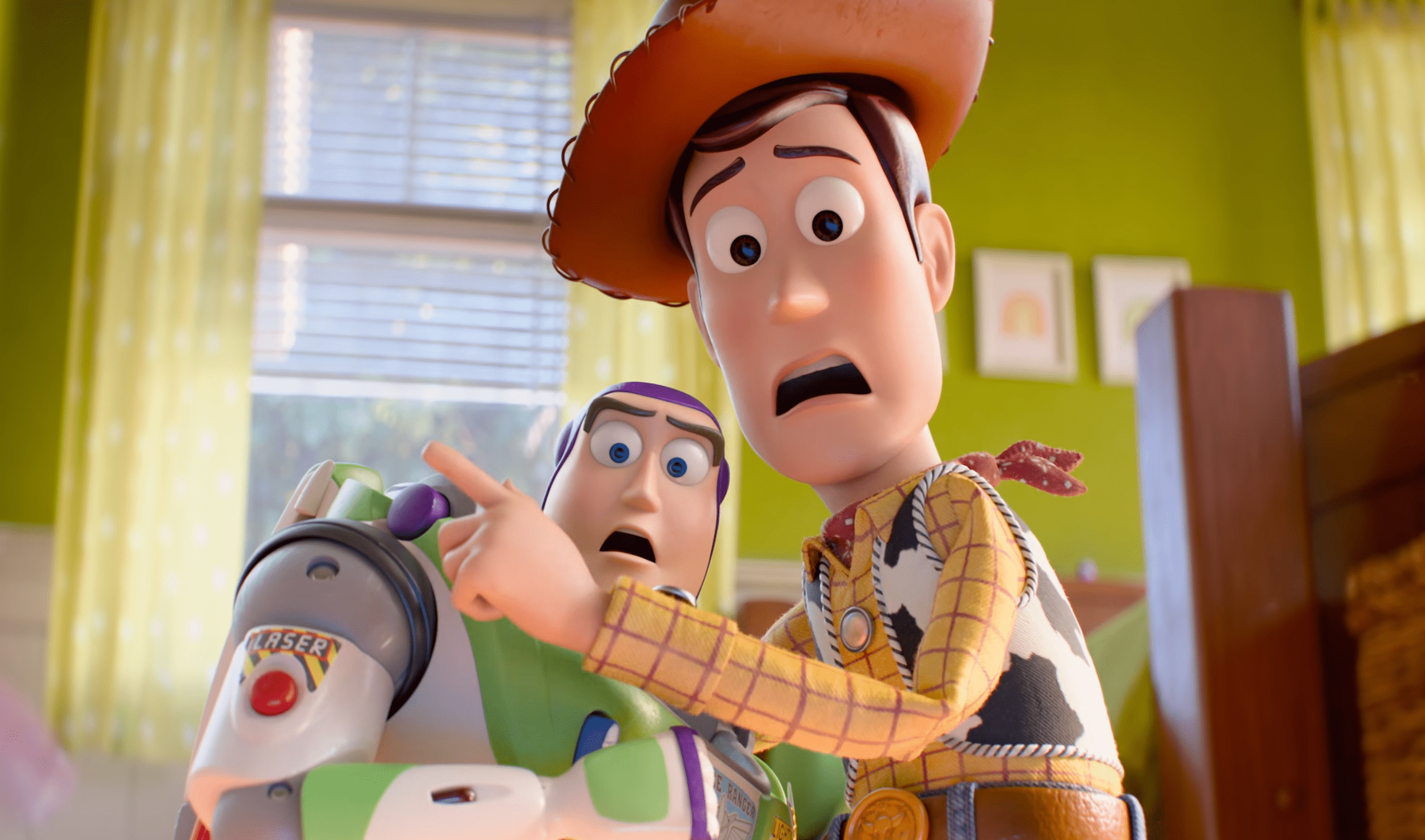
For years, Disney and its animation arm Pixar leaned heavily into identity-driven storytelling—often accompanied by heavy media promotion celebrating the inclusion of LGBTQ themes. But after several high-profile box office disappointments, Pixar’s leadership now appears to be signaling a shift in priorities.
The studio’s Chief Creative Officer, Pete Docter, recently spoke candidly about changes made to the animated film Elio, including the removal of a storyline implying the main character (a young boy) might be gay.
Speaking with The Wall Street Journal, Docter explained the reasoning behind the decision in blunt terms.
“We’re making a movie, not hundreds of millions of dollars of therapy,” he said.
The remark has reignited a broader conversation in Hollywood about whether major studios—especially Disney—are reconsidering how they approach storytelling after several costly box office failures tied to culture-war controversies.
A String of Disney Flops
The context surrounding Docter’s comments is difficult to ignore. In recent years, Disney has faced repeated commercial disappointments from films that leaned heavily into identity-focused messaging.
One of the most notable examples was Lightyear, the spinoff from Pixar’s Toy Story franchise. The film’s marketing heavily emphasized a same-sex relationship featured in the story. Despite the studio’s hopes that the character would become a new franchise lead, the film struggled at the box office and ultimately became one of Pixar’s most high-profile theatrical disappointments.
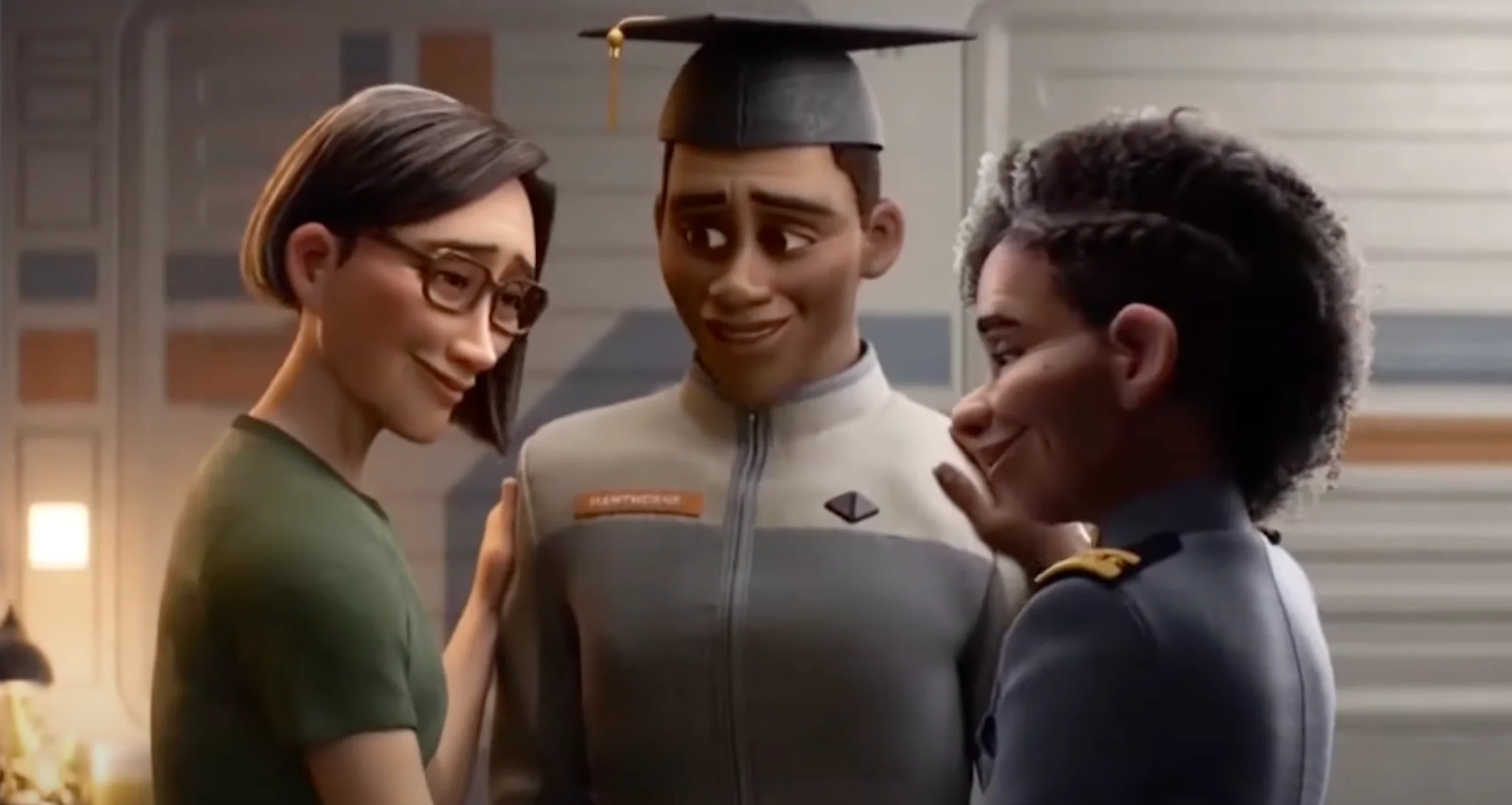
Aisha and Kiko, the two moms in Lightyear – Disney+
Disney experienced a similar outcome with Strange World. The animated adventure film prominently featured a teenage character with a same-sex crush and was widely promoted for its representation themes. The movie ultimately became one of Disney Animation’s biggest financial losses in years.
These results raised difficult questions inside the industry about whether audiences were rejecting the films’ messaging—or simply losing interest in stories that felt less focused on universal appeal.
The Elio Overhaul
The situation with Elio illustrates how seriously Pixar appears to be taking those lessons.
According to reports cited in the Wall Street Journal, earlier versions of the film included multiple moments suggesting the young protagonist was gay, including scenes involving a male crush. Those elements were ultimately removed during a major overhaul of the film’s story.
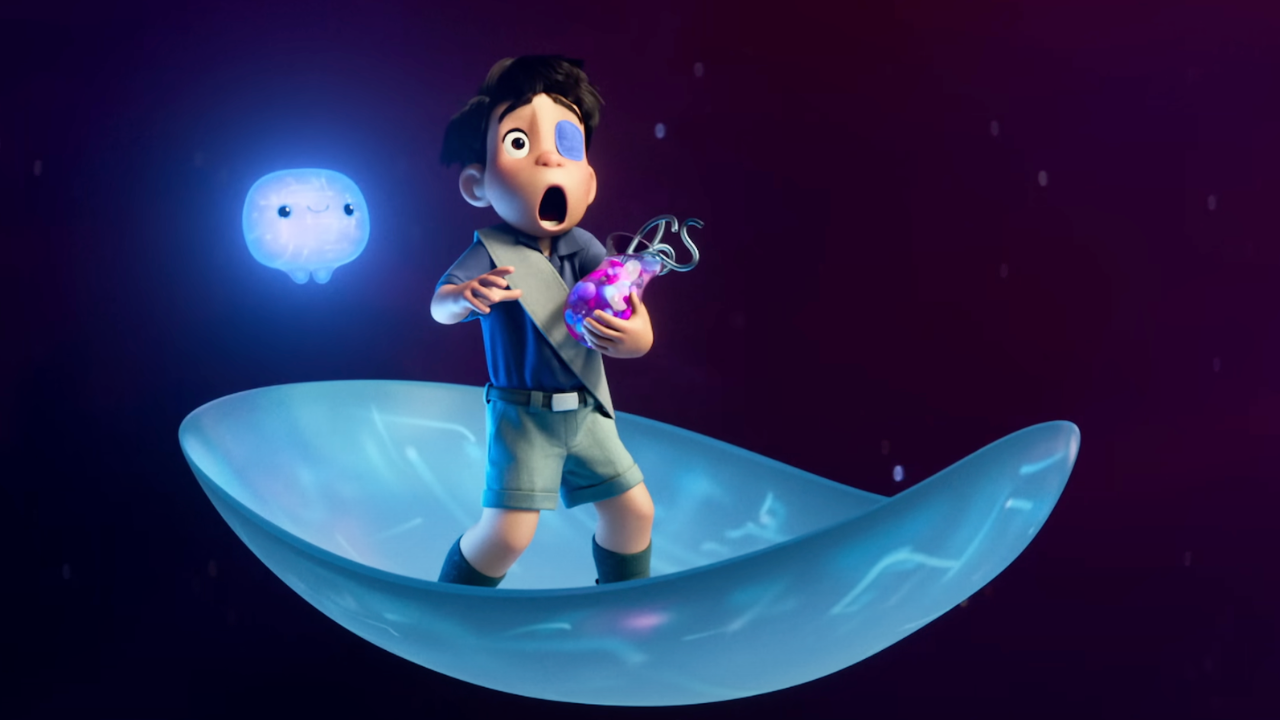
Elio in the trailer for the Pixar movie Elio – YouTube, Pixar
The creative shake-up reportedly happened after early test screenings produced poor audience reactions, with many viewers indicating they would not pay to see the movie in theaters.
The revisions were significant enough that the film’s original director exited the project and new filmmakers were brought in to reshape the story. With Elio though, it was too little too late.
The reshoots shot the film’s budget through the roof and it ended up another massive financial disappointment for Disney.
A Return to “Universal” Storytelling
Docter suggested the shift reflects a broader philosophy change within Pixar.
“As time’s gone on, I realized my job is to make sure the films appeal to everybody,” he said.
That statement may represent a major recalibration for the studio.

WHAT IS HAPPENING? – In Disney and Pixar’s “Inside Out 2,” Joy (voice of Amy Poehler), Sadness (voice of Phyllis Smith), Anger (voice of Lewis Black), Fear (voice of Tony Hale) and Disgust (voice of Liza Lapira) are awakened to an alarming reality: everything is changing now that Riley is 13. Directed by Kelsey Mann and produced by Mark Nielsen, “Inside Out 2” releases only in theaters Summer 2024. © 2023 Disney/Pixar. All Rights Reserved.
For decades, Pixar built its reputation on stories designed to resonate with broad audiences regardless of age, culture, or politics. Classics like Toy Story, Finding Nemo, and Up focused on universal themes—friendship, family, loss, and perseverance.
Those films weren’t marketed around identity categories or cultural debates. They were simply designed to tell emotionally compelling stories that anyone could connect with.
Docter’s comments suggest Pixar may be attempting to return to that formula.
The Inside Out 2 Factor
Another piece of evidence fueling speculation about a course correction involves Inside Out 2.
Prior to its release, industry rumors circulated claiming Pixar had scaled back or removed certain identity-focused themes that had been considered during development.

INSIDE OUT 2 – FOGHORN’S JOY – In Disney and Pixar’s “Inside Out 2,” newly minted teenager Riley (voice of Kensington Tallman), her besties Bree (voice of Sumayyah Nuriddin-Green) and Grace (voice of Grace Lu), and their hockey team the Foghorns win the championship. Directed by Kelsey Mann and produced by Mark Nielsen, “Inside Out 2” releases only in theaters June 14, 2024. © 2024 Disney/Pixar. All Rights Reserved.
While Pixar never publicly confirmed those reports, the final film largely centered on universal emotional experiences tied to adolescence and growing up.
The results were undeniable. Inside Out 2 became a massive hit, crossing the $1 billion mark at the global box office and restoring Pixar’s reputation after several uneven years.
Profitability vs. Messaging
Taken together, the situation raises a question Hollywood increasingly appears to be grappling with: Are studios beginning to prioritize profitability again?
For Disney and Pixar, the stakes are enormous. Animated films routinely cost well over $150 million to produce, with global marketing campaigns pushing the total investment far higher.
When those movies fail, the financial damage can be staggering.
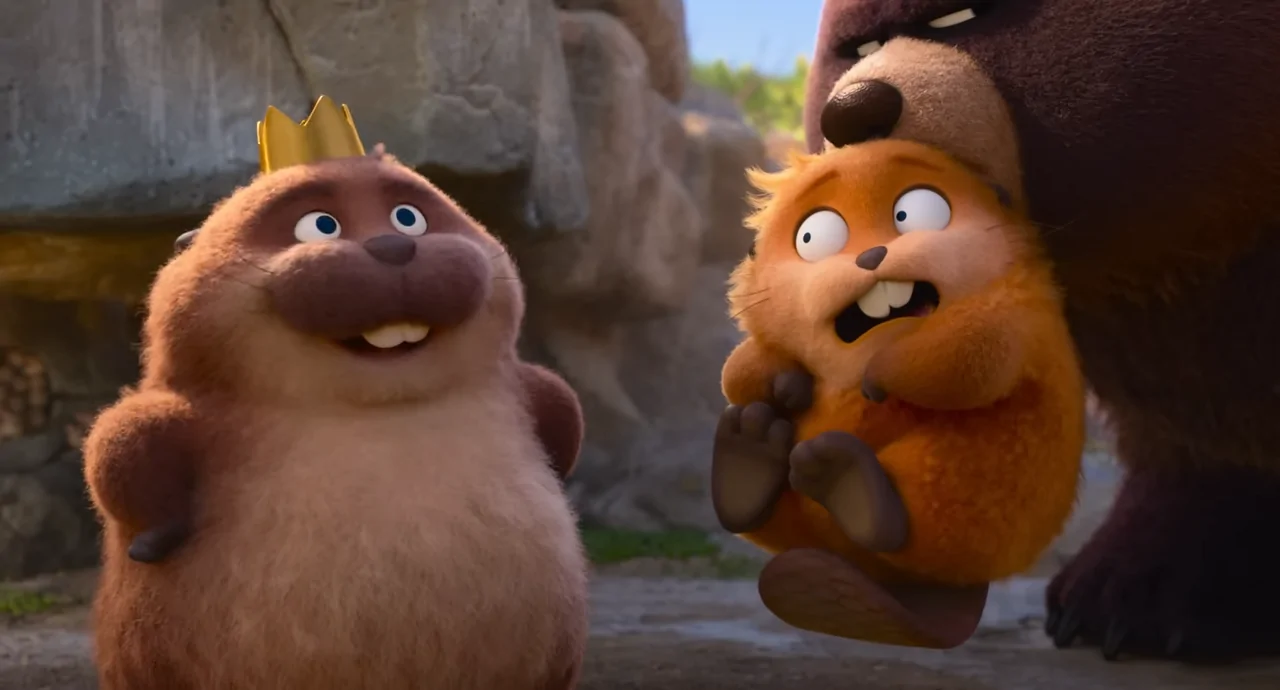
King George and Mabel in the Hoppers trailer – Pixar, YouTube
Docter’s remarks hint that Pixar leadership may be re-evaluating how to balance social messaging with storytelling that appeals to the widest possible audience.
Whether that shift becomes a long-term strategy—or merely a temporary adjustment—remains to be seen.
But after several expensive misfires, Pixar now seems to be asking a question that Hollywood ignored for years: What do audiences actually want to watch?
Do you think Pixar is pivoting away from LGBTQ content? Sound off in the comments and let us know!
UP NEXT: Hollywood’s Feminist Frankenstein Flops: The Bride! Bombs at Box Office With $7 Million Opening
