



A discrimination complaint related to recent changes in disability DAS accommodations at The Walt Disney Company has advanced to a formal state investigation after mediation efforts did not take place before the deadline.
The case involves Disney’s Disability Access Service (DAS), a program intended to assist guests whose disabilities make it difficult to wait in a traditional attraction queue environment. The complaint was filed with the Florida Commission on Human Relations, the agency responsible for enforcing state civil rights laws in public accommodations.
Mediation between the parties did not occur before the March 18, 2026 deadline. As a result, the case moved forward into the investigation phase under standard procedures.
The complaint was submitted by a Walt Disney World guest who is also a Disney Vacation Club member. The individual claims that recent DAS changes make it difficult or unsafe for their family to visit the parks.
Background on DAS Changes
Disney updated its Disability Access Service program in 2024. The company stated that the changes were necessary to address growing demand and misuse of the system. Disney claimed that many guests were abusing the system to cut down on wait times.

Dreamer’s Point Walt Disney Statue and Spaceship Earth at Walt Disney World – Photo Credit: Follow The Bradleys’ Fun
READ: Netflix Faces Refund Claims After Italian Court Rejects Past Price Hikes
Under the revised policy, fewer guests qualify for DAS. Disney has said that alternative accommodations are available, including return times and other queue options.
However, multiple families have since posted their story of how the new rules and procedures are less helpful or even prevent them from safely attending the parks.
The Current Complaint
The complainant in this case argues that these alternatives do not meet all accessibility needs. The filing states that some disabilities make it difficult to leave and return to attractions or navigate standard queues.

The floating mountains of Pandora in Animal Kingdom at Walt Disney World – Photo Credit: That Park Place
In an editorial with the Orlando Sentinel, Kelsey Maurine Brickl states that it is “impossible” for her family to safely visit the parks, due to the suggested accommodations being “technically and medically unworkable and, in many cases, dangerous.”
The complaint alleges that these limitations may restrict equal access, which could raise concerns under Florida discrimination law.
Investigation Process
With mediation no longer an option, the Florida Commission on Human Relations will begin a formal review of the complaint. The process typically includes collecting documents, reviewing policies, and interviewing those involved.
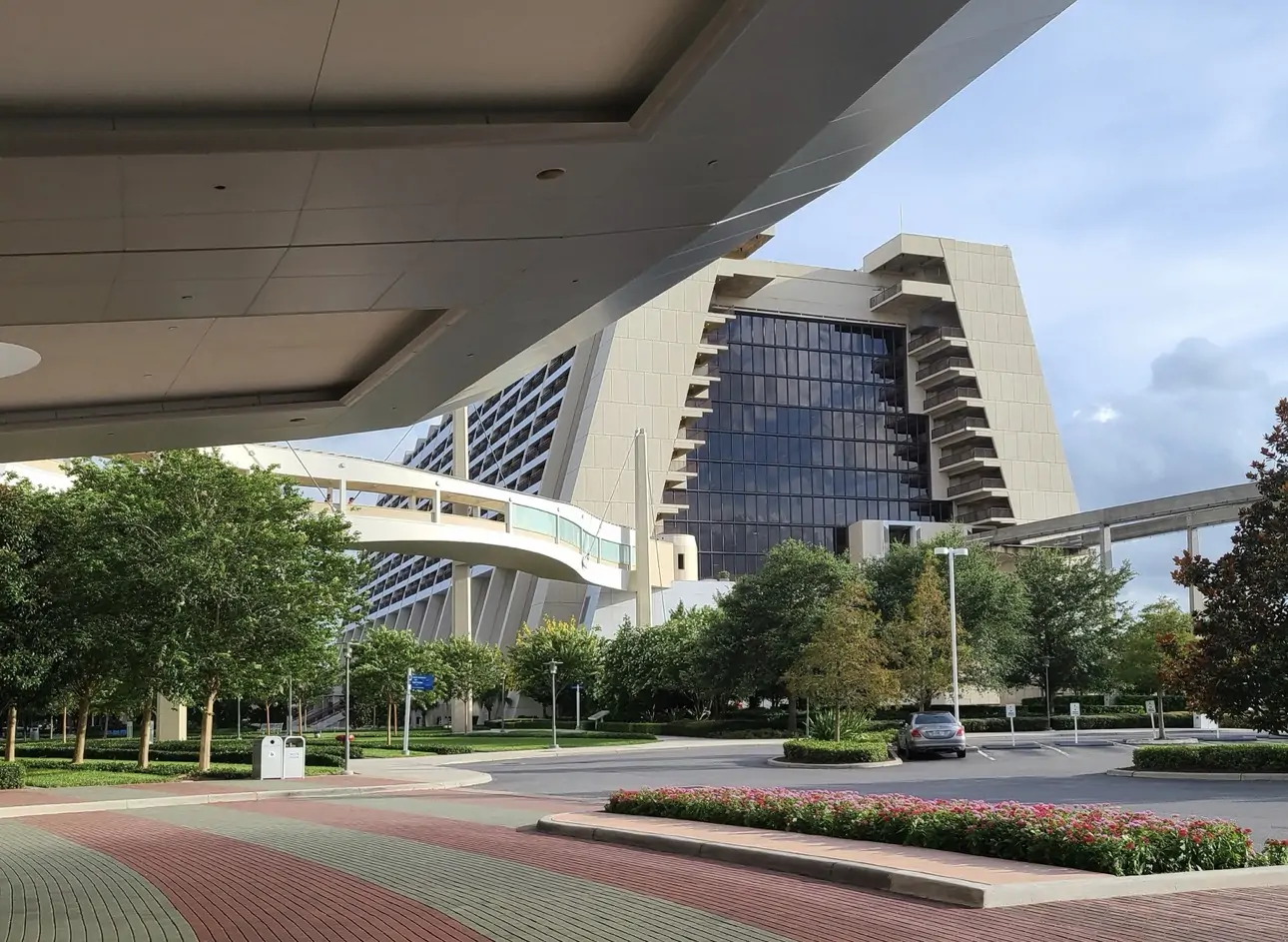
The Contemporary Resort at Walt Disney World – Photo Credit: That Park Place
READ: SNL Runs “Black Snape” Segment During Weekend Update, Skewering HBO Harry Potter Casting Choice
The agency usually has up to 180 days to complete its investigation. After that, it will determine whether there is reasonable cause to believe discrimination occurred.
If reasonable cause is found, the complainant may pursue further legal action. This may include an administrative hearing or a civil lawsuit. If no cause is found, the case may be dismissed, though some legal options could remain.
Broader Context
The case reflects a wider discussion about accessibility at large theme parks. Some guests and advocacy groups have raised concerns about stricter eligibility standards for disability services.
The issue has also reached Disney’s shareholder level. A proposal calling for a third-party review of accessibility policies was introduced at the company’s 2026 annual meeting. The proposal received limited support and did not pass.

Spaceship Earth in Walt Disney World at night – Photo Credit: That Park Place
Some Disney fans have advocated for Disney “humanizing” the process and allowing Cast Members greater discretion when deciding individual cases. For example, Tom Bricker of the Disney Tourist Blog suggested that this would help the Disney company find a better middle ground and correct its over-correction.
What Comes Next?
The outcome of the investigation may influence how accessibility programs are structured in the future. While a single complaint does not guarantee policy changes, the findings could have legal and operational effects.
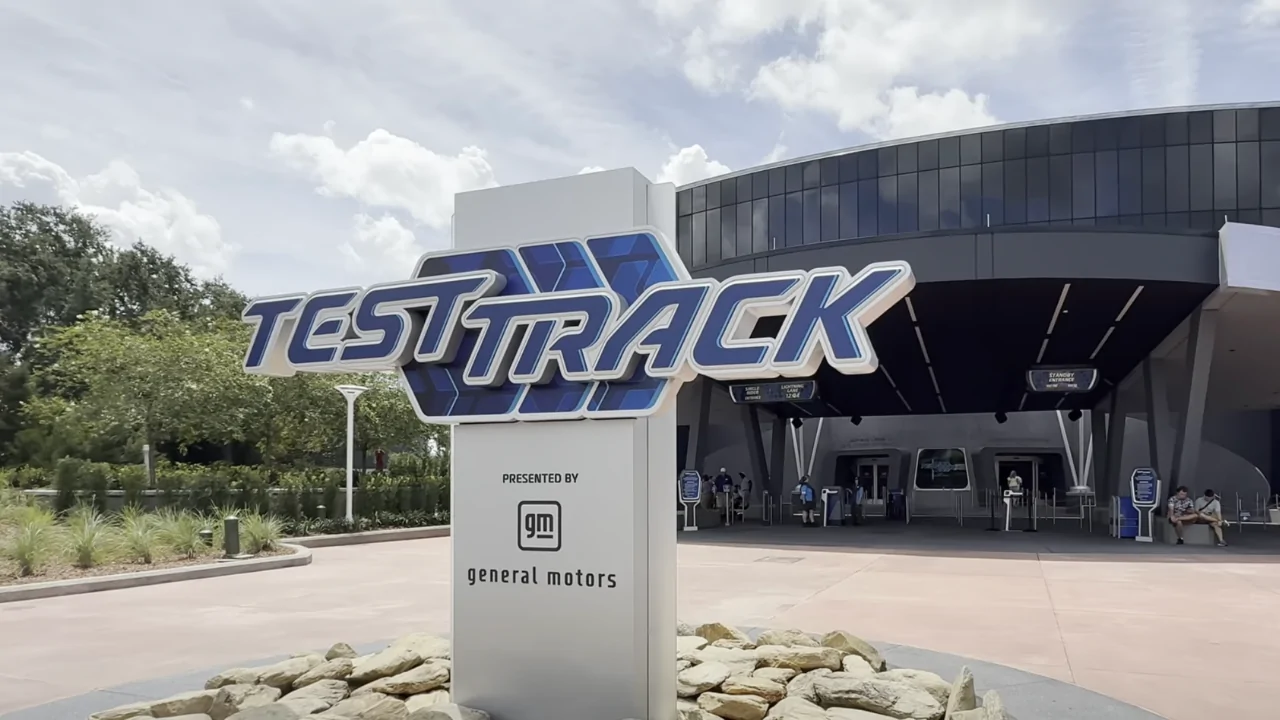
The exterior for Test Track 3.0 at EPCOT in Walt Disney World – YouTube, Attractions Magazine
Disney has not directly announced any new changes to DAS in response to this case. The company has stated that it continues to provide accommodations in line with applicable laws.
The investigation is expected to continue over the coming months.
What are your thoughts on this case and Disney’s current DAS system? It is fair, or time for an update? Let us know your thoughts in the comments below.
