


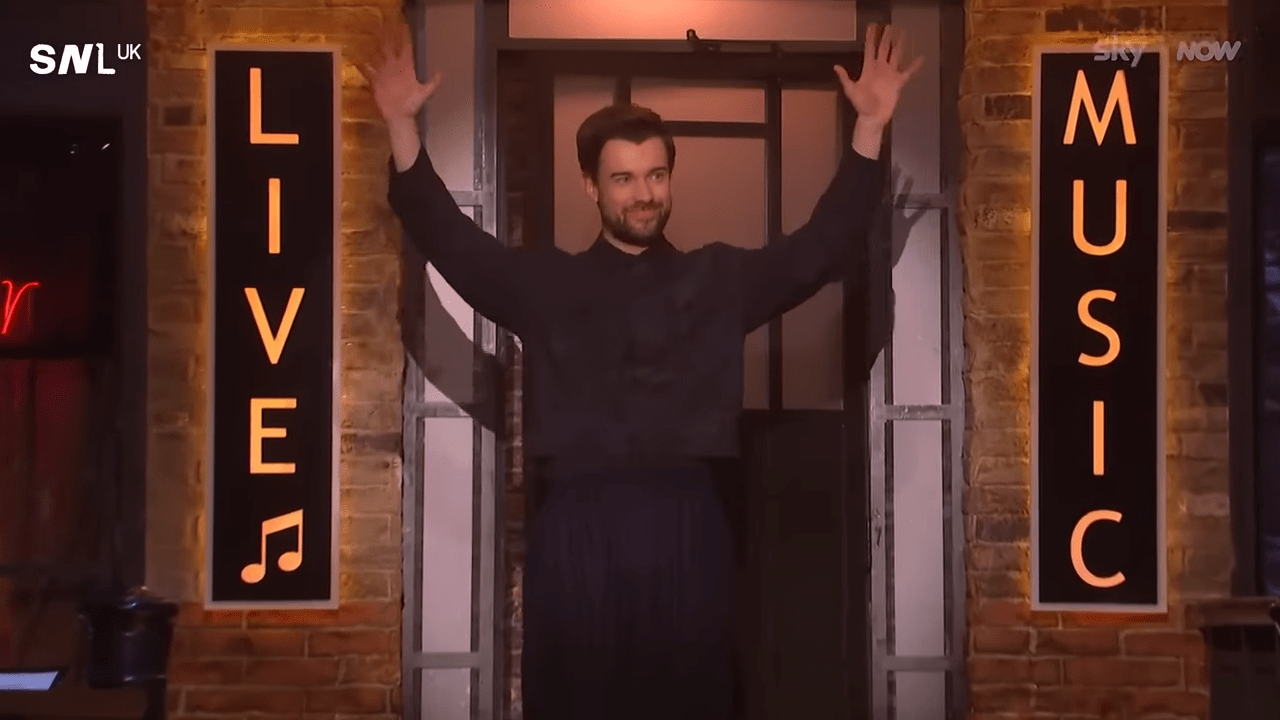
After the launch of Saturday Night Live UK, industry observers watched the ratings closely to see how the iconic sketch format would translate to a new audience. Now four episodes in, a clearer performance trend is beginning to emerge. As the show heads into a one-week hiatus, some have pointed to signs of ratings struggles. However, industry trades like Deadline are framing the trajectory differently.
Coverage in Hollywood access media describes the show’s fourth-week viewership as having “stabilized.” That framing becomes clearer when set against the week-to-week ratings data.
Early Performance and Trajectory
SNL UK debuted to 226,000 viewers, likely buoyed in part by guest host Tina Fey and initial curiosity around the new adaptation. The second episode slipped to 205,000, followed by a sharp 36% drop to 130,000 viewers for the third. The fourth and most recent episode declined further to 120,000—still lower overall, though the week-to-week change was less dramatic.
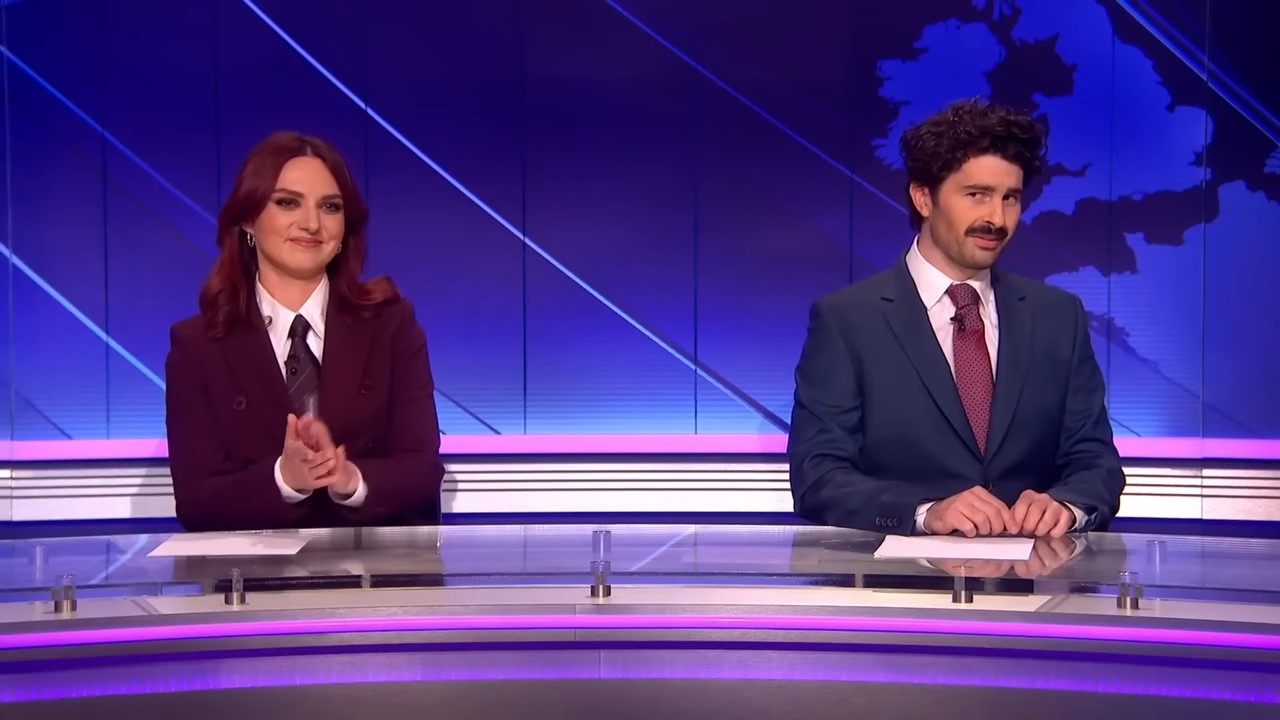
Ania Magliano and Paddy Young on Weekend Update – Saturday Night Live UK, YouTube
READ: Angel Studios Debuts Jeff Daniels As Ronald Reagan In ‘The Brink of War’
Fluctuations in viewership are expected, particularly for a format that can vary week to week depending on the host. Deadline also notes that the sketch-comedy spin-off is outperforming the U.S. version among U.K. audiences and, according to the outlet, is doing better than other programs airing on Sky in the same time slot.
Taken together, a leveling-off in viewership, expected variability, and relative strength against comparable programming can create the impression of stability. It is a familiar narrative—one that helps sustain audience interest while preserving industry optimism about a show’s long-term potential.
The SNL UK ratings appear to have stabilized heading into its week-long break. At that point, the question shifts from what the numbers show to which facts are being emphasized—and how that emphasis shapes interpretation.
Framing the Same Data
Right now, the focus is on the lack of a significant decline between the last two weeks. Yet the same data could just as easily highlight the steep drop from its debut and the broader downward trend that preceded this plateau.
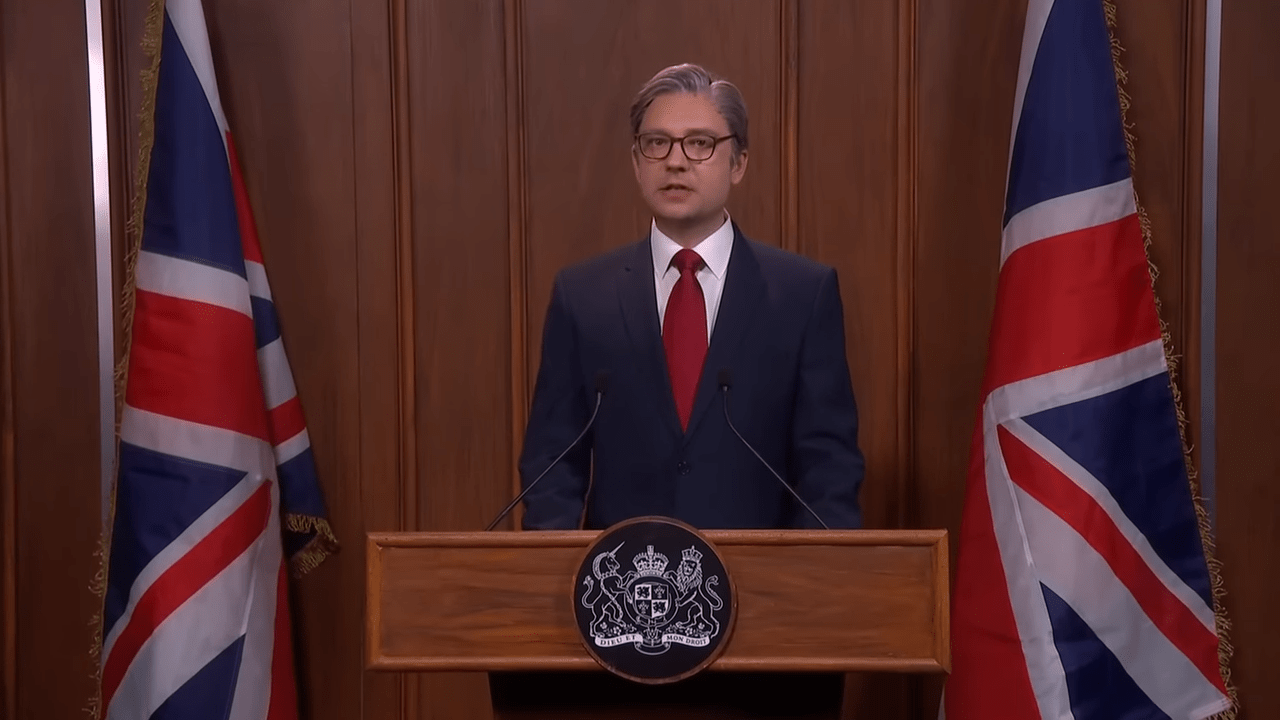
Harry Enfield as Sir Keir Starmer – Saturday Night Live UK, YouTube
READ: Katy Perry Faces Scandalous Allegations from Ruby Rose But Is She Likely to Land in Court?
Both readings can be true at the same time: SNL UK ratings may be stabilizing in the short term while still underperforming relative to its launch. This is less about contradiction than prioritization. Stability signals viability for continued investment, while “struggling” captures the larger gap between current performance and early expectations.
What emerges from these competing readings is less a contradiction in the data than a pattern in how stories are constructed around it.
Numbers and Narratives
For now, the dataset is still small, and it is too early to draw firm conclusions about SNL UK’s staying power. Early ratings can fluctuate significantly, especially for a new format adapting to a different audience and production context. The real test may come after its hiatus, when viewership either returns at a similar level or shifts direction again.

Emma Sidi as Melania Trump – Saturday Night Live UK, YouTube
READ: Avengers Doomsday Budget Rumors Hit $700M Total Spend—Can Marvel Afford Another Massive Gamble?
Ultimately, this case serves as a reminder that legacy media coverage does not only report what has happened, but also shapes how events are understood. Through selective emphasis, timing, and language choices, the same set of facts can suggest stability, struggle, or transition. The numbers remain constant, but the narrative lens determines whether we see momentum, decline, or uncertainty.
Have you watched SNL UK? What did you think? Let us know in the comments!
