


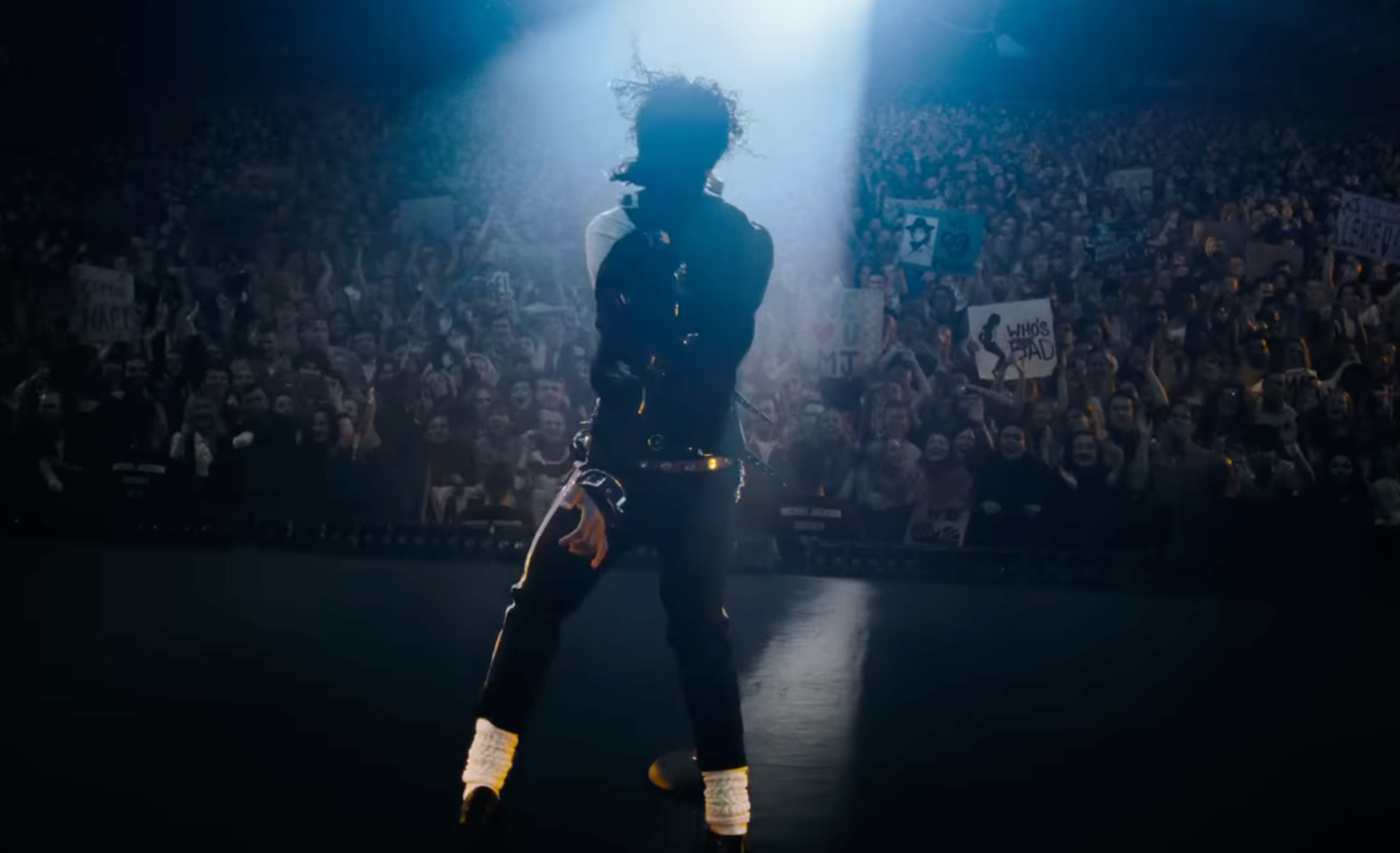
The release of Michael, the long-anticipated biopic about Michael Jackson, has renewed debate over how the pop icon’s legacy should be portrayed. It has also become a major box office success. Audiences appear drawn to the music, nostalgia, and a heartfelt performance that avoids the King of Pop’s darker controversies. However, critics describe it as superficial, safe, and aimless in its storytelling approach.
Now Dan Reed, whose 2019 documentary Leaving Neverland centered on accusations against Jackson, has weighed in on Michael.
Reed’s Reaction to the Film
In a lengthy interview with Variety, Dan Reed discusses his reaction to Michael. “The first part of Michael as a child, I could kind of buy that. But as soon as we go to the adult Jackson, played by his nephew Jaafar, that burst my bubble,” the director said.
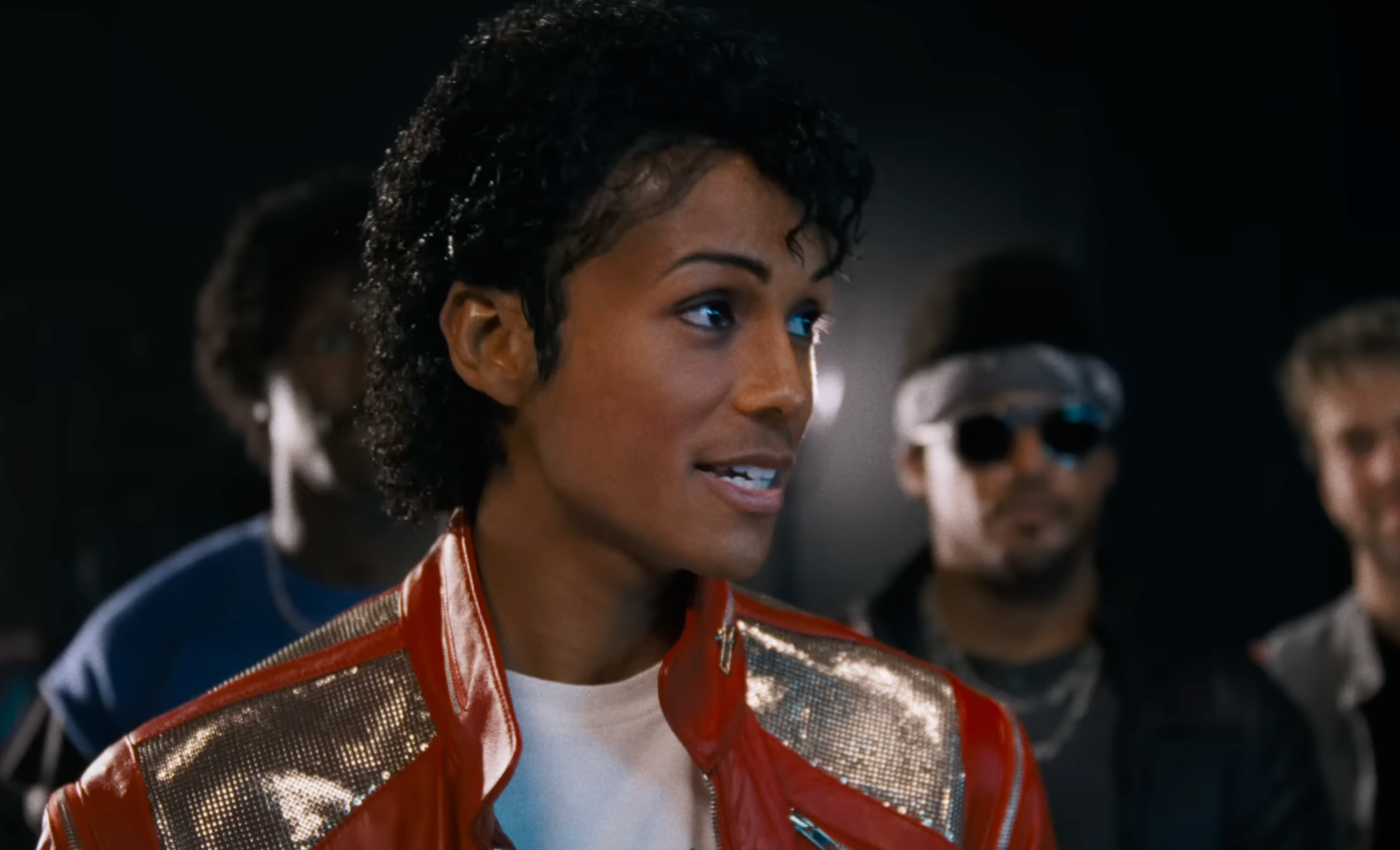
An image from Michael – YouTube, Universal Pictures
READ: Rippaverse Publishing Expands Worldwide Distribution Through New Hachette Book Group Partnership
Jaafar Jackson’s portrayal of his late uncle has been one of the film’s most widely praised elements. But Reed feels differently. “I thought, he’s a great dancer, but his performance is very wooden, and one of the reasons for that is he didn’t have much of a script to work with,” he said. “He becomes this waxwork who performs these jukebox songs, but there’s zero insight into what makes Jackson tick. He’s this asexual plastic action doll of a figure in the film.”
The deeper issue with Michael, Dan Reed argues, is that the story distorts the reality of who Jackson really was. “They portray him as an eccentric, overgrown child, which we know is not the full story,” Reed says.
He went on to compare Michael Jackson to some of the worst offenders in recent memory, whose crimes have overshadowed their other work. Yet, “In Jackson’s case, he’s such a cultural phenomenon that there’s nothing you can do to eclipse that,” Reed said.
Reshoots and Narrative Boundaries
Michael underwent major reshoots following a settlement with one of Jackson’s accusers, which included an agreement that the story would never be used for commercial purposes. As a result, the film ends on a more upbeat note and avoids some of the controversies from the musician’s later years.
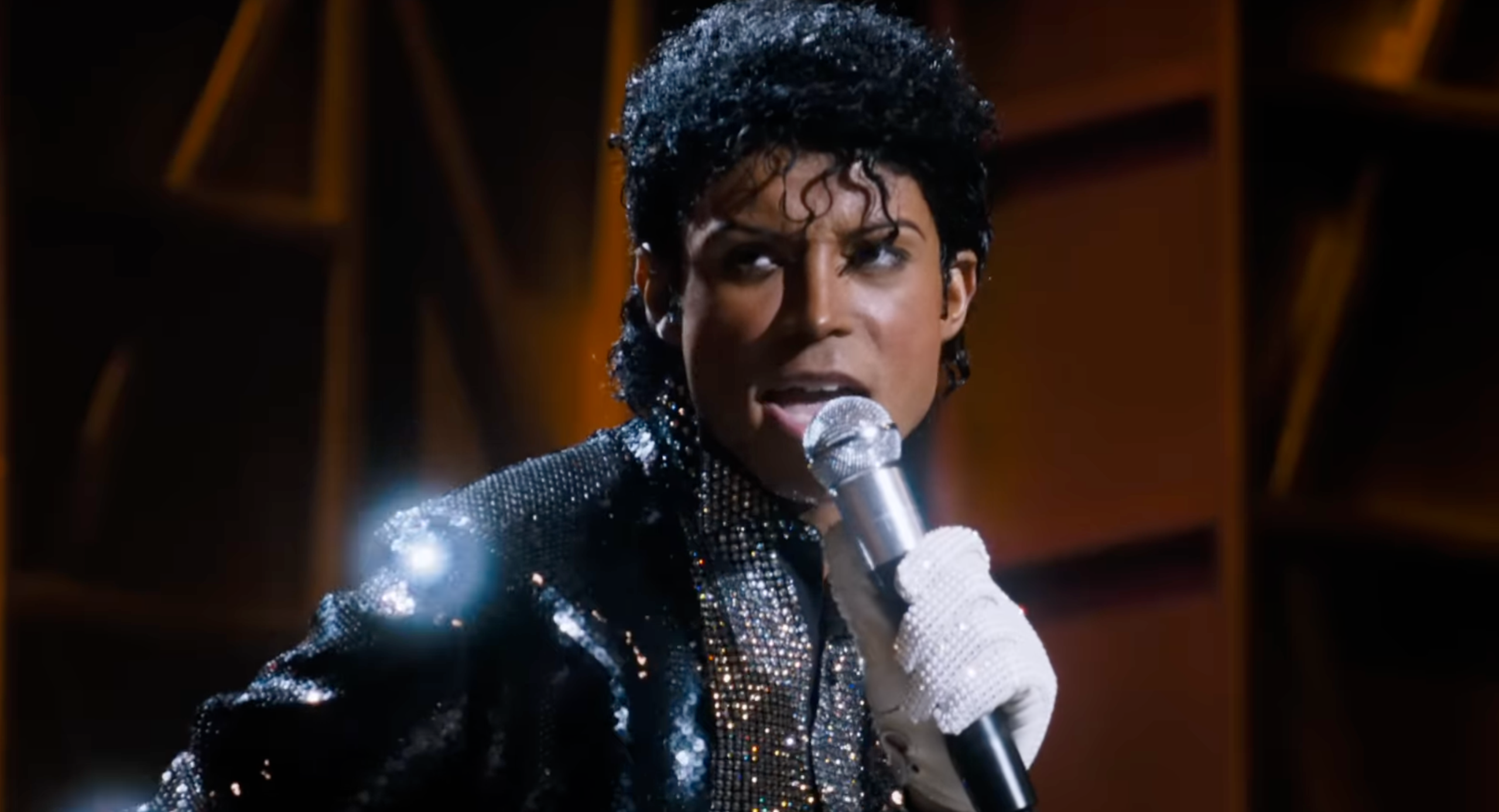
An image from Michael – YouTube, Universal Pictures
READ: Disneyland Scrubs Star Wars Sequel Trilogy from Galaxy’s Edge and Fans Are Loving It
Reed, however, notes that the men featured in his documentary never reached any legal agreement with the estate. “If you want to create a retort to Leaving Neverland, why not make a direct retort to the story it tells, which is the story of Wade Robson and James Safechuck?” he asked.
Legacy, Myth, and Audience Reception
Ultimately, audiences seem satisfied with the way Jackson is portrayed in the film. Dan Reed appears unsurprised by fans’ reaction to Michael. “Jackson is an American myth, in addition to being an actual person, so he’s metastasized into something much bigger than who he actually was,” Reed notes. “When that happens, it doesn’t actually matter what the person was, because the person has been transfigured into something that is owned by the culture.”
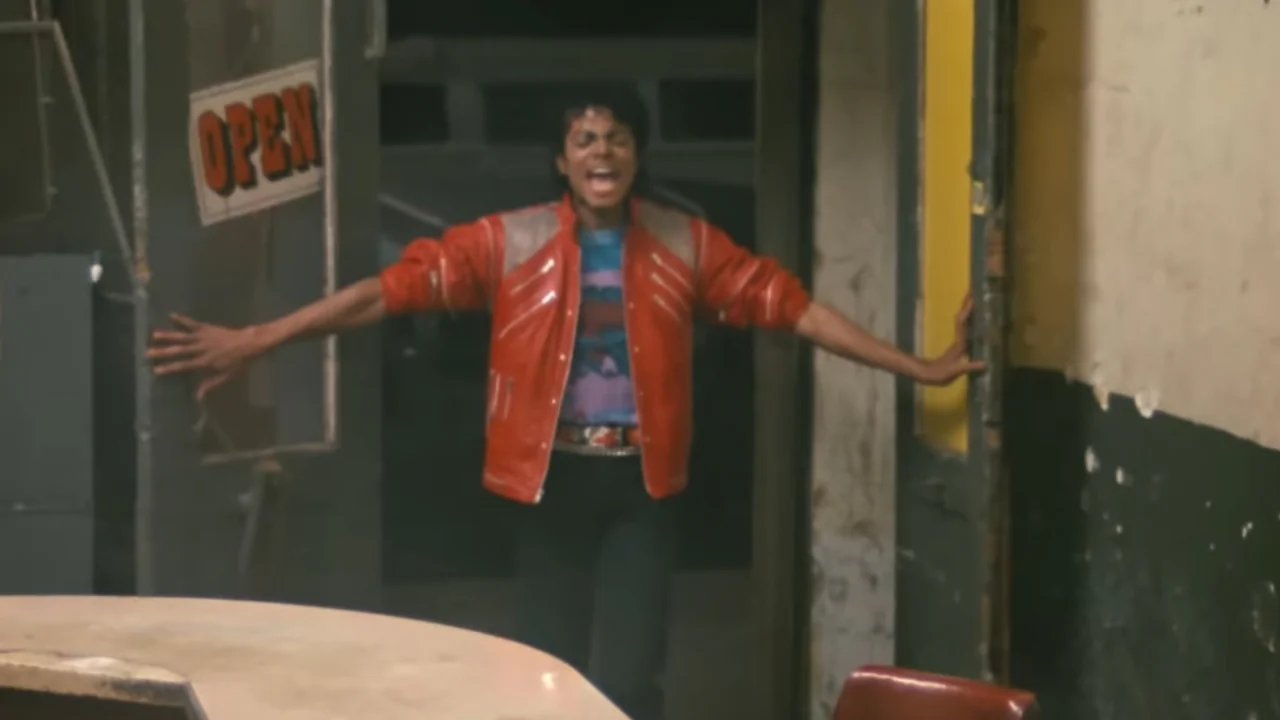
Michael Jackson performing “Beat it” – YouTube, Michael Jackson
READ: Date Announced for Next Nintendo Illumination “Event Film”
While Reed acknowledges Jackson’s impressive talent, he remains convinced of the musician’s criminal activities. “That’s not a narrative people can hold in their minds,” he said.
This tension reflects a broader challenge in biographical storytelling: how to balance cultural legacy with unresolved historical controversy. As a result, Michael exists in a space where admiration and criticism continue to coexist, with audiences interpreting the same work through very different lenses.
Do you agree with Dan Reed’s criticisms? Let us know in the comments!
UP NEXT: Will Jimmy Kimmel Be Fired? Report Claims ABC Affiliates Already Pulling Support
