


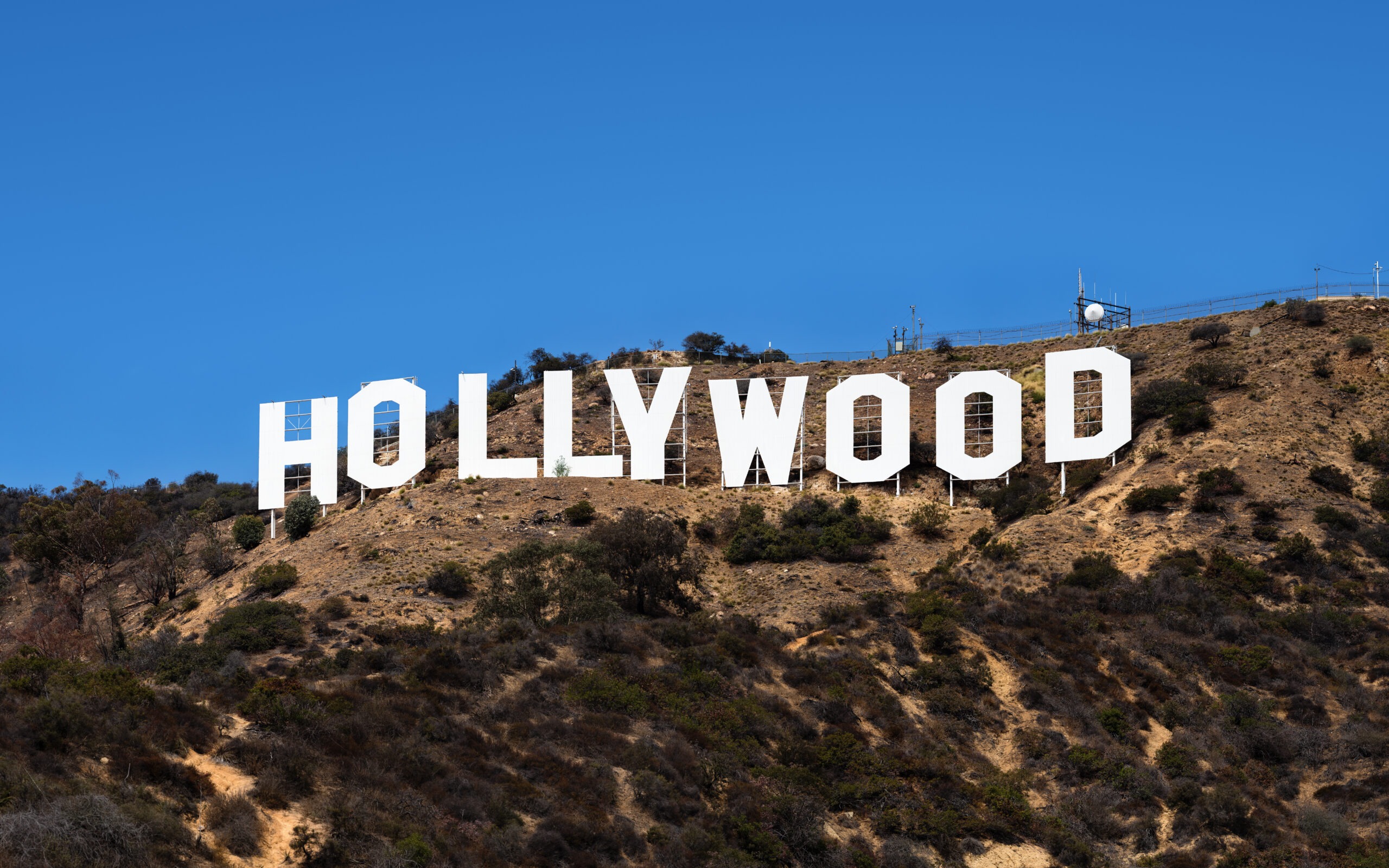
As California prepares to select its next governor, the future of Hollywood is a major focus. At Tuesday night’s CNN-hosted debate, several candidates outlined their vision for saving the state’s film industry. While revival is a key campaign issue, some industry observers wonder if media production has already moved on from its traditional hub.
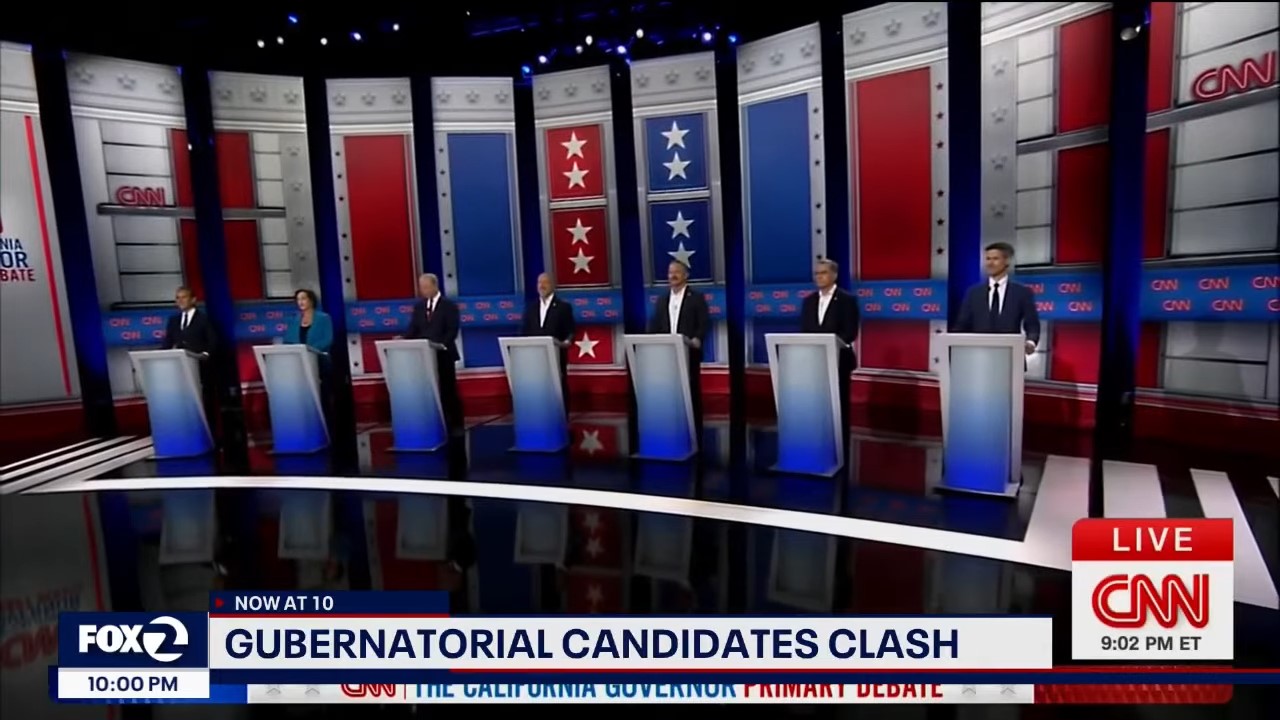
Debate stage for the 2026 California Gubernatorial election on CNN – KTVU FOX 2 San Francisco, YouTube
READ: Universal Horror Make-up Show Closing for Upgraded Experience
Two of the seven candidates on stage believe government can help preserve California’s signature export. The race is already being called an “existential election for Hollywood.”
Tax Incentives Take Center Stage
California currently offers a $750 million tax credit allotment for in-state productions. One debate moderator asked whether any candidate supports unlimited tax credits for film and television production. Deadline noted this was one of the few moments when debaters paused their attacks and interruptions.
Former Rep. Katie Porter said she supports open-ended tax credits. She also criticized past leadership for not acting sooner. “It’s a competition we can and must win. We have the most talented workforce. We have the best higher education system,” she said. “But we do have to be competitive.”
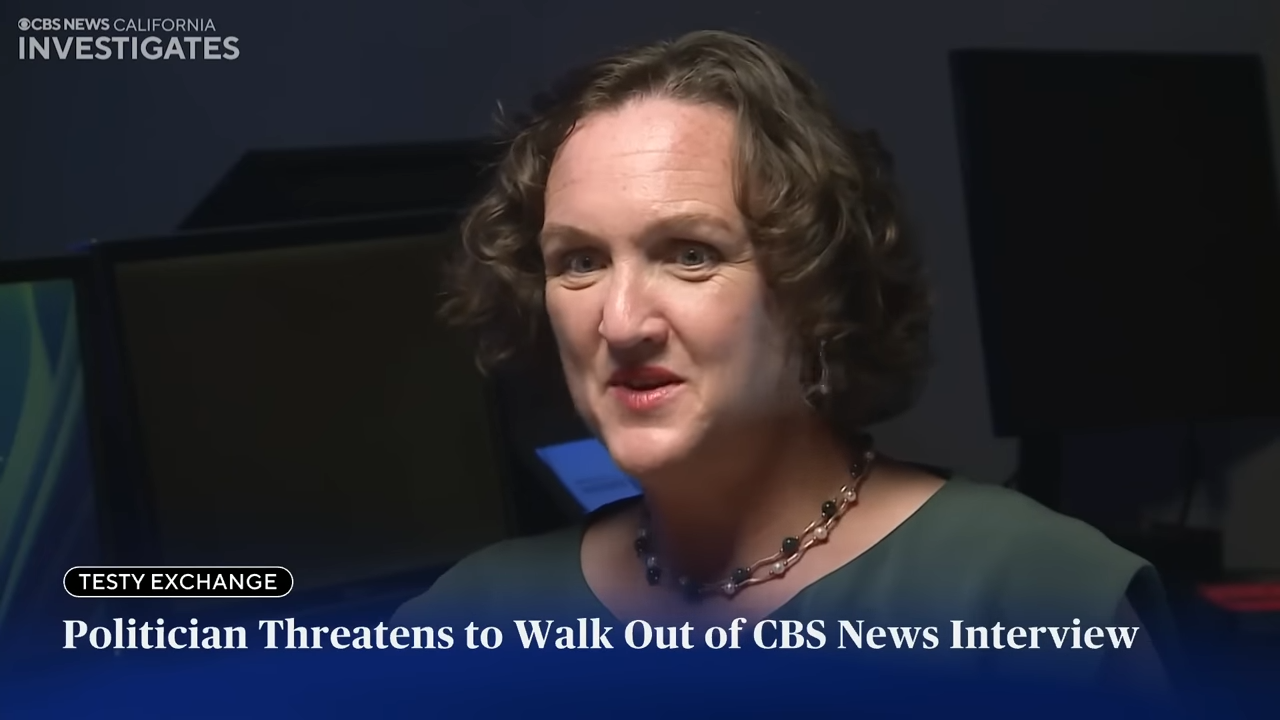
Katie Porter – CBS Evening News, YouTube
READ: Big Thunder Mountain Drew Huge Crowds for Reopening Before Fire Shut Attraction Down
Her comments illustrate that production has not disappeared—it has moved elsewhere. Competitive incentives in states like Georgia and New Mexico, and overseas, have drawn productions away. Slowdowns for California workers reflect geographic shifts, not an overall production decline.
Rival candidate and former Los Angeles Mayor Antonio Villaraigosa expanded on Porter’s argument. He said unlimited credits must apply to those “above and below the line.” Without broad incentives, he argued, productions will keep leaving. “The notion too many people in Sacramento believe it should just go to camera operators and make up people. It has to go to everyone,” he said.
Warning Signs From Within the Industry
Alarm bells have been sounding in Hollywood for some time. “This is not hyperbole to say that if we don’t act, the California film and TV industry will become the next Detroit auto,” Noelle Stehman said at an April 2025 event.
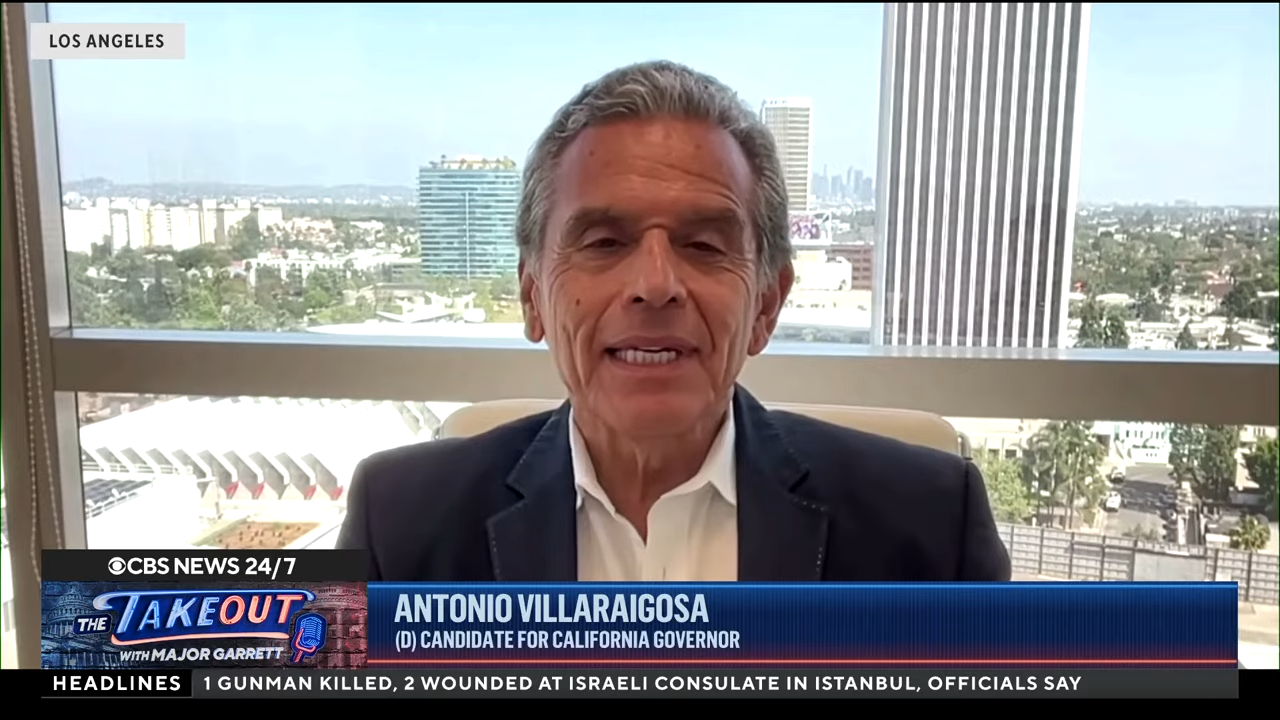
Antonio Villaraigosa – CBS News, YouTube
READ: GameStop Makes Bid to Buy eBay, Draws Scrutiny
The concern sharpened in March 2026 with survey results from FilmLA. Just 62% of Los Angeles soundstages were in use during early 2025, down from 63% in 2024. The Hollywood Reporter called that figure “anemic.” This level of underuse points to a sustained slowdown, raising concerns about long-term demand for local crews, vendors, and studio infrastructure.
Union strikes and cost-cutting measures by streamers suggest the problem may extend beyond local government and state control. It is easy for a gubernatorial candidate to promise a Hollywood revival. The reality may be that proposed solutions are too little, too late.
Can Policy Reverse the Trend?
Some revival efforts are already underway in California. In May 2025, L.A. Mayor Karen Bass signed an executive order reducing required on-site city staff for filming. She said the change “will make it far easier to film in Los Angeles movies, television shows and commercials.”

L.A. Mayor Karen Bass at the 2026 State of the City Address – KTLA 5, YouTube
READ: Millionaire Sarah Paulson Wears Dollar Bill Over Eyes at Met Gala to Protest “The 1%”
Still, after years of rising costs and regulatory hurdles, many companies have established themselves elsewhere. California and its next governor now face a deeply competitive production landscape. The question is no longer just how to bring productions back, but whether the state can realistically outbid or outmaneuver entrenched competitors. Even aggressive policy shifts may struggle to overcome years of industry migration and shifting global economics.
Do you believe the next California governor can save Hollywood? Sound off in the comments and let us know!
UP NEXT: Blake Lively Reportedly Gets Nothing in Justin Baldoni Settlement as Her Reputation Lies in Tatters
