



Paramount Skydance reaffirmed plans for a September 30th 2026 close on its massive WB acquisition. At it’s completion, David Ellison is pushing a combined 30-film theatrical slate. Q1 updates show progress despite ongoing regulatory scrutiny as expected. Ellison reiterated commitment to scale as an “accelerant” for next-gen media.
Of course. this is all welcome news against the backdrop of collapse driven by the modern Hollywood era of virtue signaling. Per recent earnings and reports, the deal survived Netflix’s earlier lower bid. It faces antitrust reviews and belly-aching politicians but keeps moving forward with a target in mind.
Playbook: Big Bet on Consolidation to Fight Big Tech
Merging libraries, streaming services, and studios creates heft against Netflix/Amazon. That weight is a form of insulation and provides new synergies leading to more original projects. Already in the air are more music based biopics.
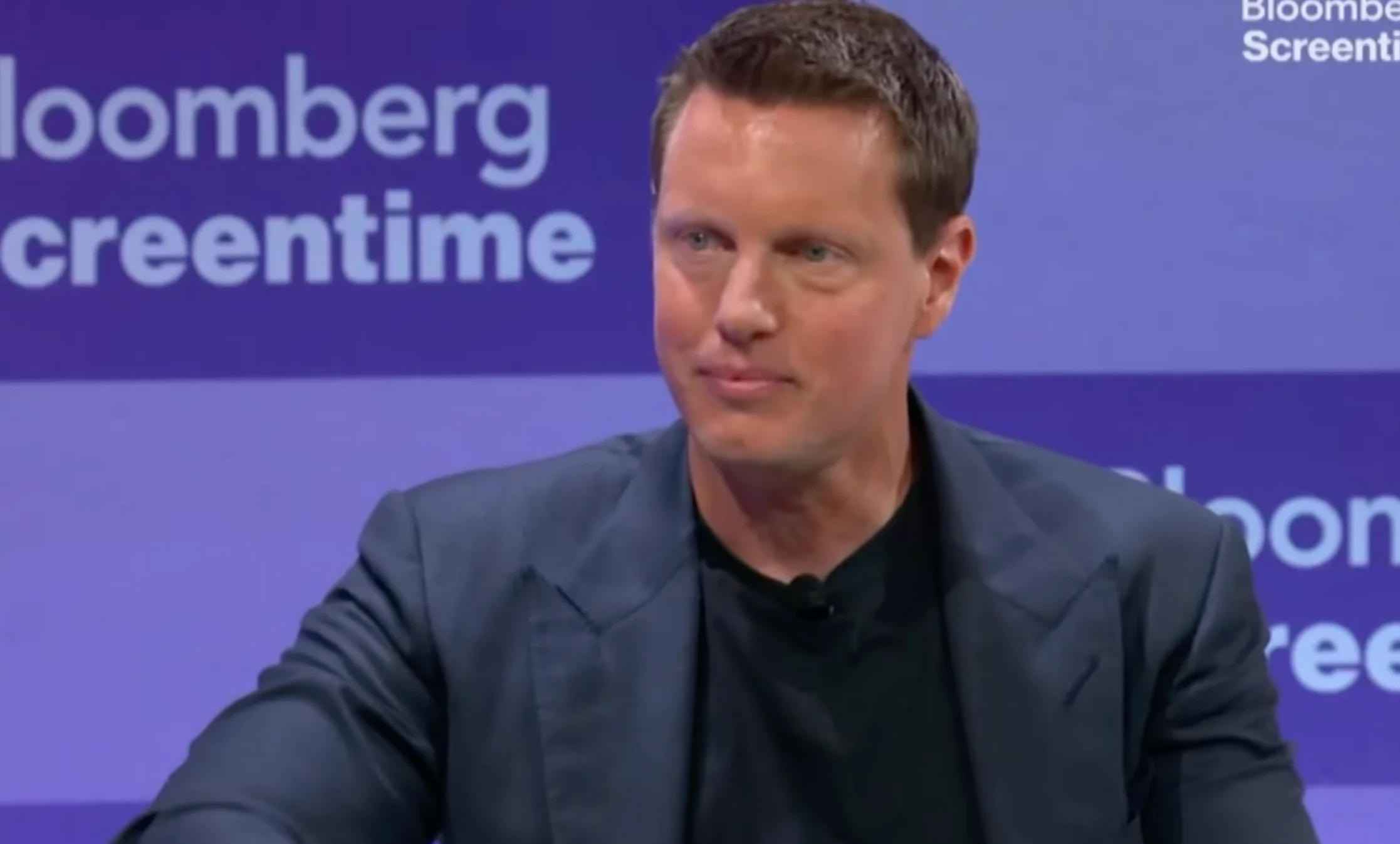
David Ellison talks to Bloomberg – YouTube, Bloomberg Podcasts
READ: Stephen Colbert Responds to ‘Lord of the Rings’ Backlash, Sidesteps Larger Concerns
The renewed theatrical focus counters pure streaming. Even Disney is rethinking their streaming approach. As a result of this maneuvering, Netflix is going for wide release with Greta Gerwig’s Narnia. Paramount have some obvious synergies here—shared overhead, cross-promotion, broader appeal. They also have the gift of space to realize it all quickly.
Critics cry monopoly. They also cry they may get left out. The reality is legacy media needs critical mass or it dies piecemeal. The lower earnings at recent theatrical releases illustrate that. Hype-driven solo streaming bets already failed; scale is necessary.
Selective Outrage Peaks Among Activists
Hypocrisy rings as ever in Hollywood. Guilds and creatives warn of fewer buyers, yet many will line up for the bigger entity’s projects. Activist warrior types like Mark Ruffalo worry that his radical actions and words may cost him dearly. Of course, he’s not alone in that concern. He’s likely not wrong. Verbal temper tantrums can cost entire careers.

Mark Ruffalo speaking at the 2017 San Diego Comic Con International, for “Thor: Ragnarok” Photo Credit: Gage Skidmore from Peoria, AZ, United States of America, CC BY-SA 2.0 <https://creativecommons.org/licenses/by-sa/2.0>, via Wikimedia Commons
On the Upside, fans might get more reliable big-screen output with the only risk being homogenized content. The question is how bad would that be over the current sequel, rebootquel, remake and prequel scheme we have now? The “creative class” (actors, writers, and producers) that cheered disruption, illogical spending on unwanted media, and massive cost increases, now hates the logical endpoint.
Can Balance Be Restored?
Balance in Hollywood is a tough nut to crack. In the true golden age, producers and studios understood a successful balance included low and mid-budget films as their bread and butter. The tentpoles were the risks. The smaller stuff didn’t carry the studio. Yet a bad tentpole could hurt it.
Warner Bros Discovery Logo
READ: Mark Ruffalo Calls on Hollywood to Oppose Paramount-Warner Bros. Merger in NYT Op-Ed
Going forward, the real competition emerges stronger from fewer, fitter players with more fiscal discipline. The current antitrust posturing often protects outdated models rather than consumers. It holds up broken systems and even guild practices that can’t be repaired.
Rebirth of a Powerhouse Before 2027
Ellison’s vision of 30 films from a combined Paramount WB is ambitious and welcome. Tech-forward ops could reset economics. Afterall, even the Golden Globes are willing to consider AI enabled films for awards.
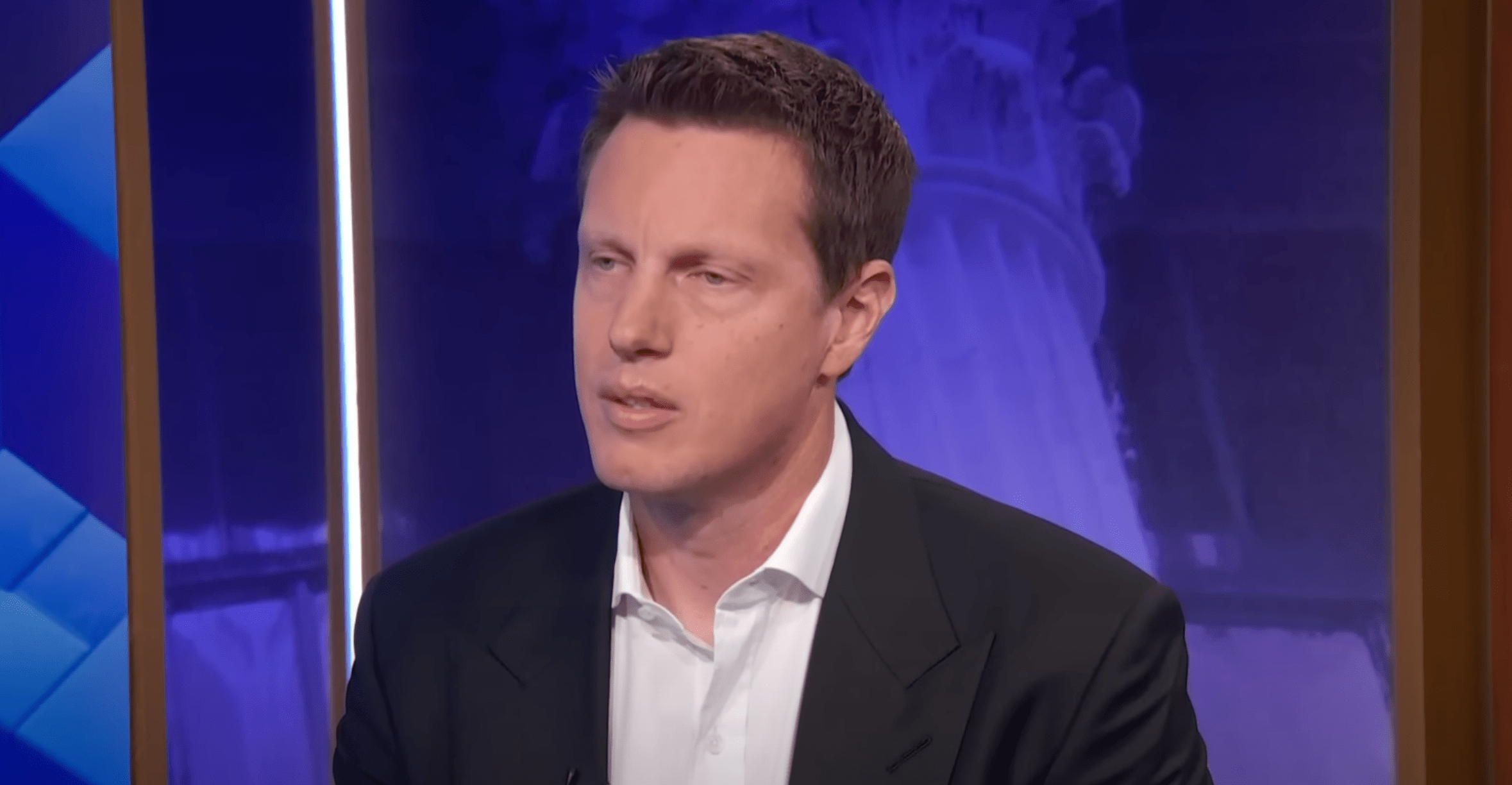
Paramount Skydance CEO David Ellison being interviewed – YouTube, CNBC Television
Debt and regulators are the risks. Success would help validate pro-business consolidation and perhaps leave space for new studios to emerge. Broad audience screenplays beat niche flops. Maybe this would even force Disney to stop producing slop.
Is blocking this Paramount WB merger protecting competition or sentencing legacy Hollywood to managed decline? Should scale win against regulators? Drop your takes in the comments.
UP NEXT: Disney ABC Claims FCC Probe Threatens Free Speech as The View Faces Scrutiny Over Equal-Time Rules
