



New York City Mayor Zohran Mamdani’s administration is facing a wave of criticism after publishing a searchable list identifying hundreds of thousands of property owners who could potentially be subject to the city’s new pied-à-terre tax — a database that includes the names and addresses of several high-profile celebrities who have publicly supported the mayor.
Among those identified are actress Cynthia Nixon, Vogue editor Anna Wintour, filmmaker Darren Aronofsky, and properties connected to Taylor Swift, Woody Allen, Deepak Chopra, Gay Talese, and numerous other prominent New Yorkers.
The controversy has quickly shifted beyond tax policy itself. Critics argue the city effectively created a political “hit list” by aggregating names and home addresses into a single searchable database, making information significantly easier to access than scattered public property records.
Celebrity Supporters Among Those Named
The newly published Department of Finance records include numerous celebrities and wealthy New Yorkers, including several who have publicly backed Mamdani politically.
READ: Monica Rambeau Seemingly Not in ‘Avengers: Doomsday’ Despite ‘The Marvels’ Post Credit Scene
According to reports, those appearing on the list include:
- Cynthia Nixon
- Anna Wintour
- Taylor Swift (through Euro Tribeca LLC)
- Darren Aronofsky
- Woody Allen 2005 Revocable Trust
- Helen Morris Scorsese
- Deepak Chopra
- Gay Talese
- Morley Safer Trust
- Leonard Stern
- Morris Moinian
- Bruce Ratner
The New York Post also noted that even some elected officials appeared on the list despite insisting the properties identified are actually their primary residences rather than second homes. Council Member Gale Brewer publicly disputed her inclusion, saying she has lived in her Upper West Side brownstone full time since 1994 and called the list inaccurate.
What Is the Pied-à-Terre Tax?
The new surcharge targets certain non-primary residences in New York City.
Under the city’s guidance, the tax generally applies to:
- One-, two-, and three-family homes used as second residences
- Condominiums
- Cooperative apartments
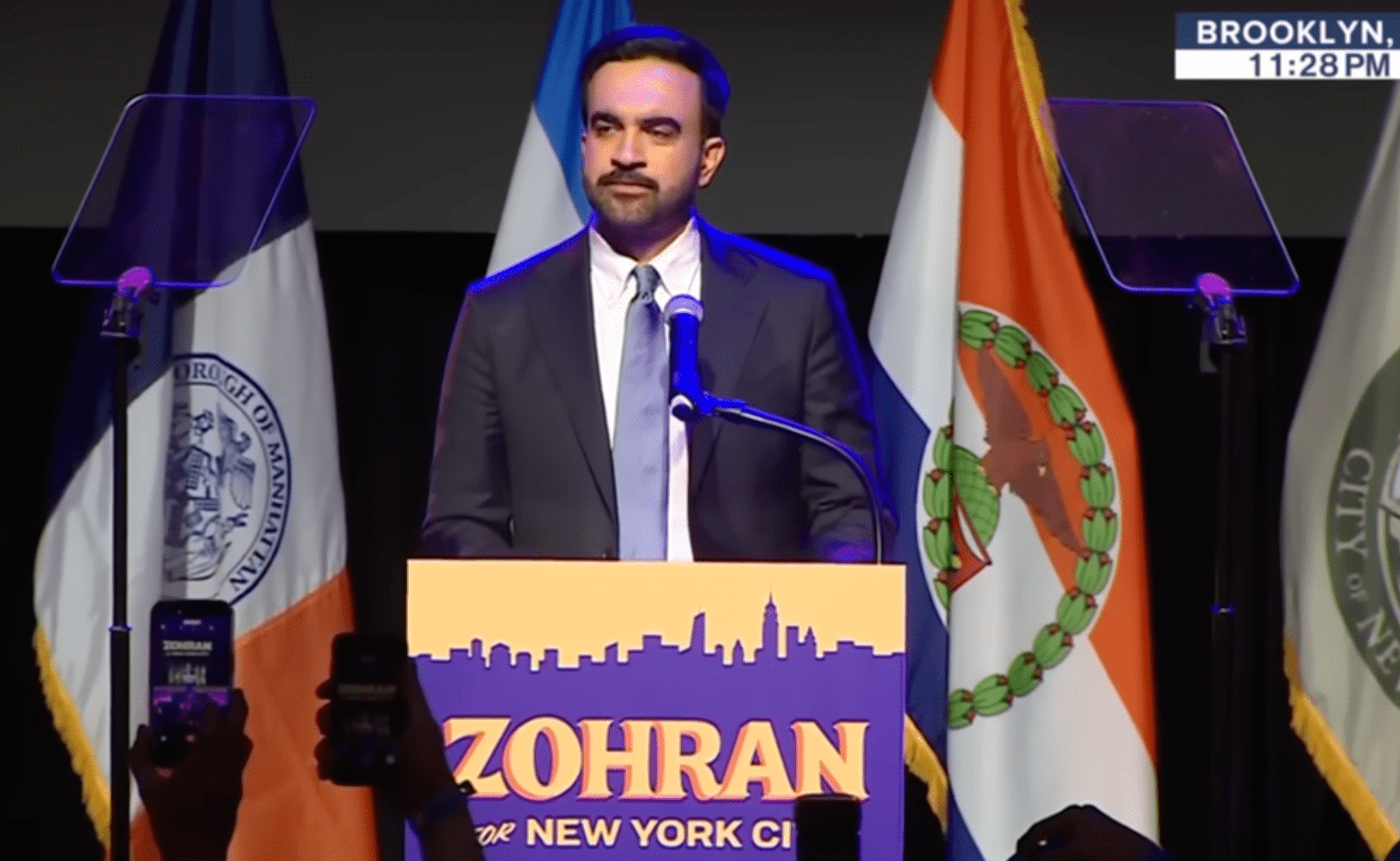
Zohran Mamdani delivers his victory speech – YouTube, ABC News
Owners who believe they qualify for exemptions are able to appeal through the Department of Finance. The administration says the new tax is intended to generate hundreds of millions of dollars annually to help fund city services.
Mayor Mamdani has repeatedly defended the tax as part of his campaign promise to “tax the rich,” saying it will help close budget gaps without cutting city services.
Critics Say Publishing the Database Went Too Far
While New York property records have long been public, opponents argue this situation is fundamentally different.
Rather than requiring someone to search county records property by property, the city assembled a centralized database specifically identifying people believed to be subject to the new tax.
That distinction has fueled accusations that the administration effectively “doxxed” thousands of homeowners by making their names and addresses immediately searchable in one place.

Donald Trump appears in Home Alone 2: Lost in New York – Disney+
Critics have warned that aggregating this information creates new security concerns for celebrities, executives, business owners, and wealthy residents.
Others have questioned the accuracy of the database itself after reports emerged that some primary residences and potentially exempt properties were included.
The Administration Says the Information Is Public
City officials reject the characterization that they released private information.
A Department of Finance spokesperson told reporters that the property roll was released “as per State law” for public inspection and that officials will use it to identify properties potentially subject to the surcharge.
Supporters similarly argue that property ownership records have always been publicly available and that the database simply organizes existing government information.
That explanation has done little to quiet critics who argue there is a meaningful difference between records existing across various government databases and a government-curated list specifically highlighting individuals who may be targeted by a new tax.
A Political Optics Problem
The episode also carries an awkward political dimension. Many of the celebrities whose addresses now appear on the city’s database have publicly supported Mamdani or his broader political movement.
Whether intentional or simply the byproduct of a broad property database, the result has become an unusual political headache: supporters who championed progressive tax policies now find themselves among the most recognizable names associated with the controversial list.

Cynthia Nixon in The Gilded Age – HBO Max
As criticism grows over privacy, security, and the accuracy of the records, the debate has shifted from whether New York should tax luxury second homes to whether City Hall should have published a searchable database connecting names to residential addresses in the first place.
How do you feel about Mamdani’s Pied-à-Terre list? Sound off and let us know!
