



Spencer Pratt is taking aim at decades of Hollywood storytelling, arguing that movies and television have slowly conditioned audiences to sympathize with — and eventually root for — people who once would have been treated as unmistakable villains.
Pratt’s argument is not simply that modern entertainment features more antiheroes. He contends that Hollywood has spent decades deliberately inverting traditional ideas of virtue, gradually replacing straightforward heroes and villains with stories that search for redeeming qualities in people who commit horrific acts.
According to Pratt, that cultural shift did not happen overnight.
We’ve lost our damn minds.
The Lindsay Clancy mass psychosis proves that a lot of people need to have their Wifi taken away. But this psychosis started many years before TikTok… pic.twitter.com/WhT1iXJ9Pj— Spencer Pratt (@spencerpratt) August 24, 2026
READ: Hollywood’s Answer to the AI Revolution Is… Kathleen Kennedy
He points all the way back to Dead Man Walking as an early example of audiences being encouraged to emotionally identify with someone guilty of terrible crimes. In Pratt’s telling, entertainment began pushing viewers toward sympathy first, then steadily escalated that approach until villains became the people audiences were actively encouraged to root for.
Then came shows like Dexter.
Pratt argues that Dexter effectively “injected it with steroids” by making a serial killer the protagonist of a hugely successful television series. The audience was no longer merely being asked to understand a criminal. Viewers were following him every week, investing in his survival, and in many cases hoping he would escape consequences.
From there, Pratt says the trend accelerated alongside the rise of the antihero.
Pratt argues that Hollywood became obsessed with finding humanity in characters who traditionally would have simply been treated as villains, eventually creating sympathetic backstories for characters whose defining traits were once their evil actions.
His summary of the cultural shift is remarkably concise: “Our parents had superheroes and we have anti heroes.”
From Walter White to the Joker
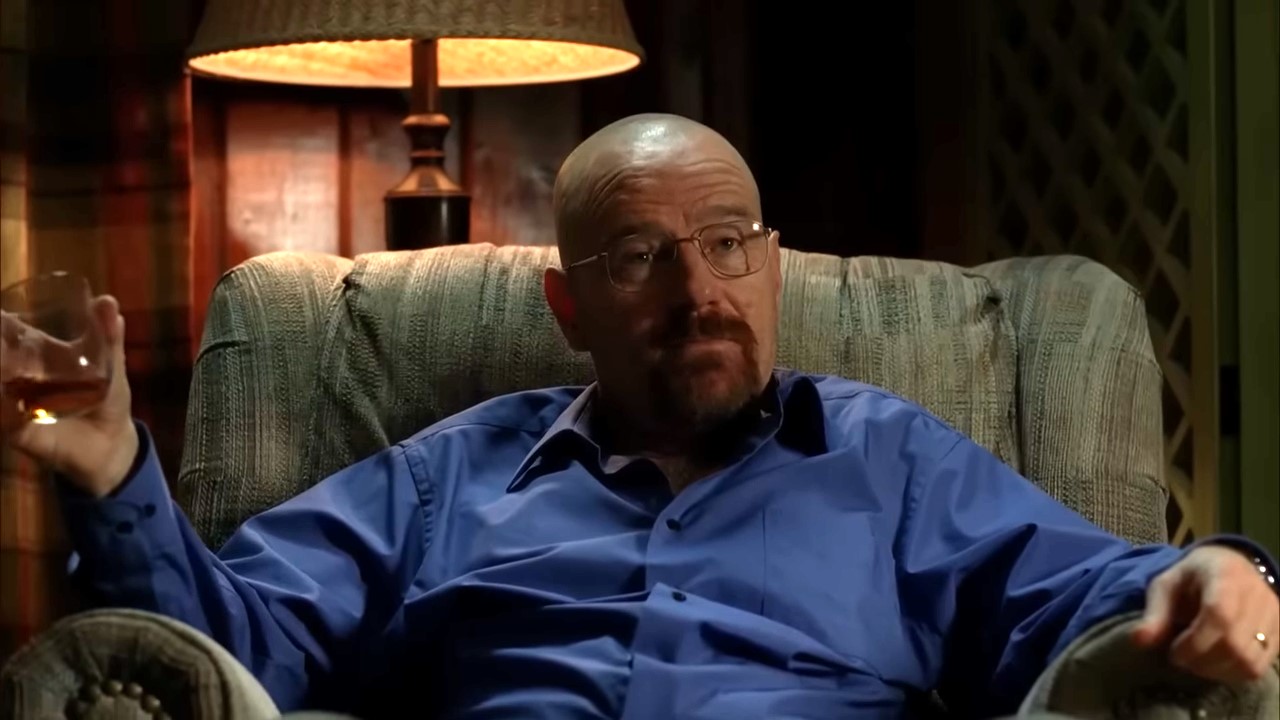
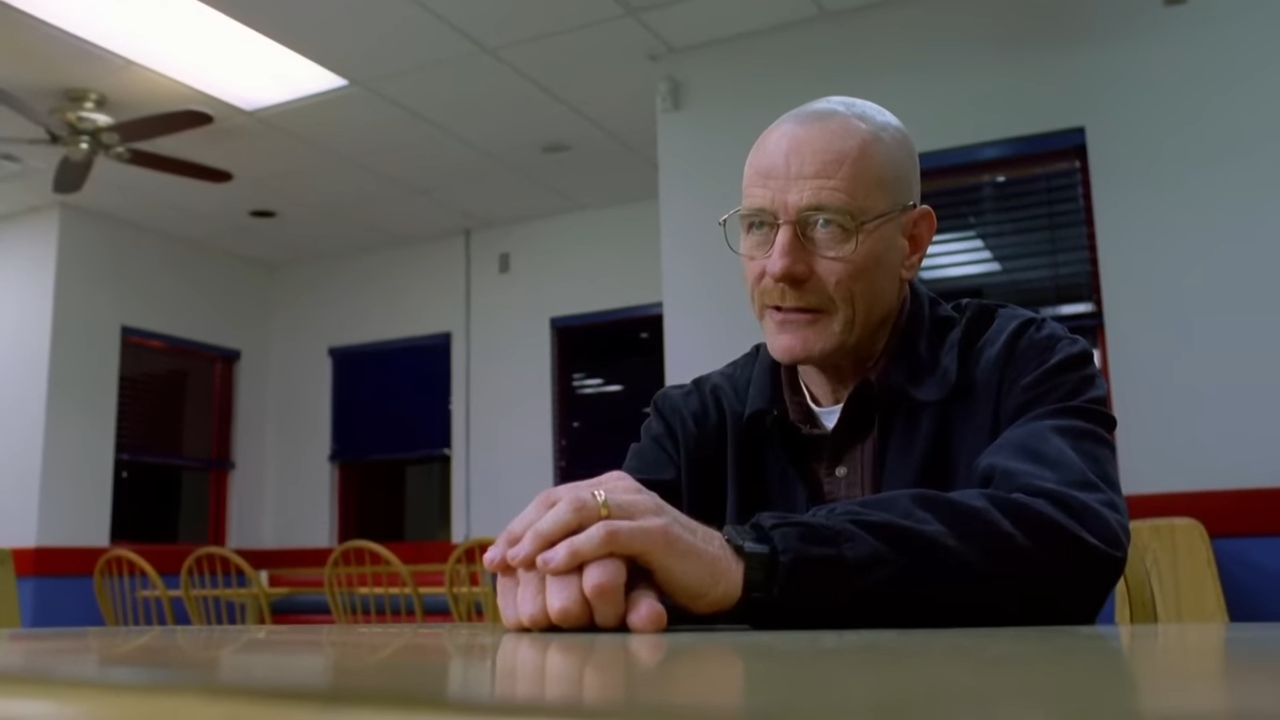
Pratt points to Breaking Bad as one of the clearest examples of what he believes Hollywood has trained audiences to do.
Walter White begins the series as a desperate chemistry teacher, but gradually transforms into a violent drug kingpin whose actions devastate his family and virtually everyone around him.
Yet millions of viewers still found themselves rooting for him.
Bryan Cranston as Walter White – Breaking Bad & Better Call Saul, YouTube
That tension was intentionally built into Breaking Bad, and it remains one of the reasons the series is so compelling. But Pratt argues that the popularity of characters like Walter White reflects a larger cultural transformation in which viewers have become increasingly comfortable emotionally identifying with people doing objectively terrible things.
The Joker represents an even more dramatic example.
Pratt contrasts Jack Nicholson’s version of the character in Tim Burton’s 1989 Batman with Joaquin Phoenix’s version decades later.
Burton’s Joker is an unmistakable villain. He is dangerous, cruel, murderous, and ultimately exists as an enemy Batman must stop. Then, in 2019, Joker made the character the protagonist.

Joaquin Phoenix as Arthur Fleck in Joker: Folie à Deux (2024), Warner Bros. Pictures
Instead of viewing the Joker from Batman’s perspective, audiences were asked to experience Arthur Fleck’s humiliation, alienation, mental decline, and rage from inside his own story.
That doesn’t necessarily mean Joker endorses his behavior, but Pratt’s broader point is difficult to miss: one of pop culture’s most recognizable villains eventually became the emotional center of his own prestige drama.
Hollywood Became Obsessed With Explaining the Villain
The Joker is hardly alone.
Modern Hollywood has repeatedly returned to established villains and asked audiences to reconsider whether they were really the villains at all.
Disney transformed Maleficent from the evil fairy who curses an infant in Sleeping Beauty into the misunderstood protagonist of her own franchise.
Cruella de Vil, once best known for wanting to make clothing out of puppies, received a stylish origin story designed around making audiences sympathize with her.
Cynthia Erivo as Elphaba in the trailer for the Wicked movie, YouTube – Universal Pictures
READ: Disney Offers Executives Early Retirement Packages as Cost-Cutting Push Deepens
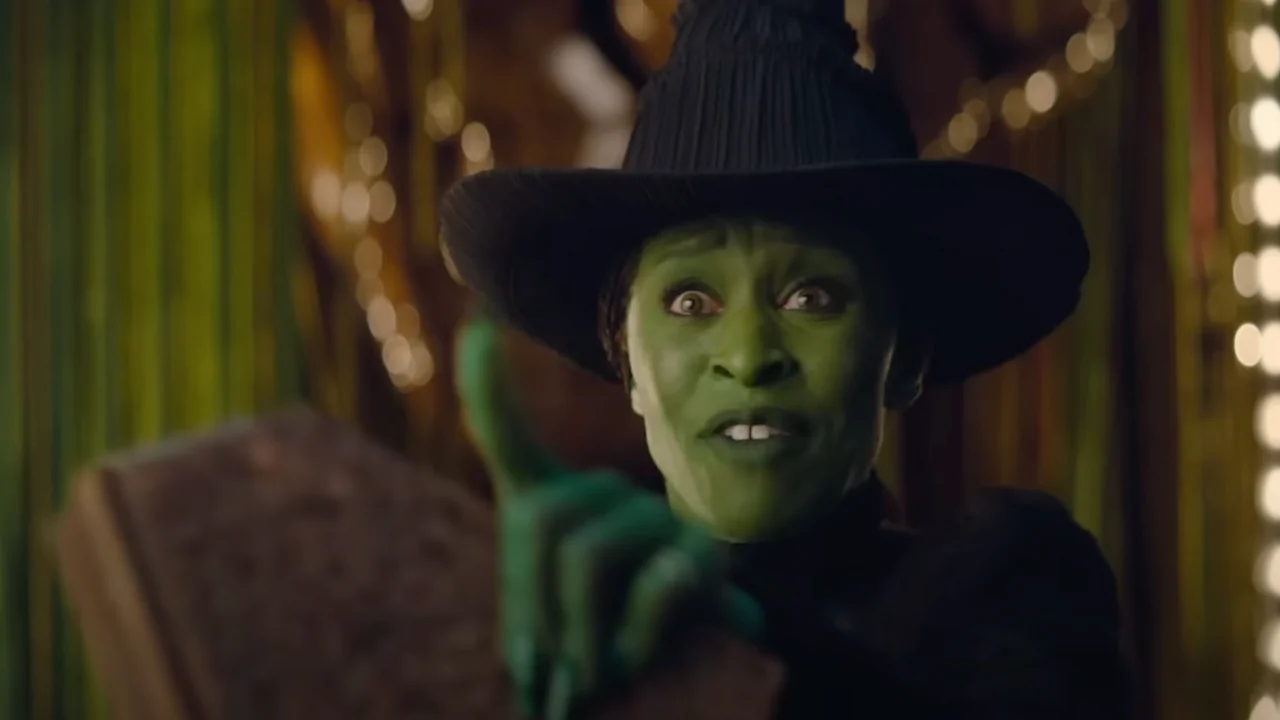
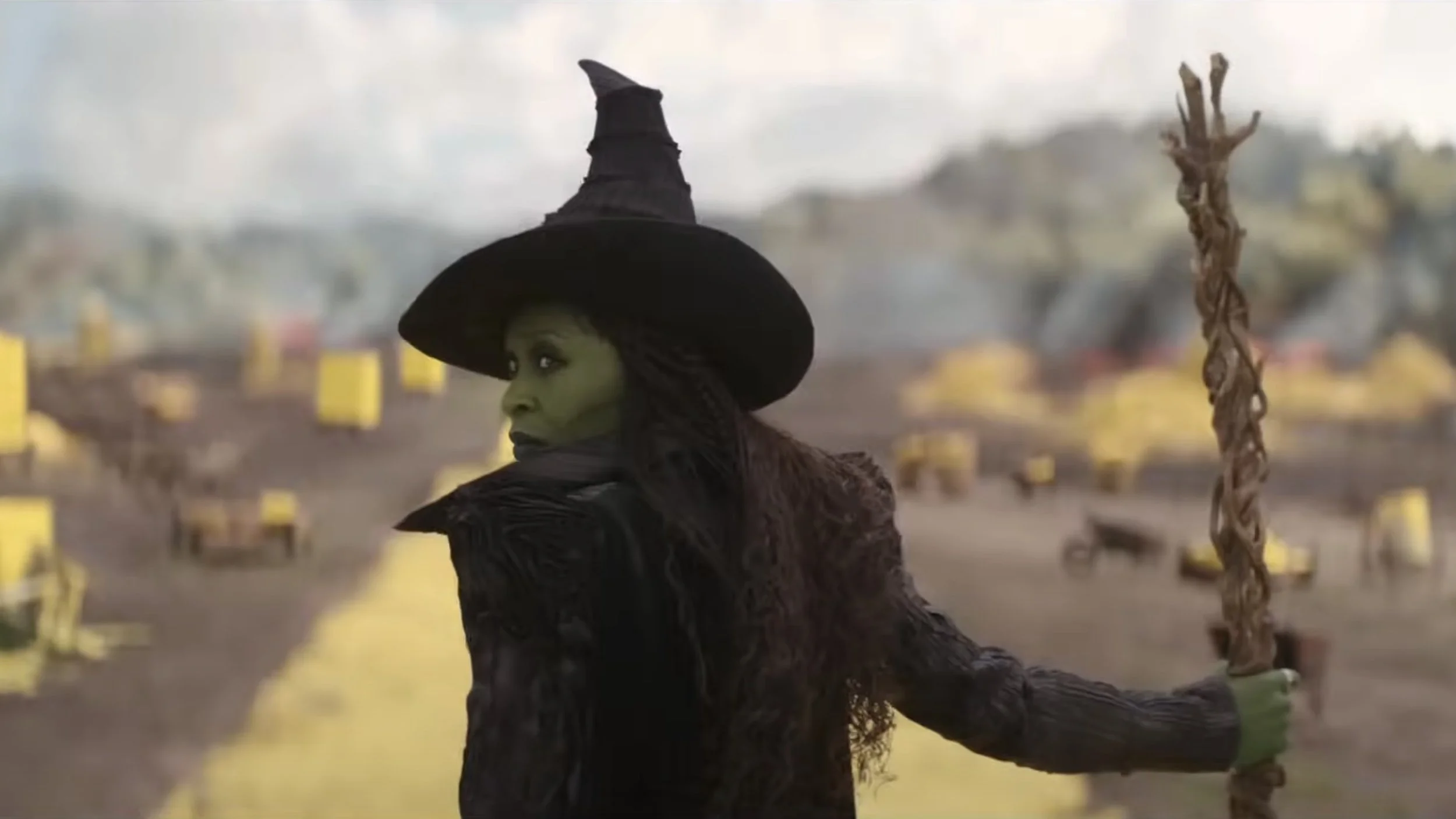
Wicked similarly reimagines the Wicked Witch of the West as a misunderstood outsider whose reputation was shaped by forces largely beyond her control.
These projects can still work as entertainment. Some are enormously popular. But taken together, they illustrate exactly the storytelling evolution Pratt is describing.
Hollywood increasingly seems less interested in presenting evil as evil and more interested in asking what trauma, injustice, discrimination, or mistreatment caused the villain to become that way.
Cynthia Erivo as Elphaba in Wicked: For Good – Universal Pictures
The traditional question was often: How will the hero defeat the villain?
The modern question is increasingly: What happened to the villain that made them this way?
Those questions are not mutually exclusive. Great storytelling has always given villains motives. The difference is what happens when explaining the villain becomes more important than judging the villain’s actions.
“The Arts Dog Walked Us Here”
Pratt ultimately takes his argument somewhere much more provocative than a criticism of modern movies and television.
He believes decades of morally inverted storytelling have conditioned audiences to apply the same sympathetic-villain framework to people accused or convicted of horrific acts in the real world.
“The arts dog walked us here over decades with films and television that inverted the paradigm of normal virtue,” he said. “Cops are the bad guys, outlaws are the heroes and man do you see that manifesting in reality today.”
Bryan Cranston as Walter White – Breaking Bad & Better Call Saul, YouTube
That, Pratt argues, is what we are now witnessing in the extraordinary public sympathy surrounding figures like Lindsay Clancy and Luigi Mangione.
Clancy was charged in connection with the deaths of her three young children in Massachusetts. Her case has nevertheless generated an enormous amount of public sympathy, with supporters focusing heavily on her reported mental-health struggles and circumstances surrounding the tragedy.
Pratt sees that reaction as an example of the cultural instinct he believes entertainment helped create: rather than beginning with the horror of what happened to the victims, significant portions of the public immediately search for an explanation that transforms the alleged perpetrator into another victim.
He makes a similar connection to Luigi Mangione, who has been accused in the killing of UnitedHealthcare CEO Brian Thompson.

David Prowse and James Earl Jones as Darth Vader and Mark Hamill as Luke Skywalker in Star Wars: Return of the Jedi (1983), Lucasfilm
Mangione has developed an extraordinary following since his arrest. Supporters have celebrated his appearance, created fan art and merchandise, gathered outside court appearances, and in some cases openly treated him as a folk hero because of widespread anger toward the American health insurance industry.
Whatever someone’s opinion of the healthcare system, Pratt’s point is that the moral equation has undergone a startling transformation.
The alleged killing becomes secondary. The grievance becomes the story, and the accused becomes the protagonist.
In Pratt’s formulation, that resembles precisely the narrative structure Hollywood has spent decades teaching audiences to understand.
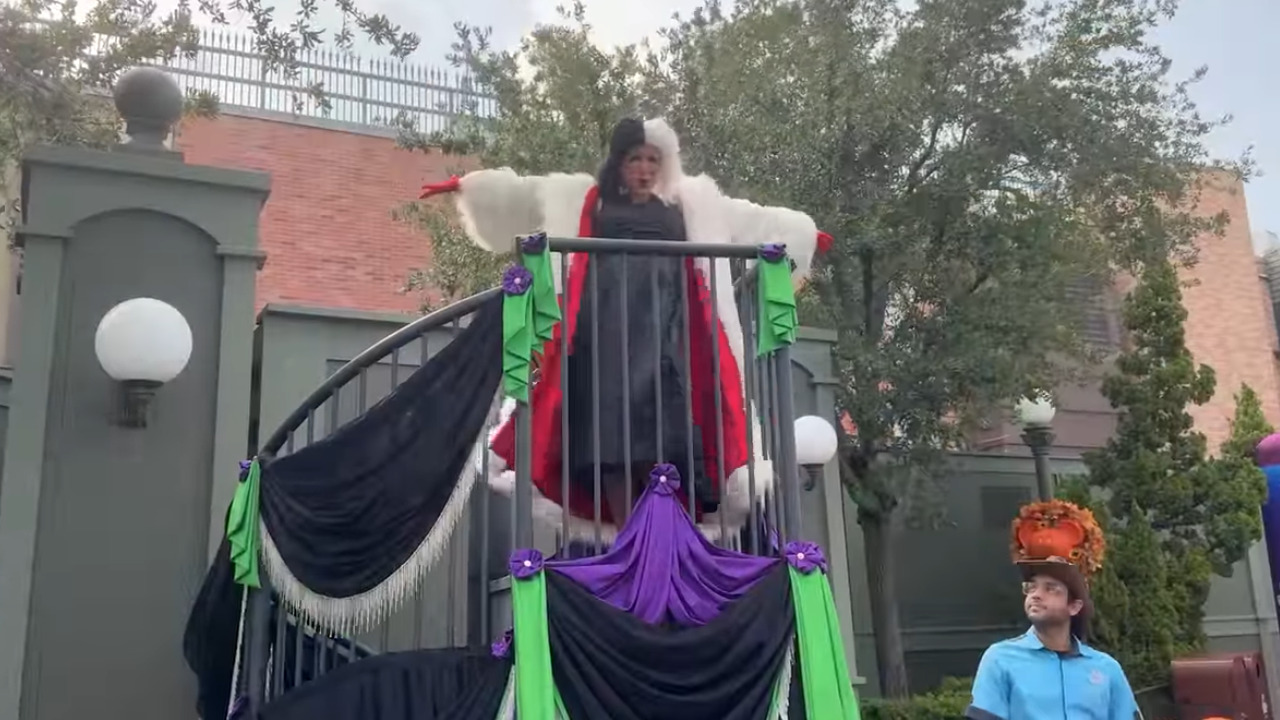
Cruella de Vil at Mickey’s Not-So-Scary Halloween Party – YouTube DFBGuide
The villain has a grievance. The system failed him. Society mistreated her. Something traumatic happened. Authority is corrupt. Therefore, before judging the terrible act at the center of the story, audiences are encouraged to understand the person who committed it.
That doesn’t mean sympathy, context, or compassion are inherently wrong. Nor does understanding someone’s motives require excusing their actions.
But Pratt is arguing that the cultural pendulum has swung much further than understanding.
It has reached the point where some people appear willing to transform real-world alleged perpetrators into antiheroes.
That is why his references to Dexter, Breaking Bad, and Joker matter to his larger argument.
Walter White always has another justification. Arthur Fleck is humiliated and discarded by society. Dexter Morgan directs his murderous impulses toward people portrayed as even worse than himself.
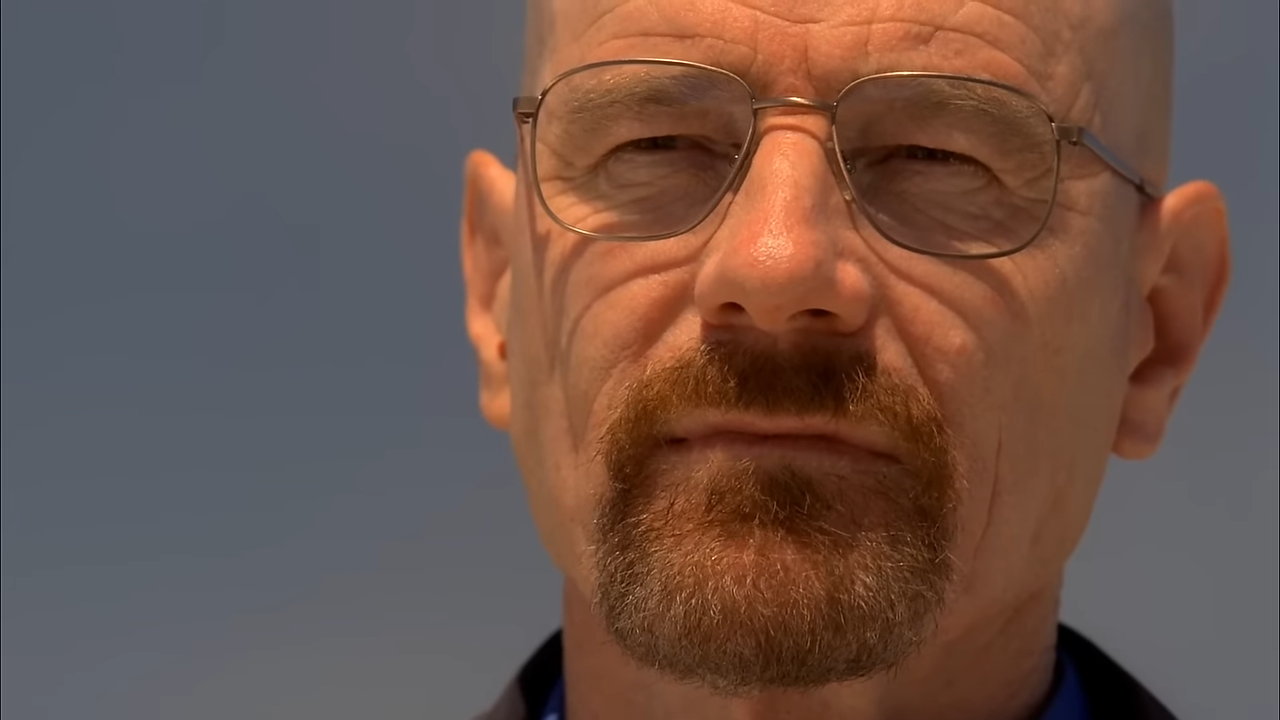
Bryan Cranston as Walter White in Breaking Bad – Rotten Tomatoes TV, YouTube
The audience knows these characters are doing terrible things, but the story puts viewers behind their eyes. We understand the grievance. We experience the injustice. We know the origin story.
Eventually, Pratt argues, audiences learned the formula.
And now some appear to apply it themselves.
When confronted with an apparent real-world villain, the first instinct can become searching for the sympathetic origin story.
- What did society do to him?
- What system failed her?
- What trauma explains this?
- Who is the real villain here?
That last question may be the most important.
Because Pratt’s argument isn’t merely that Hollywood taught audiences to sympathize with villains. He believes Hollywood increasingly taught audiences that the person presented as the villain probably isn’t the real villain at all.
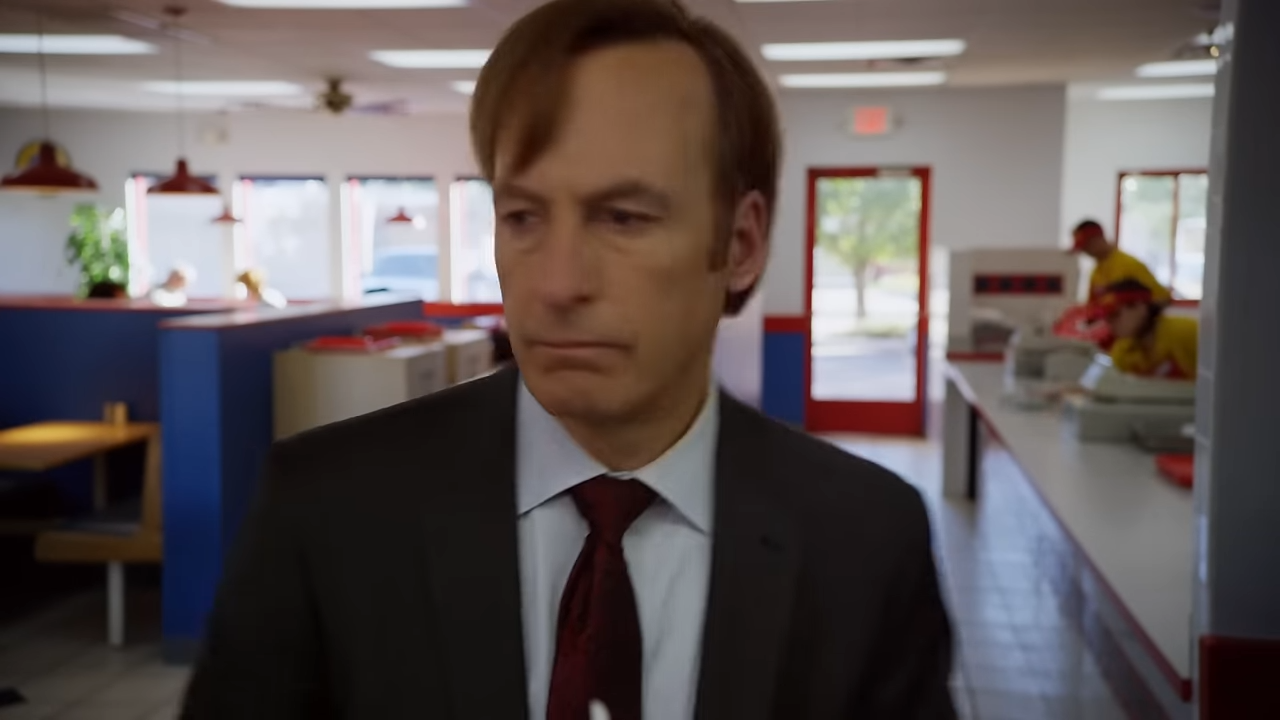
Bob Odenkirk as Saul Goodman – Breaking Bad & Better Call Saul, YouTube
There is always a corrupt corporation, abusive institution, oppressive authority figure, cruel society, traumatic childhood, or systemic injustice waiting behind the curtain.
Sometimes those explanations are completely legitimate and necessary to understanding what happened.
But explanation and absolution are not the same thing.
Pratt believes popular culture has spent so many years blurring that distinction that portions of the public increasingly struggle to maintain it when confronting real events.
That’s an enormous claim, and establishing that Hollywood directly caused reactions to cases like Clancy’s or Mangione’s would require considerably more evidence than a cultural observation.
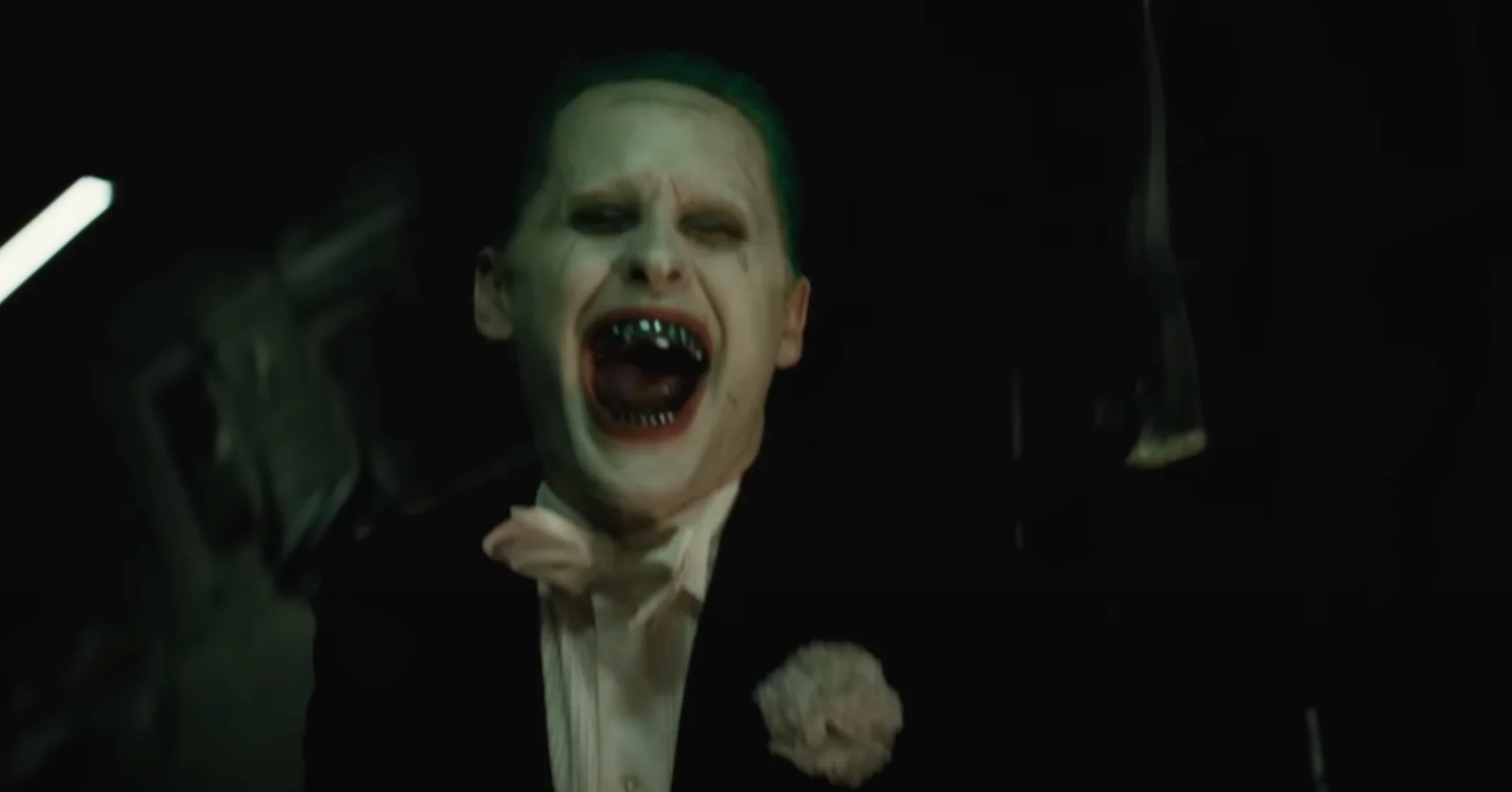
Jared Leto as The Joker in Suicide Squad – YouTube, Warner Bros. Pictures
But the phenomenon Pratt is identifying is real enough to examine.
The adulation surrounding Mangione in particular demonstrates that some Americans are perfectly willing to adopt the language and imagery of fictional antiheroes when responding to an accused killer. The alleged crime becomes part of a larger narrative about an unjust system, while the accused becomes the rebellious protagonist striking back against it.
It’s essentially the outlaw-as-hero archetype translated into reality. That’s exactly where Pratt believes decades of entertainment were leading us.
Hollywood spent years asking audiences to reconsider the villain. Then it asked them to understand the villain. Then it asked them to sympathize with the villain.
Then it made the villain the hero.
Pratt’s warning is that some people may have stopped making a distinction between the screen and the world outside it.
Spencer Pratt Knows Something About Manufactured Villains
There is also something uniquely appropriate about Spencer Pratt making this argument.
Pratt became famous largely because The Hills turned him into one of reality television’s most recognizable villains.
His public persona was built around conflict, editing, producer manipulation, and the demand for increasingly dramatic television.
He knows firsthand how entertainment can manufacture heroes and villains — and how audiences can emotionally respond to those roles as though they are completely real.
That gives his argument an unusual dimension.

Spencer Pratt – Fox 11 Los Angeles
Pratt is not criticizing the entertainment machine entirely from the outside. He was once one of its most successful villains.
Now he is arguing that the industry became so enamored with deconstructing traditional morality that it may have taught an entire generation to instinctively sympathize with the very characters audiences were once supposed to fear.
Whether Hollywood actually reshaped society to the extent Pratt believes is open to debate. But his larger observation is difficult to dismiss. For decades, entertainment has moved steadily away from uncomplicated heroes and unmistakable villains.
Hollywood wanted moral complexity. It wanted antiheroes and sympathetic villains.
Eventually, it wanted origin stories explaining why the bad guy was never really the bad guy in the first place.
And Spencer Pratt’s question is essentially what happens when an entire culture absorbs that lesson for long enough.
Do you agree with Spencer Pratt about how Hollywood has warped our morality? Sound off and let us know!
UP NEXT: Paramount Denies Leak Came From Them After Rob Bonta Cancels Merger Talks
