


The Federal Communications Commission is asking a federal judge to throw out Disney and ABC’s lawsuit challenging the agency’s unusually early review of the broadcast licenses belonging to eight ABC-owned television stations.
Disney and ABC sued the FCC in August, accusing the agency of conducting a politically motivated campaign designed to punish the network over programming and editorial decisions disliked by President Donald Trump and FCC Chairman Brendan Carr.
Now, the FCC is firing back.
According to Variety, the agency filed a motion on September 3 asking the U.S. District Court for the District of Columbia to dismiss ABC’s lawsuit, arguing that the broadcaster has failed to demonstrate that the accelerated license proceedings amount to retaliation for protected speech.
“Because Plaintiffs do not establish the necessary ‘causal link between [their] protected speech and the early renewal proceedings,’ they have failed to show a likelihood of success on the merits of their First Amendment retaliation claim,” the FCC argued.
Disney Says the FCC Is Targeting ABC’s Speech
The legal battle began after the FCC ordered Disney in April to file early renewal applications for all eight of its owned-and-operated ABC television stations.
That wasn’t a small change.
According to an FCC public notice, none of the affected licenses would ordinarily have been up for renewal until at least 2028. Some were not scheduled to expire until 2031.
Disney complied under protest before taking the federal government to court.
ABC alleges that the FCC’s real concern isn’t compliance with employment law, but the network’s programming.
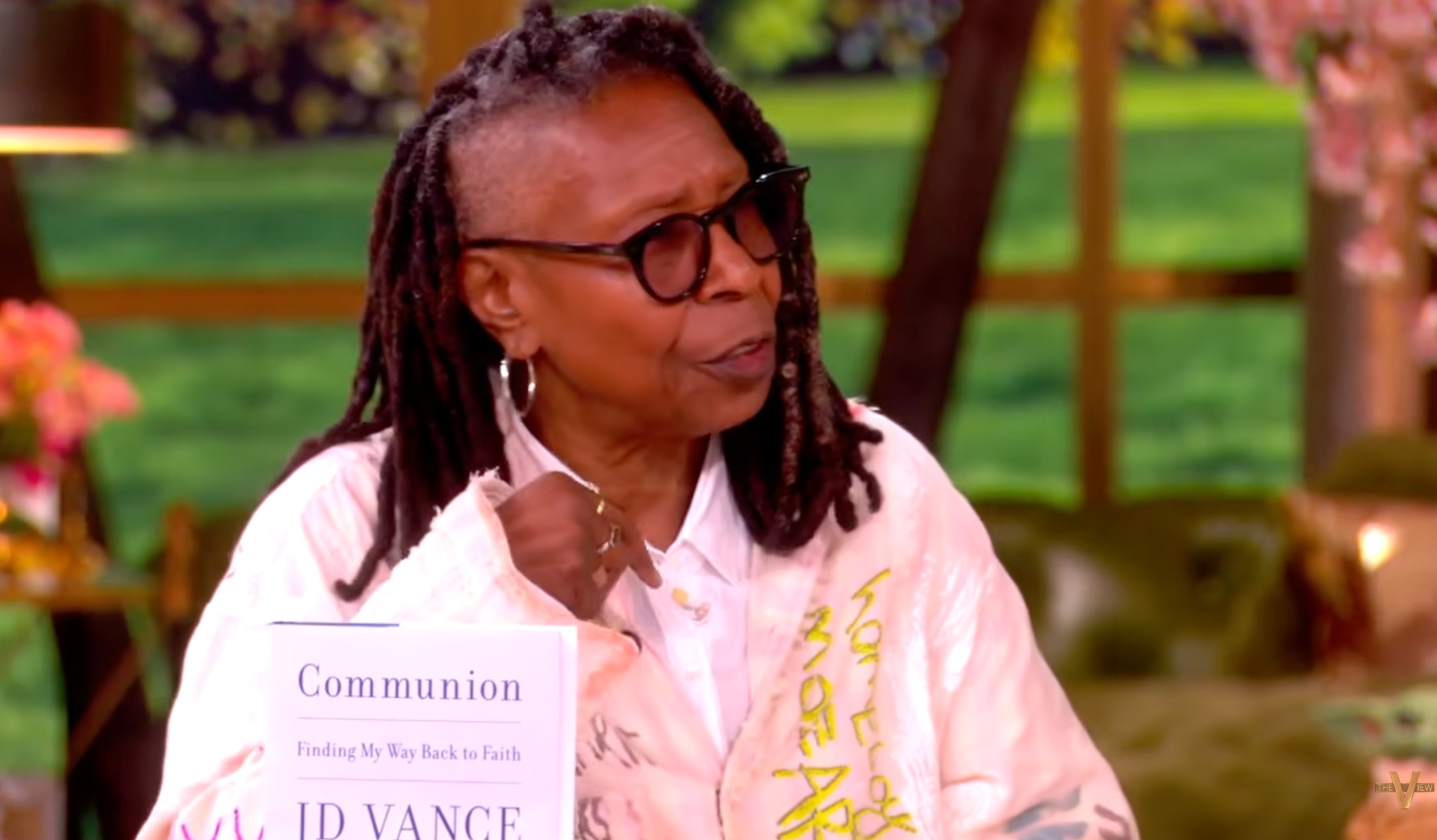
Whoopi Goldberg speaking to JD Vance on The View – YouTube, The View
READ: Planet Coaster Studio Frontier Announces It’s Creating a Disney Game
“The Commission’s true target is not the Stations’ employment practices or their carriage of a single presidential address; it is the content of Plaintiffs’ programming — and thus their speech,” ABC argued in its lawsuit.
Disney has pointed toward the Trump administration’s increasingly public confrontations with ABC as evidence supporting that allegation.
President Trump has repeatedly criticized ABC and its programming, while Carr has raised questions about programs including Jimmy Kimmel Live! and The View.
President Trump publicly demanded ABC fire Jimmy Kimmel on April 27 after Kimmel made a joke about First Lady Melania Trump. The following day, the FCC’s Media Bureau ordered Disney to submit its station licenses for early renewal.
ABC argues that sequence is hardly coincidental.
FCC Says the Investigation Started Long Before Kimmel Controversy
The FCC, however, says Disney is leaving out an important part of the timeline.
According to the agency, its investigation into allegations of discriminatory employment practices at Disney and ABC was already underway well before the controversy surrounding Kimmel.
The FCC says Chairman Brendan Carr directed the Enforcement Bureau to investigate Disney in early 2025 following reports and allegations involving potentially discriminatory employment practices.
The agency further claims Disney’s cooperation with that investigation was inadequate.
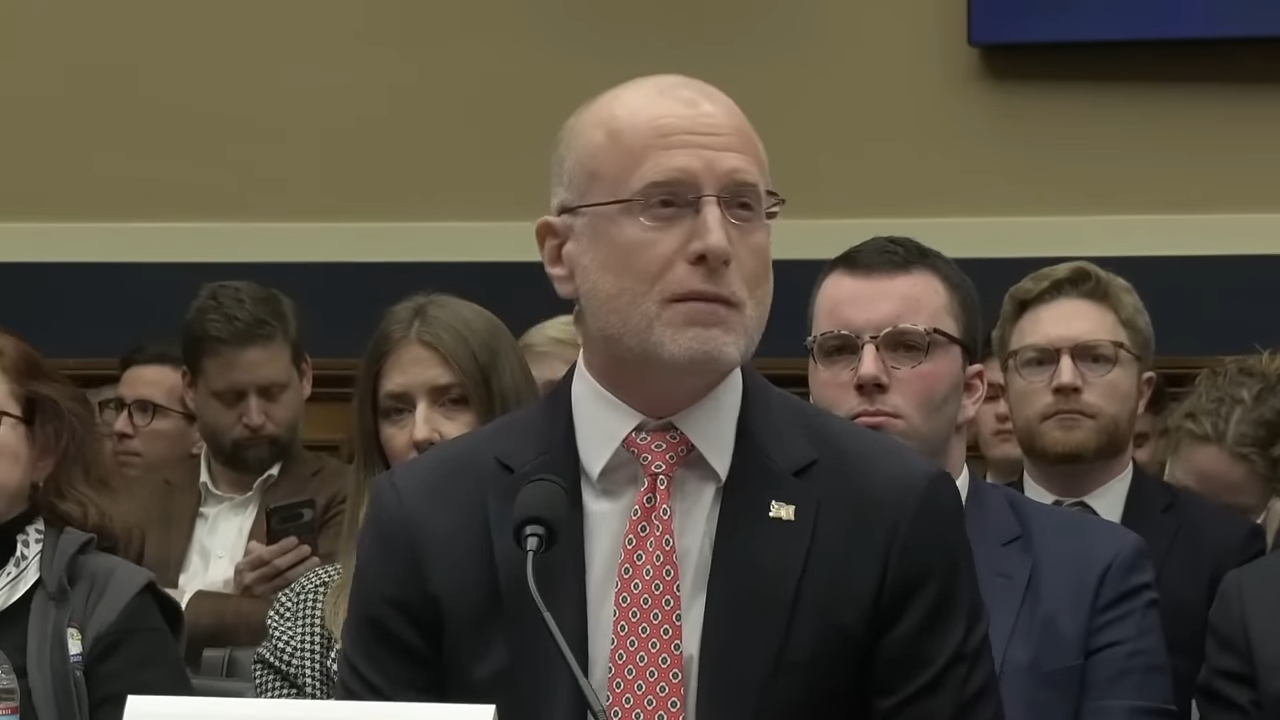
FCC Chair Brendan Carr testifies before House subcommittee – CBS News, YouTube
According to the FCC, Disney provided responses to agency information requests that were “deficient and nonresponsive,” eventually prompting regulators to use the early license-renewal process as another investigative mechanism.
The agency therefore argues that Disney cannot establish that criticism of ABC’s programming was the reason for the accelerated review.
Carr’s comments about Kimmel, The View, and other ABC programming, the FCC argues, came after the underlying investigation had already begun.
The FCC also maintains that Carr and the commission have not prejudged whether ABC’s licenses should ultimately be renewed.
More Than 11,000 Pages of Documents
Disney disputes the suggestion that it has failed to cooperate.
The company says it has already produced more than 11,000 pages of responsive documents as part of the FCC investigation and that those materials were delivered according to a mutually agreed-upon schedule.
Disney also argues that the Enforcement Bureau never indicated that its existing investigative powers were inadequate.
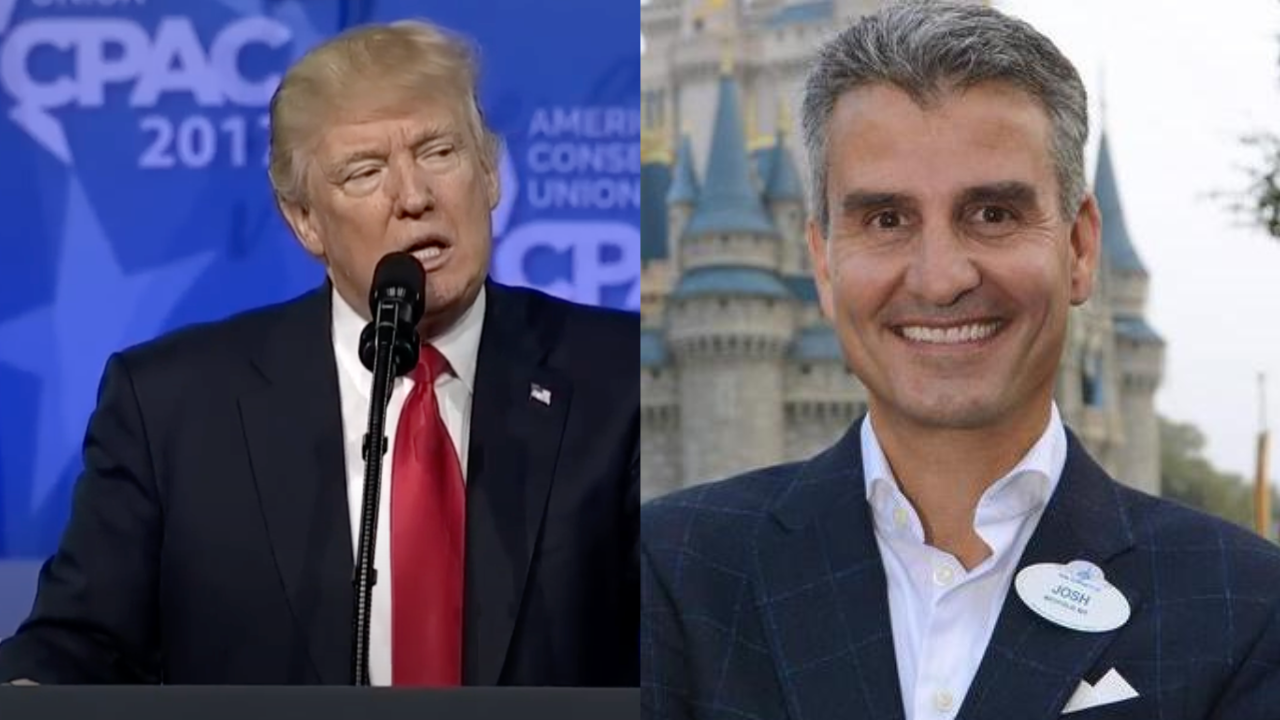
President Trump and Josh D’Amaro – CPAC; Disney
The FCC, meanwhile, says it has accumulated a “voluminous” record and is continuing to review the matter.
More than 153,000 public comments have reportedly been submitted regarding the ABC license proceedings, helped in part by Disney encouraging viewers through its local stations to submit comments to the commission.
FCC Says Disney Is Also in the Wrong Court
The government isn’t merely challenging ABC’s First Amendment argument. It also contends that Disney filed its case in the wrong court and too early.
The FCC argues that Congress has specifically directed challenges to commission orders toward federal appellate courts, rather than the district court where Disney filed its lawsuit.
“Plaintiffs cannot bypass these jurisdictional limits by framing their claim as one for ‘retaliation’ in response to speech protected by the First Amendment,” the FCC argued.
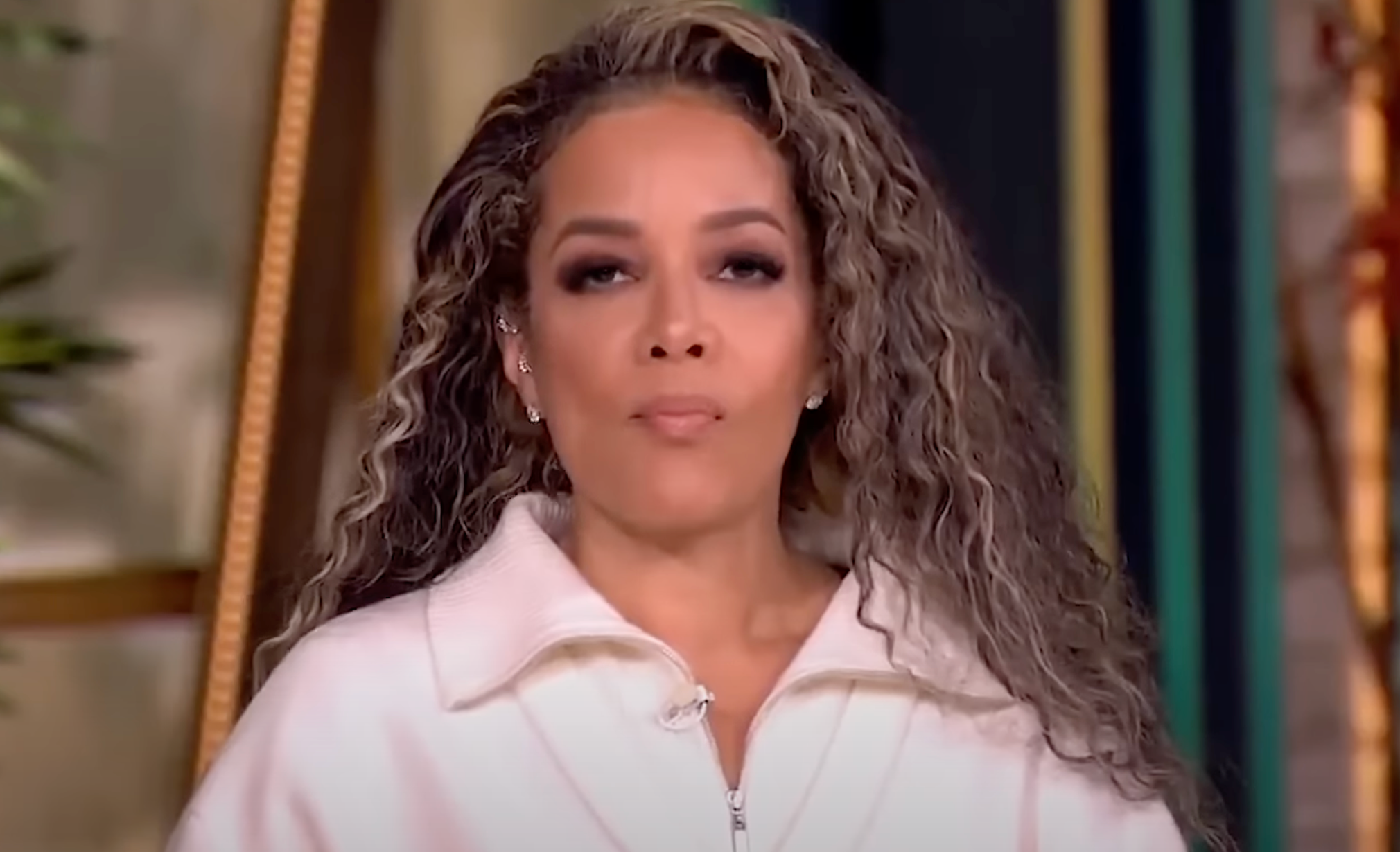
Sunny Hostin issuing a legal notice on The View – YouTube, Page Six
The agency also maintains that ABC hasn’t actually lost anything yet.
No licenses have been revoked or denied, and ABC’s stations remain on the air. Even if the commission ultimately refused to renew the licenses, the FCC says those licenses would remain effective while Disney pursued judicial review.
In other words, the FCC’s position is essentially that Disney is asking a federal court to intervene before the regulatory process has even reached a conclusion.
A Major First Amendment Fight Is Taking Shape
Ordering a major television network to submit broadcast licenses years ahead of schedule is extraordinary, and the timing of the April order immediately following Trump’s public criticism of Kimmel gives ABC an obvious argument that political pressure played some role.
But timing alone doesn’t establish unconstitutional retaliation.
The FCC’s defense will hinge heavily on demonstrating that its investigation into Disney’s employment practices was legitimate, active, and sufficiently serious to justify the accelerated renewal proceedings independent of anything President Trump or Carr subsequently said about ABC’s programming.
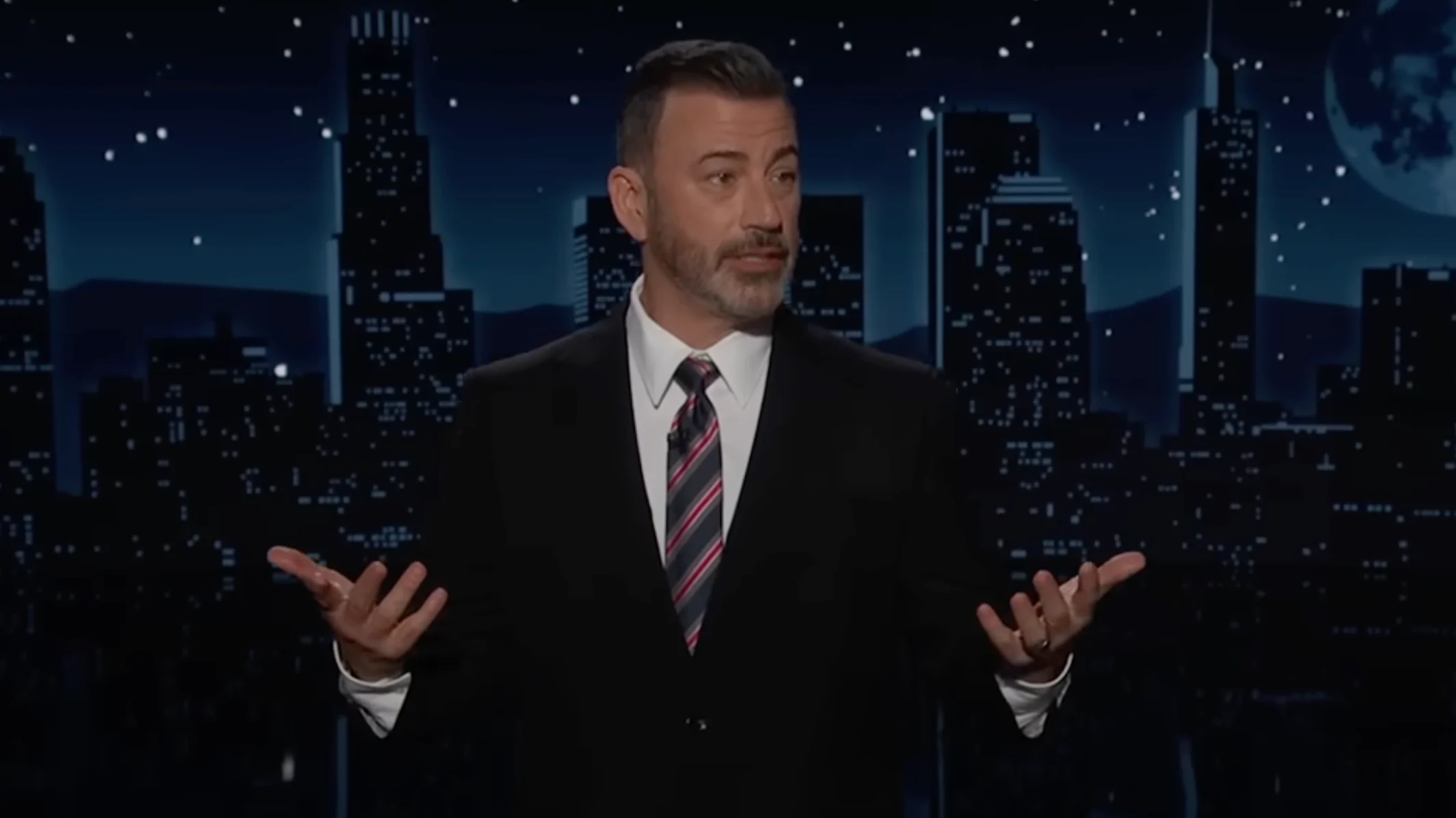
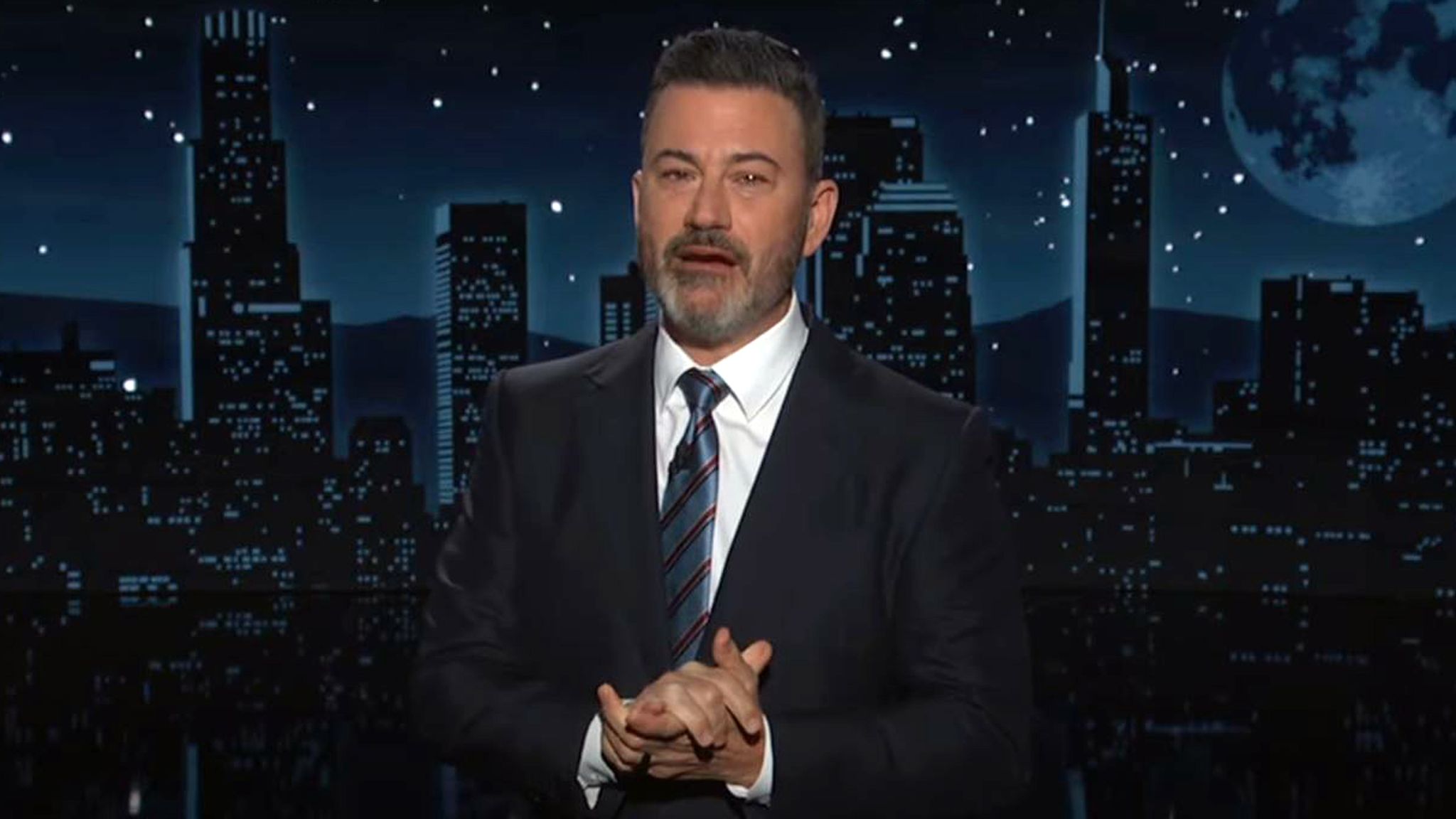
Jimmy Kimmel crying in his return monologue on ABC – YouTube, Jimmy Kimmel Live
Disney, meanwhile, will attempt to demonstrate that the employment investigation became a convenient regulatory mechanism through which the government could pressure a broadcaster over protected speech.
That makes this considerably more complicated than the simplistic “Trump versus ABC” narrative likely to surround the case.
There’s now a legitimate constitutional question about whether the FCC is improperly using licensing authority to pressure a broadcaster. There’s also a legitimate question about whether Disney is attempting to transform an ongoing regulatory investigation into a First Amendment case before the FCC has actually taken action against its stations.
U.S. District Judge Loren AliKhan is expected to hear arguments during the week of October 5. Until then, Disney’s eight ABC stations remain on the air, the FCC’s review continues, and neither side appears interested in backing down.
Who do you think will win in this battle between Disney ABC and the FCC? Sound off and let us know!
UP NEXT: Lanterns Ratings Show First Sign of Trouble Despite Warner Bros. Claiming Viewership Growth
