



James Gunn is not secretly torching DC in a warehouse. He does not need to. He is doing something more ordinary, and more expensive: treating the characters as raw material for his own taste, then acting surprised when the market does not clap.
That is the pattern running through Lanterns, Supergirl, and Peacemaker. Not a cartoon villain plot. A studio chief who keeps winning arguments inside the building and losing them at the ticket window.
Start with the receipts, not the fandom war.
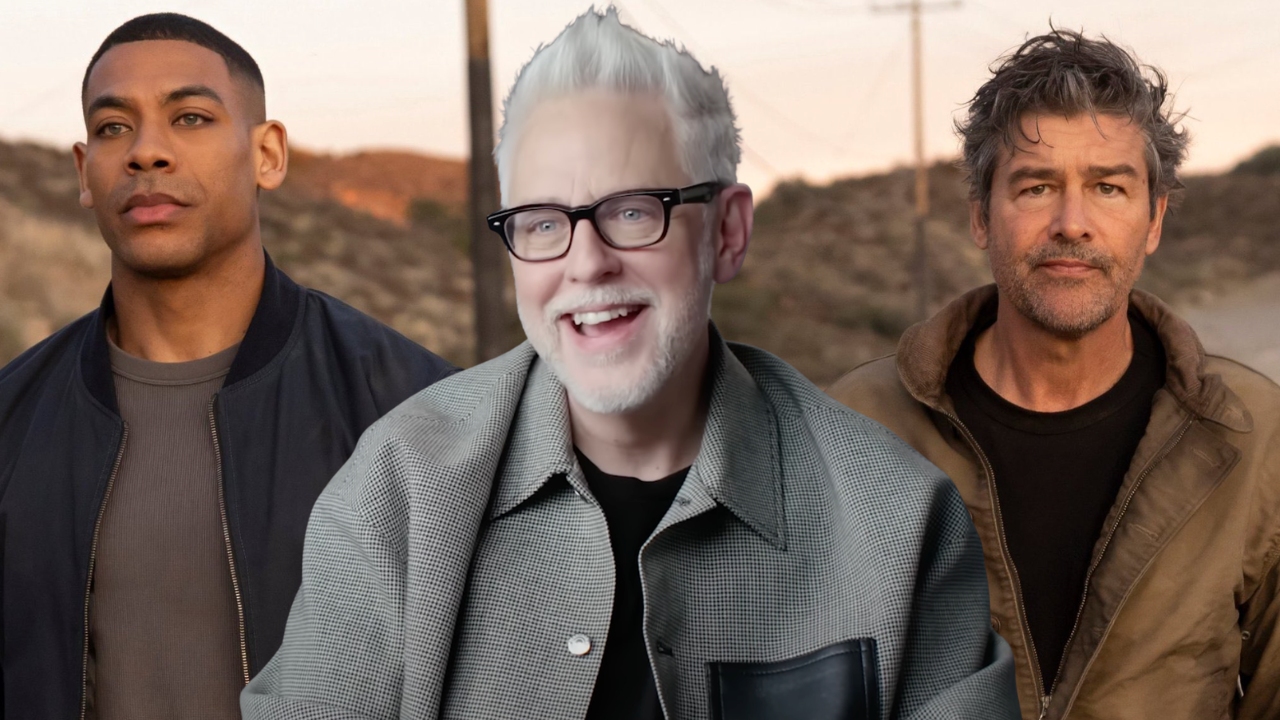
James Gunn with John Stewart and Hal Jordan from Lanterns – HBO Max; Youtube, GQ
Superman in 2025 worked enough, even if it was perceived as a failure according to congressional testimony. About six hundred nineteen million worldwide was respectable, not humiliating. That bought Gunn and Peter Safran time, goodwill, and the right to say “trust the vision.”
Supergirl, released June twenty-sixth, twenty twenty-six, spent that goodwill in a weekend. Production in the one hundred seventy to one hundred eighty-six million range. Worldwide take about one hundred twenty-six million. Domestic opened around thirty-seven million against already soft fifty-million tracking. CinemaScore was a horrific a B-minus. Critics called it rotten. The studio was looking at a nine-figure hole.
That is not “one component of a long-term strategy.” That is a second chapter that told a huge portion of the audience the first chapter was not a promise.
Then Lanterns arrived on HBO in mid-August as the Green Lantern show nobody asked to be True Detective with rings. Episode one ends with Hal Jordan dead, or dead enough. Episode three sends the audience score sliding from the high eighties into the seventies after a scene in which John Stewart’s mother challenges the ring’s selection process in explicitly ethnic terms. Some viewers heard “Hal got the ring because he is white.” The show’s defenders say the Guardians do not even understand Earth social controversies. An official DC podcast host then called Hal “canonically” a bit prejudiced against race and told a critic to watch Paw Patrol. That is not how you protect a seventy-year-old flagship character. That is how you pick a fight.
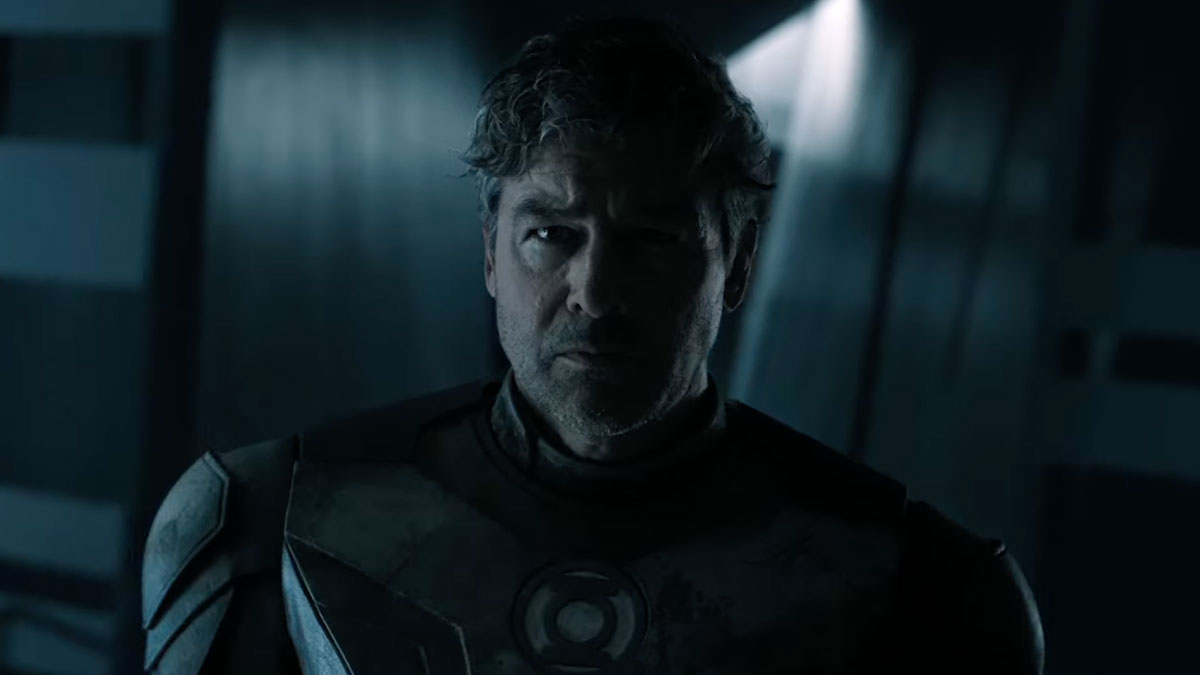
Kyle Chandler as Hal Jordan in Lanterns – HBO, DC Studios
Peacemaker Season Two, with John Cena, was the other tell. Critics mostly liked it. A chunk of the audience did not like being walked into Earth-X, the “Yahtzee”-won-the-war universe, and then told the people who objected were the problem. Gunn’s line after the blowback was that “a few rac*sts” had called him polarizing, and he was fine with that. There is no Season Three on the books. Cena’s character ends the season dumped on the prison planet Salvation. The popular star is a narrative battery, then a loose end.
Three projects. Three different mediums. Same habit: take the icon, sand off the thing the public actually likes about the icon, replace it with Gunn’s preferred tone—crude, political, self-aware, prestige-adjacent—and dare the customer to keep paying.
Sabotage is the word fans reach for when they are angry. It is probably the wrong word.
Sabotage implies Gunn wants DC to fail. That does not fit completely. A man trying to burn the house down does not first deliver a six-hundred-million-dollar hit with his name on the poster. But something perhaps has changed, and the forthcoming sale of Warner Bros to Paramount might explain.
The better charge is simpler. He is ignoring what the market has been screaming for a decade.
People who buy DC tickets want Superman to be decent and strong. They want Green Lantern to be willpower and wonder, not a Nebraska murder procedural that kills Hal in the pilot. They want Supergirl to feel like a hero, not a “total mess” on an interstellar bender who executes the villain while Lobo nods along—an ending Gunn personally locked in over the comic’s anti-revenge close. They want Peacemaker to be filthy and funny, not a lecture with a historic German flag under the American banner.
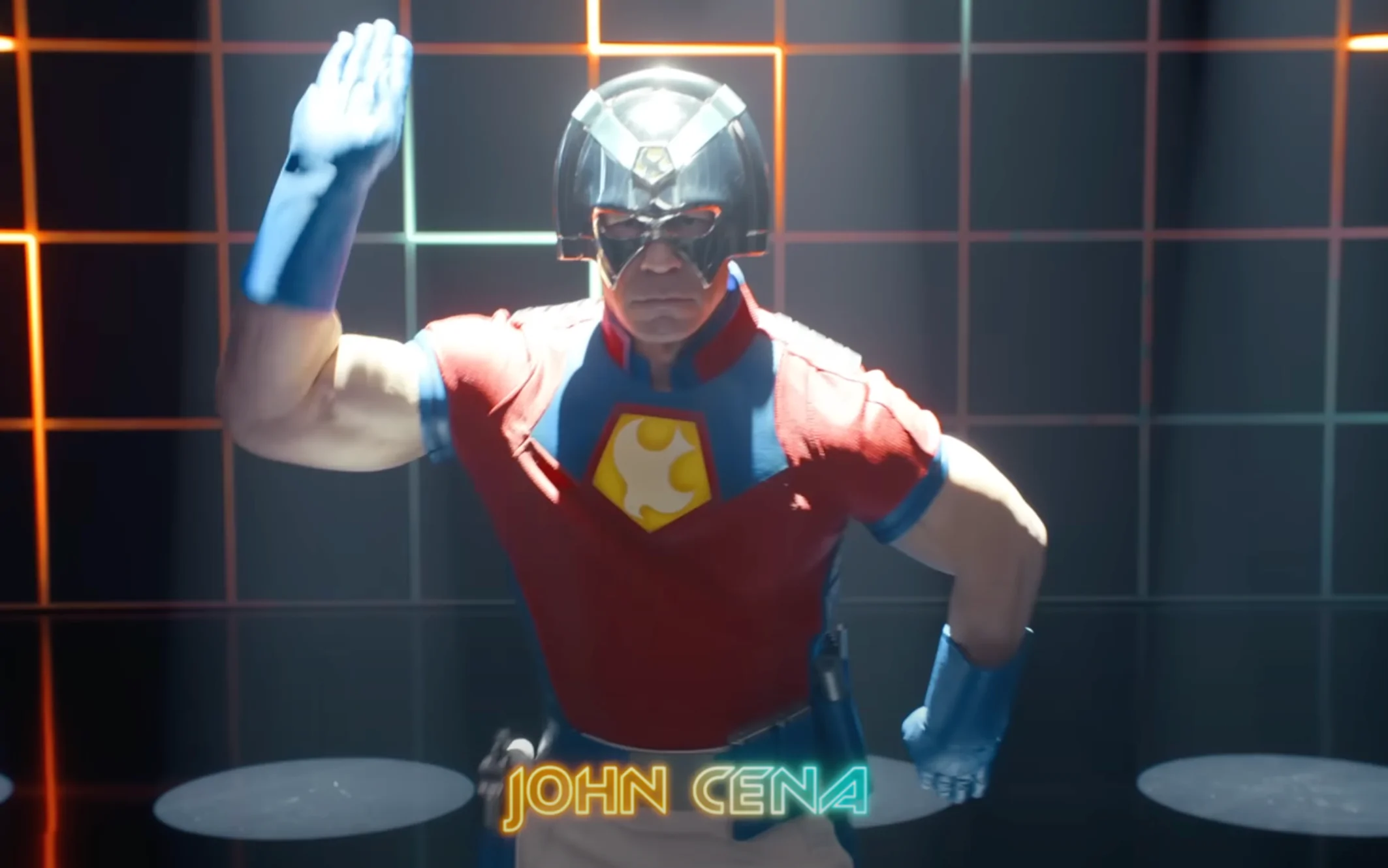
John Cena dancing in the opening to Peacemaker Season 2 – YouTube, DC
Gunn keeps answering a different question: what would this character look like if I made him for HBO, for my friends, for the part of the internet that thinks the real villain is the audience?
That is not necessarily treason. It is a category error. DC is not an indie label. It is one of two remaining superhero brands with global recognition. Marvel spent years learning, the hard way, that you can only lecture your customers for so long before they stay home. Gunn watched that movie and then booked the same theater.
The “vision” defense is always the same. Comics have many tones. Alan Moore and Grant Morrison were not one note. True. Those comics also did not have to open against Toy Story 5 at three thousand six hundred screens. A two-hundred-million-dollar movie is not a Vertigo miniseries. When you spend that kind of money, the customer is part of the brief. Treat them as a problem to be educated and they will educate you back with an empty auditorium.
Gunn and Safran’s DC Studios deals run into spring twenty twenty-seven, right around Man of Tomorrow on July ninth. There is gossip that he “just extended.” There is counter-gossip that the current deal is the extension, that nothing new was signed, and that the clean exit is already written: deliver the Superman sequel, take a bow, go back to writing and directing. Both versions end in the same year.
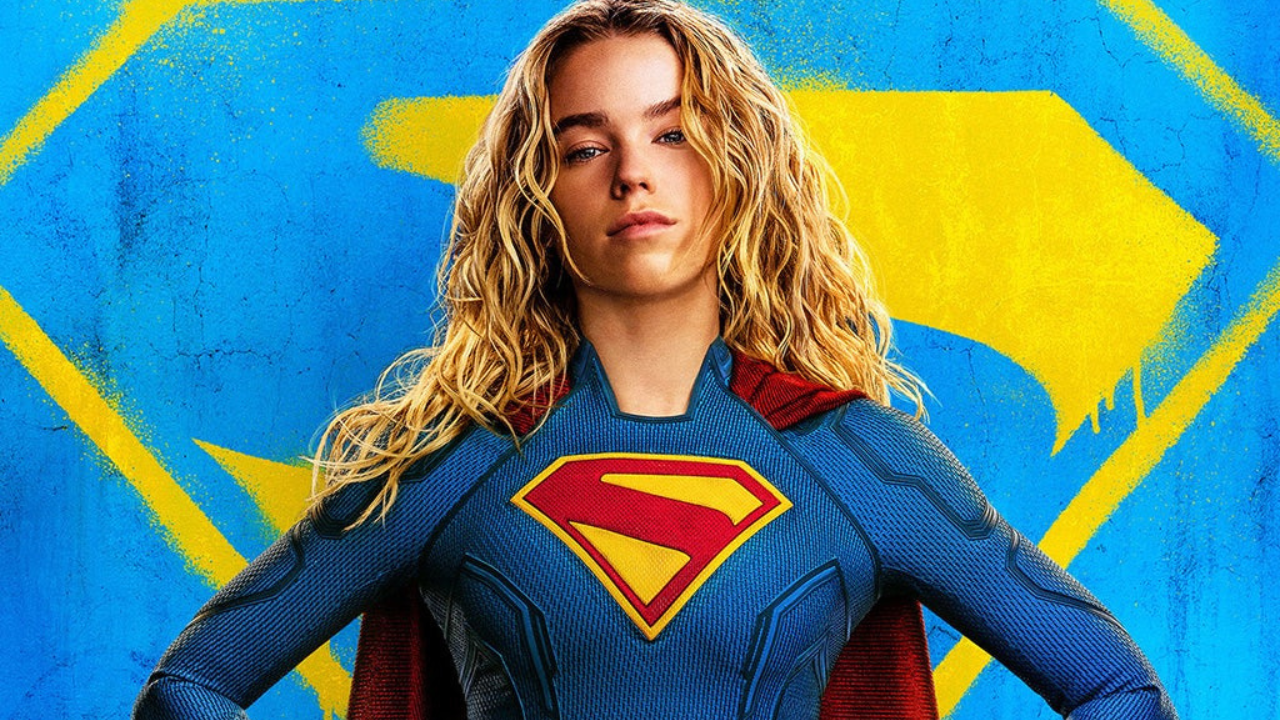
Supergirl – DC
That year is not abstract. Paramount Skydance’s purchase of Warner Bros. Discovery—about one hundred eleven billion dollars—is crawling through lawsuits and a delayed close that may not land until mid-twenty twenty-seven. David Ellison has spent the last year standing close to Donald Trump: dinners, UFC on the White House lawn, a Justice Department that waved the deal through after that courtship. He hired Bari Weiss at CBS. He talked about gutting DEI. He now writes op-eds insisting he is not a partisan and that CNN will stay independent. Hollywood does not believe him. Neither do a dozen state attorneys general.
Gunn’s public politics are not a mystery. He spent the Trump years as a loud critic. In twenty eighteen, after he went after the president online, right-wing activists dug up his old shock-jock tweets and Disney fired him from Guardians of the Galaxy Vol. 3. He was rehired later. The scar remained. The man who runs DC is not going to wake up thrilled that his new landlord is a Trump-adjacent billionaire who just bought the company that owns his slate.
Does that mean Gunn is wrecking the toys on the way out the door? No one has the memo. What you can say without guessing at his soul is this: a creative executive who already thinks the audience is wrong, facing a new owner he is likely to dislike, on a contract that expires as that owner walks in, has very little incentive to sand down his instincts. He can make the movie he wants. If it works, he is a genius. If it fails, he was always leaving.
That is not a conspiracy. It is incentives. The tell is the stubbornness.
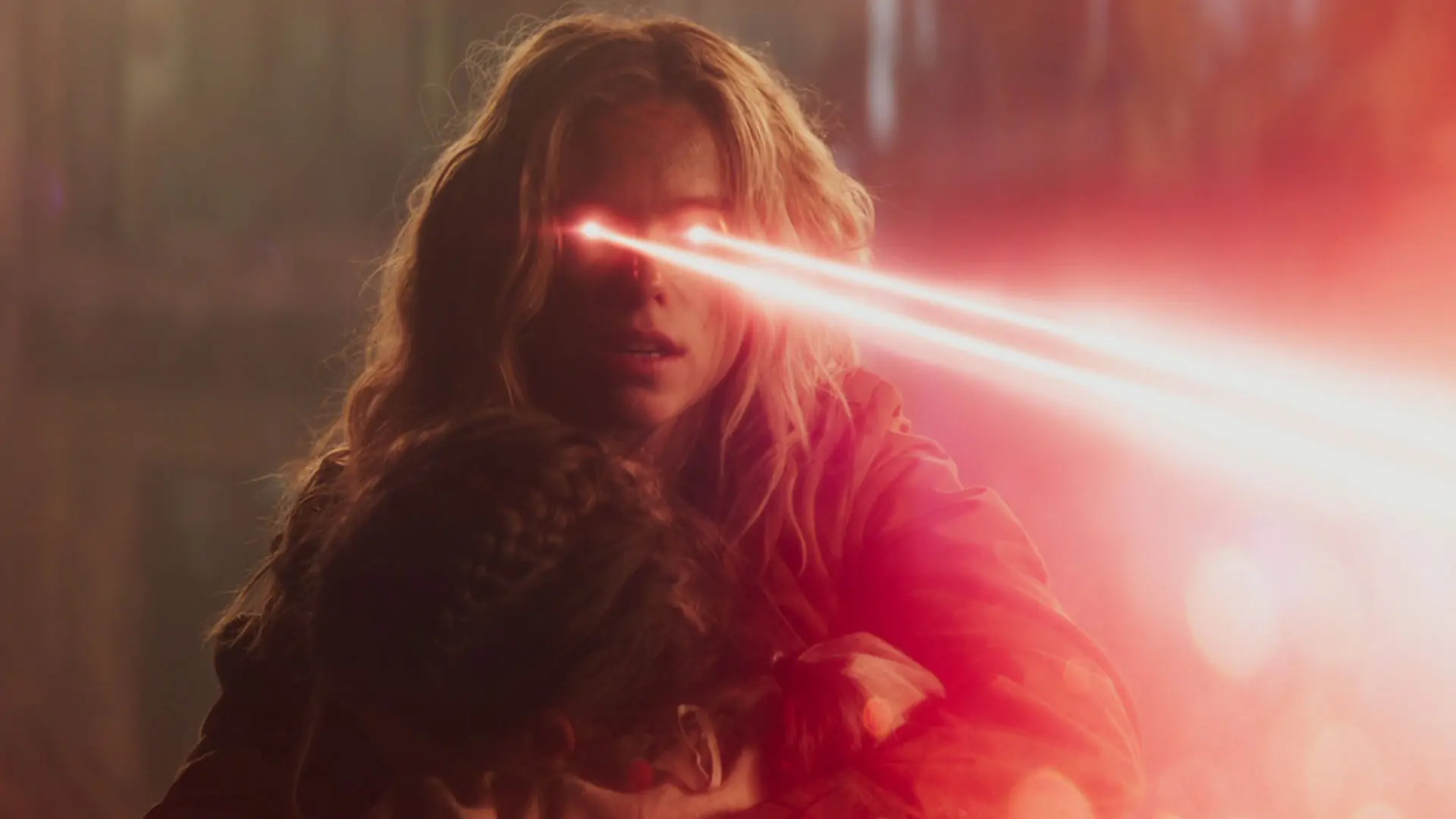
Supergirl using Heat Vision in the Supergirl trailer – YouTube, DC
Peter Safran’s line after Supergirl was corporate wallpaper: disappointed, still confident, long-term strategy. Fine. Strategy is allowed to lose money once. It is not allowed to keep picking fights the customer already voted on.
Hal Jordan does not need to be declared a little prejudiced on the company podcast. Kara Zor-El did not need a one-hundred-seventy-million-dollar identity crisis as chapter two of a new universe. John Cena did not need to be parked on a prison planet so the show could score points about Earth-X. Those are choices. They are Gunn’s choices. They keep arriving in the same direction: away from the simple, popular version of the character and toward the version that flatters the people in the room.
Maybe Paramount keeps him. TheWrap has said Ellison wants the current DC team. Maybe the contracts lapse and everyone pretends it was mutual. Either way, twenty twenty-seven is the year the experiment meets a new owner with different politics and a different idea of what a mass audience is for.
If Gunn is still there after that, he will have to decide whether DC exists to express James Gunn or to sell Superman, Green Lantern, and the rest to people who never read a Tom King comic and never will. So far he has been answering that question as if the second group were optional.
They are not. They are the business. Ignore them long enough and you do not need a saboteur. The market will finish the job.
Do you think James Gunn is making a super hero universe for himself? Sound off and let us know!
UP NEXT: Bad Bunny Super Bowl Show Wins Emmy
