


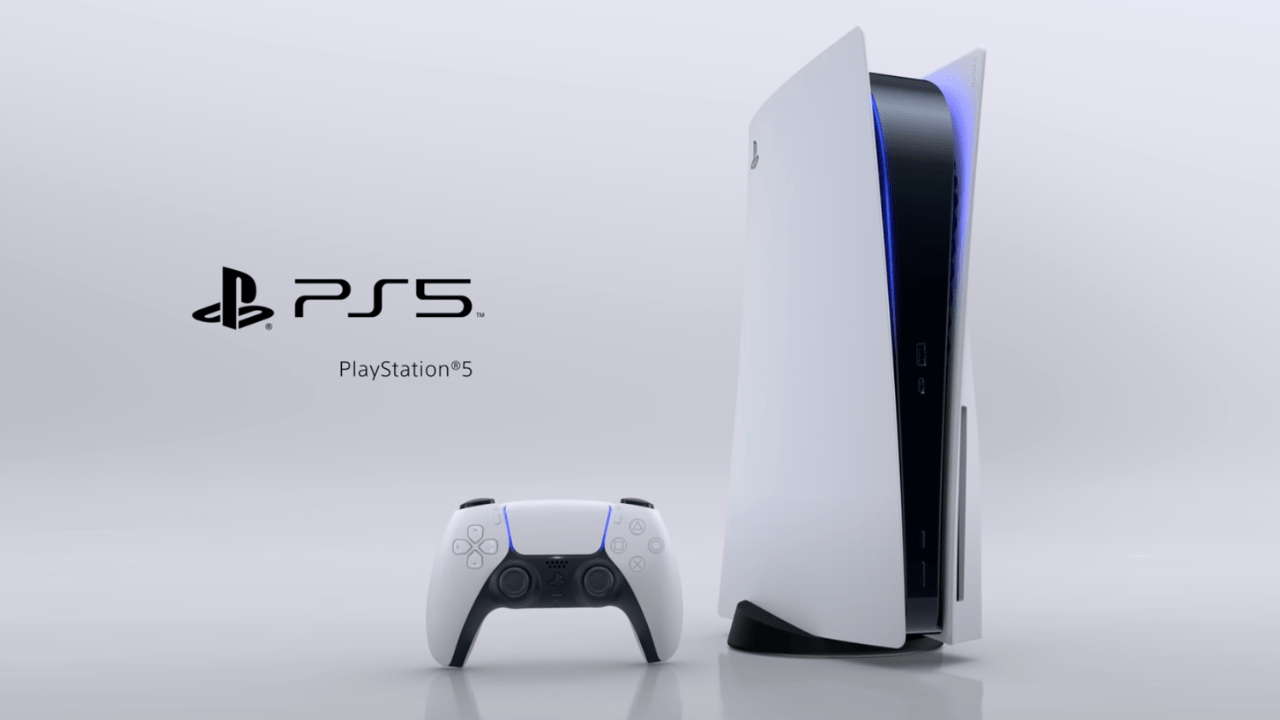
Sony’s plan to stop pressing new PlayStation game discs looks, on a spreadsheet, like a modest win. Goldman Sachs analyst Minami Munakata has told investors the January 2028 cutoff could lift Game & Network Services operating margin by about 3 percentage points in FY28, the fiscal year running April 2028 to March 2029. That would nudge a business that posted a 9.9% operating margin in FY25 back toward the 12%+ levels seen during the pandemic.
Three points of margin is not nothing. It is also not a transformation. Set against the reaction from players, retailers, preservationists, and even some former PlayStation executives, the trade looks lopsided: a contained accounting gain purchased with a very public loss of trust.
On July 1, 2026, PlayStation said it would stop manufacturing physical discs for new games from January 2028. Titles already out, or scheduled to ship on disc before that date, stay available. Reorders of catalog games can continue. The detachable disc drive and disc-edition consoles remain on sale. Retailers can still sell boxes… they will just contain a download code.
The factory picture was briefly muddled. Comments from Sony DADC’s Dietmar Tanzer were read as a 90% collapse in pressing capacity. The company later clarified that overall product volume at the Thalgau plant is expected to fall by 10% in 2028, not to 10%. Staff are being retrained for optical microlenses; disc lines will not vanish overnight.
READ: Disney Gender Swaps Genie in Aladdin With Former The View Host Sherri Shepherd Taking The Role
The policy is still a platform decision, not a pure reflection of demand. Digital already accounts for roughly 78–82% of full-game units. Physical software is only about 3–5% of G&NS revenue—hundreds of millions of dollars, but a thin slice of a multi-tens-of-billions division. Sony keeps far more of a digital sale than a retail one: close to 100% on first-party digital, a 30% platform cut on third-party digital, versus retailer share plus manufacturing and logistics on a boxed copy. Kill the disc and you also kill the used-game market for new releases, which never pays Sony a second time.
That is the 3%. Higher take rate, lower production and distribution cost, no resale leakage. Investors noticed: Sony’s stock jumped as much as 7% after the announcement.

Kratos and the cover for God of War: Laufey – PlayStation
Players treated the announcement as a betrayal of a promise Sony itself made. At E3 2013, PlayStation marketed itself as the platform that let you trade, lend, and “keep it forever.” Thirteen years later the same company is ending the format that made that possible for new games. Comment sections on the PlayStation Blog, State of Play chats, and every unrelated social post filled with “No disc, no buy.” A Change.org petition started by Canadian retailer PNP Games, “Don’t Kill the Disc”, passed 100,000 signatures in four days and later exceeded 350,000 verified signatures. At least a dozen other petitions circulated.
A Dutch consumer group filed a $457 million lawsuit arguing that without physical alternatives, Sony’s 30% store commission will inflate prices. The global second-hand games market has been estimated around $7.2 billion; new PlayStation titles after January 2028 will not feed it. Circana data showing physical U.S. game spending at historic lows ($85 million in one July, $1.5 billion for all of 2025) explains Sony’s confidence. It does not dissolve the objection that the last 15–22% of unit sales, and the people who still want to own, lend, or collect, are being written off as rounding error.
Why 3% can still be expensive
Sony is not wrong that digitalization is the industry trend. Capcom and others already sell overwhelmingly digital. GTA VI’s physical plan was already code-in-a-box. Hardware costs are rising; software margins have been under pressure. Ending new-disc production is a rational cost-and-control move for a platform holder that wants every transaction to run through its store.

Wolverine from the trailer for Insomniac’s Wolverine – YouTube, PlayStation
The damage is not that most players will stop buying games tomorrow. Most already buy digital. The damage is concentrated where it is hard to measure and slow to reverse:
- Ownership and preservation. A disc is a copy you hold. A license is revocable. Players have already watched purchased movies disappear from PlayStation accounts when deals expired. Catalog games that never get a disc reprint become one store outage or policy change away from inaccessibility.
- Price discipline. Used copies and competing retail shelves constrain list prices. Remove them and dynamic pricing becomes easier.
- Retail and logistics jobs. Independent shops and the used-trade ecosystem lose a product category. Sony says boxes with codes will remain; that is not the same product.
- Brand memory. PlayStation spent a generation positioning itself as the gamer-friendly alternative to “always-on” DRM. That footage is now circulating as an own-goal. Hardcore enthusiasts are a minority of units but a majority of the people who staff forums, buy first-party collector editions, and decide whether the next console feels like a hobby or a subscription.
Goldman can model a 3-point margin lift in FY28 because manufacturing, retail cut, and resale are visible line items. Brand equity, petition volume, lawsuit risk, and the willingness of a vocal cohort to sit out a generation are not. Sony has said it sees no near-term financial hit. That can be true in the same quarter the company spends the last of the goodwill it spent a decade accumulating.

The main character for Intergalactic: The Heretic Prophet – YouTube, PlayStation
A 3% operating-margin improvement is a real number. So is more than 350,000 people signing a petition that says they are not against digital: they are against digital being the only option. Sony has chosen the number it can put in a deck. The other number will show up, if it shows up, as quieter launches, slower next-gen adoption among collectors, and a platform that used to win arguments about “keeping it forever” now having to explain why that sentence expired in January 2028.
How do you feel about PlayStation eliminating physical media? Sound off and let us know!
