


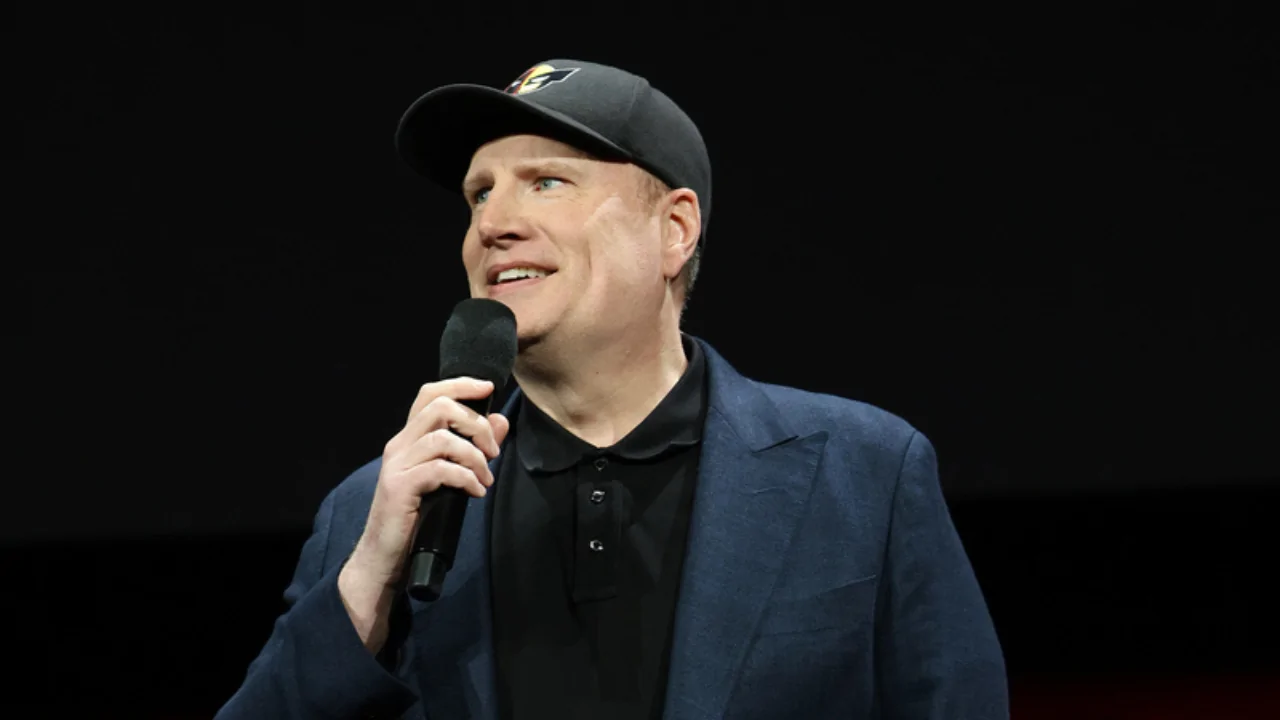
Former Blade director Bassam Tariq has offered a surprisingly candid description of what Marvel Studios tells filmmakers when they enter the MCU.
According to Tariq, directors are effectively warned from the beginning that they are working on a Marvel movie first and their own film second.
“It’s so funny, in the Marvel world…they say this to you very kindly, they’re like, ‘Look, this is a Marvel film directed by a person,’” Tariq told Entertainment Weekly. “They crop into shots, they do a lot of things, and that’s fine, right?”
“Your name might not matter,” Mahershala Ali jokingly added.
Tariq was originally hired to direct Marvel’s long-troubled Blade reboot starring Ali. The project never materialized, but the two eventually reunited for Your Mother Your Mother Your Mother, which Tariq described as an opportunity to express himself more freely as a filmmaker.
His comments arrive as both Marvel and Kevin Feige face renewed criticism over Blade’s failure to get off the ground.
Blade Remains Stuck in Development
Marvel announced its MCU reboot of Blade, with Ali starring as the ruthless vampire hunter, in 2019. What followed was a years-long series of setbacks, with reports repeatedly pointing to behind-the-scenes problems involving the script and creative direction.
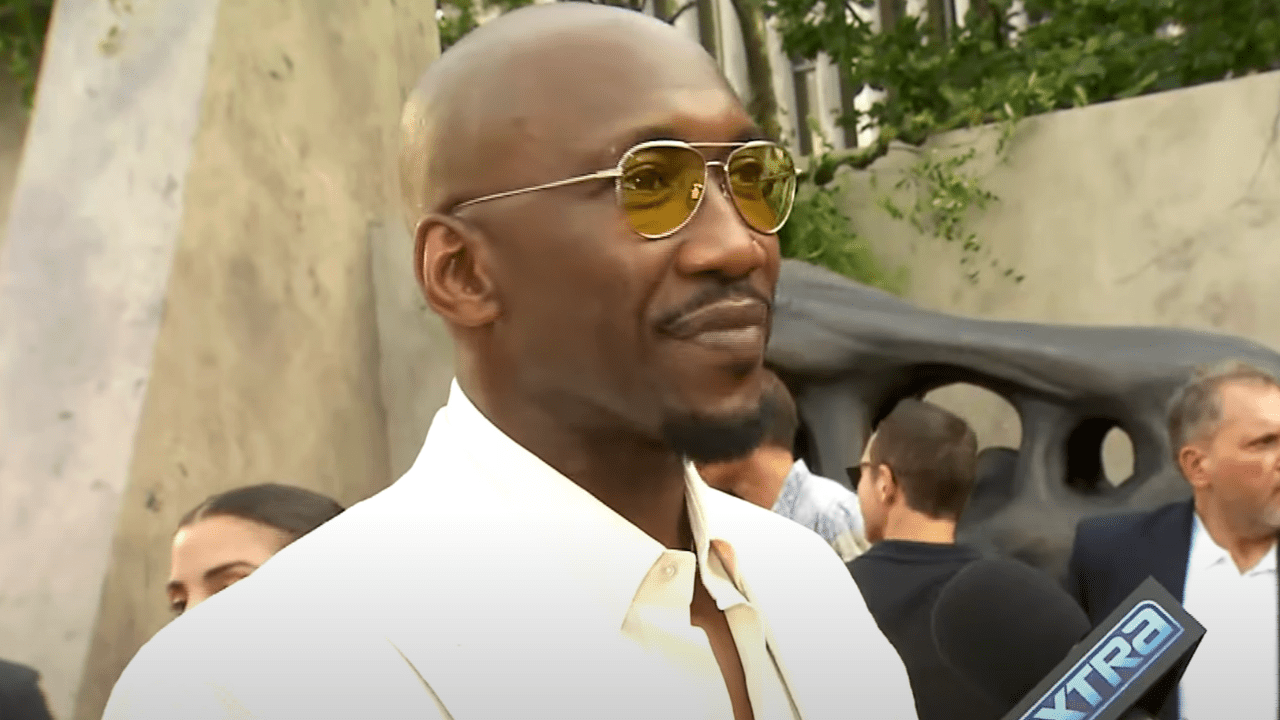
Mahershala Ali gives an interview – YouTube, ExtraTV
READ: Disney’s Boardwalk Atlantic Dance Hall Will Close Regular Operations as Hurly Burly Opens
In a recent interview, Feige acknowledged feeling personally responsible for the project’s failure to move forward.
“I am feeling like a gigantic loser and failure that we didn’t get off the ground with Mahershala,” he said on the Happy Sad Confused podcast.
Ali didn’t dispute Feige’s assessment, agreeing that the Marvel Studios boss should feel responsible.
“I agree with him,” Ali told GQ. “I agree with him 100%. 100%, he should feel that way.”
Tariq’s latest comments may offer another glimpse into the studio’s inner workings. More importantly, they appear to reinforce something other filmmakers have been saying about Marvel Studios for years.
Marvel’s Approach Has Come Up Before
Perhaps the most famous example is Edgar Wright, who spent years developing Ant-Man before departing the project over creative differences.
“The most diplomatic answer is I wanted to make a Marvel movie but I don’t think they really wanted to make an Edgar Wright movie,” Wright told Variety in 2017.
Wright said the breaking point came when Marvel wanted another draft of the screenplay written without him. The filmmaker said that would have effectively transformed him from writer-director into a “director for hire.”
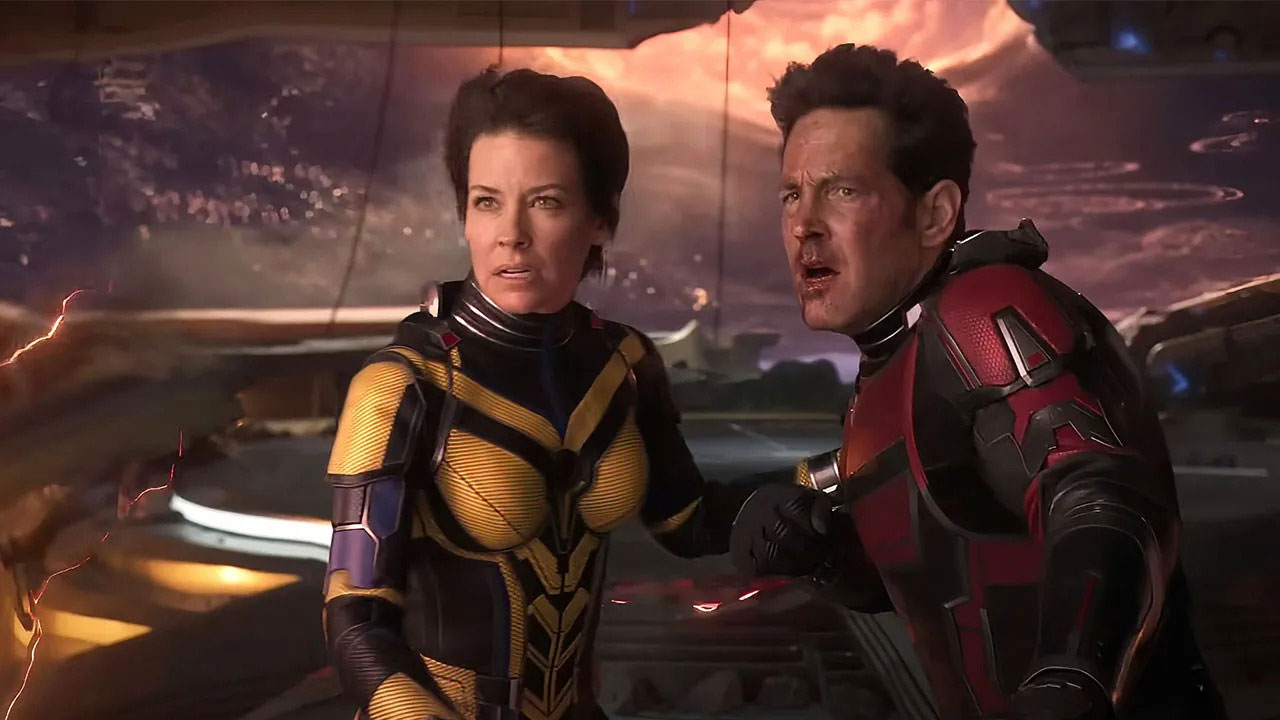
Evangeline Lily as the Wasp and Paul Rudd as Ant-Man in Ant-Man and the Wasp: Quantumania – Disney, Marvel
READ: Avengers: Endgame Encore Won the Weekend Box Office Revenue Race But Lost in Ticket Sales
A similar glimpse behind the curtain emerged when Argentine filmmaker Lucrecia Martel discussed being approached to direct Black Widow.
Martel claimed Marvel told her, “Don’t worry about the action scenes, we will take care of that.”
She wasn’t relieved. Martel said she wanted to direct those sequences herself and criticized the apparent assumption that her primary responsibility would be developing Scarlett Johansson’s character.
Filmmakers Enter Marvel’s Machine
Even filmmakers who actually completed MCU movies have acknowledged those limitations.
While promoting The Marvels in 2023, director Nia DaCosta was remarkably open about where ultimate control rested.
“It is a Kevin Feige production, it’s his movie,” DaCosta told Vanity Fair. “So I think you live in that reality, but I tried to go in with the knowledge that some of you is going to take a back seat.”

(L-R): Iman Vellani as Ms. Marvel/Kamala Khan, Brie Larson as Captain Marvel/Carol Danvers, and Teyonah Parris as Captain Monica Rambeau in Marvel Studios’ THE MARVELS. Photo by Laura Radford. © 2023 MARVEL.
READ: Activision President Says They Won’t Put Current Call of Duty Studios on Halo
None of this means Marvel directors have no creative influence. Tariq specifically praised Ryan Coogler’s work within the MCU and credited Feige and Marvel with teaching him to “think big and be ambitious.”
However, his description adds another piece of evidence to a pattern stretching back more than a decade.
Marvel Studios may hire filmmakers with distinctive voices, but those voices ultimately have to operate within a much larger system. Wright walked away when that arrangement no longer worked for him. Martel questioned it before signing on. DaCosta accepted that parts of her vision would “take a back seat.”
Now Tariq says Marvel essentially tells directors the same thing upfront: This is a Marvel movie first and a director’s movie second.
Are you surprised by what Marvel tells filmmakers when they enter the MCU? Sound off and let us know!
UP NEXT: Russo Brothers Explain Tony Stark and Doctor Doom Connection in ‘Avengers: Doomsday’
