


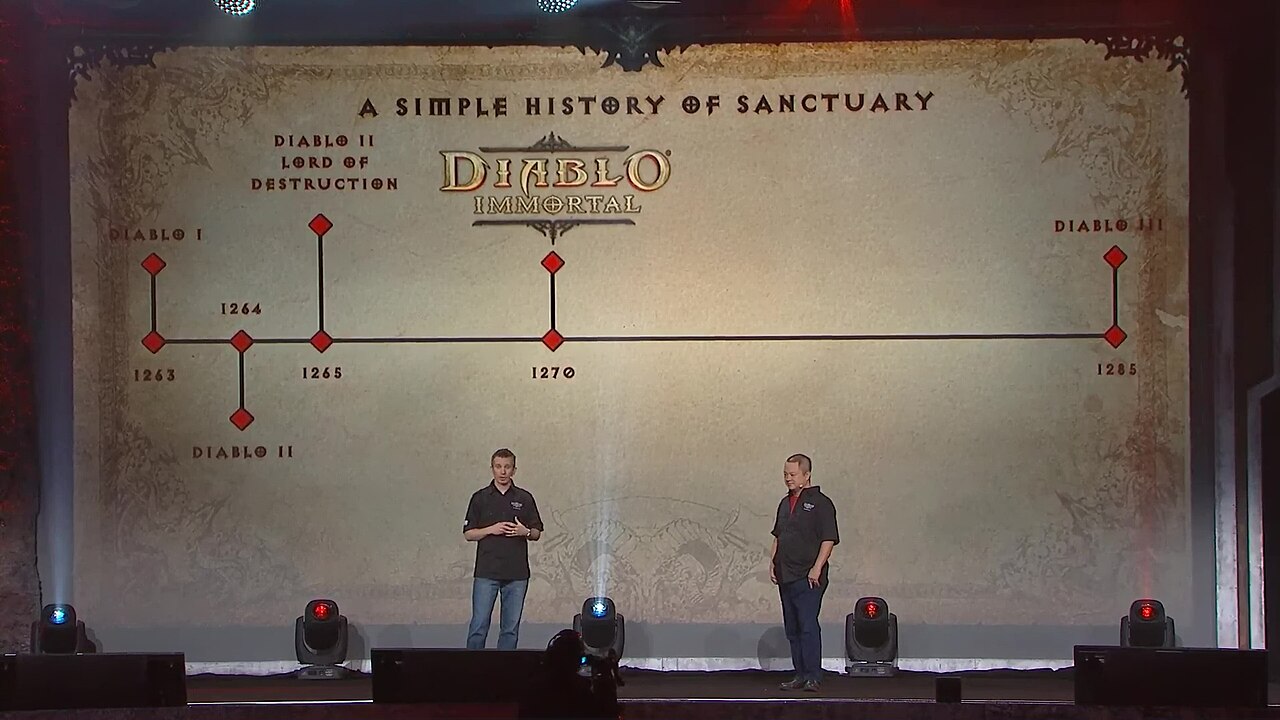
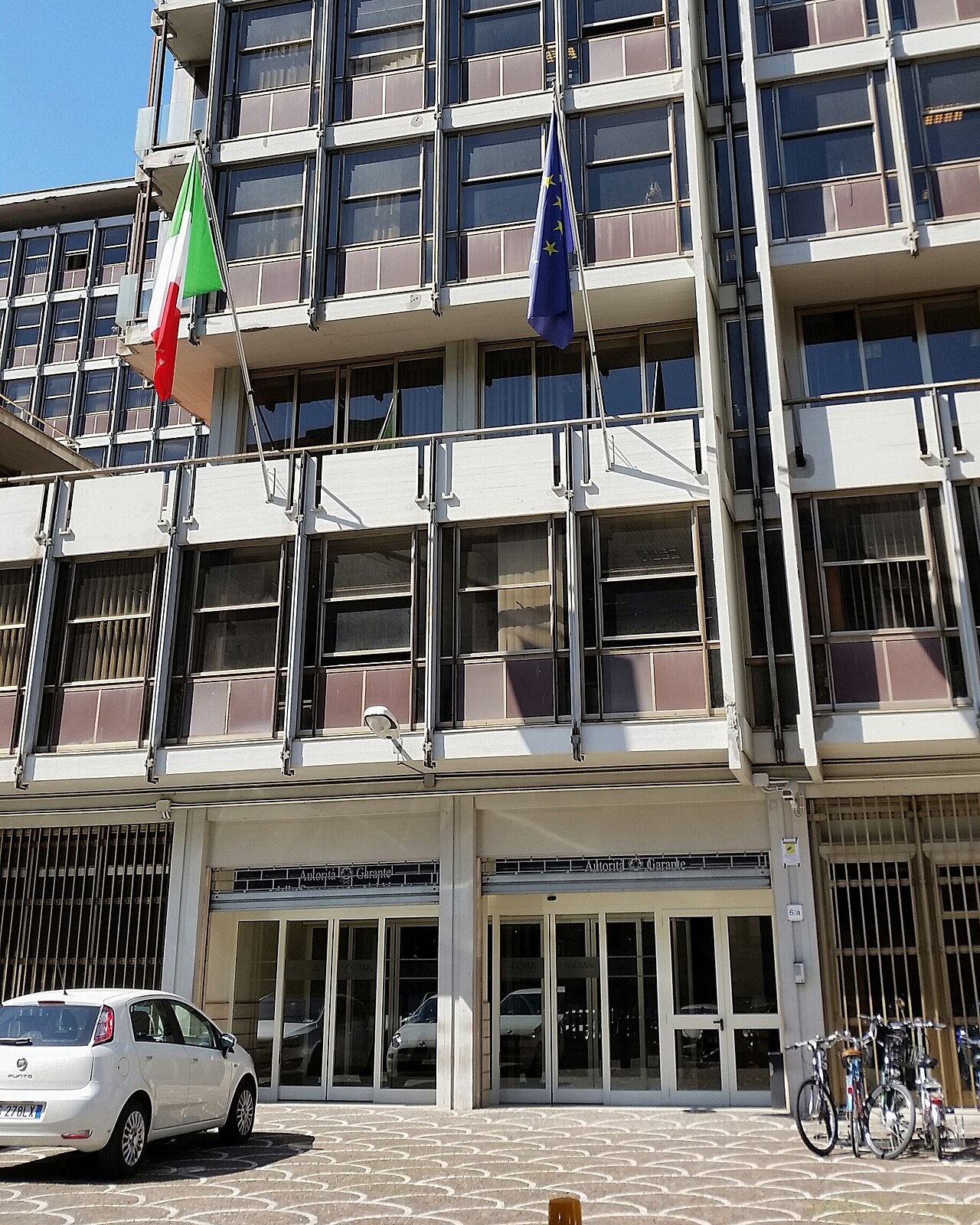
Italy’s competition and consumer authority is now leading a Europe-wide case over how Microsoft’s games sell virtual currency. In a notice dated Oct. 8, 2026, the Autorità Garante della Concorrenza e del Mercato (AGCM) said it is heading a coordinated action, alongside consumer authorities in Norway and Denmark, aimed at Activision Blizzard UK Limited and other Microsoft group companies.
The target is familiar to anyone who has topped up a mobile game. Regulators are asking whether players, and especially children, can tell what they are really paying when a purchase is priced in platinum, globes, or diamonds instead of euros. The two games at the center of the case are Call of Duty Mobile and Diablo Immortal. No finding of wrongdoing has been made. This is an investigation, and its job is to establish whether the rules were broken.
What Italy’s Regulator Is Examining
The AGCM says the action is meant to establish whether a “widespread infringement” has occurred under Article 3(3) of the EU’s Consumer Protection Cooperation Regulation, (EU) 2017/2394. That is a legal term for conduct that breaks EU consumer law and is likely to harm consumers living in three or more member states. Its concerns center on transparency and fairness. In the authority’s words, in-game items such as cosmetic upgrades and upgrade packs “are often priced in currencies other than euros,” but still come down to a payment in euros, either directly or through several layers of virtual currency.
READ: Activision Will Take Over Halo in Major Xbox Shake Up
The regulator also points to currency sold in fixed bundles, the use of dark patterns, inadequate parental controls, and a lack of help for players whose accounts are blocked. Taken together, it says, those practices make it hard for players, particularly minors and people prone to compulsive spending, to understand and keep track of how much money they are spending. None of this is new for the AGCM.
In a Jan. 16, 2026 release, it announced two national investigations into Activision Blizzard over the same two games, which it noted are described as free to play but offer in-game purchases. Those probes cover repeated prompts and push notifications urging players not to miss rewards, time-limited offers, parental controls that by default allow in-game purchases, unlimited play time, and contact with other players, consent screens that steer users toward profiling for commercial purposes, and the blocking of accounts without adequate reasons or a chance to be heard. (The AGCM’s Oct. 8 notice says it opened those national investigations “last December,” meaning December 2025; it announced them publicly on Jan. 16, 2026.)
Part of a Wider EU Push on Virtual Currencies
The Italian case sits inside a larger campaign. On Sept. 30, 2026, the European Commission announced that the Consumer Protection Cooperation (CPC) Network, the group of national consumer enforcers it coordinates, had opened coordinated actions against nine other game companies over in-game virtual currencies. The games named were Candy Crush Saga, Clash of Clans, Forge of Empires, For Honor, Gardenscapes, Hunt: Showdown 1896, Mech Arena, Minecraft, and Valorant. Two of the nine companies, King and Mojang, are also Microsoft-owned, but they fall under that separate set of actions, not the Italian-led case.
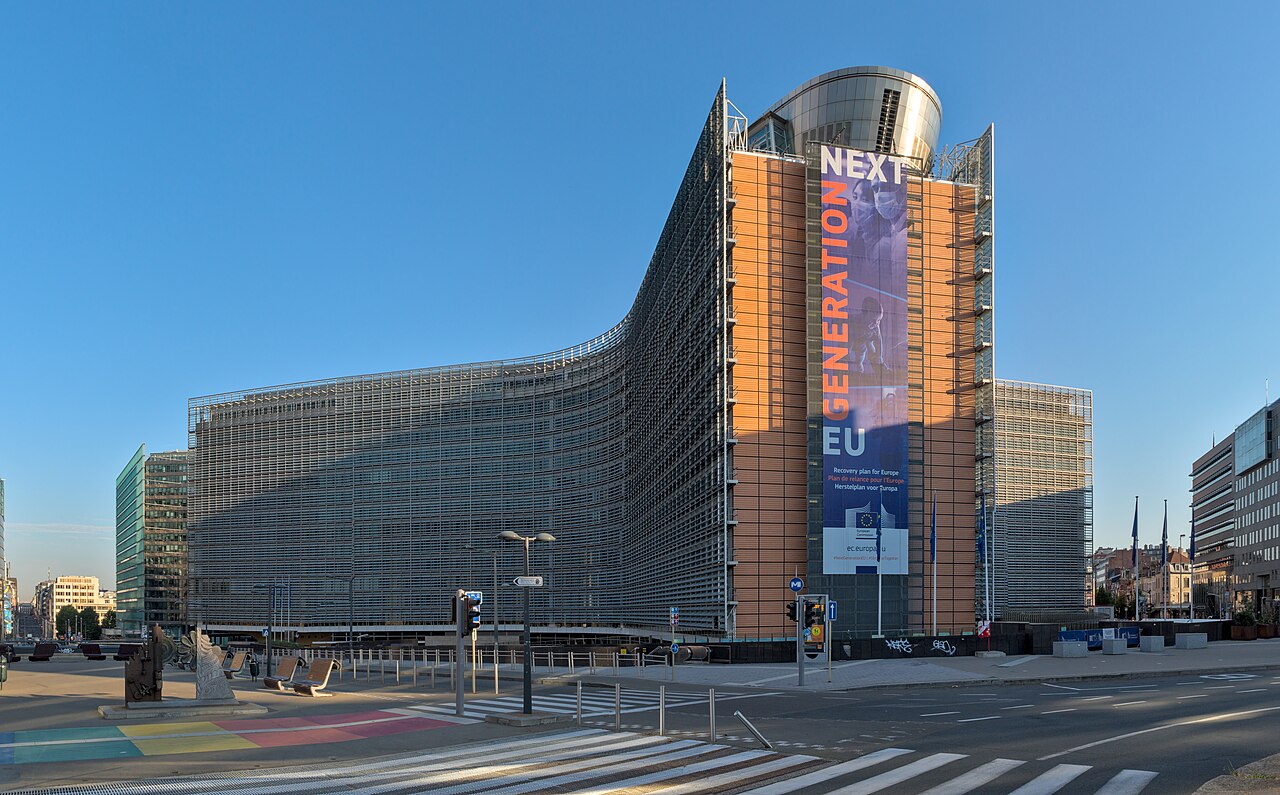
The Commission said the network had opened a dialogue with the games industry in 2025 on its Key Principles on in-game virtual currencies, and moved to a market check when that dialogue “did not bring satisfactory results.” Those principles ask companies to show the real-world price of in-game items and currencies, avoid stacked currencies that hide the cost, not push players to buy more currency than they need, give clear information before a purchase, respect the 14-day right of withdrawal (including for unused virtual currency), use fair terms, and protect vulnerable players such as children.
For the Activision Blizzard action, the Commission listed how currencies are sold, how player data is collected, whether the games are designed to encourage compulsive play, default parental control settings, direct marketing to children, pre-contractual information, and account blocking. “Roughly half of Europeans play video games, making gaming a major part of our digital economy and everyday lives. With that reach comes responsibility,” said Michael McGrath, the EU commissioner for consumer protection. “The game must be fair, and the rules must be respected.”
What Happens Next for Microsoft
For now, the process is a negotiation backed by the threat of enforcement. The Commission says the Activision Blizzard action is ongoing, and that if the network’s concerns remain, CPC authorities “may consider taking enforcement measures at national level.” In earlier CPC cases, companies were invited to answer the network’s concerns and propose commitments before any national enforcement. The Italian national investigations are a separate track and have not concluded.

READ: XBOX CEO Asha Sharma Lays Out Roadmap for Growth After 10% Decline in Revenue
Microsoft was not immediately available for comment, Reuters reported on Oct. 8. Whatever the outcome, the questions on the table go to how free-to-play games make money across Europe: whether a player can see the euro price of an item before tapping buy, whether bundles force players to buy more currency than they need, and whether a child’s account starts out locked down or wide open. Changes demanded of Activision Blizzard could set expectations for every publisher selling virtual currency in the EU.
Should games be required to show the real-money price of every in-game item, or is virtual currency just part of the fun? Sound off and let us know!
UP NEXT: Marvel’s Next TV Series is Zodiac…What The Heck is That!?
