


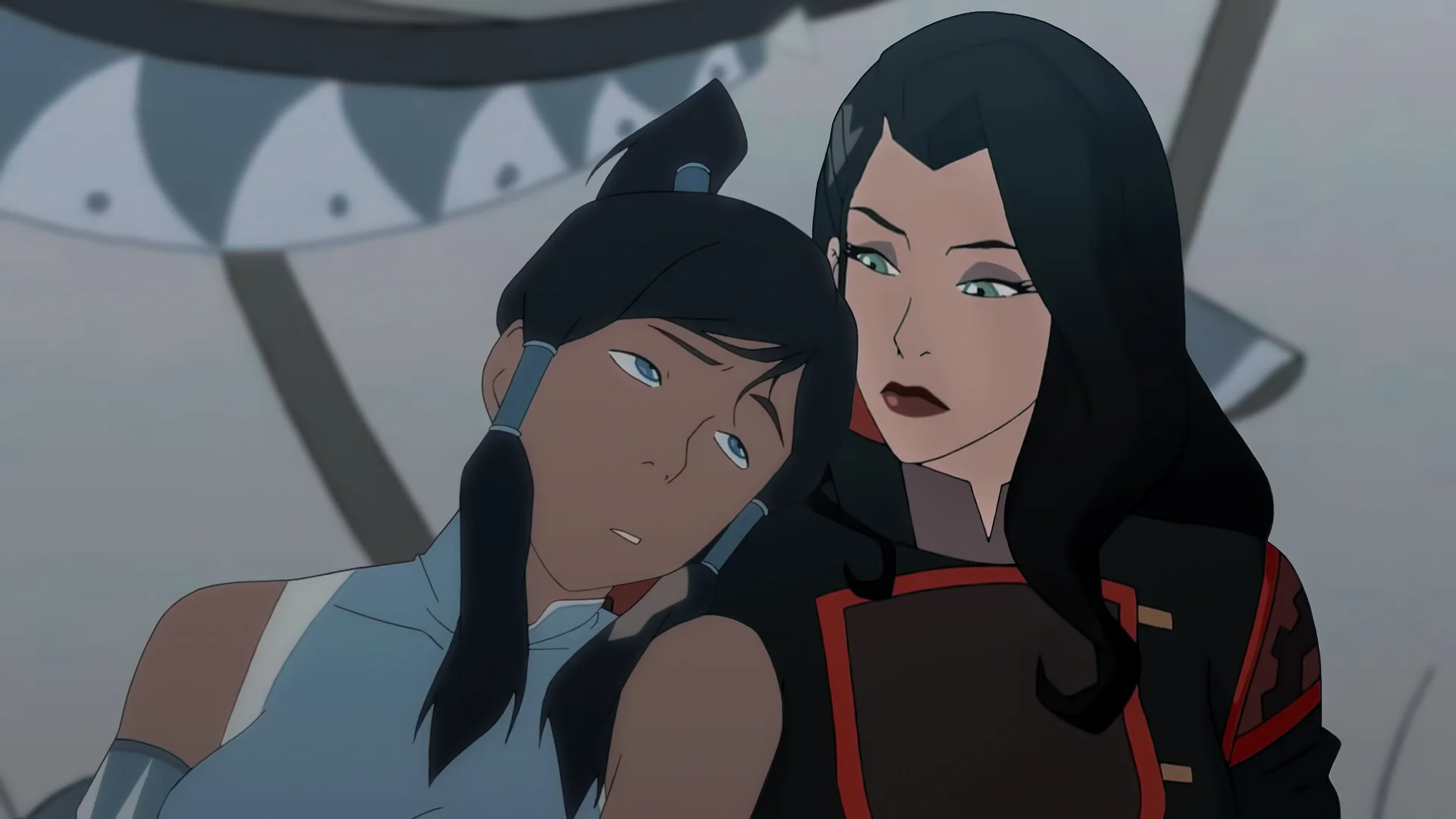
The creators of Avatar: The Last Airbender are defending one of their franchise’s most divisive characters, but their latest explanation for why audiences dislike The Legend of Korra is raising questions about whether legitimate criticism of storytelling is being confused with prejudice.
Bryan Konietzko and Michael Dante DiMartino recently addressed the longstanding backlash against Korra, the protagonist of Nickelodeon’s animated sequel series, suggesting that “misogyny” and “homophobia” contribute to the negative reactions she receives from fans.
‘Avatar’ creators Michael Dante DiMartino and Bryan Konietzko say much of the hate toward Korra stems from misogyny and homophobia, pointing out that fans blame her for losing the past lives but don’t hold Aang accountable for the Air Nomads’ extinction:
“They hold Korra to a different standard. I think there’s a lot of misogyny and homophobia. The idea we hate Korra is not true.”
— ToonHive (@ToonHive) October 13, 2026
The comments arrive as the franchise moves forward with Avatar: Seven Havens, a new animated series that has reignited debate over Korra’s legacy and the creative decisions that made her such a controversial successor to Aang.
However, the creators’ defense also raises an obvious question: Why should viewers’ objections to a fictional character’s writing be interpreted as evidence of prejudice?
Avatar Creators Accuse Critics of Holding Korra to a Different Standard
During a recent Teen Vogue interview, Konietzko addressed the criticism directed at Korra, particularly complaints surrounding the destruction of her connection to previous Avatars.
He argued that viewers unfairly blame Korra for something that was ultimately done to her by another character.
Konietzko then offered a direct assessment of what he believes motivates some of the criticism: “They hold Korra to a different standard. I think there’s a lot of misogyny and homophobia. The idea we hate Korra is not true.”
The statement followed a comparison between Korra and Aang, the protagonist of the original Avatar: The Last Airbender.
Konietzko argued that audiences criticize Korra for losing her connection to the previous Avatars while refusing to hold Aang responsible for the destruction of the Air Nomads.

Aang in Avatar Aang: The Last Airbender – Paramount+, Paramount Pictures, Avatar Studios, Nickelodeon Movies
READ: Lanterns Season 2 Update Expected Before Year’s End
That comparison, however, overlooks some fundamental differences between the two stories.
Aang was a 12-year-old child with no training when the Fire Nation eliminated the Air Nomads. He was not responsible for the Fire Nation’s actions, and he had no realistic opportunity to prevent the destruction of his people.
Korra’s situation was considerably different, considering she was an 18 year-old full realized Avatar.
During the second season of The Legend of Korra, Unalaq and Vaatu severed her spiritual connection to the previous Avatars, effectively eliminating her ability to communicate with Aang, Roku, Kyoshi, and the other incarnations who preceded her.
While Korra did not personally sever that connection, the storyline fundamentally altered one of the defining elements of the franchise’s mythology.
For many viewers, the objection was never that Korra deserved blame for being victimized. Rather, it was that the writers had chosen to eliminate an important part of what made the Avatar concept compelling.
Those are entirely different criticisms.
The Legend of Korra Has Always Divided Avatar Fans
When The Legend of Korra premiered in 2012, it faced the difficult task of following one of Nickelodeon’s most celebrated animated productions.
Avatar: The Last Airbender had established an expansive fantasy world built around elemental bending, spiritual traditions, political conflicts, and the journey of a young hero learning to accept his responsibilities.
Its successor took a markedly different approach.
Where Aang was playful, compassionate, and reluctant to embrace violence, Korra was aggressive, impulsive, and frequently confrontational.
She also began her journey already proficient in three of the four bending disciplines, dramatically changing the structure of the protagonist’s development.
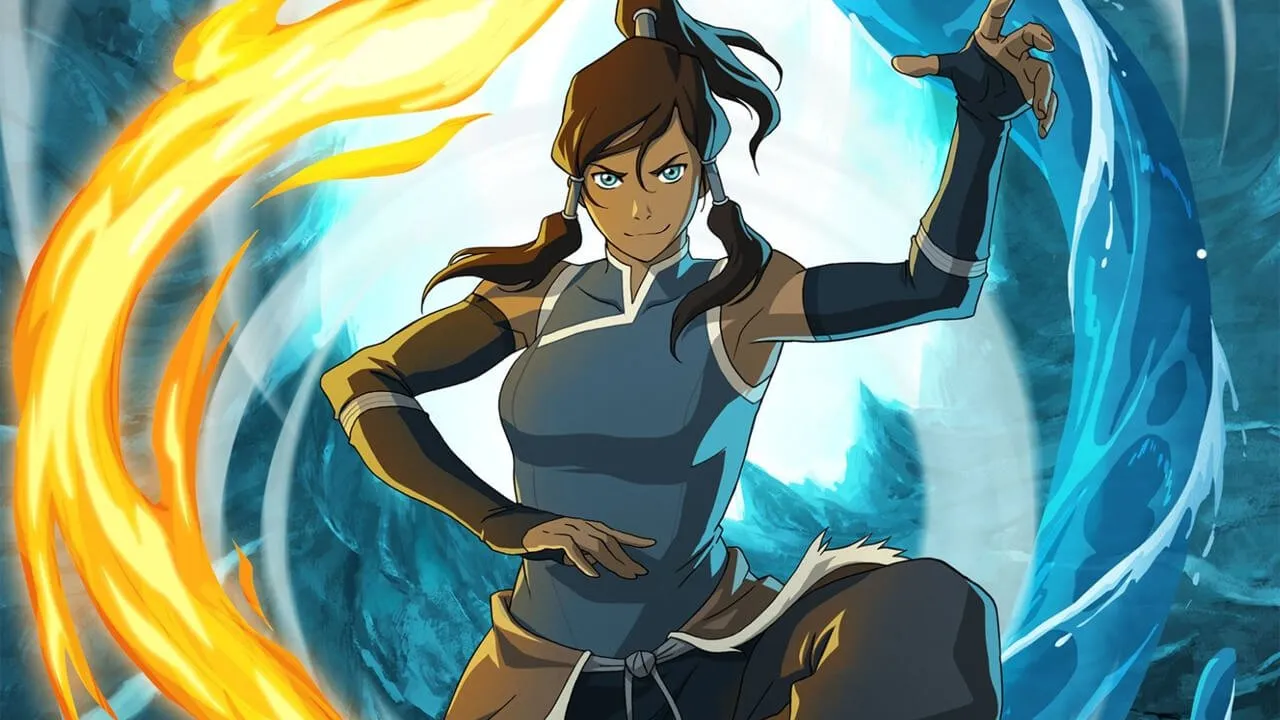
Kora in Avatar: The Legend of Korra – Paramount
These differences were intentional, but they did not resonate with every viewer.
The series subsequently faced criticism for uneven storytelling, inconsistent characterization, and its treatment of established lore.
Its second season, in particular, remains controversial because of the decision to sever Korra’s connection to her past lives.
The series also attracted attention for the romantic relationship between Korra and Asami, which became explicit in the finale and was subsequently explored in supplemental material.
While supporters celebrated the relationship as a milestone for LGBTQ representation in Western animation, some viewers questioned whether the romance had received sufficient development during the television series itself.
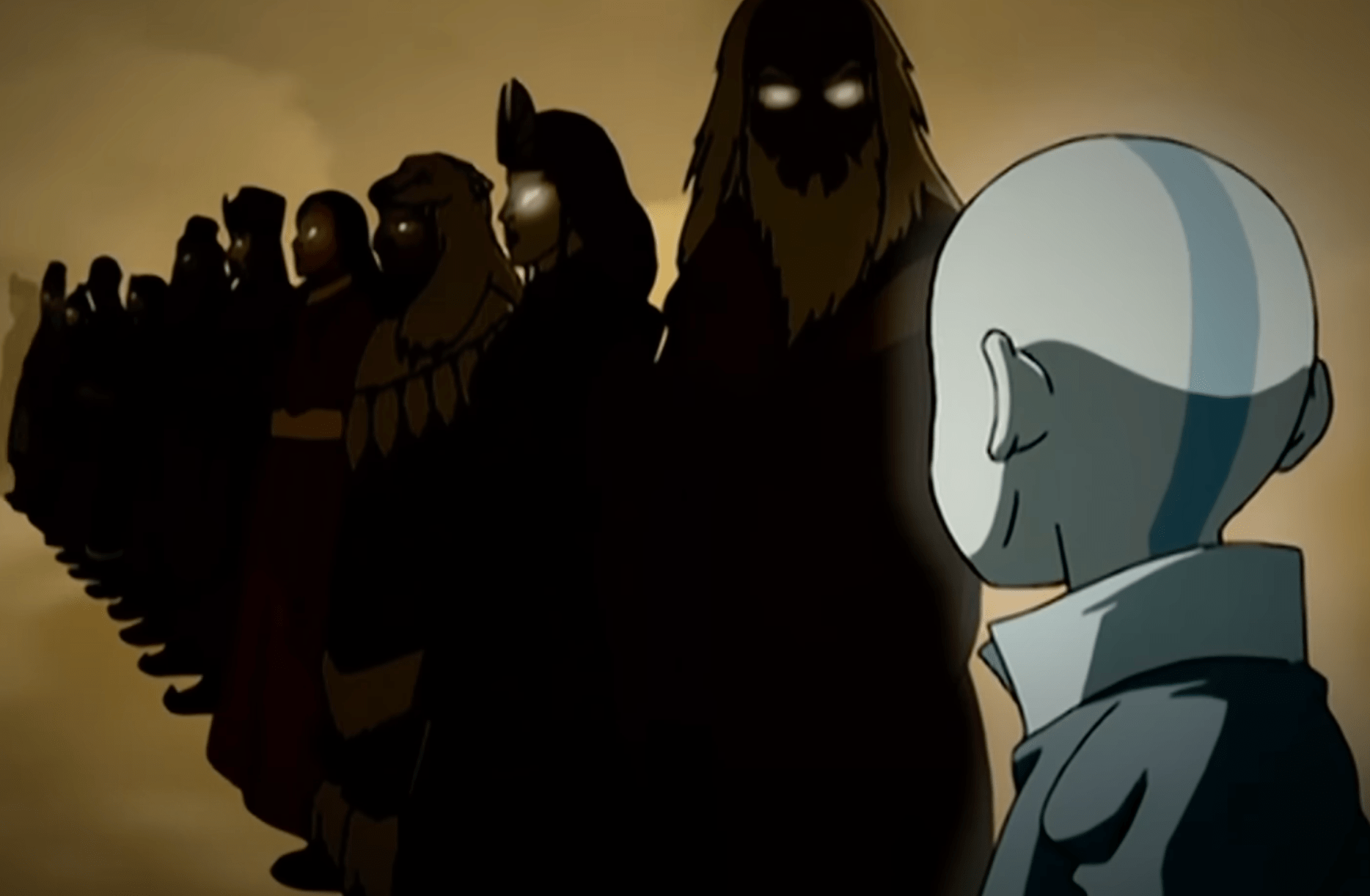
The Avatar Cycle up to Aang – YouTube, Avatar Legends
READ: Security Footage Leaks of Kelly Clarkson’s Visit to Art of Play Store — What Really Happened?
Criticism of how a fictional relationship is developed is not inherently evidence of hostility toward the characters involved.
Likewise, preferring Aang’s personality or narrative journey over Korra’s does not automatically indicate prejudice against women.
The distinction matters because reducing legitimate creative criticism to accusations about viewers’ personal beliefs risks dismissing the very audience feedback that could help storytellers understand why certain decisions proved divisive.
Avatar Seven Havens Brings Korra’s Legacy Back Into Focus
The controversy has become particularly relevant following the arrival of Avatar: Seven Havens, the latest installment in the franchise.
The series takes place generations after Korra’s adventures and introduces a world dramatically changed by a catastrophic event.
Within the story, Korra’s reputation has deteriorated, with the former Avatar associated with a disaster that reshaped civilization.
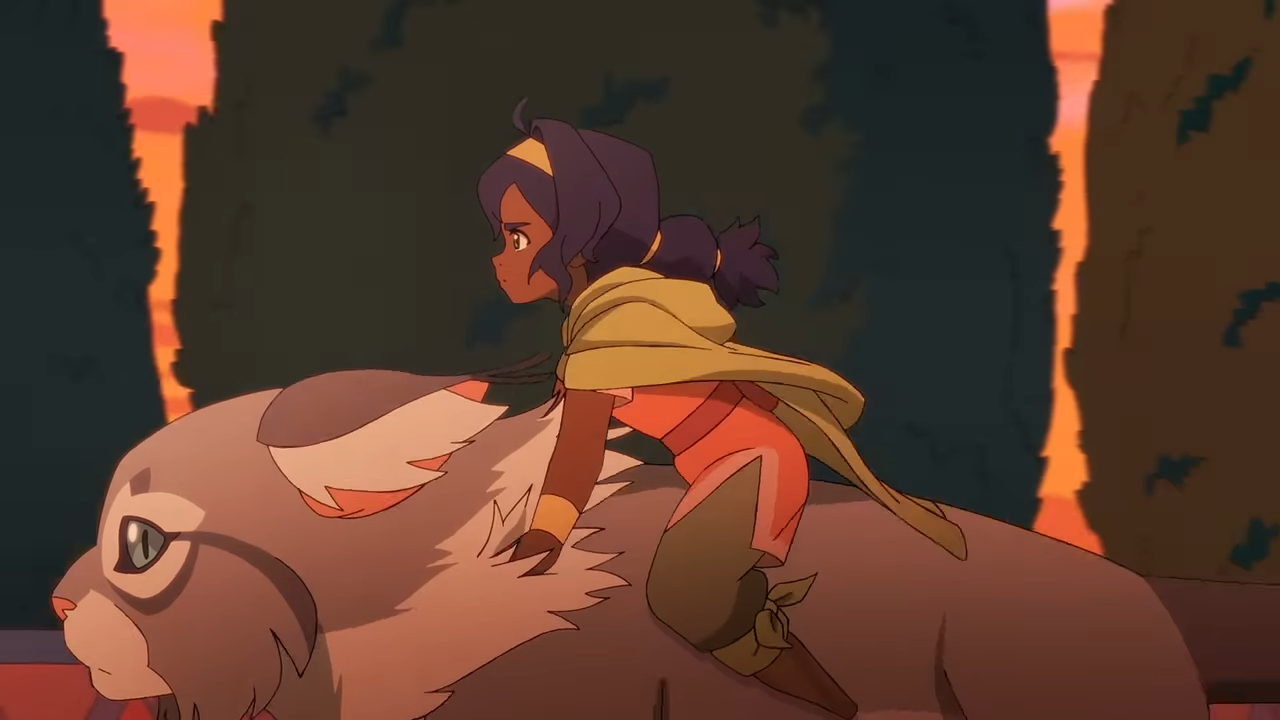
Scene from Avatar: Seven Havens Trailer – Paramount Plus, YouTube
That premise has renewed discussion about the character’s legacy, particularly among viewers who already questioned the consequences of her actions throughout The Legend of Korra.
However, the full circumstances surrounding the catastrophe remain part of the new series’ unfolding mystery.
DiMartino has indicated that audiences will learn more about Korra’s story as Seven Havens progresses, suggesting that the character’s apparent responsibility for the disaster may not tell the entire story.
That’s an important distinction. The series’ initial portrayal of Korra’s legacy should not necessarily be interpreted as confirmation that she personally caused everything attributed to her.
Nevertheless, the decision to revisit Korra through another controversial storyline demonstrates just how central the character remains to the franchise’s creative direction.
Avatar Fans Deserve Better Than Having Their Criticism Dismissed
Konietzko and DiMartino have every right to defend Korra and explain the creative decisions behind her story.
They can reasonably argue that viewers misunderstand her character, overlook her accomplishments, or judge her more harshly than Aang.
They can also acknowledge that some criticism may genuinely originate from prejudice.
However, suggesting that misogyny and homophobia explain significant portions of the backlash is a serious assertion, particularly when the franchise has faced substantial criticism over specific writing decisions for more than a decade.
Korra is a fictional character whose personality, decisions, relationships, and narrative development were determined by writers.
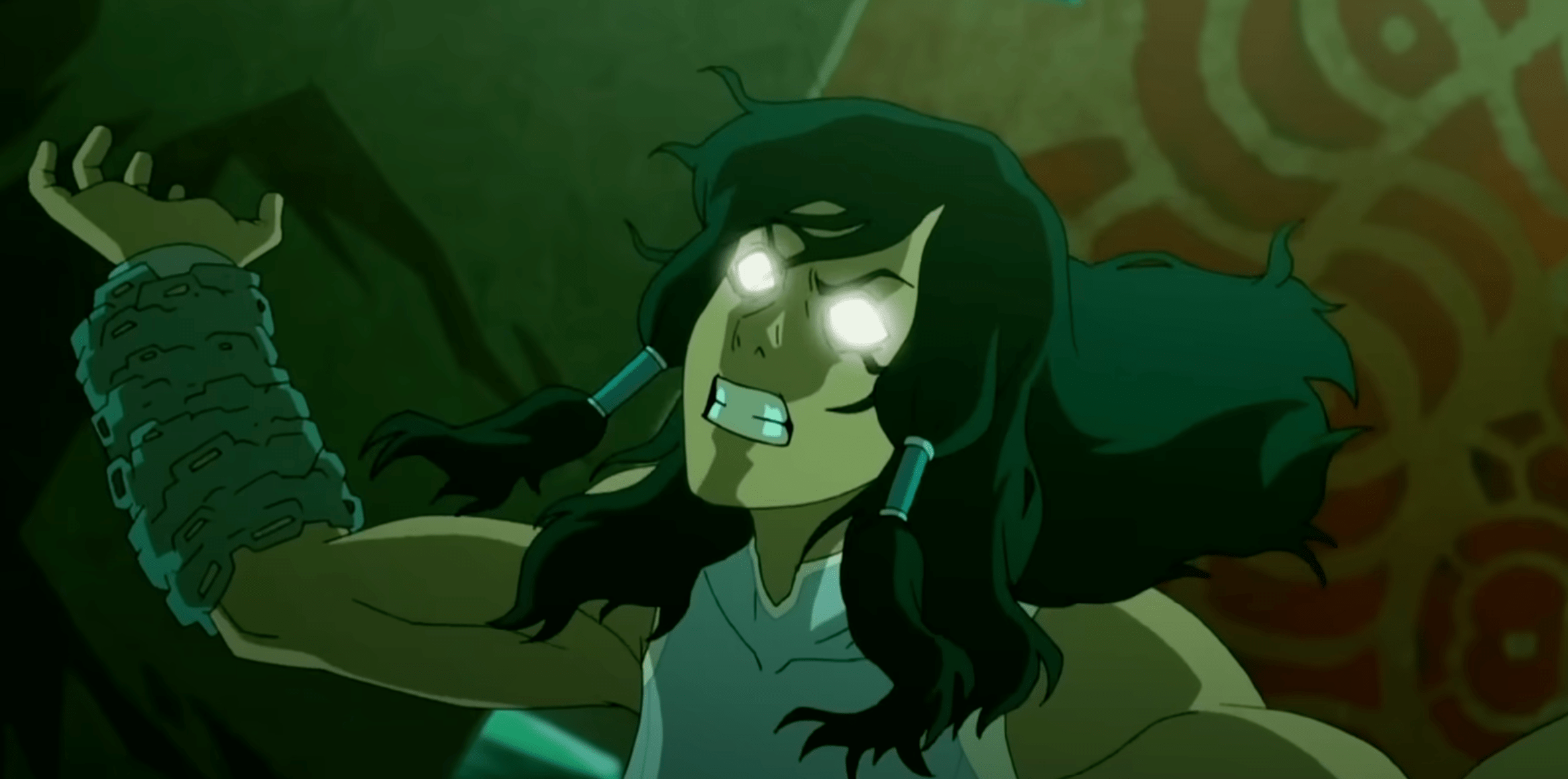
Korra in the Avatar State – YouTube, CD-Call
Audiences are entitled to evaluate those decisions without having their motivations questioned.
The original Avatar: The Last Airbender earned its reputation through memorable characters, compelling storytelling, and a mythology that rewarded viewers for investing in its world.
Its successor was never guaranteed the same reception simply because it carried the Avatar name.
Ultimately, the debate surrounding The Legend of Korra illustrates a broader problem in entertainment: the tendency to interpret criticism of creative decisions through the lens of identity rather than examining whether the storytelling itself succeeded.
With Avatar: Seven Havens continuing the franchise’s mythology, Konietzko and DiMartino have another opportunity to demonstrate why audiences should reconsider Korra’s legacy.
The strongest defense of Korra will not come from questioning the character of her critics. It will come from telling a story compelling enough to change their minds.
How do you feel about the Avatar creators and blaming misogyny and homophobia for fans disliking Korra? Sound off and let us know!
UP NEXT: New York Threatens to Overtake California as Hollywood Film and Television Production Capital
