


Marvel Studios had finally found something to celebrate with VisionQuest, a Disney+ series that has generated a more encouraging response from some viewers than many of the studio’s recent television projects. However, just as audiences began discussing the show’s performances and science-fiction storytelling, another familiar subject returned to the conversation: Pride representation.
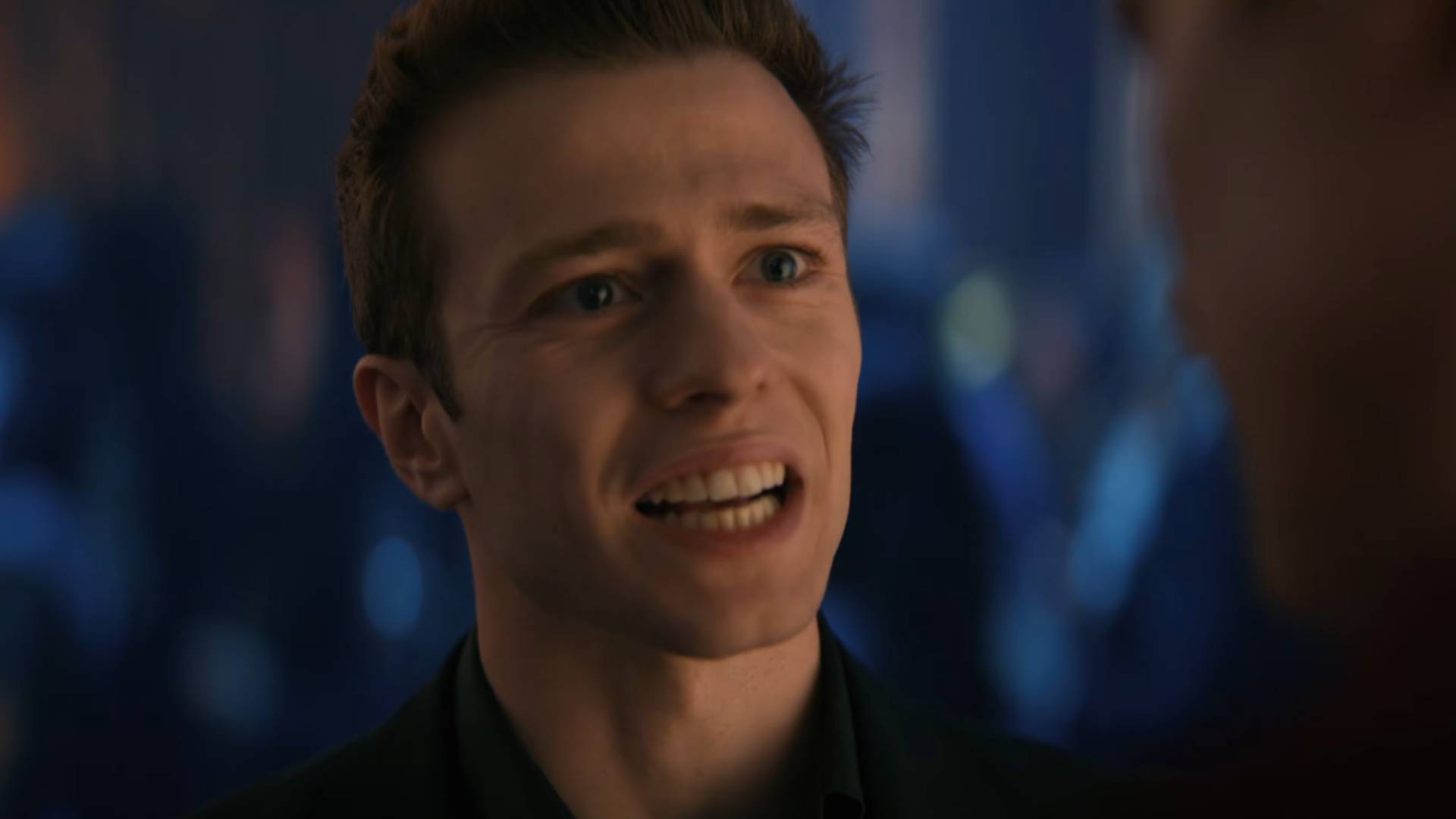
In an October 16 interview with Variety, actor Ruaridh Mollica, who portrays Tommy Maximoff in VisionQuest, celebrated Marvel’s decision to cast a bisexual performer as a bisexual character.
His comments highlight a recurring tension surrounding Marvel’s modern productions. While some performers and viewers consider representation an important accomplishment, others have grown frustrated with the entertainment industry’s repeated emphasis on identity rather than storytelling.
‘VisionQuest’ Star Praises Marvel’s Casting Decision
Mollica portrays Tommy Maximoff, also known as Speed, the brother of Billy Maximoff, who was previously introduced in Agatha All Along.
During his interview, Mollica discussed the personal significance of portraying a bisexual character in the Marvel Cinematic Universe.
“I feel like Marvel did a great job by casting a bisexual actor for this and it’s such an honor to be portraying that in the MCU,” Mollica told Variety. “I feel so seen.”
READ: Judge Tosses Most of Alec Baldwin’s Rust Prosecution Suit, But Some Claims Survive
The actor also celebrated the prospect of both Maximoff brothers appearing in the MCU as LGBTQ characters.
“These queer twin brothers in the MCU together … it’s so cool,” he said.
Interestingly, Tommy’s bisexuality is not necessarily a major component of the show’s romantic storyline. In VisionQuest, Tommy flirts with Lisa Molinari, portrayed by Lauren Morais. Mollica explained that this relationship does not diminish the character’s bisexual identity.
“He’s flirting with Lisa Molinari, but I think that makes me feel more seen as bisexual,” the actor explained. “Because that’s the whole point. It’s not necessarily about who you’re dating, it’s about who you are inside, and who you want to flirt with. So I hope that me being bisexual and playing this part is good for people to feel seen and represented.”
The interview also raises questions about the continued emphasis on representation in Hollywood’s promotional conversations, particularly when the productions themselves have other qualities worth discussing.
Marvel’s Representation Debate Returns
The MCU has increasingly incorporated Pride-centric characters into its television and film projects.
Billy Maximoff, portrayed by Joe Locke, was a central character in Agatha All Along, while VisionQuest continues the story of the Maximoff family through Tommy.
Importantly, Tommy’s bisexuality is not a change Marvel Studios invented for its television adaptation. The character is bisexual in Marvel Comics and has been romantically involved with David Alleyne, also known as Prodigy.
Consequently, criticism of Mollica’s comments should not be confused with an allegation that Marvel fundamentally altered Tommy’s established characterization.
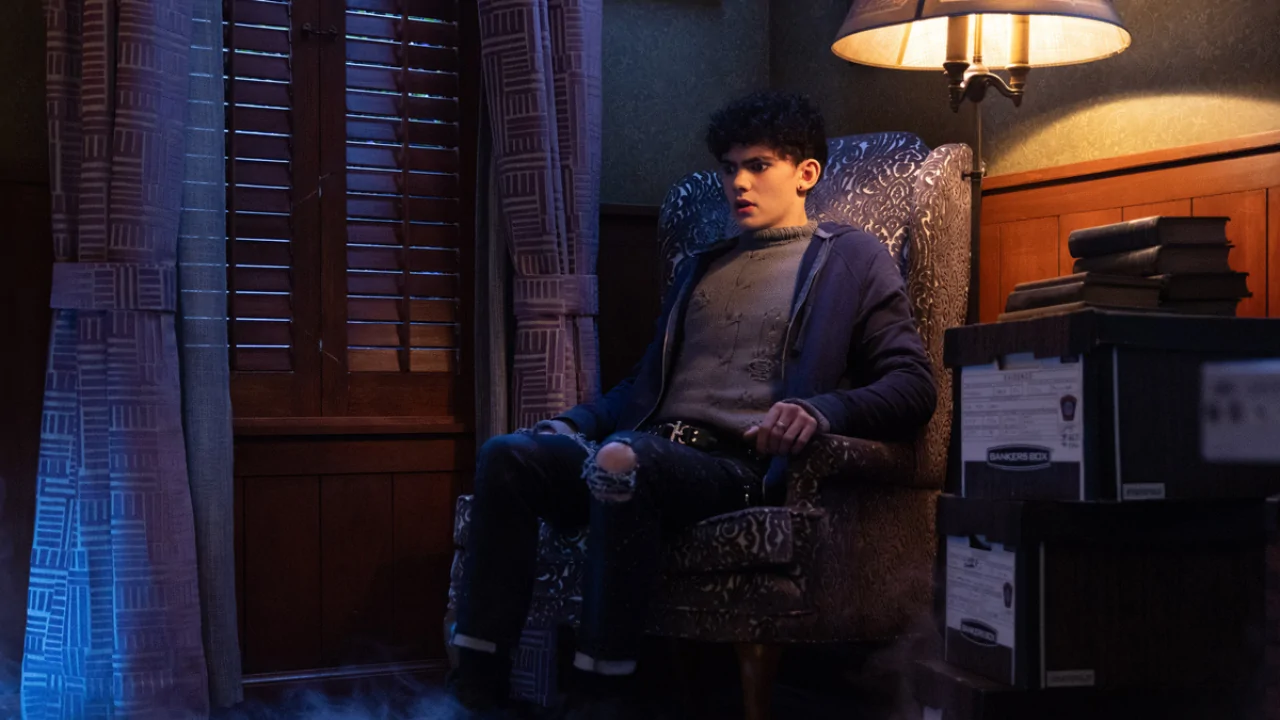
Teen (Joe Locke) in Marvel Television’s AGATHA ALL ALONG, exclusively on Disney+. Photo by Chuck Zlotnick. © 2024 MARVEL.
Instead, the broader discussion concerns the way identity and representation repeatedly become subjects of publicity surrounding major entertainment franchises.
For audiences who appreciate seeing their experiences reflected on screen, Mollica’s comments may be welcome.
For others, particularly viewers frustrated with Marvel’s creative direction over the past several years, the interview may sound like another example of Hollywood emphasizing demographic representation when audiences are primarily looking for compelling entertainment.
‘VisionQuest’ Finds Strength in Its Storytelling
The timing of Mollica’s comments is particularly noteworthy because VisionQuest has demonstrated that Marvel can still deliver entertaining material without relying on identity-focused messaging.
James Spader’s return as Ultron has been among the show’s most compelling elements, while Paul Bettany continues to provide a strong central performance as Vision. The series also explores artificial intelligence, consciousness, and the complicated relationship between humanity and technology.
Its imaginative depiction of Vision’s internal world, including the interactions between different artificial intelligence personalities, provides some of the show’s most interesting material.
That doesn’t mean VisionQuest is without problems.
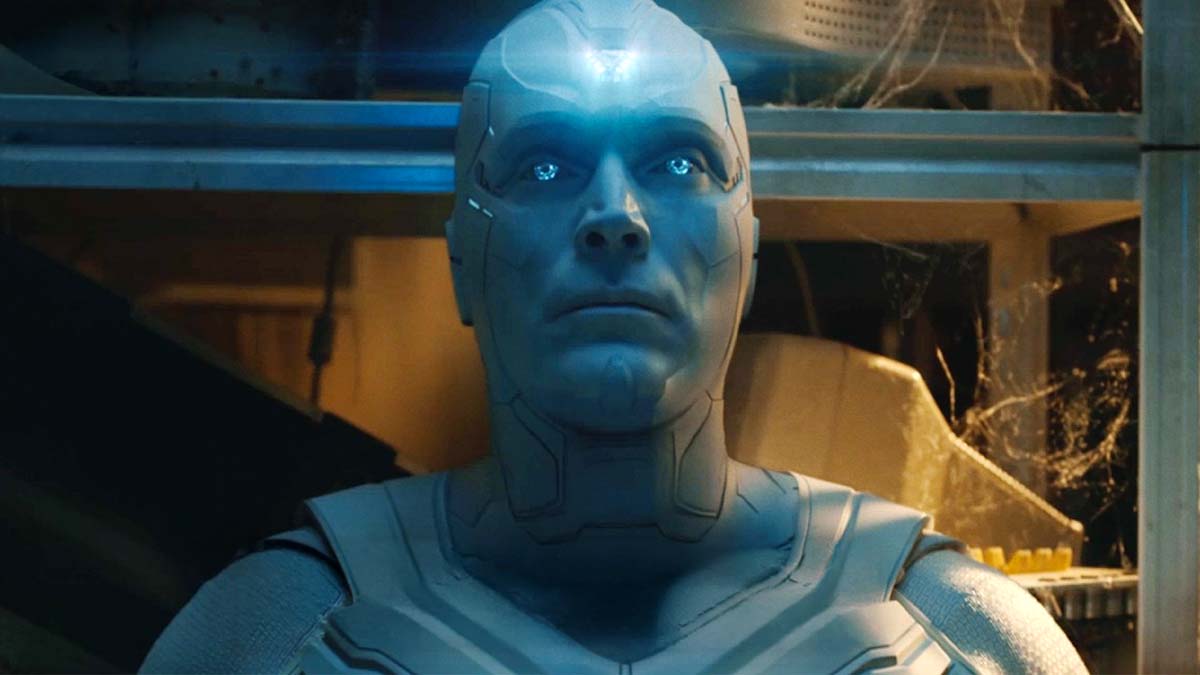
A scene from VisionQuest – Disney+
READ: New Deal Sounds Death Knell For Mountain Dew Sweet Lightning
Uneven humor, inconsistent pacing, and the continuing complications of Marvel’s interconnected continuity remain legitimate criticisms. Nevertheless, the production has offered some skeptical viewers reasons to reconsider their expectations for Marvel television.
Those creative accomplishments provide a useful contrast with the familiar discussion surrounding representation.
A character doesn’t need to share an audience member’s personal identity to become relatable. Indeed, much of science fiction’s enduring appeal comes from encouraging viewers to identify with characters whose experiences are radically different from their own.
Vision himself is an artificial being attempting to understand humanity, yet his struggles can resonate with audiences regardless of their backgrounds. That ability to create connections across different experiences remains one of storytelling’s greatest strengths.
Marvel Still Needs to Win Back Its Audience
Marvel Studios continues facing the challenge of rebuilding enthusiasm for a franchise that once dominated popular entertainment.
Years of uneven releases, controversial creative decisions, and audience frustration have diminished the confidence that previously surrounded new MCU projects.
Representation alone didn’t create those problems, nor does including Price-centric characters prevent Marvel from producing successful entertainment.
However, the repeated emphasis on identity in interviews and promotional discussions can contribute to audience fatigue, particularly among viewers who believe Hollywood has spent too much time celebrating representation as an accomplishment independent of storytelling quality.
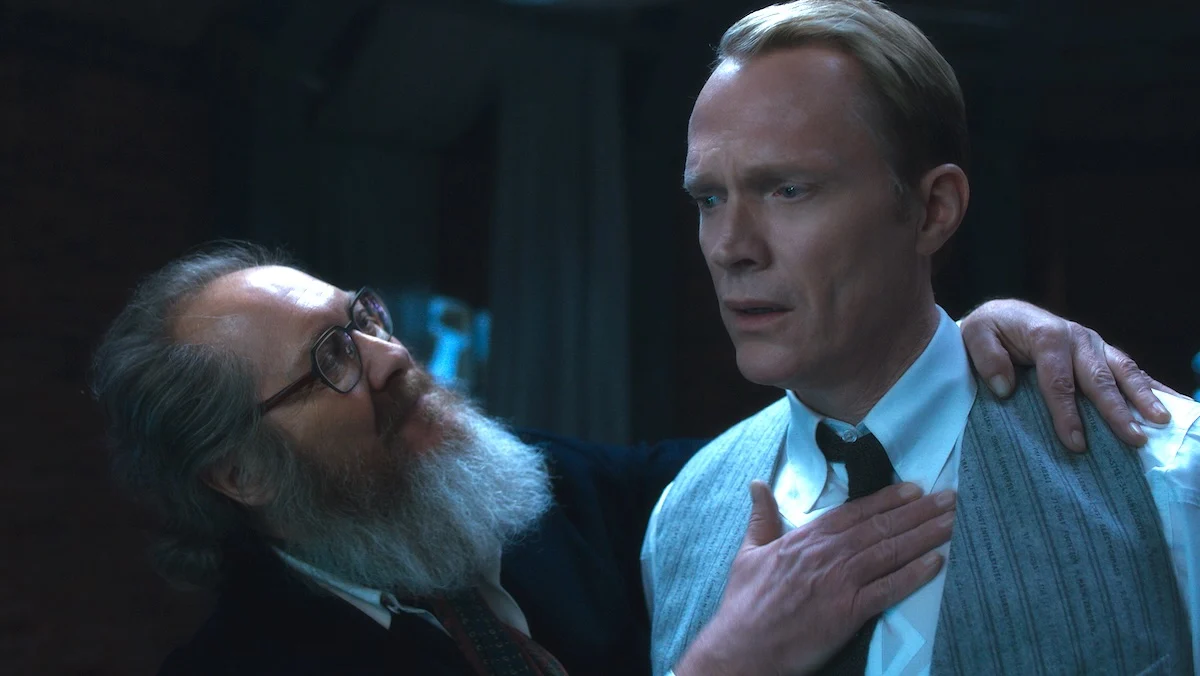
A scene from VisionQuest – Disney+
Mollica was discussing his own experiences rather than announcing an official Marvel Studios promotional campaign. His comments should be understood within that context. Nevertheless, they illustrate how frequently discussions surrounding contemporary entertainment return to the importance of audiences feeling represented.
Ultimately, VisionQuest will succeed or fail based on whether viewers find its characters compelling, its performances entertaining, and its story worth following. Marvel’s strongest path forward may be to emphasize those qualities rather than expecting audiences to regard representation itself as a reason to watch.
Mollica is certainly entitled to celebrate what portraying Tommy Maximoff means to him. But viewers are equally entitled to judge VisionQuest on the merits of the finished production.
And after years of inconsistent Marvel television, those merits should remain the focus.
How do you feel about bisexual representation in VisionQuest? Sound off and let us know!
