


There is something impressive about Hollywood’s ability to acquire a beloved intellectual property, inherit its established audience, and then immediately begin making decisions that leave that audience wondering whether anyone involved actually understands the material.
Netflix’s upcoming adaptation of The Chronicles of Narnia, directed by Greta Gerwig, is becoming another fascinating example of this phenomenon. While much of the conversation has revolved around casting decisions, creative liberties, and whether fans are overreacting, I think we’re overlooking something far more important (to me, anyway).
The late C.S. Lewis is currently representing one of every author’s greatest nightmares. Imagine spending years developing a fictional universe, pouring your heart, soul, philosophical convictions, and understanding of humanity into a story. You work to create something meaningful enough that other people might find comfort, wisdom, entertainment, or even a little understanding of themselves within its pages.
Then, decades after you’re dead, that creation ends up in the hands of people who have the legal authority to reshape it into something you may never have intended it to be. You cannot defend your decisions, explain why certain details mattered, sit across from the creative team and tell them that the thing they consider an unnecessary limitation is fundamental to the entire story. Your name remains attached to the work, but you no longer have a voice in what that work becomes.
As an author and editor, I find that prospect more disturbing than the question of whether a particular actress should voice a fictional lion.
And yet, strangely enough, Lewis himself may have given us some insight into the problem.
C.S. Lewis Understood How Good Things Become Corrupted
One of the most interesting arguments Lewis makes in Mere Christianity concerns the nature of good and evil. In the chapter “The Invasion,” Lewis argues that evil does not possess the same independent creative nature as good. Instead, it depends upon something good existing in the first place, something that can then be distorted or corrupted.
He summarizes this with a remarkably simple observation: “Badness is only spoiled goodness.”
It’s a fascinating concept, particularly when applied to creative work. Something doesn’t necessarily have to be destroyed outright to lose its original meaning. Sometimes it can be altered gradually, with each individual change appearing relatively harmless when considered in isolation.
Perhaps the historical setting is changed because a different decade provides more interesting visuals. Or a character’s established limitations are modified because the filmmaker wants a more dramatic sequence. Maybe an important symbolic element is reinterpreted because the director believes a contemporary audience will connect with it differently. Each decision can be defended as an artistic choice.
But what happens when you combine all those changes at once? At what point does an adaptation stop being a translation of the original work and become something fundamentally different, wearing the familiar names and imagery of a story people already love?
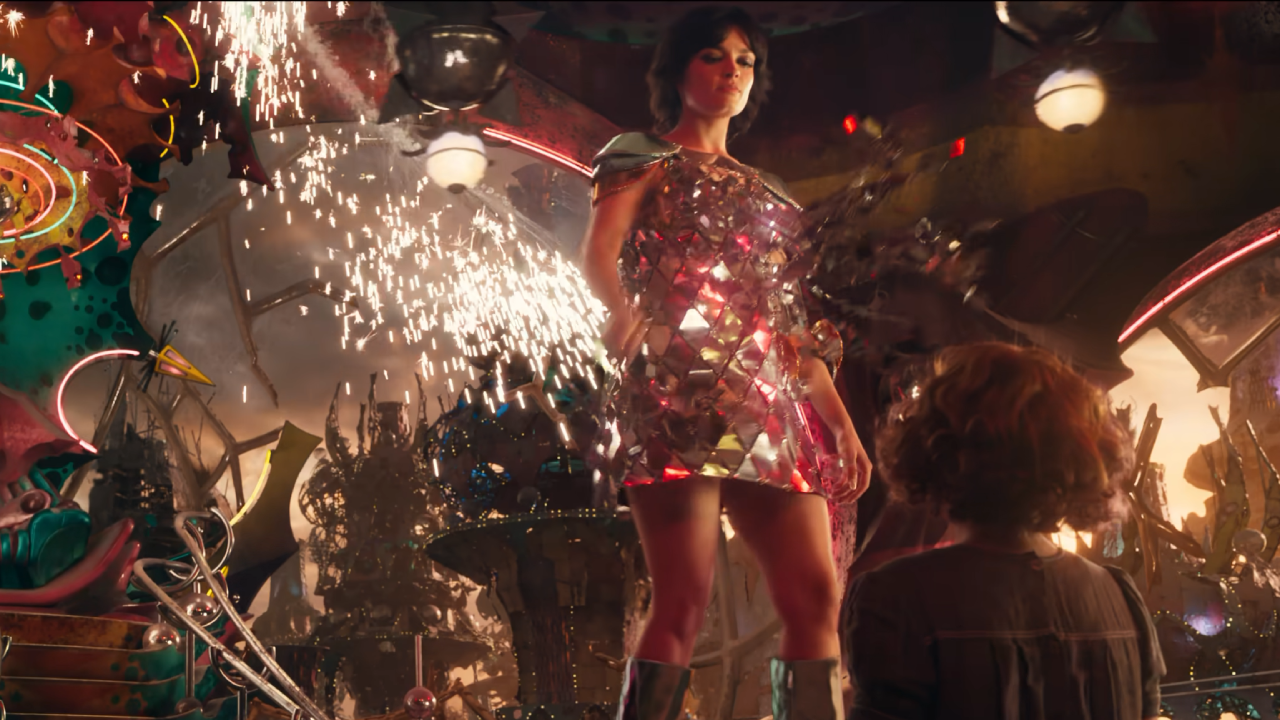
An image from Greta Gerwig’s Narnia film – Netflix, YouTube
This is the question I find myself asking about Netflix’s The Magician’s Nephew.
To be clear, I’m not claiming to know whether Gerwig or Netflix deliberately intend to undermine Lewis’s work or its theological foundations. Their motivations remain their own. However, their creative decisions have given fans legitimate reasons for concern, and those concerns have become increasingly vocal. Intent matters along with impact birthed from intent. Regardless of what the filmmakers hope to accomplish, audiences have every right to question decisions that appear to move a beloved story away from the vision of its original creator.
What I would like to do is focus on Lewis’s observations about the corruption of good things, which offer a surprisingly appropriate framework for examining how established stories can lose their identities through accumulated creative changes.
The irony is difficult to ignore.
The Devil Rarely Announces Himself
If Mere Christianity provides the philosophical foundation for this argument, The Screwtape Letters offers something considerably more uncomfortable. Published in 1942, the novel presents a series of letters from Screwtape, a senior demon, to his inexperienced nephew Wormwood. The letters provide instructions on how to tempt and ultimately corrupt a human being.
What makes the book particularly interesting is that Lewis doesn’t present temptation exclusively through spectacular acts of wickedness. Much of Screwtape’s advice involves distraction, rationalization, vanity, and small compromises that gradually redirect a person’s thinking. The objective isn’t necessarily to convince someone to abandon everything they believe in overnight. It’s to encourage a series of seemingly reasonable decisions that eventually lead them somewhere they never intended to go.
Lewis was writing about spiritual temptation, not the entertainment industry. Nevertheless, the underlying psychological observation is worth considering. Good people rarely make decisions while consciously thinking they’re destroying something valuable. More often, they believe they’re improving it, protecting it, or making it more relevant to the circumstances in which they find themselves.

Liam Neeson as Aslan in The Chronicles of Narnia: The Lion, the Witch and the Wardrobe (2005), The Walt Disney Company
A filmmaker might genuinely love a story while believing certain aspects need to be changed. The first alteration seems harmless. The second is justified because the first has already established a precedent. By the time the third or fourth decision is made, the adaptation may be moving in a direction the original author wouldn’t recognize.
None of those decisions necessarily requires malicious intent. In fact, the people making them may be completely convinced they’re doing something beneficial. That’s the uncomfortable lesson we can take from The Screwtape Letters. Human beings possess a remarkable ability to rationalize decisions when those decisions support something they already want. We should also recognize that this observation applies to audiences. Fans can rationalize their own hostility just as easily as filmmakers can rationalize their creative decisions.
The point isn’t to assign demonic motives to Netflix or Greta Gerwig. However, what appears to be a flippant approach to the beloved world C.S. Lewis created mirrors the very patterns of rationalization and gradual corruption he explored in his writing, and the resemblance is uncomfortable. When creative decisions seem to disregard the foundations of a story that has resonated with generations of readers, it’s not difficult to understand why some fans begin to suspect something malicious rather than merely creative. Whether those suspicions are justified is another matter, but the concerns themselves deserve consideration. After all, the destruction of something meaningful doesn’t always begin with someone announcing their intention to destroy it. Sometimes it begins with someone confidently insisting they know how to make it better.
Narnia Was Never Just Another Fantasy Franchise
C.S. Lewis wasn’t simply writing about children wandering into a magical world filled with talking animals. He was constructing a fantasy universe deeply influenced by his understanding of Christianity, morality, sacrifice, temptation, and redemption.
You don’t have to be Christian to appreciate Narnia. In fact, many do not pick up on those themes unless they are embedded in their life. You don’t even have to agree with Lewis’s religious convictions to enjoy the timeless story. But pretending those convictions aren’t fundamental to the work is like adapting The Lord of the Rings while deciding Tolkien’s understanding of power, corruption, and mercy is an inconvenient distraction.
These aren’t incidental details, but are part of the architecture holding the stories together. Which brings us to the most controversial decisions surrounding Gerwig’s adaptation: casting Meryl Streep as the voice of Aslan.
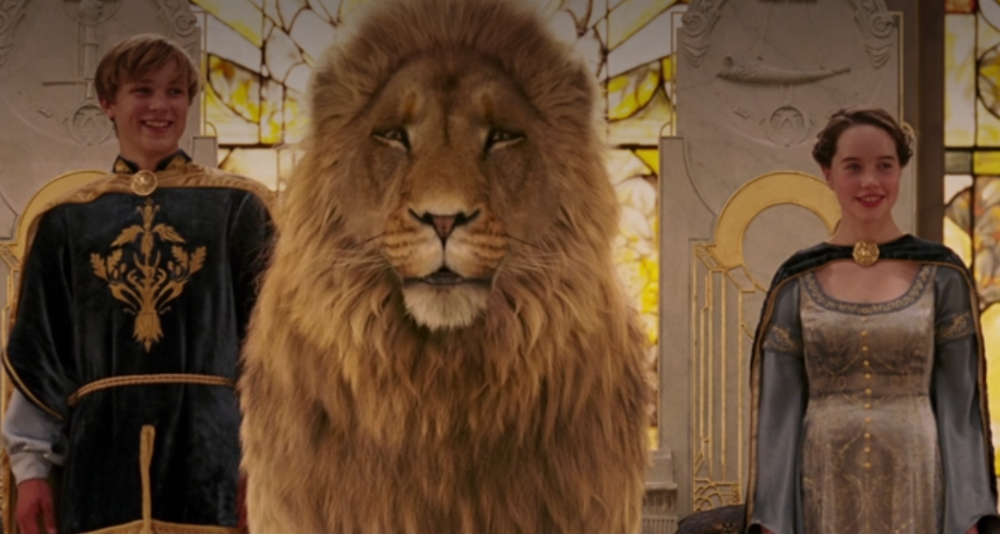
William Moseley as Peter Pevensie, Liam Neeson as Aslan, and Anna Popplewell as Susan Pevensie in The Chronicles of Narnia: The Lion, the Witch and the Wardrobe (2005), The Walt Disney Company
Now, I have nothing against Meryl Streep as an actress. Her talent isn’t the question. Reports suggest that Aslan will retain a recognizably male voice in the finished film. The larger question is how Gerwig intends to preserve the theological significance of a character who was never simply another talking animal.
Aslan isn’t merely a lion who occasionally dispenses wisdom. Lewis constructed him as a representation of Christ within his fictional universe, embodying values such as courage, compassion, forgiveness, sacrifice, and unwavering faith in the face of adversity. For generations of readers, particularly those navigating grief, hardship, uncertainty, or personal struggles, Aslan has represented something profoundly meaningful: the reassurance that goodness can endure, that suffering is not without purpose, and that hope can exist even in the darkest circumstances. His identity, authority, sacrifice, and relationship with Narnia carry meaning far beyond his physical appearance.
Altering those foundations merely for entertainment, or attempting to strip the Christian symbolism from the story to make it more palatable to contemporary audiences, would undermine the very elements that give Narnia its emotional and spiritual weight. What makes this especially frustrating is the perception of a growing double standard in entertainment, where expressions of other religious and cultural traditions are celebrated as important forms of representation while Christianity is increasingly expected to soften, reinterpret, or conceal its own convictions to avoid offending audiences. If we genuinely believe that diverse perspectives deserve to be preserved and represented, that principle should extend to Christian storytelling as well.
That doesn’t mean every artistic decision involving Aslan must be dictated by a church committee. It does mean that filmmakers adapting a world so deeply rooted in its creator’s faith have a responsibility to understand what those beliefs contribute before deciding they need to be changed.
When Love Becomes an Excuse to Change Something
In The Problem of Pain, Lewis examines a question that has troubled humanity for centuries: if God is good, why does suffering exist? Throughout the book, he challenges the assumption that goodness must always be synonymous with comfort, agreement, or giving people what they want.
At one point, Lewis writes: “Love is something more stern and splendid than mere kindness.”
It’s a relatively simple sentence, but one that carries an extraordinary amount of weight.
Lewis was discussing divine love, not filmmaking, but the distinction he makes is worth considering in a creative context. Loving something does not mean we are entitled to reshape it according to whatever happens to please us. Sometimes genuine appreciation requires us to confront ideas that challenge our preferences rather than attempting to eliminate them.
This is particularly relevant when we consider the relationship between filmmakers and the intellectual properties they’re hired to adapt.
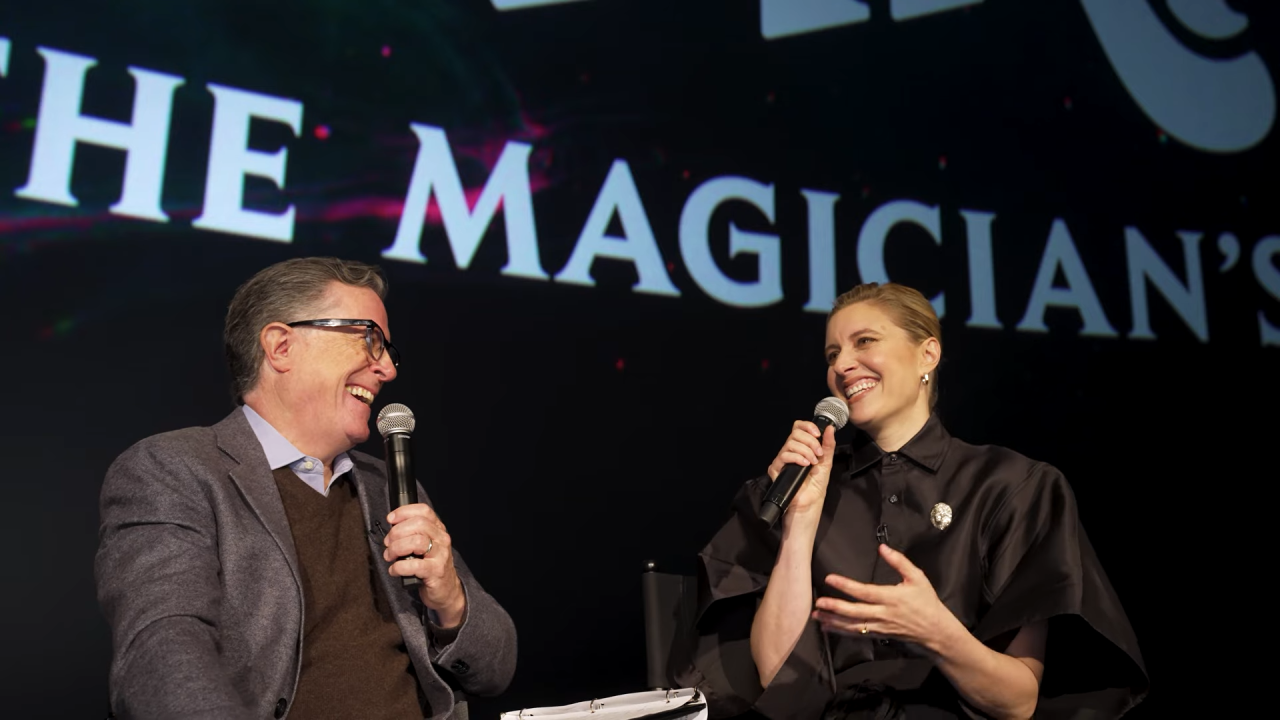
Stephen Colbert and Greta Gerwig – The Playlist, YouTube
Gerwig has spoken about her affection for Lewis’s work. I have no reason to assume she’s being dishonest. But as someone who works with writers, I know that loving a story and understanding what makes it function are not the same thing.
I’ve encountered writers who adore their characters but undermine them by refusing to let them experience meaningful consequences. I’ve seen creative decisions made with the best intentions that ultimately weaken the very stories those decisions were supposed to improve. Sometimes the greatest respect we can show a creative work is acknowledging that not everything within it exists for our personal comfort.
Lewis understood that suffering, sacrifice, and moral responsibility are not incidental inconveniences in human existence. They are questions worth examining, even when the answers make us uncomfortable. Those same philosophical concerns are woven throughout the world of Narnia.
When we start changing the rules, motivations, and symbolism of that universe, we should be asking whether we’re helping a new audience understand those ideas or simply removing the elements that don’t fit our preferred interpretation. Because there’s an enormous difference between making a story accessible and making it agreeable.
And Lewis, of all people, understood that distinction.
When Creative Vision Becomes Creative Arrogance
Another argument from Mere Christianity that I find particularly relevant to this topic comes from Lewis’s discussion of pride.
Lewis describes pride as an especially dangerous moral failing because it can disguise itself within otherwise admirable behavior. A person can become so convinced of their own righteousness, intelligence, or superiority that they lose the ability to recognize when those qualities have become destructive.
In “The Great Sin,” he writes: “Pride leads to every other vice.”
Now, having a creative vision is not inherently arrogant. A director should bring something of themselves to a project, and adaptation would be an incredibly dull art form if filmmakers were forbidden from interpreting anything. But there is a point where interpretation can become an assumption of superiority over the original material.
And that’s where I believe we, especially writers, should start paying attention.
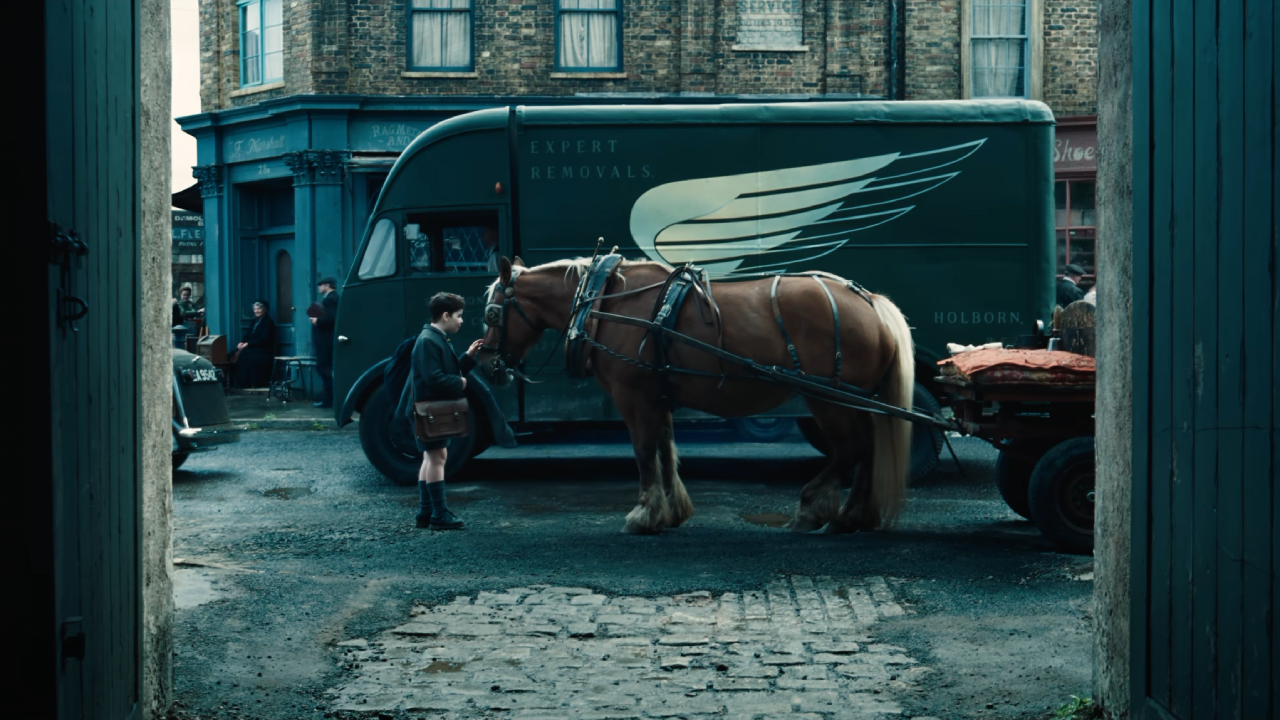
An image from Greta Gerwig’s Narnia film – Netflix, YouTube
When you adapt someone else’s work, you are entering a fictional universe that already exists according to established principles. Those principles might be inconvenient for the story you personally want to tell, but that inconvenience doesn’t necessarily mean they need to be changed. Sometimes the limitation is what makes the story work.
The promotional material for The Magician’s Nephew has raised questions about Jadis apparently using magic in London, something that would contradict an important limitation established in Lewis’s novel if presented without further explanation.
Perhaps the finished film will provide an explanation. Perhaps the scene is misleading without context. Both are entirely possible.
But if the change is exactly what it appears to be, it raises an important storytelling question: why remove a limitation that helped establish the rules of the fictional universe?
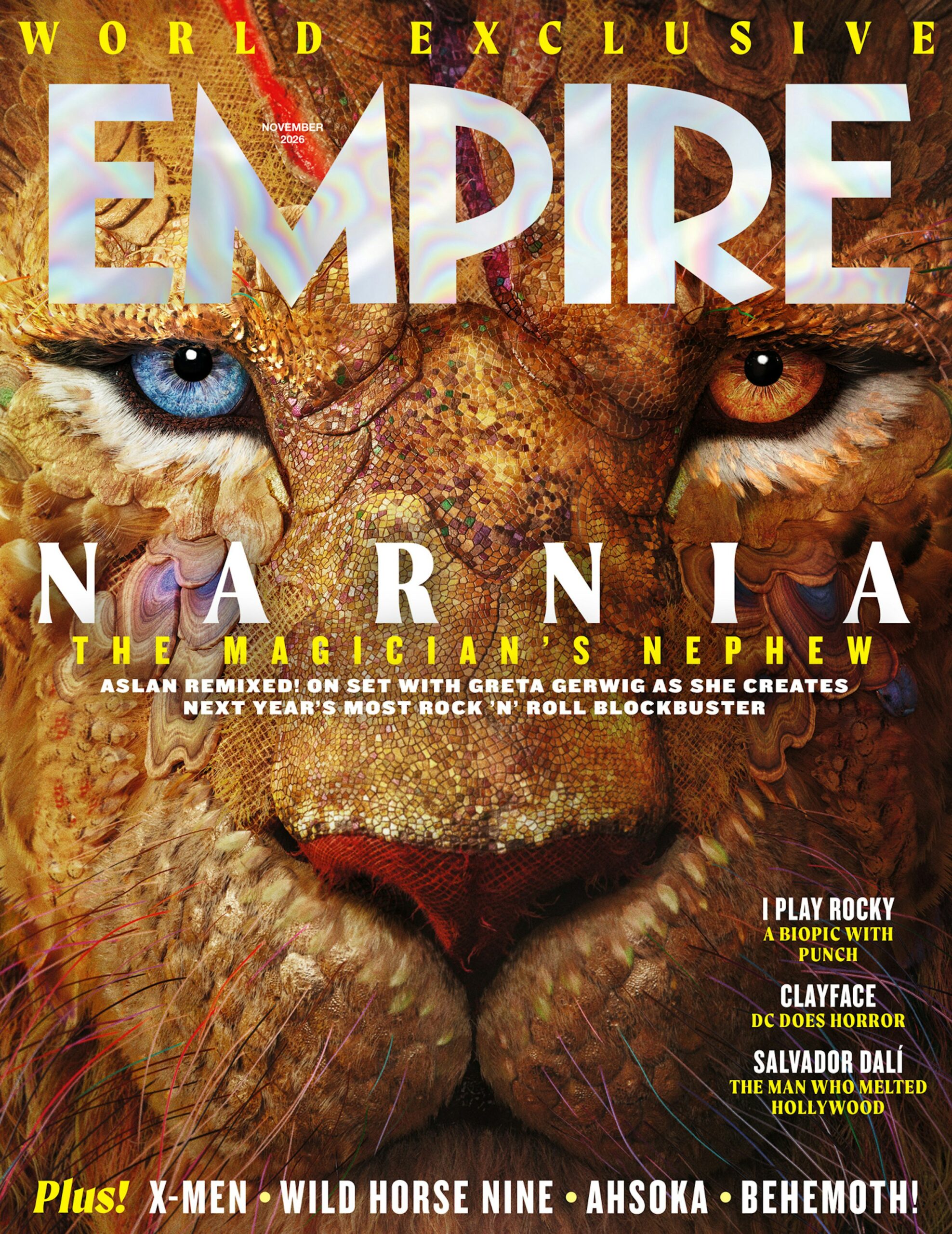
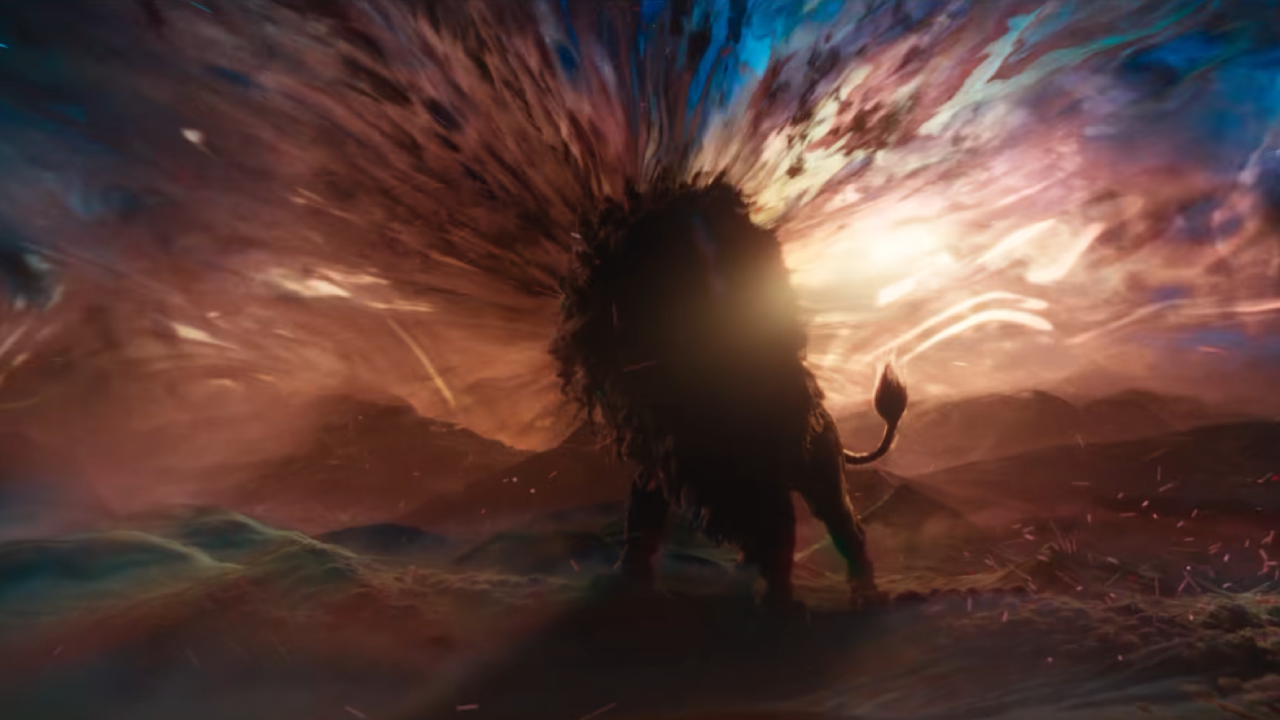
Greta Gerwig’s Aslan in Narnia – Empire
As an editor, I regularly explain to writers that the rules of their worlds matter because those rules establish consequences. If characters can suddenly overcome limitations whenever the plot requires it, the audience loses its ability to understand what is genuinely at stake. And when those rules belong to a fictional universe created by someone else, changing them deserves even greater scrutiny.
The danger isn’t necessarily that a filmmaker wants to do something different. It’s the possibility that the filmmaker becomes so invested in doing something different that they stop asking whether the difference actually improves the story. And then there is the matter of the legacy of the material itself. Narnia has a place in the hearts of many who have spent hours lost in this world, it’s magic, characters and lessons. A stranger stepping and shaking things up for the sake of doing it doesn’t make anything new or exciting, but creates a mess of something cherished by another person.
Hollywood Wants the Audience (And Their Money) Without the Expectations
What fascinates me most about these adaptations isn’t necessarily the creative changes themselves. It’s the relationship between studios and the audiences they’re trying to attract.
Consider the business proposition – Netflix acquires the rights to a globally recognized literary franchise. That franchise already has generations of readers who love its characters, understand its themes, and have emotional attachments to its world.
That existing audience is part of what makes the property valuable. Yet when an adaptation begins moving away from recognizable elements of the original, the people who helped make that property valuable are expected to accept those decisions without complaint.
Why?
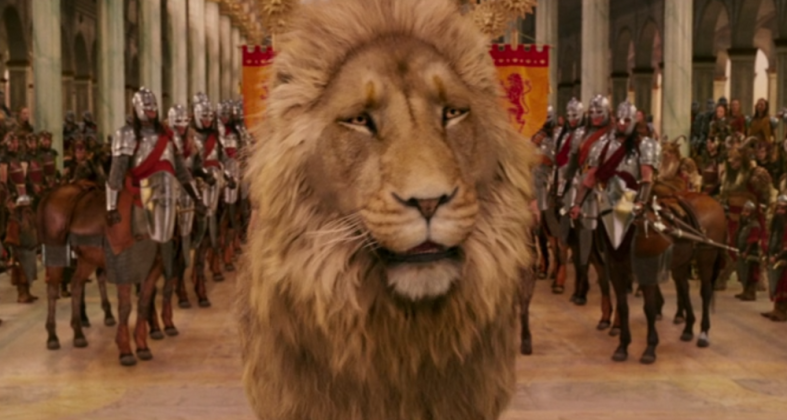
Liam Neeson as Aslan in The Chronicles of Narnia: The Lion, the Witch and the Wardrobe (2005), The Walt Disney Company
From a business perspective, this is an extraordinary way to approach customer relationships. Imagine purchasing a successful restaurant because customers adore its traditional menu, then immediately changing the signature dishes while expressing irritation that the regulars preferred the original recipes. You bought the restaurant because people loved what it served. Why are you surprised that they still want it?
Hollywood seems increasingly comfortable treating familiarity as a marketing asset while treating the expectations associated with that familiarity as a creative inconvenience.
And this brings us back to something Lewis understood about human behavior. In Mere Christianity, Lewis explains that people can pursue perfectly legitimate things through methods that ultimately corrupt those pursuits. Money, security, pleasure, and power are not inherently evil, but the desire for them can lead people to make destructive decisions.
There is an interesting parallel here with the entertainment industry. Making a successful film is a perfectly legitimate goal. So is creating something visually impressive, reaching a new audience, or offering a fresh interpretation of familiar material. But what happens when those goals begin taking precedence over the integrity of the story that made the project possible?
The Author Is the One Person Who Cannot Object
There’s another aspect of this controversy that deserves more attention. C.S. Lewis died in 1963. He cannot participate in the discussion surrounding Netflix’s adaptation. He cannot review Gerwig’s screenplay, approve changes to his characters, or explain whether a particular reinterpretation conflicts with what he intended.
His family and the company responsible for his literary legacy have expressed support for Gerwig’s work, and their position deserves acknowledgment. But an estate’s approval and an author’s original intention are not necessarily identical things.
As an author, I understand that publishing a story means surrendering some control over how readers interpret it. People will discover meanings I never consciously intended. They will form attachments to characters for reasons I never anticipated. Some will disagree with the philosophical arguments embedded in the narrative.
That’s part of what makes storytelling worthwhile, but interpretation and alteration are different activities.

Tilda Swinton as White Witch in The Chronicles of Narnia: The Lion, the Witch and the Wardrobe (2005), The Walt Disney Company
A reader interpreting Aslan through a different philosophical lens does not change the words Lewis wrote. A filmmaker changing Aslan’s characterization or the theological foundation of Narnia potentially changes the experience of the story for millions of people who may never read the original books.
That is an extraordinary amount of influence over another person’s creative legacy. And while intellectual property rights determine who is legally permitted to make those decisions, legality doesn’t automatically resolve the question of creative responsibility.
For authors, this should be a sobering thought. The worlds we build may outlive us. The characters we create may eventually become more recognizable than our own names. And if we’re fortunate enough to write something that resonates across generations, other people may eventually gain the authority to reinterpret it.
We can hope they understand what we were trying to accomplish. But hope isn’t much of a defense when you’re no longer around to explain yourself.
Are We Preserving Lewis’s Narnia or Replacing It With Our Own?
Perhaps the most personally revealing of Lewis’s works is A Grief Observed, written following the death of his wife, Joy Davidman.
Unlike the carefully constructed theological arguments found in Mere Christianity and The Problem of Pain, this book exposes a man struggling with grief, anger, uncertainty, and the uncomfortable realization that intellectual understanding does not necessarily prepare us for emotional suffering.
One of the most fascinating ideas Lewis explores is the distinction between a person as they truly exist and the image of that person we construct in our minds.
He recognizes that his memories of his wife, however precious, are not the same thing as the woman herself. His grief forces him to confront the possibility that he might gradually replace the reality of the person he loved with an idealized version shaped by his own needs and recollections.
He eventually arrives at a remarkable observation, “All reality is iconoclastic.”
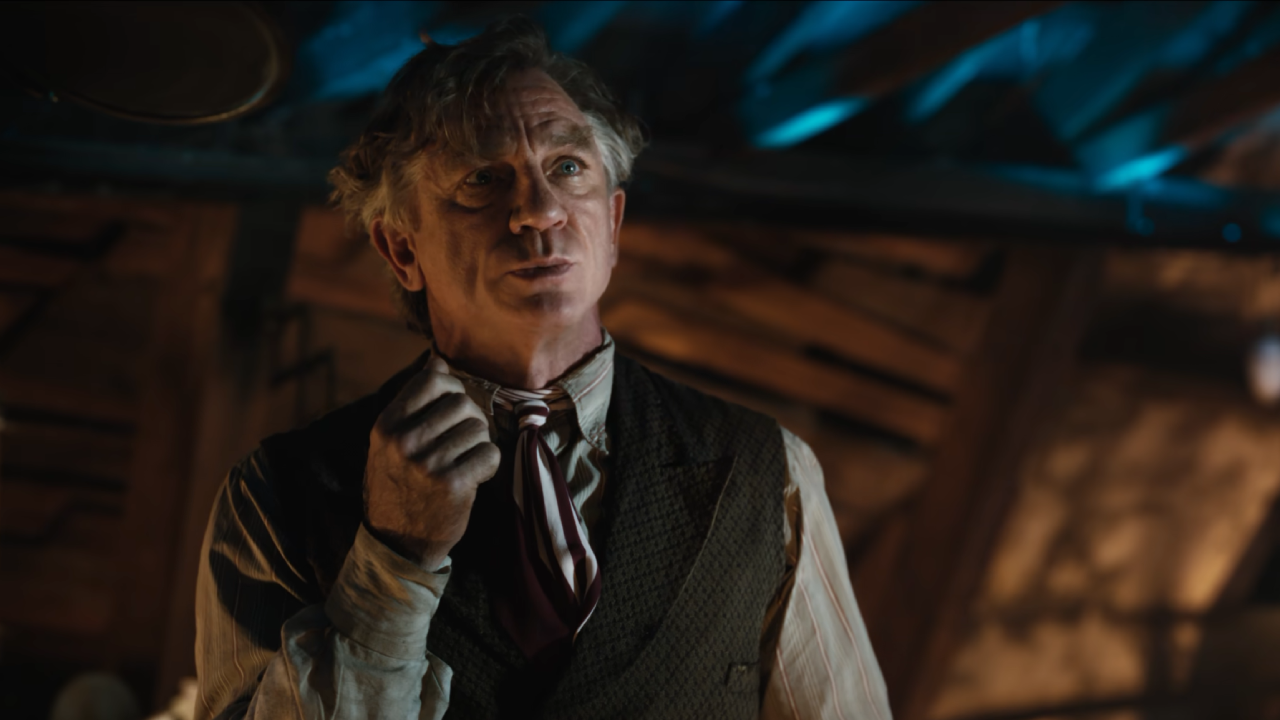
Daniel Craig in Greta Gerwig’s Narnia – Netflix, YouTube
In other words, reality has a tendency to shatter the comfortable images we construct around it. Now, I’m certainly not going to compare Lewis losing his wife to fans being disappointed by a film adaptation. Those are two profoundly different experiences, and doing so would trivialize the deeply personal nature of his writing. But the philosophical distinction Lewis identifies is relevant to how we approach another person’s creative work.
Are we attempting to understand something as it actually exists, or are we replacing it with the version we would prefer it to be? This is a question I believe every filmmaker should ask when adapting an established story.
There is a temptation, particularly among successful creative professionals, to approach an existing work primarily through the lens of what they personally would have done differently. Perhaps they believe a character would be more interesting with a different personality. Perhaps they dislike the limitations established by the original author. Perhaps they believe the underlying philosophy should be reinterpreted to better reflect their own understanding of the world. And, perhaps, some of those changes will genuinely improve the cinematic experience.
But there is also the possibility that, somewhere along the way, the filmmaker stops adapting the original story and begins constructing an idealized version of what they believe that story should have been. The names remain familiar. The costumes and locations look recognizable. The marketing proudly displays the title audiences have loved for generations and the philosophical identity of the work begins to disappear.
What makes this especially troubling for authors is that the original creator may no longer be alive to explain the distinction.
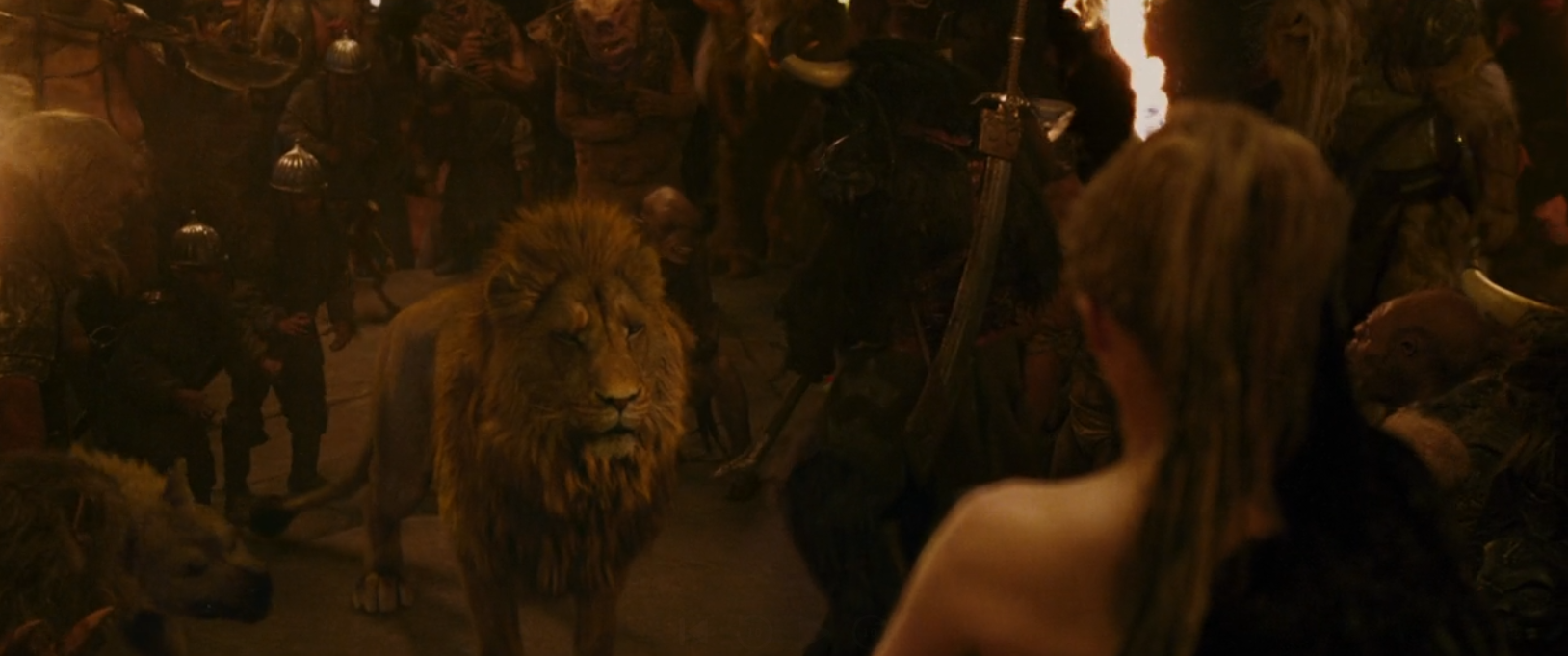
Liam Neeson as Aslan and Tilda Swinton as White Witch in The Chronicles of Narnia: The Lion, the Witch and the Wardrobe (2005), The Walt Disney Company
Lewis cannot tell Gerwig what he thinks of her interpretation. He cannot clarify which elements of Narnia he considered essential or which changes he might have welcomed. We have his published work, his letters, and the considerable body of commentary he left behind. Those provide meaningful evidence of his intentions, but they cannot answer every question a modern adaptation might raise.
And that brings us to the uncomfortable truth at the center of this entire controversy. An adaptation can be legally authorized, commercially successful, and beautifully produced while still failing to preserve the creative identity of the work that inspired it.
That is the nightmare every author should consider.
Not that someone might change our stories, but that those changes might eventually become the version future generations recognize, while the ideas we originally hoped to communicate are forgotten or discarded in favor of someone using our work to further themselves.
The Audience Is Not the Problem
There is a strange tendency in entertainment discussions to treat disagreement as evidence of some moral or intellectual deficiency. A fan objects to a casting decision, and the conversation quickly shifts away from the actual storytelling question toward speculation about that person’s motivations.
Sometimes criticism is genuinely unreasonable. Sometimes people are looking for reasons to be offended. But sometimes an audience is making a perfectly legitimate observation about a character, a theme, or a fictional universe they’ve understood for decades. Those objections deserve to be evaluated on their merits.
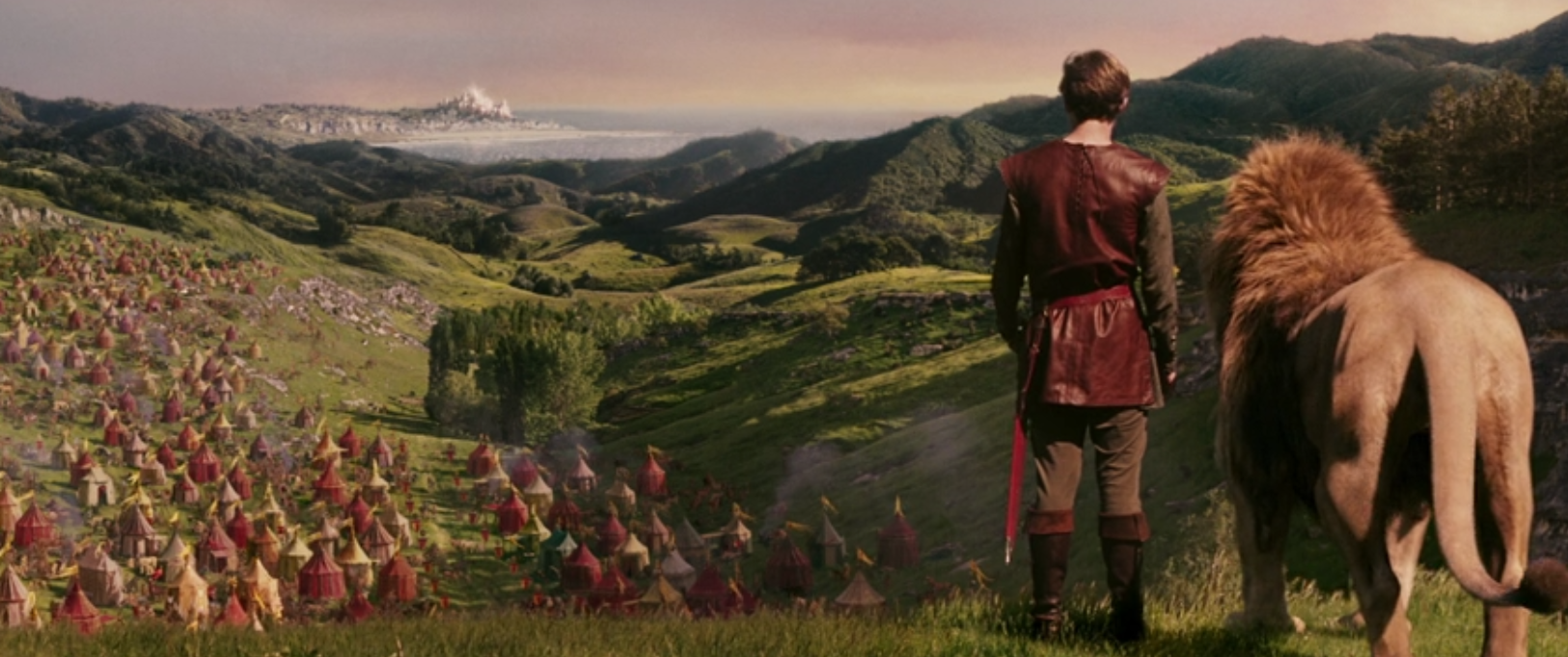
William Moseley as Peter Pevensie and Liam Neeson as Aslan in The Chronicles of Narnia: The Lion, the Witch and the Wardrobe (2005), The Walt Disney Company
From a sociological perspective, this is particularly interesting because stories are not simply products people consume. They become part of shared cultural identities. Families pass them between generations. Readers develop relationships with characters. Communities form around common interpretations and experiences. When an adaptation changes something central to that shared understanding, people don’t necessarily experience it as a minor artistic adjustment. They can experience it as a disruption of something personally meaningful.
That doesn’t make every objection correct. It does explain why dismissing those objections is such an ineffective way to engage with an established audience. And there’s another side to this that critics should acknowledge – audiences can also become so protective of a beloved work that they mistake every difference for an act of disrespect. That, too, can be a form of pride.
Lewis’s arguments about humility apply just as readily to the people defending his work as they do to the people adapting it. The question should not be which side can claim the greatest moral authority. It should be whether the creative decisions actually serve the story.
Narnia Doesn’t Need to Be Fixed
The frustrating thing about all of this is that The Magician’s Nephew offers tremendous cinematic potential without requiring anyone to reinvent its foundations. The creation of Narnia, the Wood Between the Worlds, the introduction of Jadis, and the moral choices facing Digory are all powerful storytelling opportunities.
Lewis already did the difficult work of constructing a universe that has fascinated readers for generations. A filmmaker’s challenge is to translate that experience into another medium while understanding what made it resonate in the first place. There is plenty of room for creativity within that challenge.
What I question is the assumption that a new interpretation automatically represents an improvement, particularly when it alters elements that helped establish the property’s identity.
Originality is valuable. So is restraint. And perhaps that’s the lesson from Lewis’s broader body of work that Hollywood would benefit from considering.
In Mere Christianity, he warns about the corruption of good things and the dangers of pride. In The Screwtape Letters, he demonstrates how seemingly insignificant compromises can gradually redirect a person’s thinking. In The Problem of Pain, he challenges the assumption that genuine goodness must always accommodate our personal preferences. And in A Grief Observed, he confronts the uncomfortable distinction between reality and the images we construct around it.
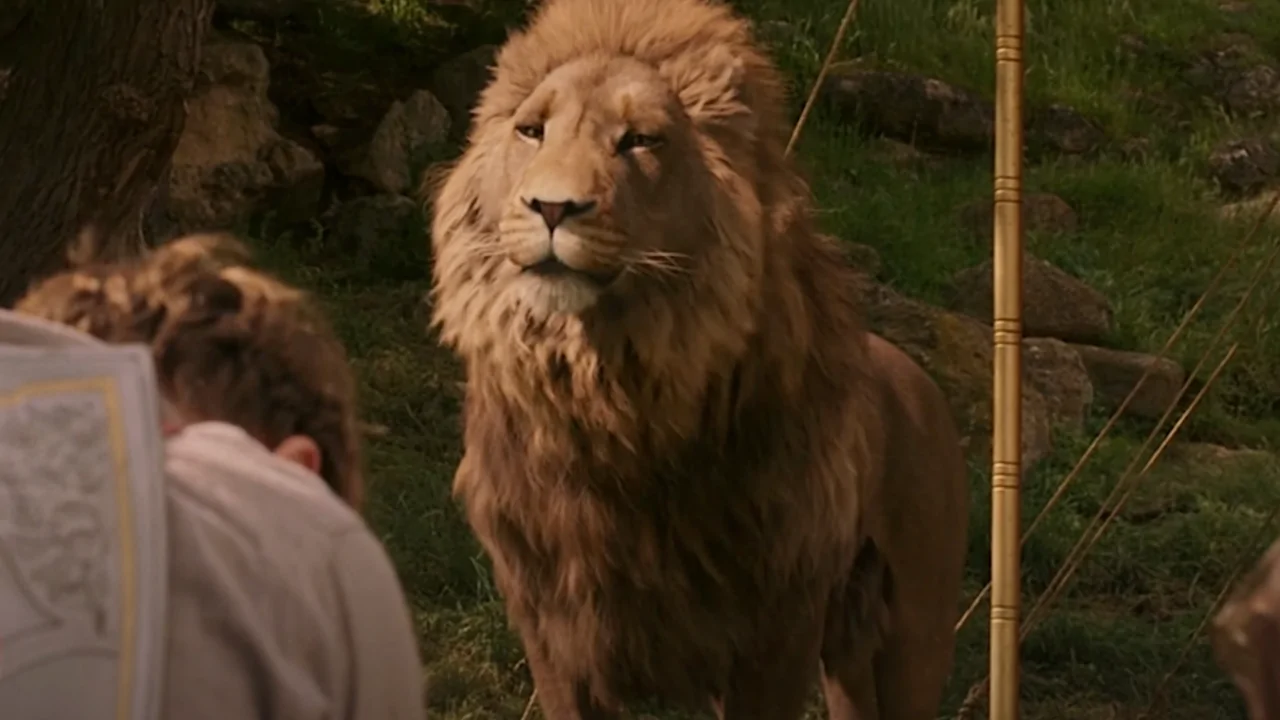
Aslan in The Chronicles of Narnia: The Lion, The Witch, and The Wardrobe – Disney+
Together, these works reveal a writer deeply concerned with the ways human beings misunderstand, distort, and sometimes destroy the things they claim to value.
Not everything needs to be remade according to our own preferences. Not every limitation is an obstacle to overcome. Not every established idea becomes better simply because we have the power to change it.
Sometimes wisdom involves recognizing that something valuable existed before we arrived, and that our responsibility is to understand it before attempting to improve it.
Netflix is investing an extraordinary amount of money in bringing Narnia to the screen. Gerwig has the opportunity to introduce Lewis’s world to an entirely new generation. I hope she succeeds. But success shouldn’t be measured exclusively by streaming numbers, theatrical revenue, or how much online discussion the film generates. It should also be measured by whether the adaptation understands the story it claims to celebrate.
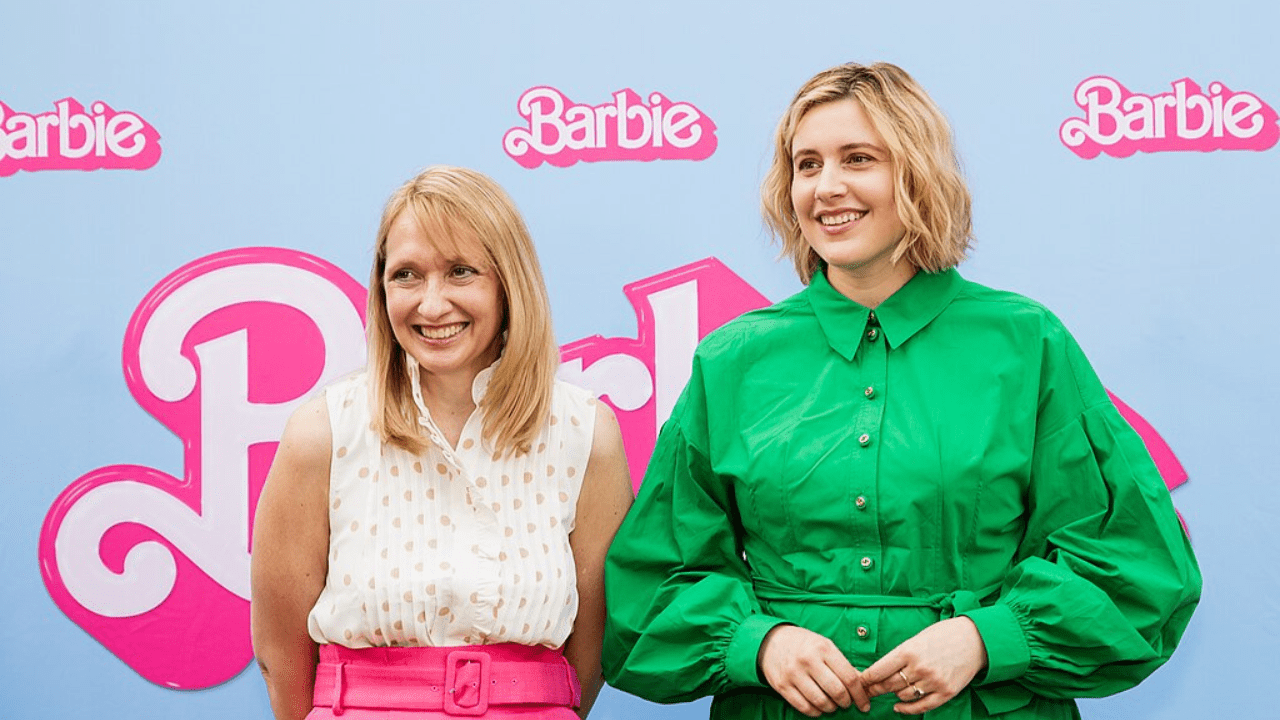
Director Greta Gerwig at the Barbie movie reception at the British Embassy in Washington, DC. Photo Credit: UKinUSA, CC BY-SA 2.0 <https://creativecommons.org/licenses/by-sa/2.0>, via Wikimedia Commons
Because when you purchase the rights to a beloved fictional universe, you aren’t automatically entitled to the affection audiences have for it. That loyalty was earned by the original creator through the characters, themes, and values that made the story meaningful in the first place. If you choose to disregard the very elements that inspired that devotion, you cannot reasonably expect audiences to extend the same loyalty to your interpretation.
And for every author watching this unfold, there is a particularly uncomfortable realization: the greatest threat to the meaning of your work may not be that people eventually forget it…it may be that they remember the version someone else created in its place.
UP NEXT: EA is Actively Developing Star Wars: Battlefront 3 Despite Bungie Rumors
