



Hollywood has spent years trying to figure out how to attract Generation Z to movie theaters, but Obsession star Inde Navarrette believes the entertainment industry is overlooking something remarkably simple: younger audiences want original stories, genuine human experiences, and movies that don’t feel like glorified advertisements.
Speaking on The Kyle Buchanan Show, the breakout actress criticized the increasingly commercialized nature of modern filmmaking, arguing that Gen Z audiences are tired of constantly being sold something when they simply want to enjoy a movie.
Her comments, reported by Variety, arrive as Hollywood continues struggling with the question of how to balance recognizable intellectual properties, corporate partnerships, and original storytelling.
And considering the extraordinary box office success of Obsession, Navarrette might be onto something.
Inde Navarrette Says Gen Z Wants Original Stories, Not Advertisements
During her conversation with Buchanan, Navarrette offered a surprisingly straightforward explanation for what younger moviegoers want from Hollywood.
“Gen Z just wants to go to something that they don’t feel like they’re being sold,” she explained. The actress specifically criticized the prevalence of advertising and product placement in modern entertainment, acknowledging that younger generations have grown up surrounded by commercial messaging. “Maybe we are tired constantly of having ads in movies or production placement and all of these things.”
Her argument wasn’t that advertising has no place in entertainment. Rather, she suggested that audiences have grown weary of entertainment that seems designed around commercial interests instead of compelling storytelling.
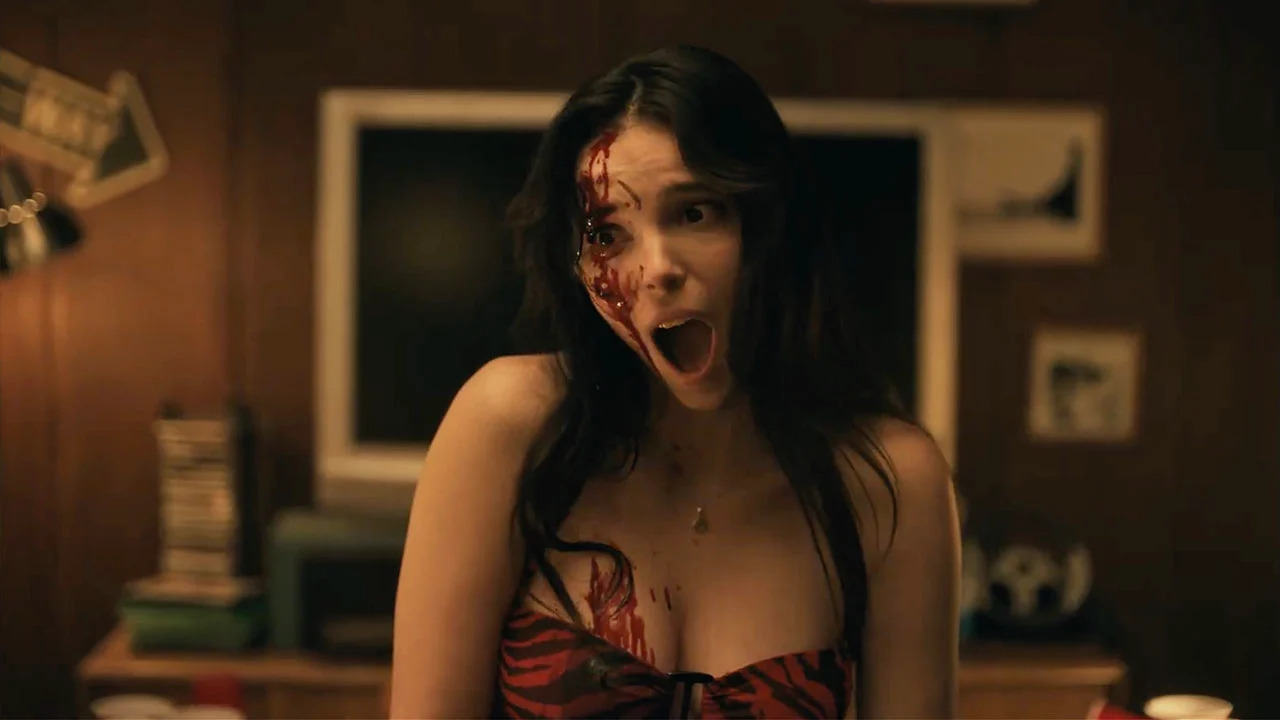
Inde Navarrette as Nikki in the Obsession trailer – YouTube @FocusFeatures
READ: Selena Gomez Says Vaping Nicotine Changed Her Voice, and She’s Quit
Navarrette even pointed out that memorable advertising campaigns can become part of popular culture, citing State Farm and Aflac commercials as examples.
But recognizing the entertainment value of a clever advertisement is fundamentally different from wanting every movie to feel like another sales pitch.
“We want original stories,” she declared.
That distinction should resonate with audiences who have watched Hollywood increasingly rely on established franchises, recognizable brands, and corporate synergy rather than taking chances on new ideas.
The Success of ‘Obsession’ Makes Her Argument Difficult to Ignore
Navarrette’s comments carry additional weight because of the staggering success of her own film.
Directed by Curry Barker and distributed by Focus Features, Obsession became one of 2026’s biggest box office surprises.
Produced for less than $1 million, the horror film reportedly generated approximately $522 million worldwide, according to Variety.
Even more remarkably, the movie experienced four consecutive weekends of increasing box office revenue, demonstrating the extraordinary power of positive word of mouth.
Those numbers are particularly striking when compared to Hollywood’s increasingly expensive blockbuster productions, which can require hundreds of millions of dollars in combined production and marketing expenditures.
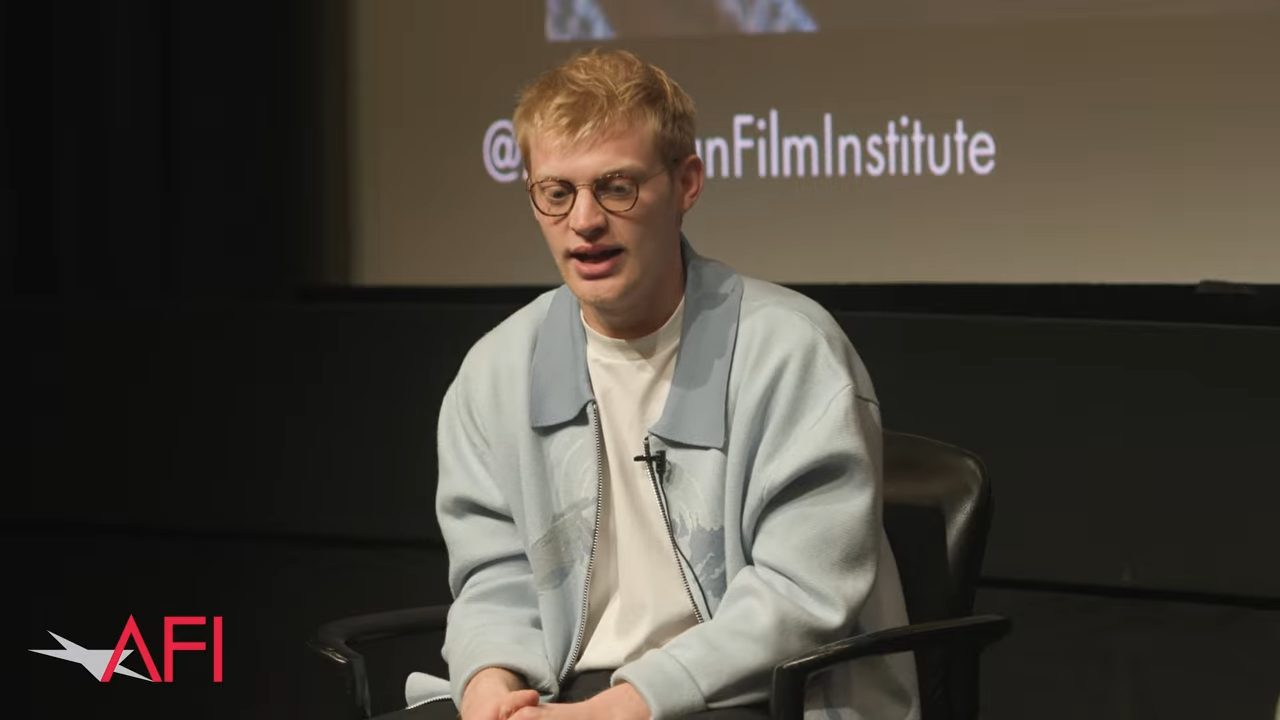
Curry Barker speaking to AFI Conservatory Fellows – American Film Institute, YouTube
Obsession didn’t need a decades-old franchise, an interconnected cinematic universe, or an enormous production budget to capture the attention of moviegoers.
It needed an intriguing premise, effective execution, and audiences willing to recommend it to their friends.
Of course, one successful original movie doesn’t prove that audiences have abandoned franchises. Popular intellectual properties continue to attract enormous audiences when studios deliver something people genuinely want to see, like Sony’s Spider-Man: Brand New Day.
But Obsession demonstrates that originality remains commercially viable, even in an industry that frequently treats established brands as the safest investment.
Gen Z Isn’t Abandoning Movie Theaters
Perhaps the most interesting aspect of Navarrette’s argument is that it challenges the prevailing assumption that younger generations simply aren’t interested in theatrical entertainment.
As Variety previously reported, a Fandango study found that 87% of Gen Z respondents had attended at least one theatrical movie screening during the previous year.
That compared to 82% of millennials, 70% of Generation X, and 58% of baby boomers.
The study also found that Gen Z and millennials averaged approximately seven theatrical visits annually, outpacing older generations.
Younger moviegoers were also particularly willing to spend money on concessions and premium theatrical experiences, including IMAX screenings.
READ: You Can Request Money From Ebenezer Scrooge This Christmas
These findings complicate the narrative that smartphones, streaming services, and social media have fundamentally destroyed younger generations’ interest in movies.
The audience is still there.
The challenge for Hollywood is convincing that audience that a particular movie deserves its time and money.
Navarrette believes the answer involves something more meaningful than another familiar brand.
“Just because we’re living in the time of technology doesn’t mean we’re not living a human life or feel human experiences,” she explained.
Her argument challenges the idea that younger audiences necessarily require constant stimulation, recognizable intellectual properties, or entertainment engineered around contemporary marketing trends.
They still want characters worth caring about and stories capable of producing genuine emotional reactions.
Hollywood’s Corporate Formula Faces Growing Scrutiny
Navarrette’s comments also raise a larger question about Hollywood’s creative priorities.
Major studios have increasingly organized their theatrical strategies around established intellectual properties, franchise extensions, remakes, and sequels.
There are understandable business reasons for that approach. Recognizable properties provide existing audiences, merchandising opportunities, and potentially valuable partnerships.
But those advantages can become liabilities when studios begin treating the underlying story as secondary to the brand itself.
A movie shouldn’t exist merely because a corporation owns the intellectual property or because executives believe another installment can generate additional merchandise and streaming subscriptions.
A movie theater at Disney Springs – Photo Credit: M. Montanaro
READ: Mall from Back To The Future to Become Data Center
And audiences shouldn’t feel as though they’re watching a two-hour advertisement for a company’s broader entertainment portfolio.
Importantly, Navarrette wasn’t specifically condemning franchise filmmaking or every form of corporate involvement. Her criticism focused on the experience of being marketed to and the desire for original storytelling.
Nevertheless, her remarks fit into a much broader conversation about whether Hollywood has become too dependent on commercially recognizable properties at the expense of creative risks.
There’s also an important distinction between a movie being commercially successful and a movie being creatively compromised by commercial considerations.
Audiences have no inherent objection to studios making money. They simply expect something worthwhile in exchange for the price of admission.
That expectation shouldn’t be controversial.
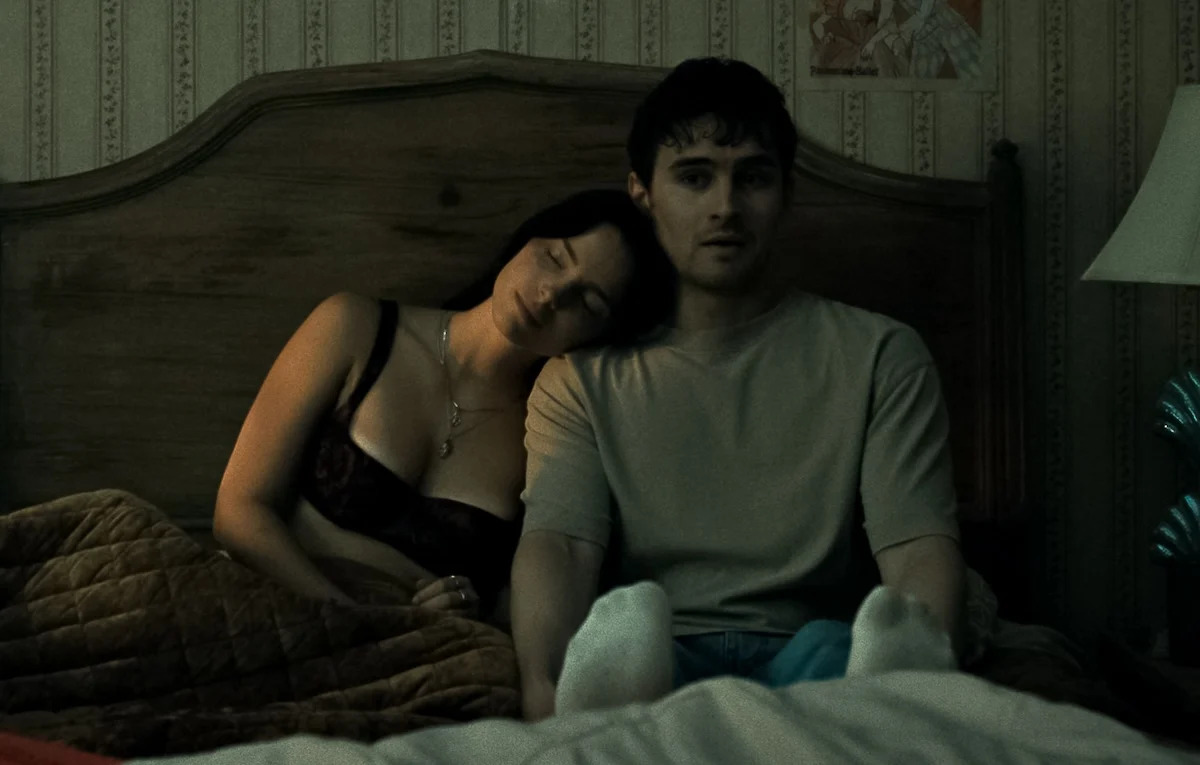
Inde Navarrette as Nikki and Michael Johnston as Baron Bailey in Obsession – Focus Features, Blumhouse Productions
And if Obsession proves anything, it’s that a relatively inexpensive original production can generate extraordinary returns when audiences connect with what filmmakers have created.
Navarrette expressed satisfaction that her film delivered precisely the kind of experience she believes younger audiences are seeking.
Her larger message was unmistakable: Growing up in a digital, advertising-saturated world hasn’t eliminated Gen Z’s appetite for authentic storytelling. Hollywood would be wise to recognize the difference between giving audiences something they want to watch and giving them something executives want to sell.
For an industry seemingly obsessed with finding the next marketable franchise, that might be the most valuable lesson of all.
How do you feel about Inde Navarrette and her comments about what Gen Z wants out of Hollywood? Sound off and let us know!
UP NEXT: Former BioWare Employees Leak Mass Effect 5 Trailer
