


Harry Potter showrunner Francesca Gardiner is defending Paapa Essiedu as debate over his casting as Severus Snape continues ahead of HBO’s adaptation.
Speaking to Vanity Fair, Gardiner condemned the abuse directed at the actor and insisted that his performance deserves audiences’ attention. Her remarks address the ugliest responses to the casting, though the broader controversy also includes questions about how closely the series will follow J.K. Rowling’s books.
The television format offers an opportunity to explore storylines and character development that the films had limited time to cover. For fans hoping for a more faithful adaptation, however, Essiedu’s casting raised concerns about how the production would approach one of the novels’ most vividly described characters.
Gardiner Defends Essiedu
In Vanity Fair’s November 10 profile of Essiedu, Gardiner offered an unequivocal defense of the actor.
“It’s appalling that anyone should be subjected to that kind of abuse in any circumstances,” writes Gardiner. “He has handled it with incredible grace, and I have nothing but the greatest respect for him…. Paapa has absolutely nailed the role, and it is that performance that deserves our attention.”

A screenshot of Professor Snape in HBO’s Harry Potter and the Philosopher’s Stone trailer – YouTube @hbomax
READ: Disney World Discounted Rates Start at $99 a Night, But Guests Can’t Cancel or Change
The profile discusses death threats Essiedu previously reported receiving. It also makes clear that he accepts good-faith criticism and recognizes fans’ attachment to the material. Gardiner’s condemnation addresses that abuse; it does not establish that she regards every objection to the casting as unacceptable.
In March, Essiedu discussed the threats he had received since accepting the role. He has also acknowledged the encouragement he has received from supporters.
Threatening an actor is indefensible. Questioning whether a casting choice serves a familiar character remains a legitimate part of discussing an adaptation. Treating those responses as interchangeable obscures the concerns of viewers whose objections center on the creative decision.
Fans Have Raised Questions About Fidelity
As That Park Place covered when the first trailer arrived, criticism of Essiedu’s Snape extended beyond his acting ability. Viewers questioned his resemblance to the character described in the novels, while others criticized the costume and overall presentation.
Supporters countered that finding the strongest performer should take priority. Alan Rickman’s enduring association with Snape also ensured that any successor would face considerable scrutiny.

Alan Rickman as Severus Snape in Harry Potter and The Deathly Hallows Part 2 – YouTube, MovieClips
READ: Animal Kingdom’s Tree of Life Garden Is Closed Indefinitely for Planned Tree Maintenance
These arguments reflect different expectations for the adaptation. For some readers, physical descriptions establish a character as surely as dialogue or behavior. For others, an actor’s ability to convey the character’s personality can outweigh a departure in appearance.
A longer running time gives HBO room to include more of the books. Whether its interpretation captures what readers value about them is a separate question—and one fans are entitled to debate.
The Performance Still Has to Convince Viewers
Gardiner’s confidence makes the production’s position clear. It does not, by itself, settle whether this version of Snape will work.
That judgment will depend on the finished series: the writing, Essiedu’s delivery, his relationships with the other characters, and how convincingly the adaptation handles Snape’s contradictions. His intimidating presence, cruelty, secrecy, and conflicting loyalties all require more than a recognizable appearance.
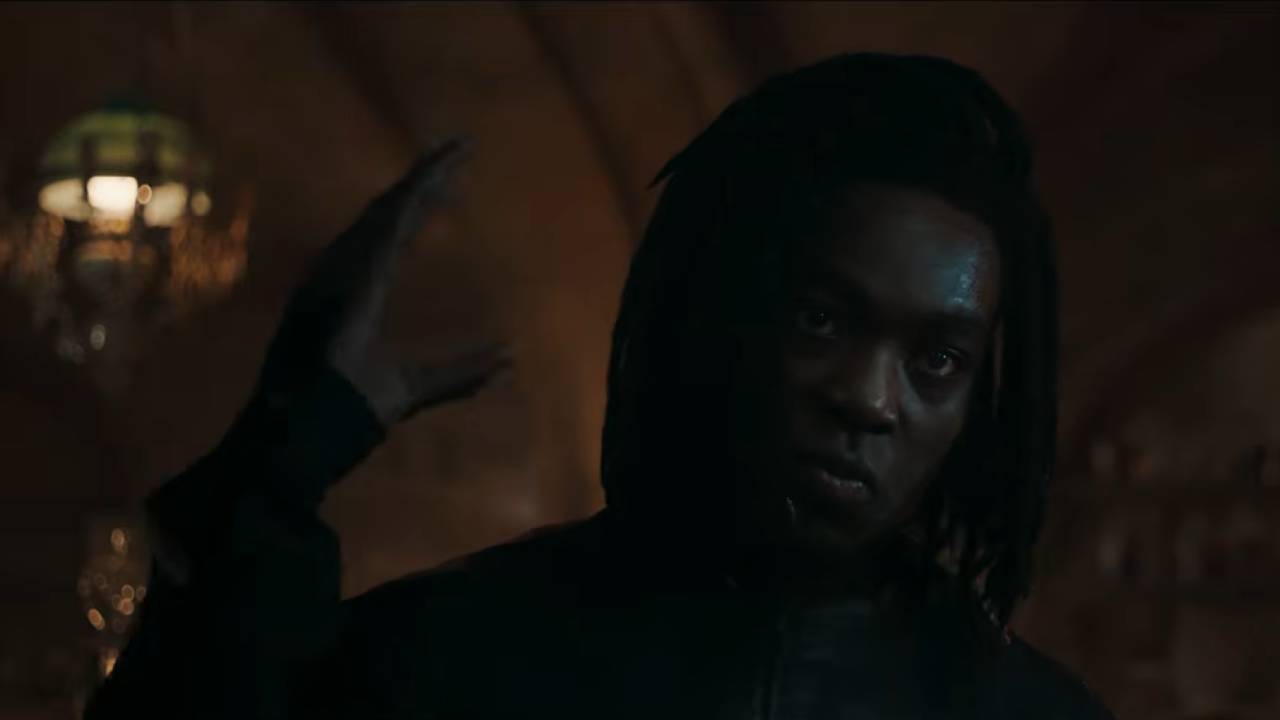
Snape in the Harry Potter television series – HBO Max
READ: Nintendo Is Hiring a Digital Archivist to Organize Records of Its Older Hardware and Software
A strong performance could win over some skeptical viewers. Others may appreciate Essiedu’s acting while continuing to regard the visual departure as unnecessary. Praising one element does not require accepting every creative choice surrounding it.
The production has every reason to support its actor against abuse. Earning the broader audience’s confidence will require the series to make a persuasive case for its interpretation of Snape. Ultimately, that case will be made on screen.
How do you feel about the casting of Black Snape? Sound off and let us know!
UP NEXT: Mike Baron Defies Cancel Culture With Veterans Day Launch of Private American II
