


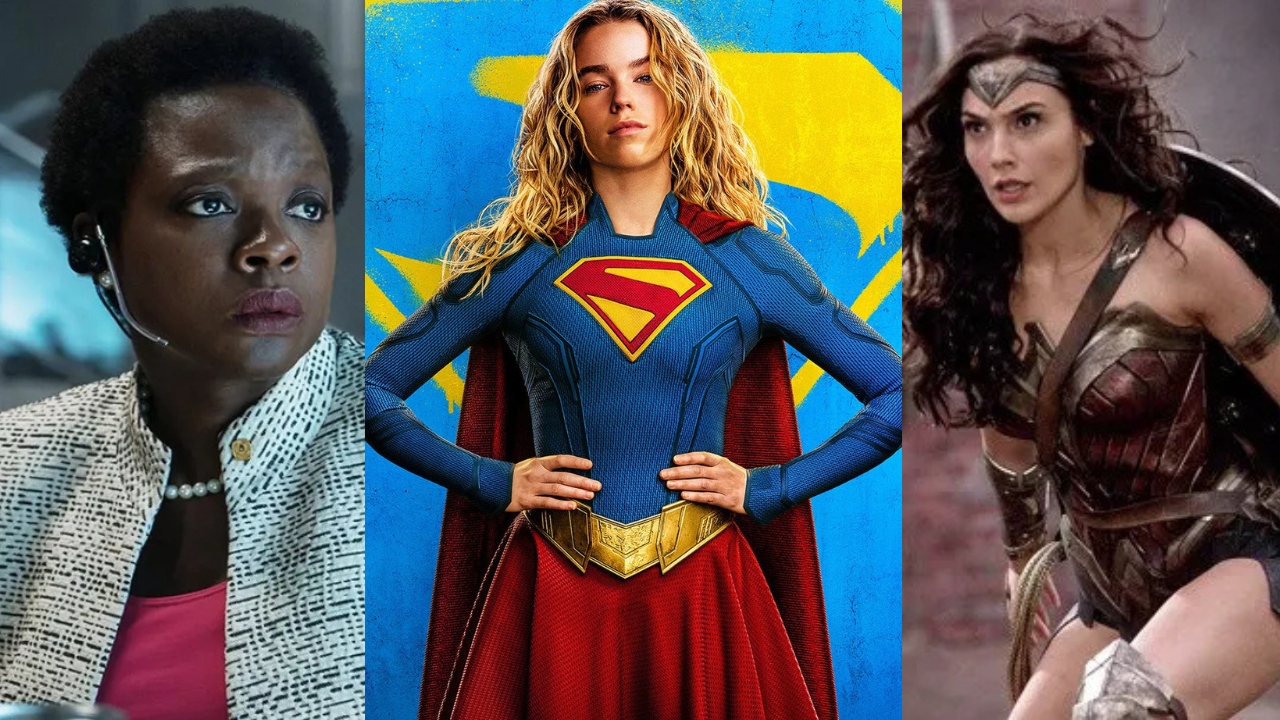
DC Studios appears to be dramatically reassessing its female-led television slate following the disastrous theatrical performance of Supergirl, with a new report claiming that two previously announced female projects are dead while HBO and DC passed on pitches for two more.
According to a new report from The Ankler, the long-gestating Waller and Paradise Lost television series are both dead at DC Studios. At the same time, pitches for separate shows centered around iconic Batman characters Catwoman and Poison Ivy were reportedly heard by DC and HBO — and rejected.
‘CATWOMAN’ and ‘POISON IVY’ TV shows were recently pitched to DC & HBO but they passed on both.
(Source: https://t.co/kge7IbdkI1) pic.twitter.com/rtk4ed6PT5
— DiscussingFilm (@DiscussingFilm) August 12, 2026
That makes four female-led DC television projects that have either been killed or passed over as Warner Bros. Discovery and DC Studios move forward following Supergirl’s catastrophic box office performance.
While there’s currently no evidence establishing that Supergirl’s failure directly caused any of these decisions, the timing raises an obvious question about whether Warner Bros., HBO, and DC Studios are reevaluating the commercial viability of female-led standalone projects.
Waller And Paradise Lost Are Reportedly Dead
Two of the projects were not merely speculative pitches.
Both Waller and Paradise Lost were part of the DC Universe slate unveiled by DC Studios co-CEOs James Gunn and Peter Safran in January 2023.
Waller was intended to bring Viola Davis back as Amanda Waller following her appearances in the previous DC Extended Universe and Peacemaker. The project was initially positioned as one of the earliest television entries in Gunn and Safran’s new interconnected universe.
It never materialized. The Ankler now reports that Waller is dead at DC.
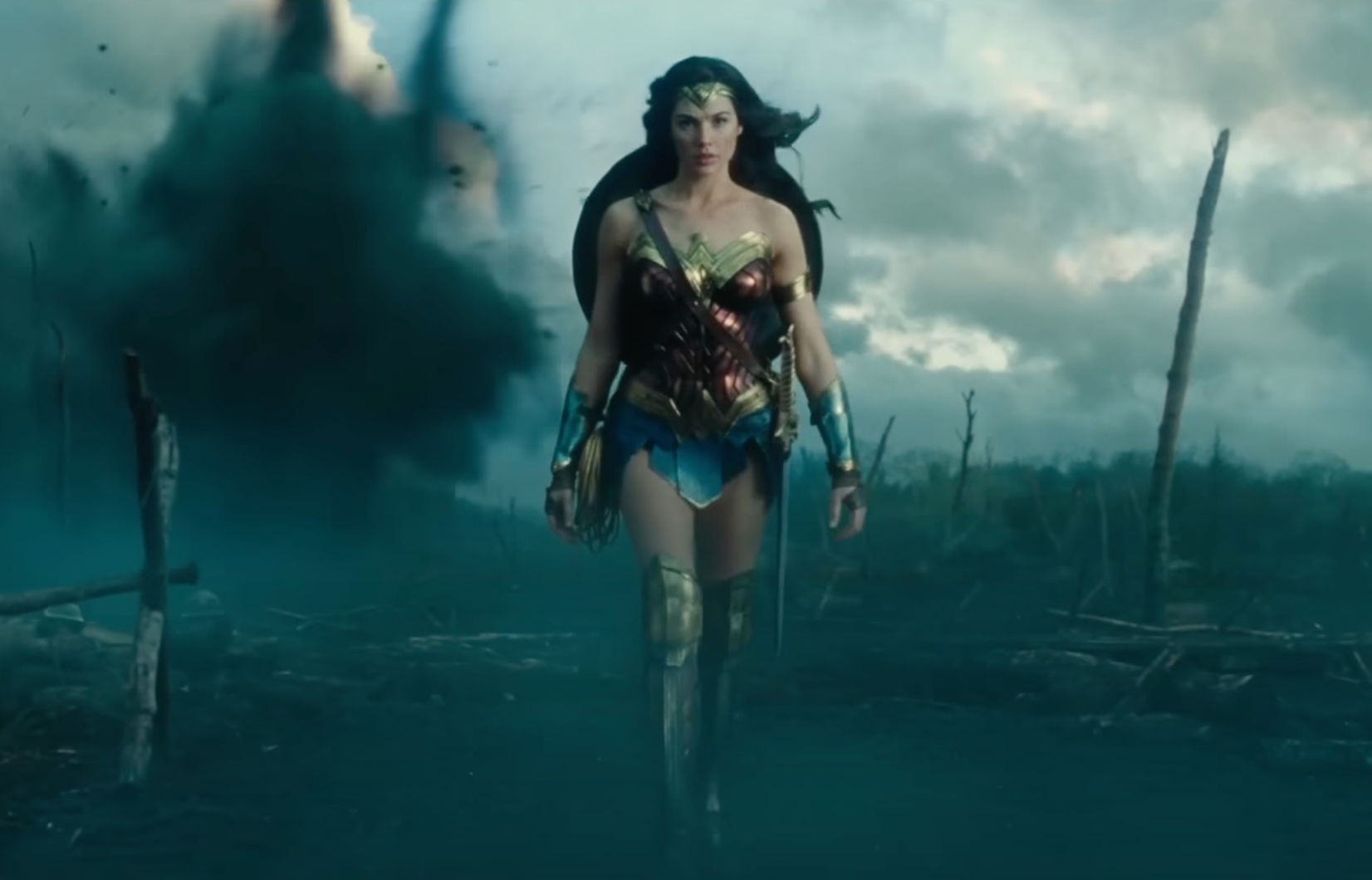
Wonder Woman crosses the No Man’s Land in Wonder Woman – YouTube, Movieclips
Paradise Lost has reportedly suffered the same fate.
The series was conceived as a prequel set on Themyscira before the birth of Wonder Woman, focusing on the Amazons and the political power struggles of the female society. Gunn famously compared the concept to Game of Thrones when announcing the series.
Despite years of development, The Ankler now reports that Paradise Lost is also dead.
Entertainment Weekly offered slightly softer language, reporting that neither project is currently in active development at HBO and that neither is a priority for the network.
Either way, two female-led television series that Gunn and Safran publicly included in their original vision for the DCU are no longer moving forward at HBO.
DC And HBO Pass On Catwoman And Poison Ivy
The situation becomes considerably more interesting when looking at what else DC and HBO have recently rejected.
The Ankler also reports that pitches were made for television series centered around Catwoman and Poison Ivy.
DC and HBO passed on both.
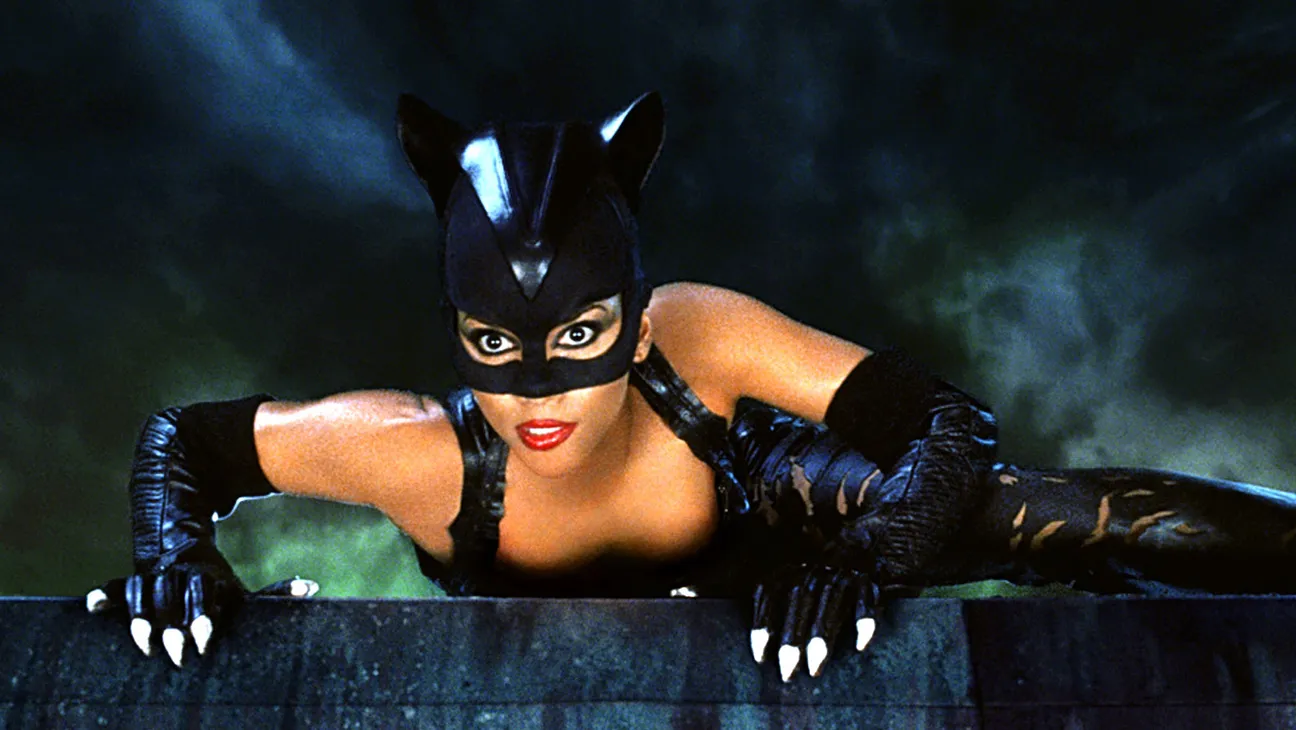
Halle Berry as Catwoman – DC
Unlike Waller and Paradise Lost, these were pitches rather than projects DC Studios had officially announced. There is also no information currently available about the creative direction of either proposed series, meaning it is entirely possible DC and HBO simply disliked the individual pitches.
Nevertheless, the characters themselves are hardly obscure.
Catwoman is one of the most recognizable female characters in the entire DC catalog and has been a major component of the Batman franchise for decades.
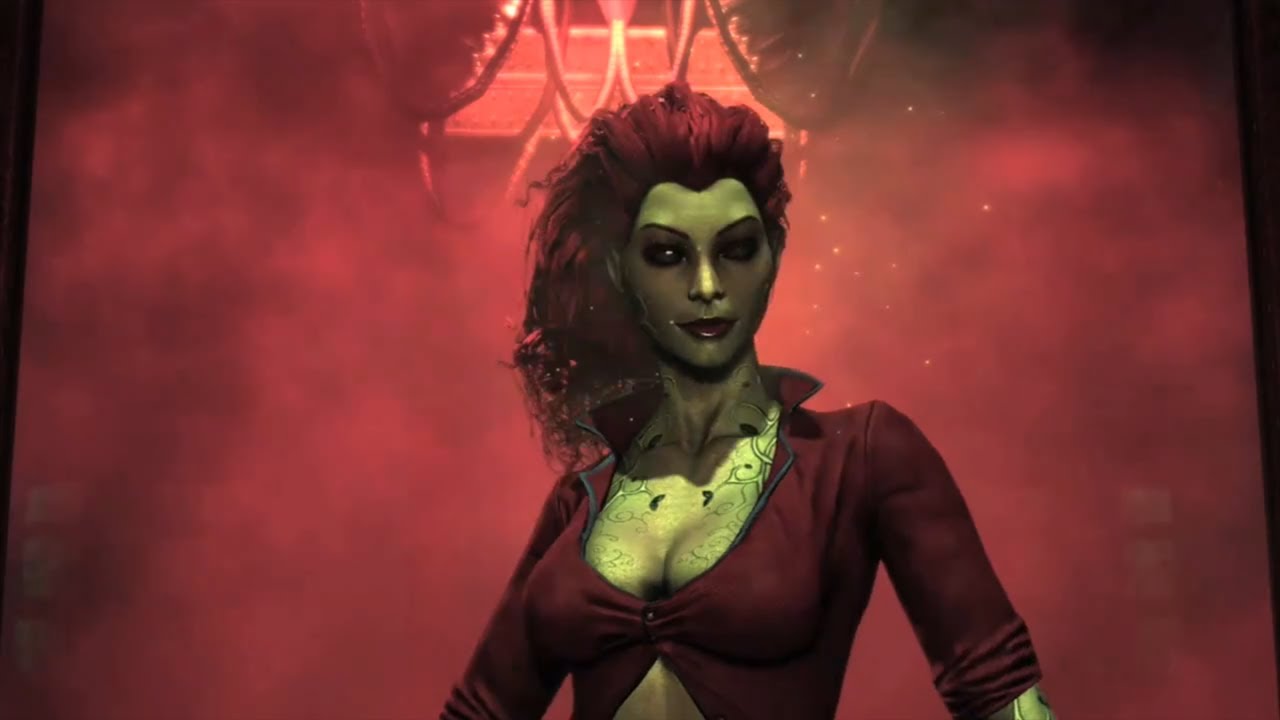
Poison Ivy in Arkham Asylum – Rocksteady
Poison Ivy is similarly one of Batman’s most recognizable villains and has enjoyed increased prominence across comics, animation, video games, and television.
Yet neither character’s proposed series received a green light. That means that within the same report, four prospective female-led DC shows have met essentially the same fate: they aren’t moving forward.
This Comes After Supergirl’s Historic Failure
And then there is the elephant in the room.
Supergirl just delivered one of the most disastrous theatrical performances in DC history.
The Milly Alcock-led film reportedly carried a production budget of approximately $170 million but finished its worldwide theatrical run with only around $126 million.
It’s estimated that the film could ultimately lose approximately $200 million for Warner Bros. That is not merely an underperformance, it’s a catastrophic financial result for what was supposed to be one of the foundational feature films of Gunn and Safran’s new DC Universe.
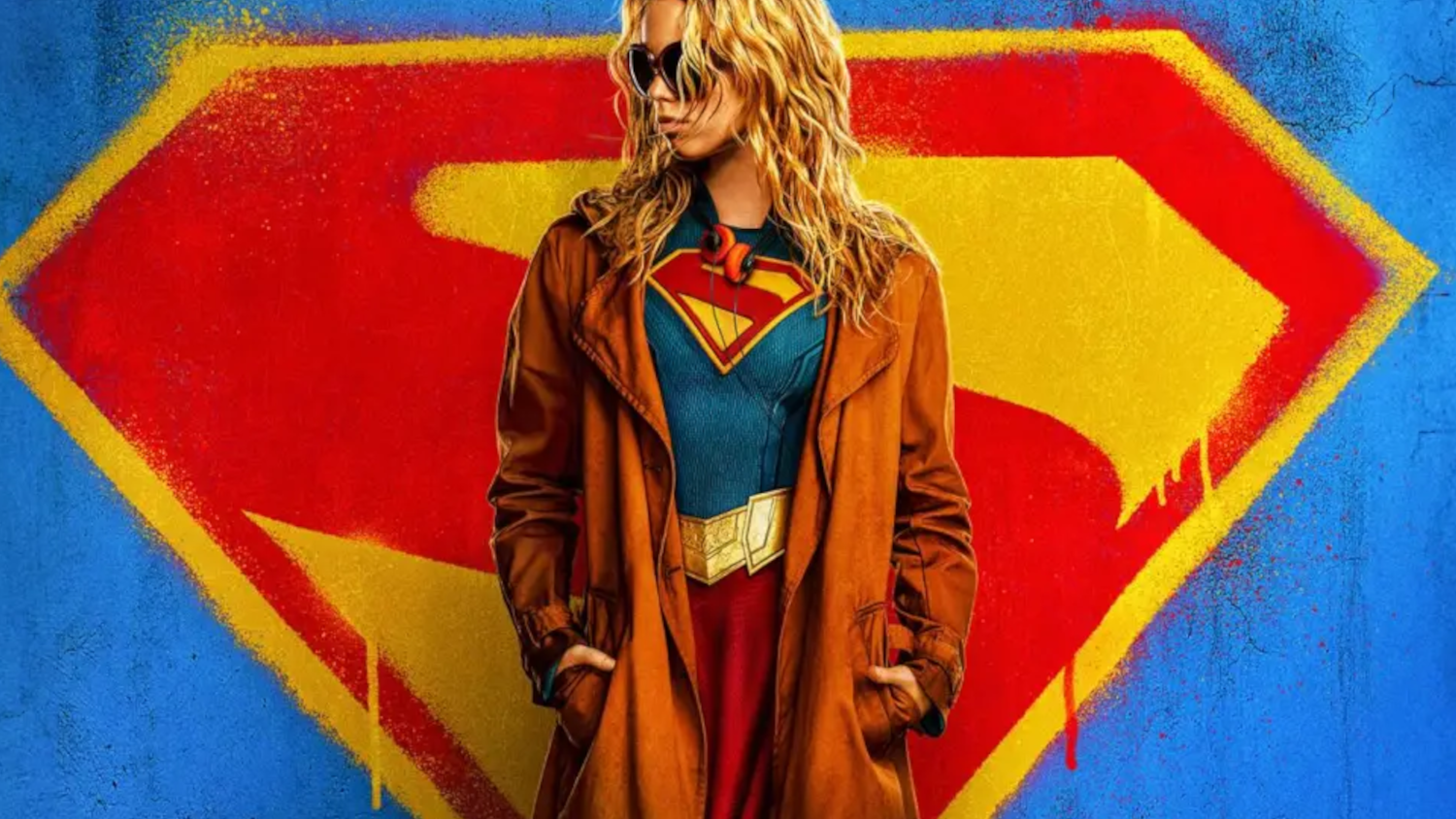
The poster for Supergirl – DC
And now, shortly after that failure, news has arrived that four separate female-led television projects are either dead or have been rejected.
There is currently no reporting establishing a direct causal relationship between Supergirl’s box office collapse and these television decisions. It would therefore be inaccurate to claim that Warner Bros. killed the projects specifically because Supergirl bombed.
But the pattern is difficult to ignore. At some point, the question has to be asked whether Warner Bros. and DC Studios are looking at the numbers and changing their strategy.
Meanwhile, Other DC Projects Continue Moving Forward
That question becomes even more pronounced when looking at projects that remain alive.
Lanterns, centered on Hal Jordan and John Stewart, is preparing to premiere on HBO. Booster Gold reportedly remains in development despite searching for a new writer.
Perhaps most remarkably, a television project centered around Jimmy Olsen, the Daily Planet, and Gorilla Grodd is currently filming.
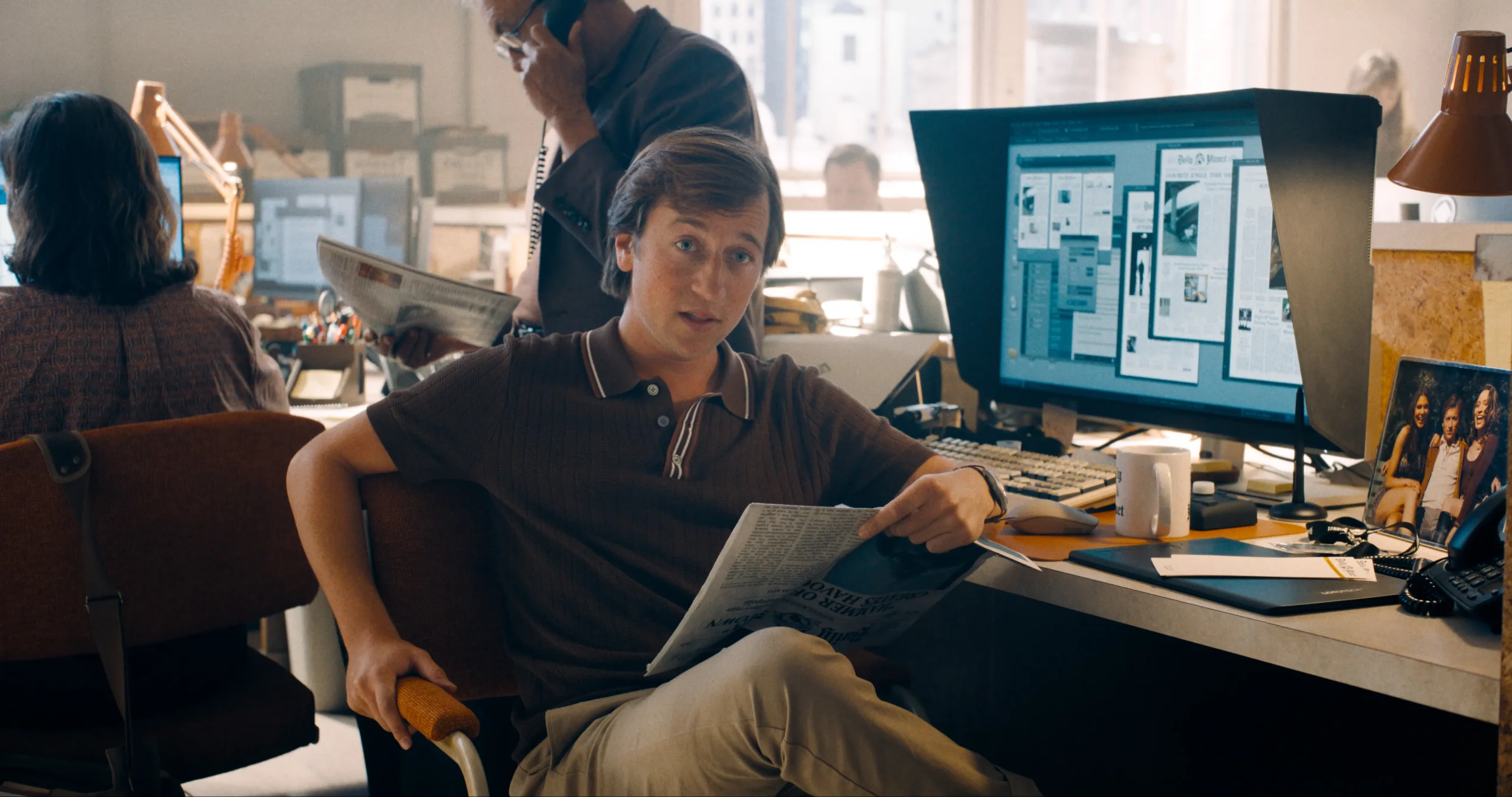
Jimmy Olsen in Superman – Warner Bros.
READ: Eman Esfandi Debunks Spider-Man Rumor About Him Playing Fan-Hated Character
That means HBO and DC reportedly heard pitches for television shows starring Catwoman and Poison Ivy and passed on them while a Jimmy Olsen series is actually being produced.
Again, the quality of those individual pitches could explain everything. A famous character does not automatically make a good television show, and DC Studios shouldn’t greenlight a bad project simply because the character involved is popular.
But taken together, these decisions paint a fascinating picture of a DC television strategy undergoing significant changes.
Did Supergirl Change The Calculation?
Hollywood studios respond to financial results.
For years, entertainment companies increasingly emphasized female-led reimaginings, spinoffs, and franchise extensions, frequently presenting them as a way of expanding their audiences.
But eventually, those projects still have to make money.
Supergirl provided Warner Bros. with a brutal real-world test of whether audiences would show up for a female-led DC blockbuster built around a recognizable superhero property.
They didn’t.

A screen capture from the Supergirl trailer – YouTube @dcofficial
Now, four female-led DC television projects have either died or failed to get beyond the pitching stage.
That doesn’t prove Supergirl killed them, but it certainly makes the timing worth examining.
The larger question may be whether Warner Bros. and DC Studios are beginning to move away from building projects around demographic considerations and toward a much simpler calculation: Which characters and concepts does the company believe audiences will actually pay to see?
If that’s what’s happening, Supergirl’s box office collapse may ultimately prove far more consequential to the future of the DC Universe than simply losing Warner Bros. another $200 million.
Do you think WB canceled four female-led DC shows over Supergirl? Sound off and let us know!
