


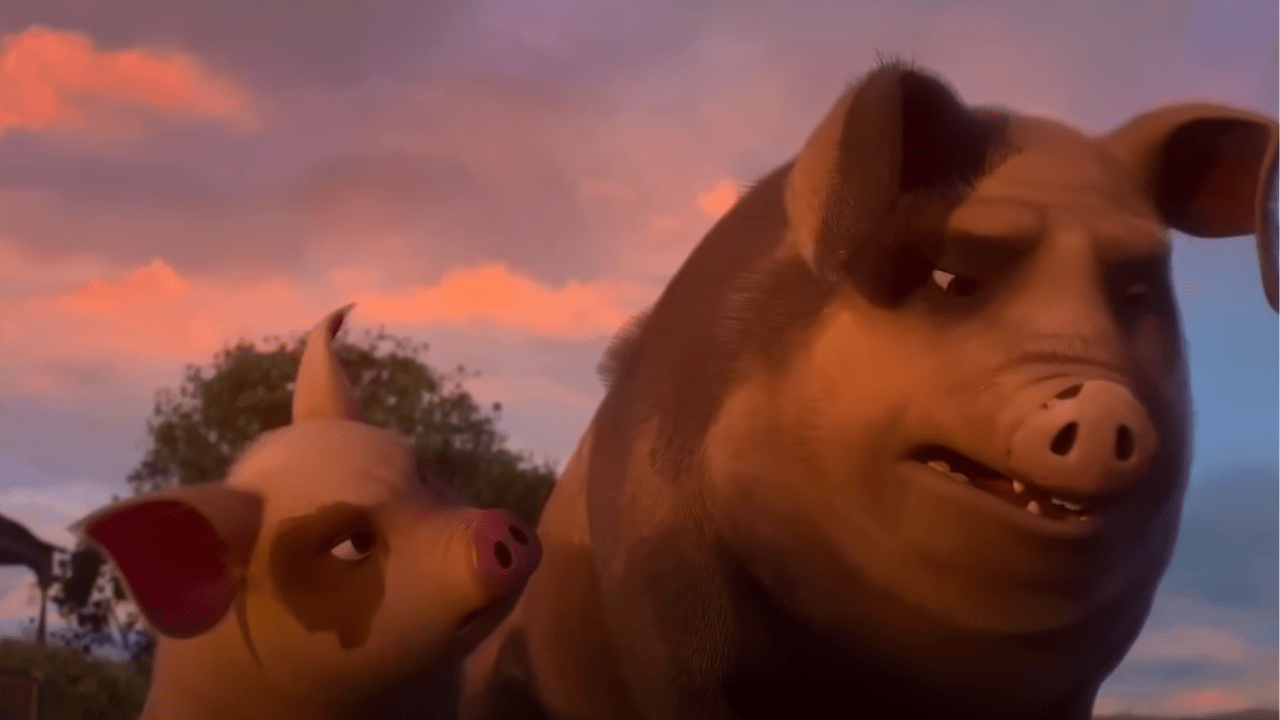
A new animated adaptation of George Orwell’s Animal Farm is drawing fierce backlash after it was revealed the film shifts the story’s core message away from communism and toward a critique of capitalism. The controversy has ignited a broader debate over Hollywood’s growing habit of rewriting classic literature to fit modern ideological preferences rather than honoring original intent.
The film, directed by Andy Serkis, takes Orwell’s famously bleak political allegory and reshapes it into a family-friendly animated feature complete with slapstick humor, futuristic elements, and — most controversially — a hopeful ending. For many readers and longtime fans of the novel, that change represents more than creative license. It represents a fundamental misunderstanding of what Animal Farm was written to warn against in the first place.
Orwell’s Original Message Was Never Subtle
First published in 1945, Animal Farm was Orwell’s scathing allegory of the Russian Revolution and the rise of Soviet totalitarianism. The animals overthrow their human owner in the name of equality, only to watch the pigs become even more oppressive than the humans they replaced.
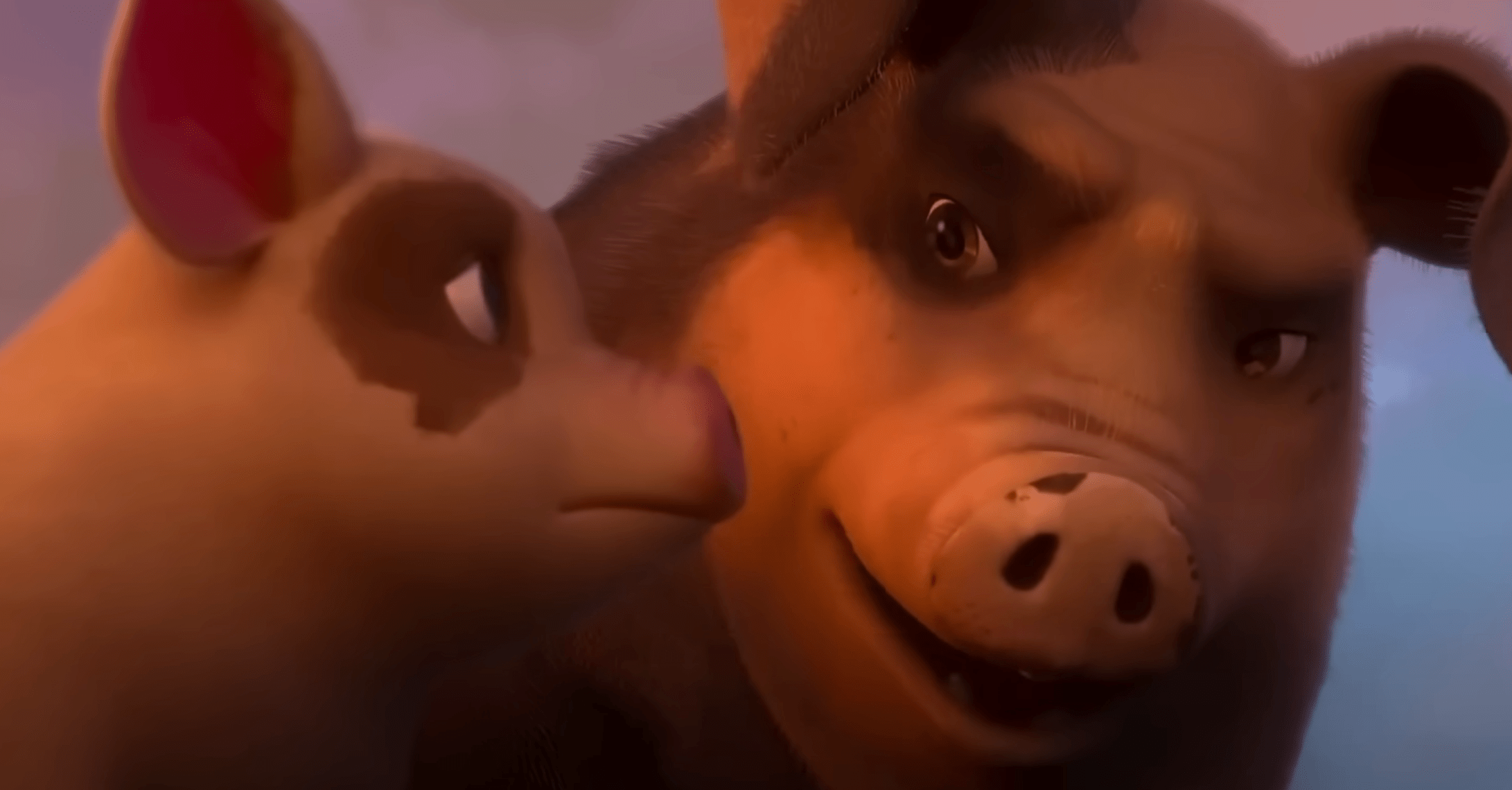
A clip from Andy Serkis’s Animal Farm – YouTube, JoBlo Animated Videos
The story was not ambiguous. Orwell was critiquing how revolutionary movements rooted in collectivist ideology inevitably collapse into corruption, propaganda, and authoritarian control. The pigs were not misunderstood heroes. They were the point.
That clarity is precisely what critics argue has been lost in this new adaptation.
Turning Capitalism Into the Villain
Rather than focusing on the pigs’ abuse of power, the new film reframes the central conflict around capitalism itself. The animals are now depicted fighting to save their farm from corporate exploitation, represented by a new human antagonist named Freda.
Freda is portrayed as a greedy businesswoman attempting to seize control of the farm for profit. The character is voiced by Glenn Close and is explicitly positioned as the story’s true villain, replacing the original novel’s focus on internal tyranny.
This shift has not gone unnoticed. Viewers reacting to the trailer online have pointed out that the story now appears to suggest communism “works” — at least until capitalism interferes. For many, that reversal turns Orwell’s warning on its head.
A “Happy Ending” That Undercuts the Warning
Adding to the controversy is the film’s optimistic conclusion. In Orwell’s novel, the animals ultimately fail. The pigs become indistinguishable from the humans, and the revolution is revealed as a tragic cycle of power and betrayal.
In contrast, the new adaptation ends with the animals overthrowing the pigs and planning a brighter future together.
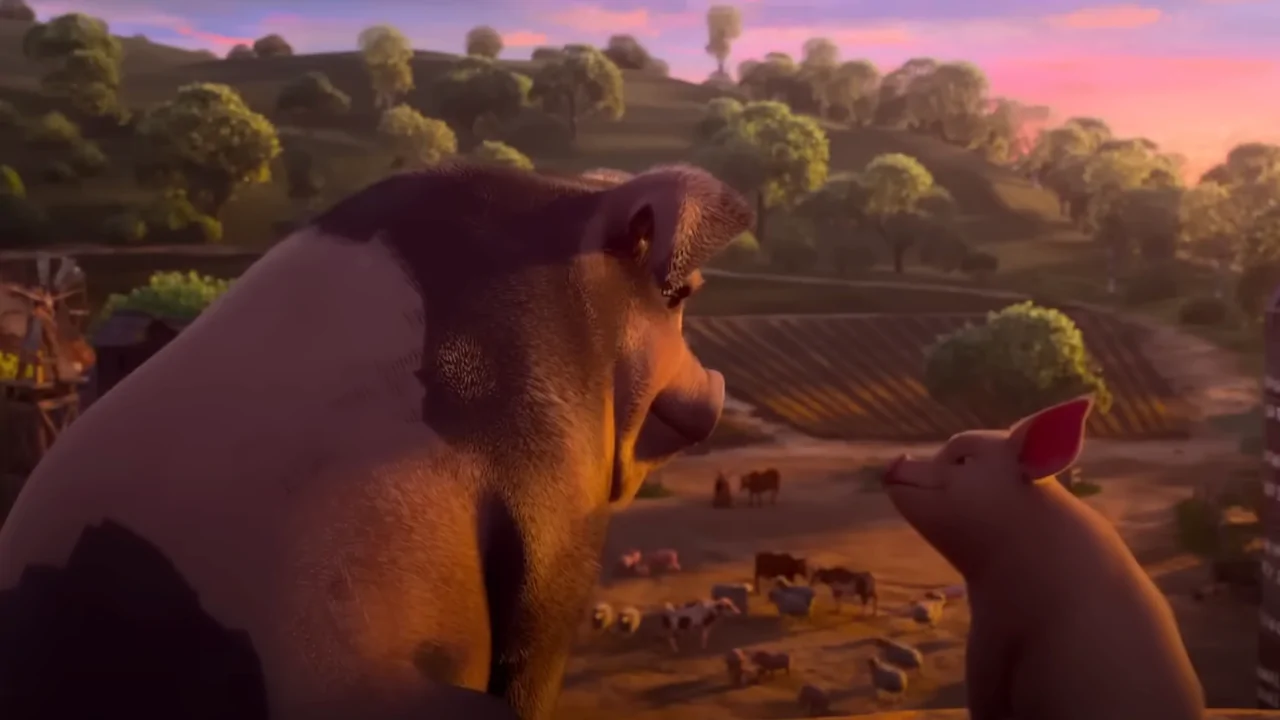
A clip from Andy Serkis’s Animal Farm – YouTube, JoBlo Animated Videos
Andy Serkis addressed this change while speaking at the Annecy International Animation Film Festival, explaining: “We wanted some hope.”
Serkis also framed the adaptation as timely, stating: “Orwell’s Animal Farm has never felt more relevant. In an age where power, propaganda, and inequality shape our societies, it’s vital that we remember his cautionary tale.”
Critics argue that by offering hope where Orwell deliberately provided none, the film neutralizes the novel’s central lesson — that power, once seized, is rarely surrendered voluntarily.
Hollywood’s Familiar Pattern With Classic Works
The backlash surrounding Animal Farm and capitalism fits neatly into a broader pattern. Over the past decade, Hollywood has repeatedly reinterpreted classic stories through a modern ideological lens, often simplifying complex political critiques into safe, crowd-pleasing morality tales.
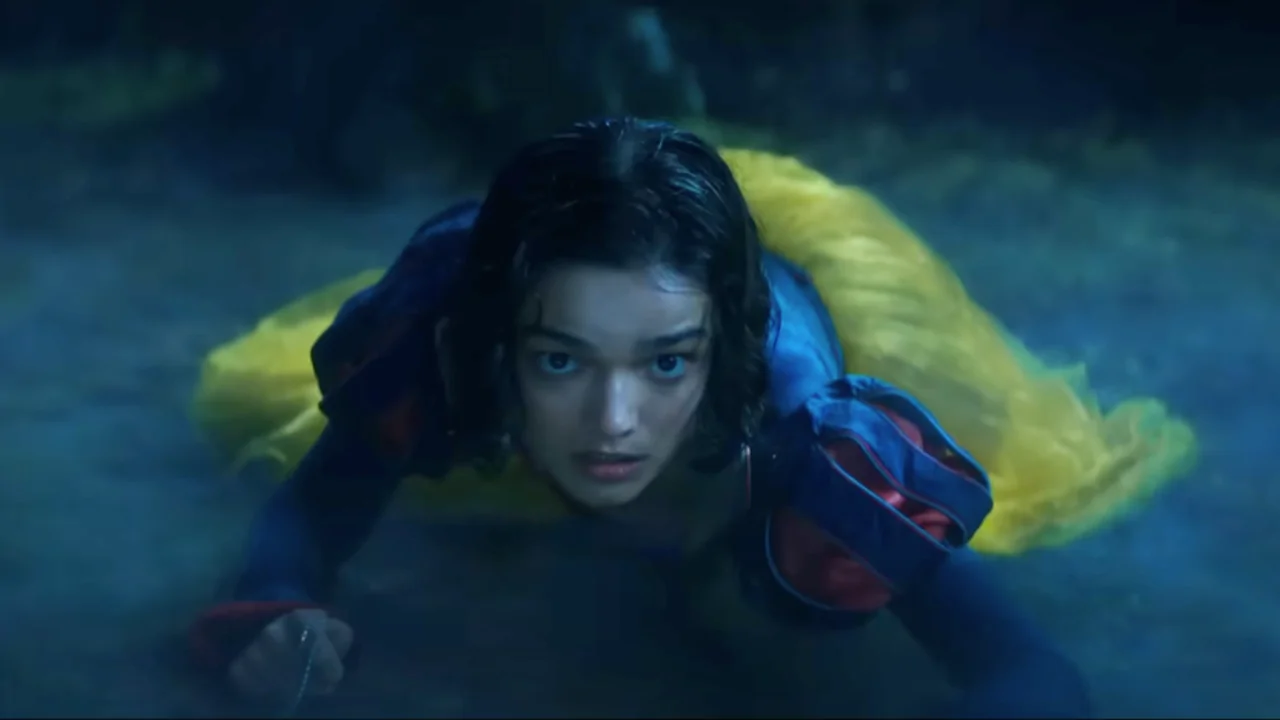
Rachel Zegler as Snow White in Snow White (2025), Walt Disney Studios
In this case, the film’s tone leans heavily toward comedy, featuring jokes, slapstick humor, and futuristic visuals like drones and luxury vehicles. For fans of Orwell’s dense political satire, the result feels less like an adaptation and more like dilution.
One online critic summarized the frustration bluntly, describing the film as a “goofy kids movie” built from a novel about oppression, propaganda, and historical tragedy.
Why the Reaction Matters
The outrage is not just about nostalgia or purism. Orwell’s work endures precisely because it forces readers to confront uncomfortable truths about power, ideology, and human nature. By redirecting blame toward capitalism and softening the consequences, critics argue the adaptation risks teaching the opposite lesson.
For many viewers, Animal Farm is not meant to reassure. It’s meant to disturb.
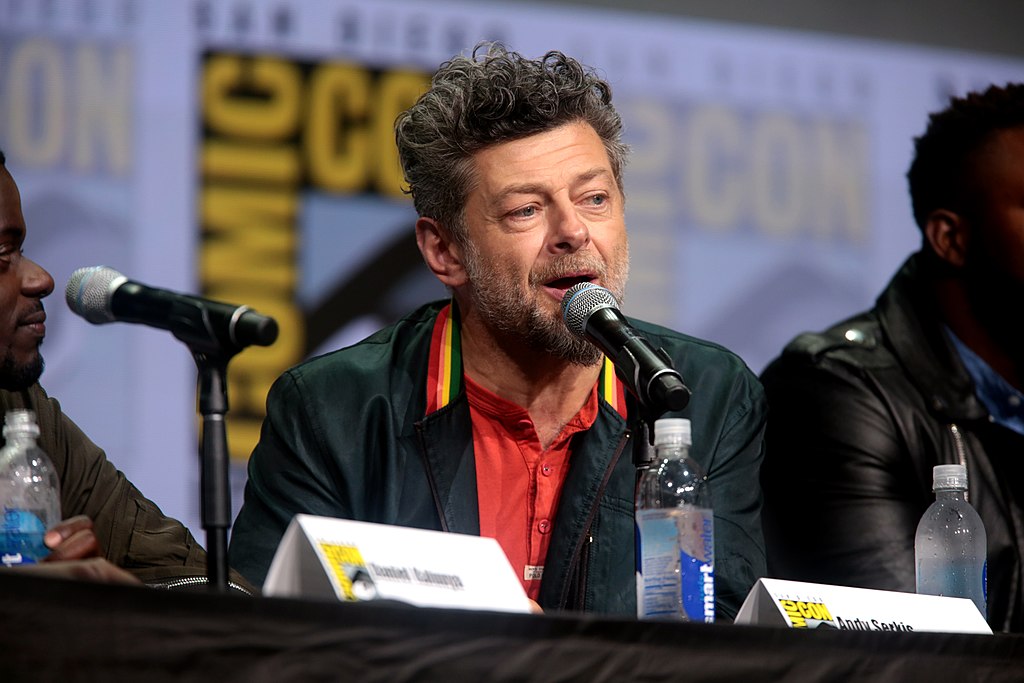
Andy Serkis speaking at the 2017 San Diego Comic Con International, for “Black Panther”, at the San Diego Convention Center in San Diego, California. Photo Credit: Gage Skidmore from Peoria, AZ, United States of America, CC BY-SA 2.0 <https://creativecommons.org/licenses/by-sa/2.0>, via Wikimedia Commons
The animated film is currently scheduled for theatrical release in May 2026. Whether audiences embrace this reinterpretation or reject it outright remains to be seen.
This Animal Farm adaptation is about far more than a cartoon farm — it’s about who gets to decide what classic stories are allowed to mean.
How do you feel about Animal Farm being reframed to attack capitalism? Sound off in the comments and let us know!
