


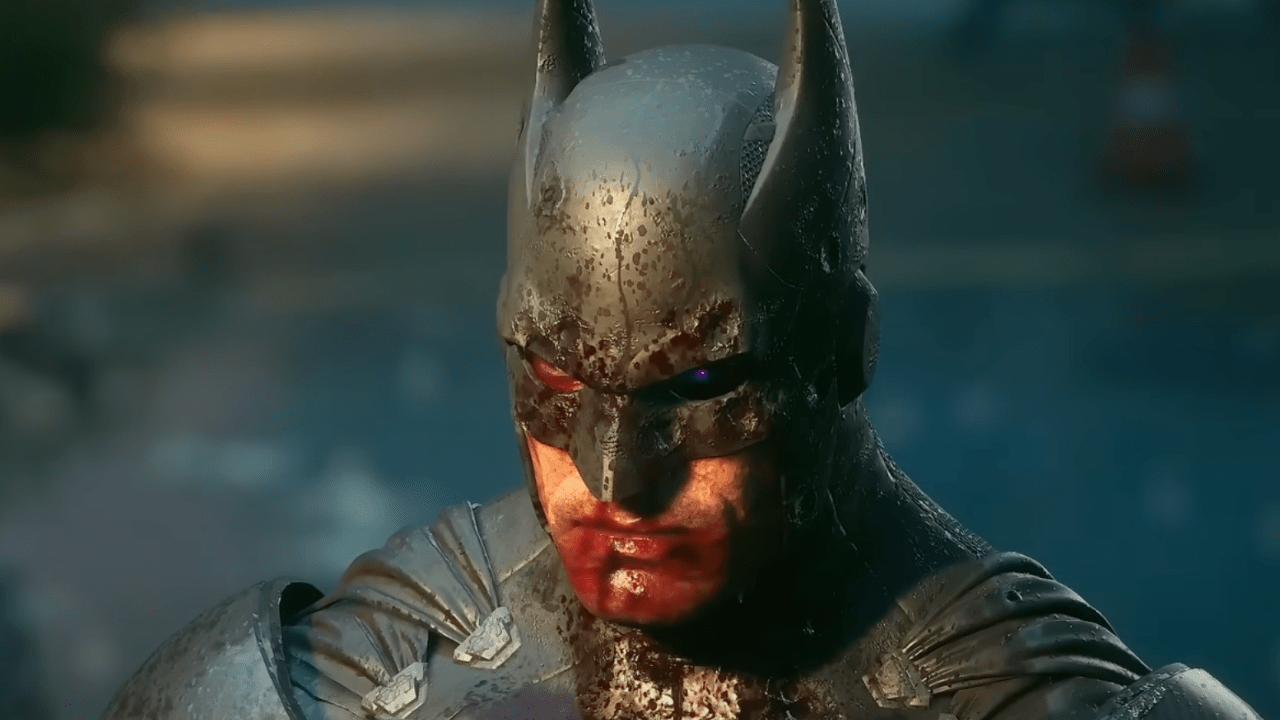
After a tumultuous year defined by criticism, financial losses, and plummeting reputation, Rocksteady’s Suicide Squad: Kill the Justice League has concluded its disastrous live-service run. The final twist? Those beloved Justice League heroes, including Kevin Conroy’s iconic Arkham Batman, weren’t actually killed—they were clones.
For fans, the reaction isn’t shock or relief; it’s frustration. The damage is done, and this attempt at retconning the narrative only highlights Rocksteady’s failure to respect the legacy of their characters and the expectations of its audience when it threw in with narrative design firm Sweet Baby Inc.
Batman was a clone…they were *all* clones.
They walked it all back with the last update. Suicide Squad: Kill the Justice League.pic.twitter.com/AY5kTy50i6
— Grummz (@Grummz) January 15, 2025
From the outset, Suicide Squad: Kill the Justice League was controversial. The game dared to depict Harley Quinn shooting the Arkham-verse Batman—portrayed by the late Kevin Conroy—point-blank. It wasn’t just a jarring narrative choice; it felt like an insult to the character and the franchise. Rocksteady, once celebrated for its handling of the Batman mythos, turned its back on what made their Arkham series beloved, replacing tight storytelling with shallow spectacle and live-service tropes.
Fans hoped the multiverse introduced post-launch might be a way to salvage these characters, but the execution fell flat. Instead of a meaningful narrative arc, the updates felt like disjointed add-ons aimed at milking whatever audience remained with an effeminite Joker and a gender swapped Mrs. Freeze who looked like a high school gym teacher.

Mrs. Freeze in Pride Outfit Pack in Suicide Squad: Kill The Justice League (2024), Rocksteady
The game’s final cutscene—if you can call the illustrated panels a cutscene—reveals that the Justice League members killed by the Squad were actually clones, a plot hatched by Batman to trick Brainiac. This revelation, delivered nearly a year after the game’s launch, reeks of desperation. It’s as if Rocksteady is trying to say, “Just kidding! Don’t be mad!” But fans aren’t laughing.
This twist doesn’t erase the original campaign’s failures or the blatant disregard for fan expectations. It’s too little, too late. Worse, Wonder Woman’s death in the campaign wasn’t a clone—it was her, confirming that even this retcon couldn’t undo all the damage.

Suicide Squad: Kill the Justice League Sweet Baby Inc. credits
READ: Universal Makes Big Move Amid Diamond Comics Bankruptcy Filing to Secure Key Assets
Adding insult to injury, the “cutscene” itself wasn’t even fully animated. Rocksteady, hamstrung by layoffs and dwindling resources, settled for comic book-inspired illustrations. This half-hearted approach underscores the steep decline of a developer once hailed as the gold standard for superhero games. The same studio that gave us the cinematic brilliance of the Arkham series now limps to the finish line with a game that’s cost Warner Bros. an estimated $200 million.
While the offline mode remains for those few players still invested, the grand narrative they tried to craft feels hollow. Season 4’s meager additions, including medieval Elseworld maps and weapons, are like putting a band-aid on a sinking ship.
This isn’t just a story of a failed game. It’s a cautionary tale about what happens when a studio prioritizes trends over quality. Contracting Sweet Baby Inc, known for injecting divisive creative decisions, only exacerbated the disconnection between the developers and its audience. Fans didn’t want a disrespectful deconstruction of their favorite heroes—they wanted the same care and respect shown in previous titles.
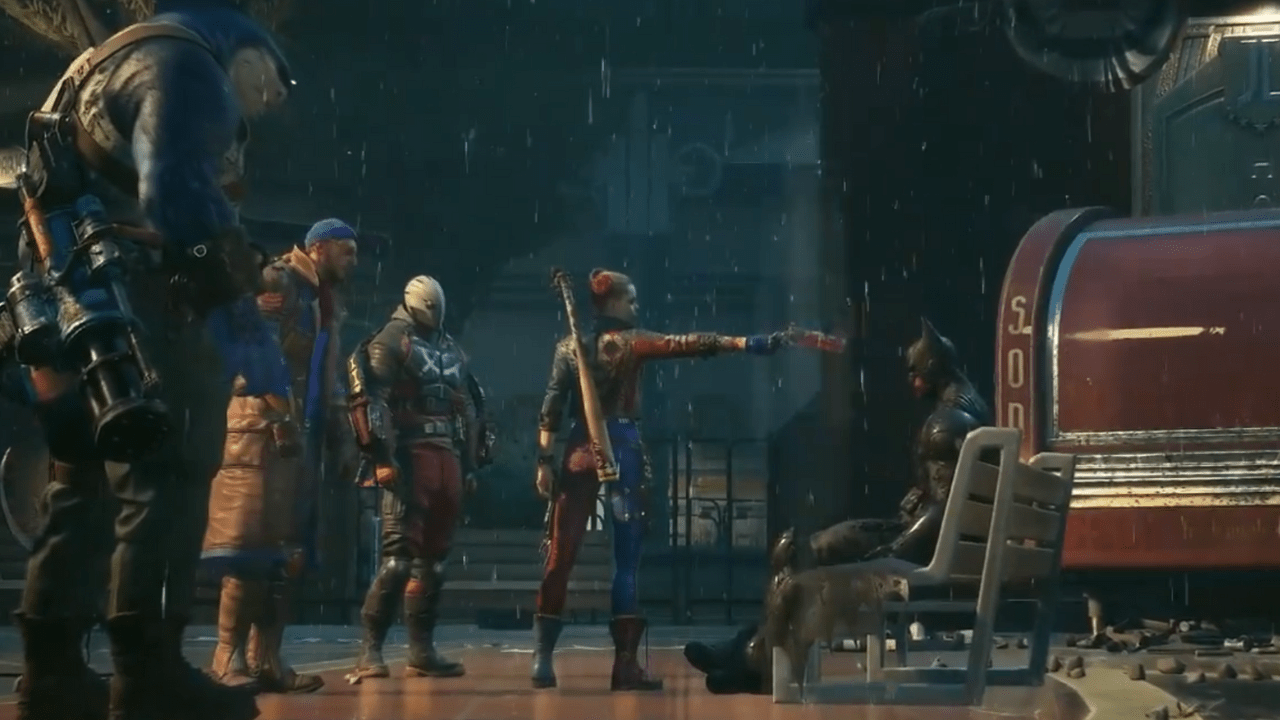
Harley Quinn about to execute Batman in Suicide Squad: Kill the Justice League (2024), Rocksteady
Now, Rocksteady’s legacy is in tatters. Its once-pristine reputation is overshadowed by this mess of a game. Even worse, it squandered the chance to honor one of Kevin Conroy’s final performances as Batman, leaving fans with a bitter taste instead of a fitting tribute.
In the end, this attempt at rewriting the narrative comes off as hollow as the game itself. Rocksteady may think they’ve “fixed” things, but for the fans who endured this train wreck, the damage is irreversible. We deserved better—and so did Batman.
Do you think this clone scenario was the plan all along, or did Rocksteady realize it made a huge mistake killing the Arkham Batman? Sound off in the comments and let us know!
