



Ubisoft’s handling of Assassin’s Creed Shadows has sparked yet another controversy, this time over its newly announced release date.
The game, delayed twice already, is now slated to launch on March 20, 2025—a date that marks the 30th anniversary of the Tokyo subway sarin attack, Japan’s deadliest modern terrorist incident. For a game purportedly steeped in Japanese history, this decision has left many questioning Ubisoft’s sincerity and sensitivity. It’s a glaring misstep in a development cycle already riddled with accusations of disrespect and historical inaccuracies.
A Tragic Anniversary and a Questionable Decision
The Tokyo subway sarin attack, carried out by the Aum Shinrikyo cult on March 20, 1995, resulted in 13 deaths, over 50 severe injuries, and temporary vision impairment for nearly 1,000 people.
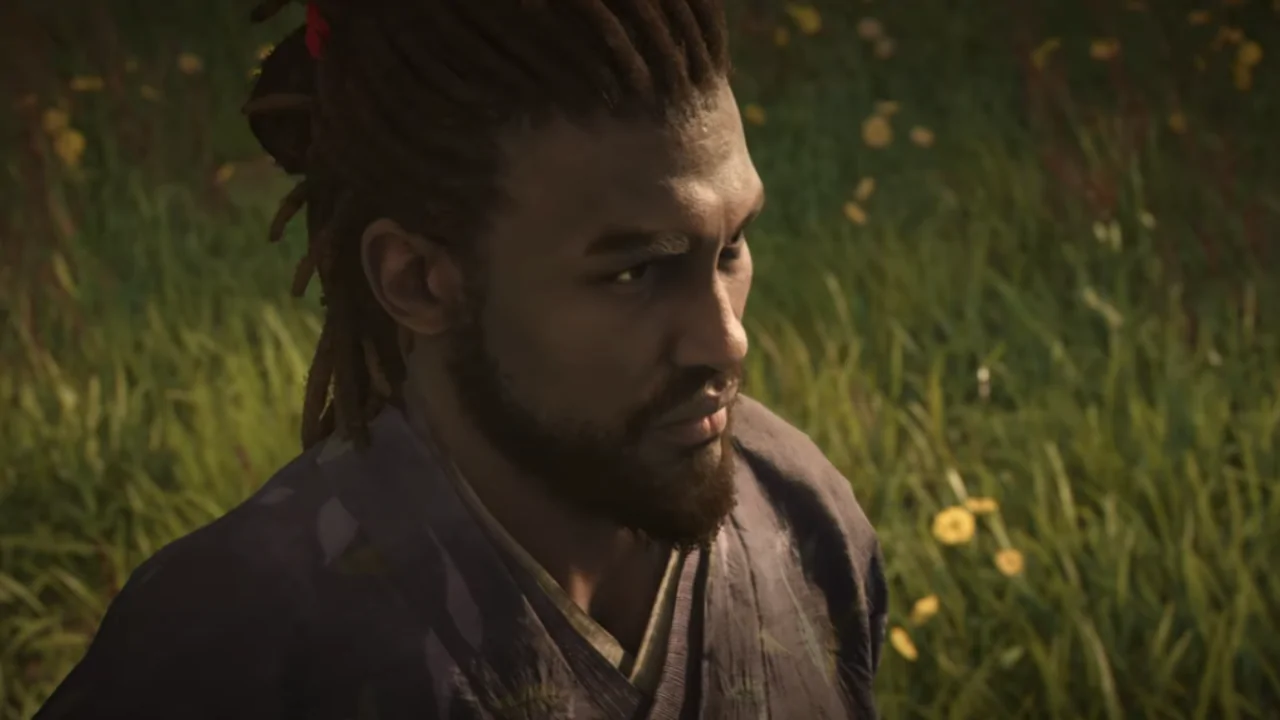
A screenshot from Assassin’s Creed Shadows (2024), Ubisoft
READ: Assassin’s Creed Shadows Delayed Again, Will This Game Be The End of Ubisoft?
On that day, there were five coordinated attacks, in which perpetrators released sarin, a chemical warfare nerve agent, on three lines of the Tokyo Metro during rush hour. The trains attacked were all passing through Kasumigaseki and Nagatachō, where the National Diet, or Japanese parliament, is located in Tokyo.
It remains a somber day in Japanese history, commemorated as a reminder of the tragedy and resilience of its victims.
For Ubisoft, a company claiming to have undertaken extensive research into Japanese culture and history for Shadows, a game in which you play as a large black man hacking, slashing, and bludgeoning his way through scores of Japanese people, the decision to release the game on this anniversary seems either shockingly ignorant or blatantly disrespectful. Given the gravity of the attack, the release date is an especially sore point for critics who have already accused Ubisoft of mishandling the game’s portrayal of Japan.
Historical Inaccuracies and Cultural Insensitivity
Assassin’s Creed Shadows has been a lightning rod for controversy since its announcement. Ubisoft’s decision to feature Yasuke, a supposedly “historical” Black samurai, as the game’s protagonist marked a stark departure from the franchise’s tradition of introducing fictional characters who interact with historical figures.
Yasuke’s inclusion as the first playable historical protagonist in the series has drawn sharp criticism. Many fans expected the game to feature a traditional Japanese male character—a samurai or ninja—rooted in Japan’s rich cultural history. Instead, Ubisoft’s choice is seen by some as prioritizing modern Western ideological trends over authenticity of an Eastern culture.
Adding to this, accusations of historical inaccuracies have surfaced, such as the inclusion of Chinese architecture in a game meant to represent feudal Japan. These missteps further alienated fans who felt the franchise has strayed from its core appeal: delivering historically immersive experience
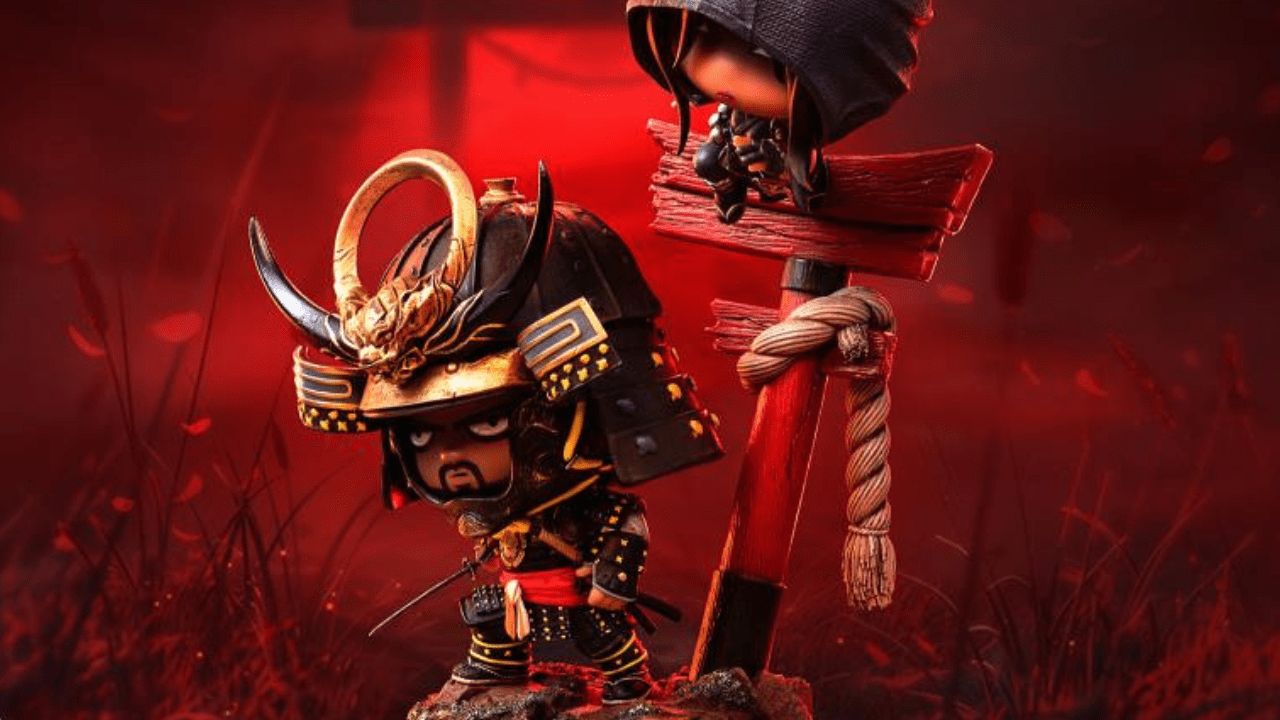
Assassin’s Creed Shadows Qlectors Yasuke & Naoe (2024), Pure Arts
Ubisoft also faced a ton of cultural backlash for promoting a statue as Yasuke and Narue, the game’s Japanese female protagonist, posing in front and on top of a destroyed one-legged Torii gate. The symbolism of the one-legged Torii gate has significance for the Japanese people because it’s so closely tied to an iconic image of the decimated city of Nagasaki after the Atomic bomb was dropped on it in 1945.
《拡散希望》
日本ヘイト企業、犯罪企業で有名なUbisoftの「アサシンクリードシャドウズ」フィギュア長崎原爆で破壊された
「片足鳥居」をモチーフにしたと思われる破壊された鳥居をフィギュアで発売。僕は「片足の鳥居」をアメリカによる長崎原爆で破壊されたもの以外知らない。 pic.twitter.com/JIM63P8H6O
— shin (@r230614_shin) September 23, 2024
READ: Ubisoft Value Tanks: Market Cap Dropped 85% From 2021 to 2025
Back in September, the statue was blasted by X user r230614_shin. As translated by Google, the user wrote, “Please spread the word, Assassin’s Creed Shadows figures from Ubisoft, a famous Japanese hate and criminal company. A figurine of a destroyed Torii gate has been released, which is believed to be based on the “One-Leg Torii” gate that was destroyed in the Nagasaki atomic bombing.”
He added, “I have never seen a ‘One-Legged Torii’ other than the one destroyed by the American atomic bomb in Nagasaki.”
While the company touts its commitment to research and authenticity, the choice of March 20 as a release date undermines that narrative. If the developers were unaware of the date’s significance, it raises serious questions about their cultural understanding. If they were aware, the decision appears to show blatant disregard for Japanese history and sensibilities.
A Tenuous Future for Ubisoft
Ubisoft’s financial stability is on the line with Assassin’s Creed Shadows. The company has faced a significant decline in value, dropping from $12.17 billion in January 2021 to $1.78 billion by early 2025. As the company’s most prominent franchise, the success of Assassin’s Creed is critical to Ubisoft’s survival. However, continued delays, historical inaccuracies, and cultural insensitivity may jeopardize Shadows’ ability to meet the expectations of fans and critics alike.

A screenshot from Assassin’s Creed Shadows (2024), Ubisoft
Ubisoft’s attempt to market Shadows as a love letter to Japan risks falling flat, with missteps piling up to erode player trust. Whether this game can recover from its growing list of controversies will become clear in the months ahead, but for now, the tone-deaf decision of its release date adds to the perception that Ubisoft’s respect for history is little more than skin deep.
Do you think this Assassin’s Creed Shadows release date controversy is an oversight by Ubisoft? Is it a lack of respect for the people of Japan? Sound off in the comments and let us know!
