


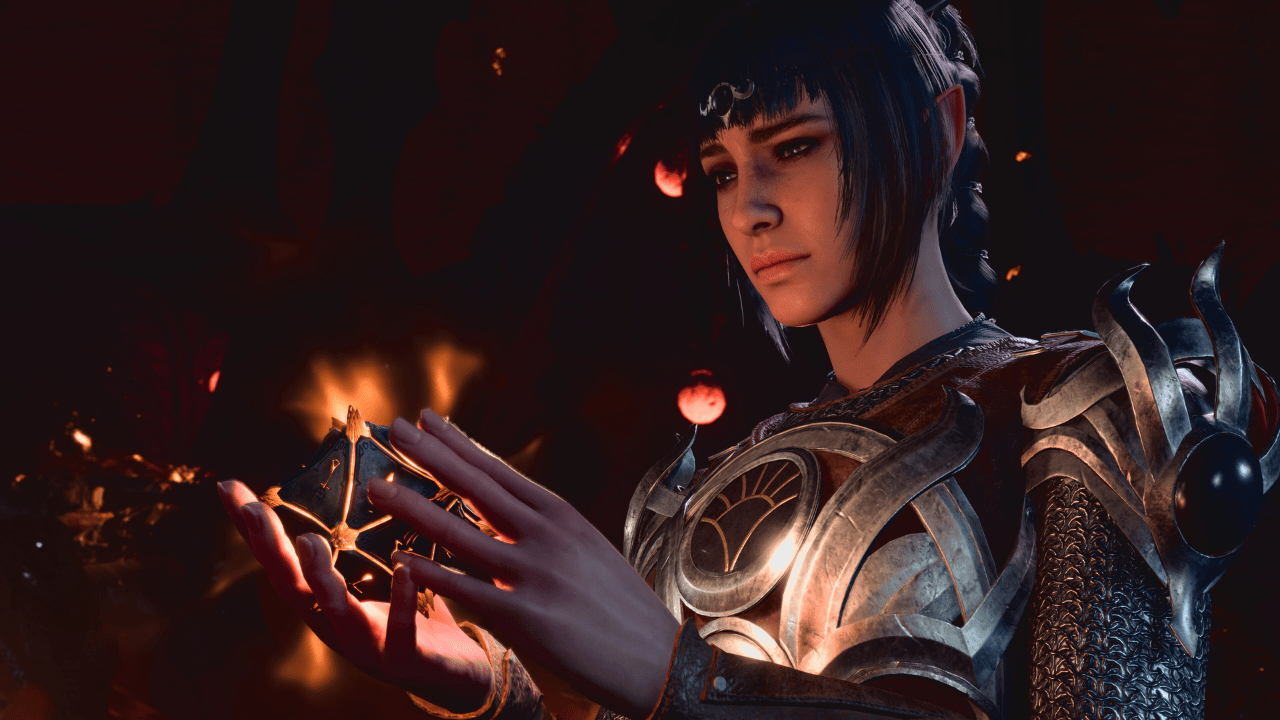
A new report by The Gamer is raising eyebrows for what it presents as a straight news story—but reads more like an editorial—on the state of gaming diversity under the current political climate in the United States.
The article, published July 5th, centers on actor Samantha Béart, who played Karlach in Baldur’s Gate 3. According to Béart, game developers are already facing pushback on inclusive storylines, and some are seeing their work cut entirely.

A screenshot from Forspoken (2023), Square Enix
“Without exposing devs, I know that’s happening. Their storylines have been cut,” Béart told The Gamer. “Historically, appeasement is a really bad thing.”
The claim is framed in the context of President Donald Trump’s return to office in 2024. The Gamer attributes a supposed rollback of DEI (Diversity, Equity, Inclusion) initiatives in gaming to a broader cultural response to an executive order issued by the Trump administration. That order, issued earlier this year, limits federal funding and government partnerships with companies that base hiring or promotion decisions on race, gender identity, or sexual orientation.
The article implies that this policy has influenced broader corporate behavior, including within the gaming industry.

A screenshot from South of Midnight (TBA), Compulsion Games
This Baldur’s Gate 3 actor further warned that in today’s environment, a title as diverse as Larian Studios’ 2023 hit might not even get greenlit. However, it’s worth noting that Baldur’s Gate 3 achieved its success not because of any particular demographic checklist, but because it was widely praised as a deep, player-driven RPG with meaningful choice, high production values, and strong writing. Players were free to shape their own experience, choosing which characters to romance or ignore, which moral paths to follow, and how much emphasis—if any—to place on identity-based storylines.
The game’s inclusive elements were optional, woven into a broader tapestry of fantasy storytelling, rather than used as the primary marketing hook. That’s a sharp contrast from titles that have drawn criticism for leading with identity politics while offering limited entertainment value or shallow gameplay. In such cases, race, gender, or orientation are often presented as selling points rather than features embedded naturally in the game world. Critics argue that this can result in a product that feels more like a statement than a game—highlighting the difference between Baldur’s Gate 3 and titles like Dragon Age: The Veilguard, which faced immediate pushback following a marketing rollout centered almost entirely on character identities and progressive themes.
But none of that is discussed by The Gamer.
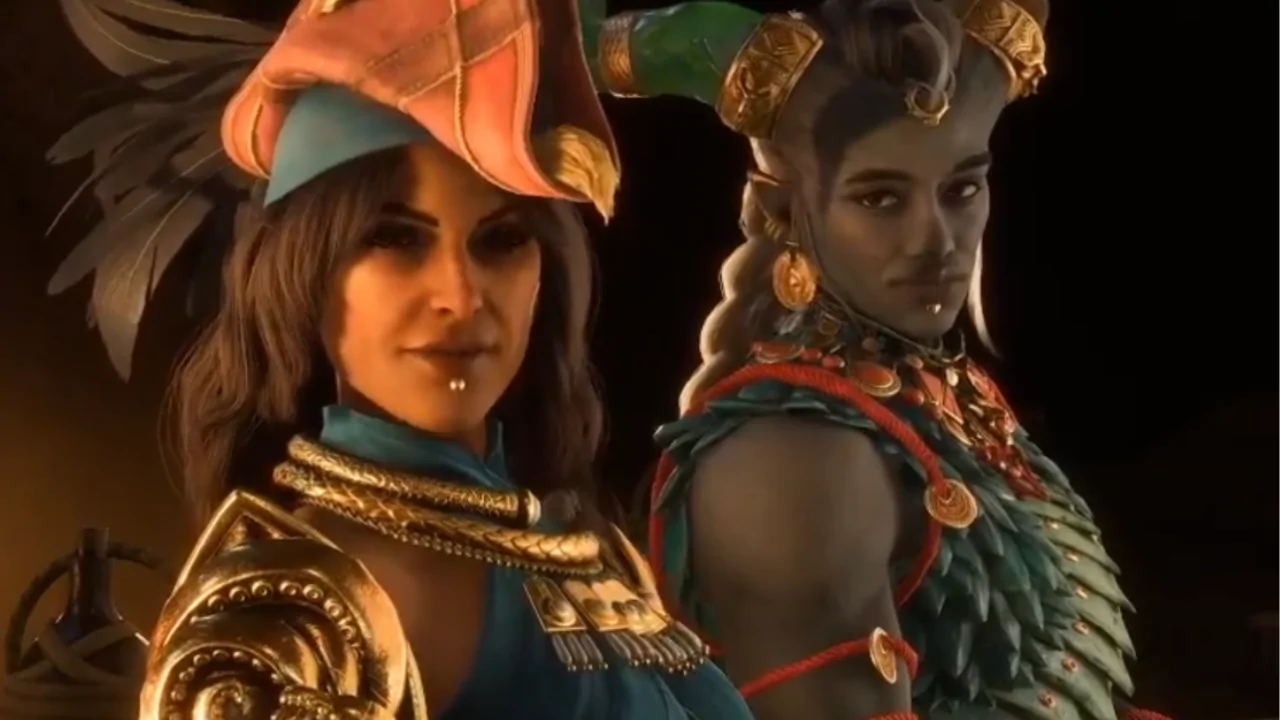
A screenshot from Dragon Age: The Veilguard (2024), BioWare
“Indies exist,” Béart added. “And people can write, and communities will get together, and we will absolutely get through this together.”
The piece also touches on broader concerns voiced by The Gamer, invoking a so-called “revival” of the GamerGate movement—again without citing specific incidents or coordinated activity. The term appears to be used more as a catch-all label for online criticism and cultural pushback, rather than a reference to any organized campaign. As in past years, GamerGate is presented as a kind of ideological boogeyman representing harassment, bigotry, and resistance to diversity efforts.
No specific examples of canceled storylines or censored content were cited in the article. Béart did not name any developers or studios, and The Gamer did not appear to verify the claims independently, instead taking the actor’s account at face value.

A screenshot from Ghost of Yōtei (2025), Sucker Punch
It’s worth noting that Baldur’s Gate 3, published independently by Larian Studios, was a breakout success. The game sold over 15 million copies by November 2024, according to industry tracking. Its reception among critics and audiences was overwhelmingly positive, with many praising its expansive roleplaying elements and inclusive character options.
In highlighting Béart’s concerns, The Gamer appears to be making a broader cultural statement. However, the article is not labeled as an opinion piece, and much of its language implies causality between government policy and industry behavior despite a lack of sourcing beyond the actor’s interview.

A screenshot from Baldur’s Gate III (2023), Larian Studios
At the time of publication, there has been no industry-wide confirmation of such censorship practices, nor have any major studios issued statements on cutting content due to political or executive pressure. Many AAA games continue to include diverse character options and storylines, and studios like BioWare and Insomniac have previously stated their commitment to creative inclusion.
Whether the trends outlined by Béart and The Gamer represent an isolated incident or an industry-wide shift remains to be seen. But the framing of the issue—and the blurred line between commentary and reporting—has already stirred discussion online.
Do you think we’re seeing a pushback on forced diversity in gaming? Sound off in the comments and let us know!
