


BioWare veteran James Ohlen has defended the developers behind Dragon Age: The Veilguard, arguing that most had little control over its unpopular creative decisions.
His comments followed BioWare’s shutdown announcement and his appeal for employers to hire affected staff. Responding to criticism, Ohlen acknowledged his own concerns about political messaging while cautioning against treating developers as a single ideological group.

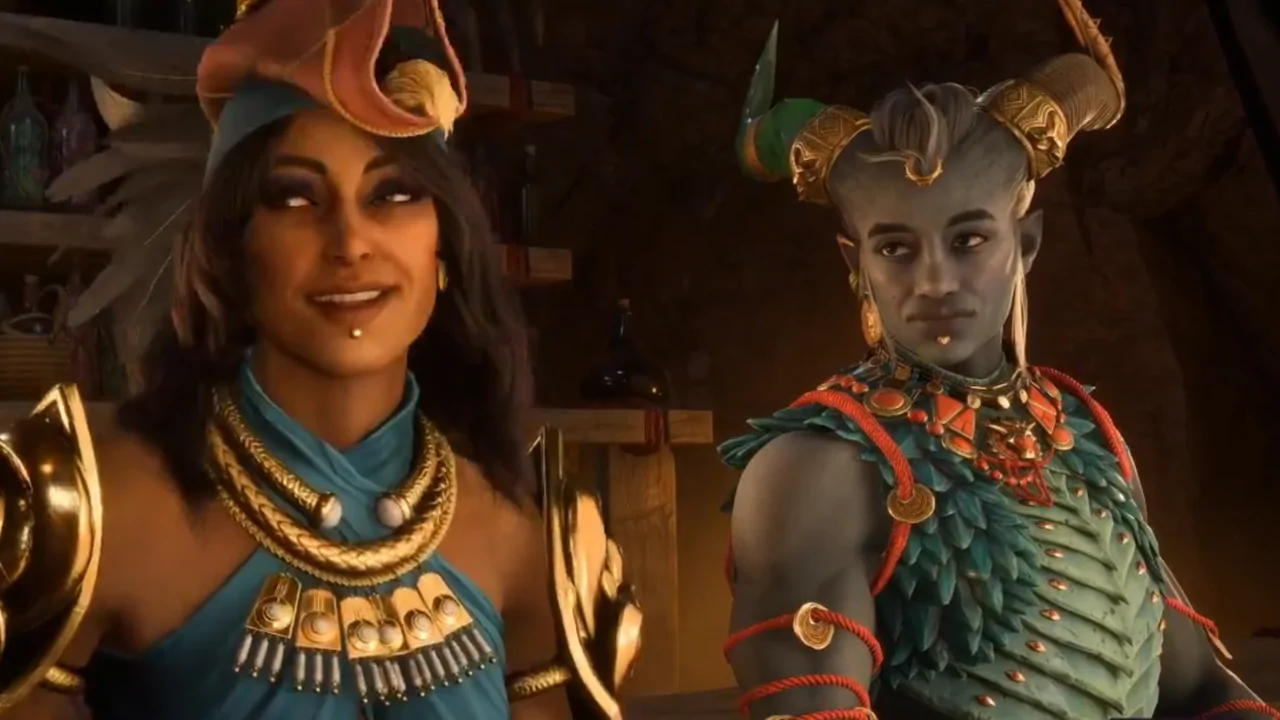
A screenshot from Dragon Age: The Veilguard (2024), BioWare
READ: Tom Cruise Will Receive the 52nd AFI Life Achievement Award
His defense draws a distinction between individual employees’ contributions and the decisions that shaped a divisive game, leaving room for criticism of its storytelling.
Ohlen Says Most Developers Had Little Say
In his initial post on X, Ohlen reflected on his lengthy BioWare career and offered assistance to former employees.
“BioWare is closing. My 22 years there made me the man I am,” he wrote. “The people affected today are some of the best RPG developers in the world.”
BioWare is closing. My 22 years there made me the man I am. The people affected today are some of the best RPG developers in the world. If you’re hiring writers, designers, artists or engineers, start with them. Former BioWare folks: if an intro from me would help, reach out.
— James Ohlen (@JamesOhlen) October 21, 2026
He encouraged companies hiring writers, designers, artists, or engineers to consider those workers and offered to help arrange introductions.
The appeal drew pushback from commenters who argued that former BioWare employees would continue prioritizing personal views over audience expectations. Some suggested that the studio’s recent reputation could hurt applicants’ employment prospects, despite its earlier successes.
Those responses reflected the divide between affection for BioWare’s celebrated RPGs and frustration with its later releases.
In a follow-up post, Ohlen addressed the reaction.
A lot of you replied to my last post, so here are a few thoughts.
The majority of people on a team the size of Veilguard’s had little or no say in the things you disliked about it. Right up to the end, BioWare still had many people who worked on the games you loved. I also have my own issues with modern entertainment, especially when political messaging gets in the way of good storytelling.
I was the guy responsible for the broodmothers in Origins, but also the guy who wanted Zevran to be a same-sex romance. Years later, my son told me he was gay (he gave me permission to share this). I converted to Catholicism several years ago. My son and I love each other and enjoy arguing over politics and religion.
My favorite character is Conan the Barbarian, and I love the art of Frank Frazetta, Brom and Chris Achilleos.
What I’m trying to say is that it’s possible to hold views that don’t fit neatly into anyone’s political camp, and to love and respect people you disagree with. People are complicated. That includes the people who make the games you love or hate.
— James Ohlen (@JamesOhlen) October 22, 2026
“The majority of people on a team the size of Veilguard’s had little or no say in the things you disliked about it,” he wrote. “Right up to the end, BioWare still had many people who worked on the games you loved.”
Ohlen also acknowledged concerns about the direction of contemporary entertainment.
“I also have my own issues with modern entertainment, especially when political messaging gets in the way of good storytelling.”
That qualification leaves room to criticize a game’s writing and priorities while questioning whether everyone involved supported or controlled its most controversial elements.
A Personal Appeal Against Political Assumptions
Ohlen illustrated his position through his work on Dragon Age: Origins and his family life.
“I was the guy responsible for the broodmothers in Origins, but also the guy who wanted Zevran to be a same-sex romance,” he explained.
The broodmothers exemplify the grotesque horror associated with Origins. By pairing them with Zevran’s romance, Ohlen highlighted his support for both the series’ darker material and its same-sex relationships.

A screenshot from Dragon Age: The Veilguard (2024), BioWare
READ: Islands of Adventure Lockers Swap Ticket Scans for Facial Recognition
He then shared that his son is gay, noting that he had permission to disclose that information. Ohlen also said he converted to Catholicism several years ago.
“My son and I love each other and enjoy arguing over politics and religion.”
He also identified Conan the Barbarian as his favorite character and praised the artwork of Frank Frazetta, Brom, and Chris Achilleos.
“What I’m trying to say is that it’s possible to hold views that don’t fit neatly into anyone’s political camp, and to love and respect people you disagree with,” Ohlen concluded. “People are complicated. That includes the people who make the games you love or hate.”
Together, those examples support his broader argument that a developer’s credits do not reveal that person’s politics or responsibility for specific creative choices.
BioWare’s Closure Leaves Questions About Accountability
BioWare’s shutdown announcement also ended early development of its next Mass Effect game. The closure forms part of a broader EA restructuring reportedly affecting approximately 400 positions, including around 50 at BioWare.
Meanwhile, allegations from RPG writer Chris Avellone have brought further scrutiny to the studio’s hiring practices. Avellone claims a BioWare producer advocated against hiring applicants based on political or social views inferred from their LinkedIn likes.

A screenshot from Dragon Age: The Veilguard (2024), BioWare
READ: Universal Theme Park Revenue Falls 4.4% in Q3 as Profit Drops 17%
Ohlen’s remarks do not address Avellone’s account. The allegations concern an unnamed producer’s conduct and do not establish that the practice extended throughout BioWare.
Nevertheless, questions about management and creative accountability remain. Ohlen’s argument that many employees had limited authority leaves the decisions made by those overseeing The Veilguard open to scrutiny.
For disappointed fans, sympathy for displaced workers need not change their assessment of the game. Ohlen’s appeal asks them to consider each developer’s actual responsibilities before extending criticism of The Veilguard to everyone who helped make it.
What do you think about Ohlen’s defense of the devs behind Dragon Age: The Veilguard? Sound off and let us know!
