


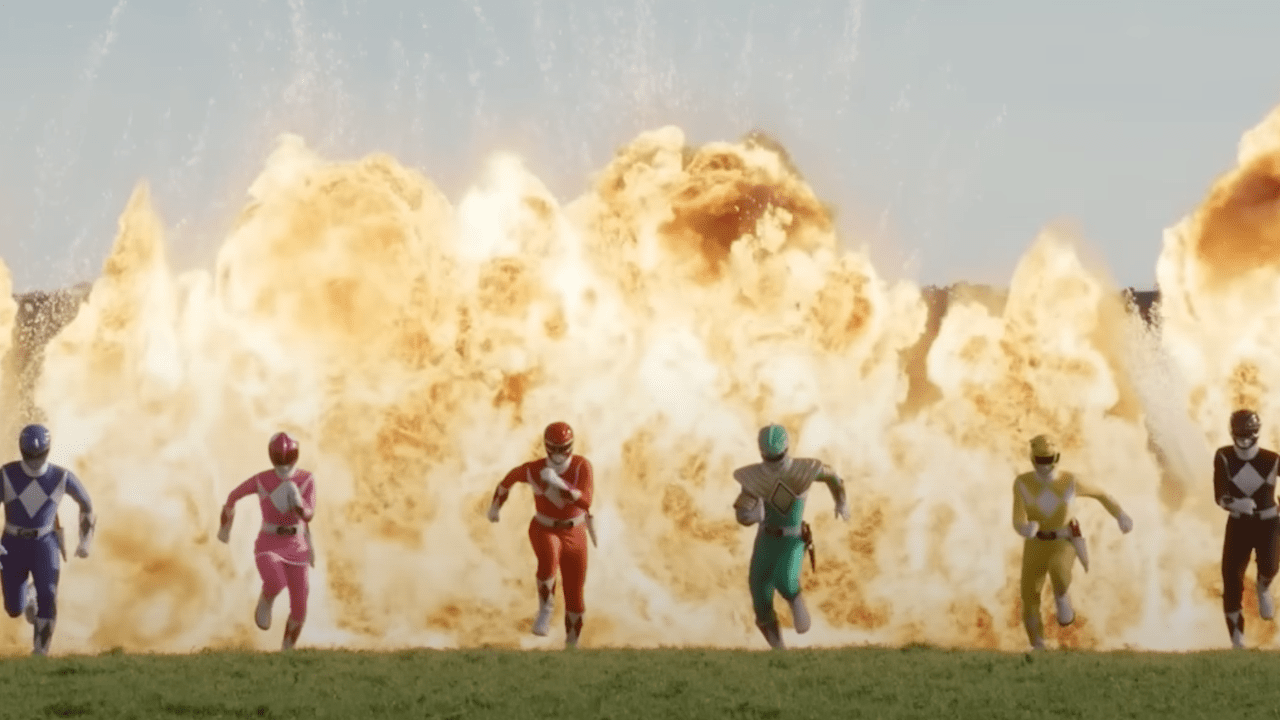
The mainstream media has once again latched onto a retro TV moment and turned it into something it was never meant to be. This time, the target is the 90s kids action show Mighty Morphin Power Rangers—specifically the casting decisions made over 30 years ago. According to headlines making the rounds this week, the show’s head writer Tony Oliver confessed that it was a “mistake” to cast a Black actor as the Black Ranger and an Asian actress as the Yellow Ranger.
Oliver’s comments come from the new Investigation Discovery series Hollywood Demons, where he claims, “None of us [were] thinking stereotypes,” and that he didn’t realize the potential for controversy until an assistant pointed it out much later. “It was such a mistake,” he added, sparking an avalanche of editorial takes, social media chatter, and surface-level hot takes.
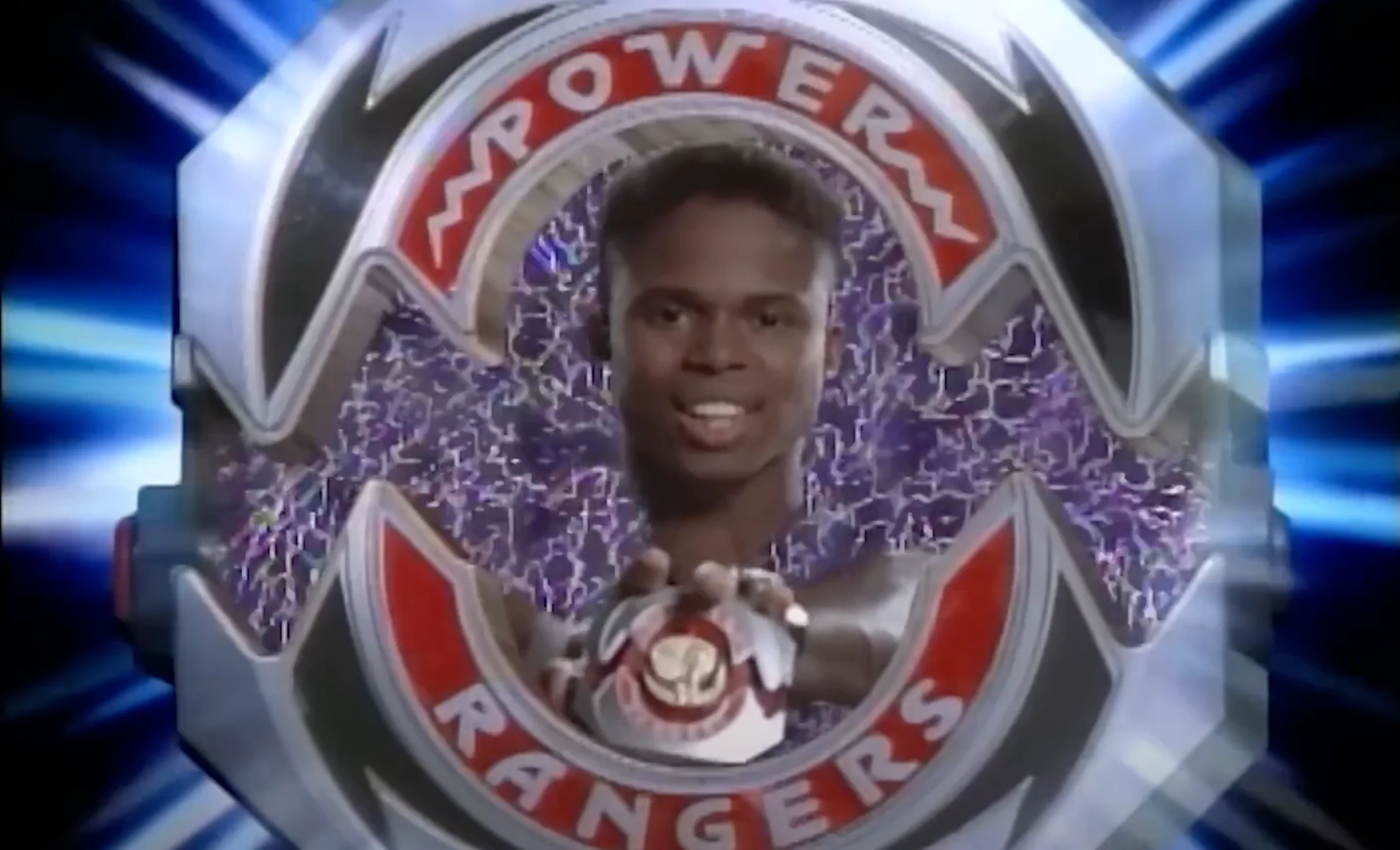
Zack the Black Ranger morphs in Mighty Morphin Power Rangers – YouTube, Power Rangers Official
What most of these outlets conveniently left out, however, is the perspective of the actual actor at the center of this so-called controversy—Walter Emanuel Jones, the original Black Ranger himself.
Posting to Instagram, Jones addressed the renewed media focus head-on.
View this post on Instagram
“Incredible how many media outlets picked this up… However while some choose to seek out the negative, I’ve always believed in focusing on the positive. I understand the impulse to address what might be seen as cultural insensitivity, but calling it a ‘mistake’ would dismiss the impact it had on countless people around the world who found inspiration and representation in TV’s first Black superhero — morphin’ into none other than the Black Power Ranger! It wasn’t a mistake; it was a milestone. It was an honor.”
In one statement, Jones managed to dismantle the entire narrative being pushed. Far from feeling misrepresented or sidelined, he viewed the role as historic—and he’s right. For a generation of kids, Zack Taylor wasn’t just a Ranger. He was the Ranger. He was the swagger, the energy, the cool factor. And more importantly, Jones was right, he was the first Black superhero many 90s kids ever saw on screen.
Even in the documentary, old camcorder footage shows Jones joking on set: “My name’s Walter Jones, I play Zack. I’m Black, and I play the Black Ranger—go figure.” It was self-aware, lighthearted, and absolutely not a moment of outrage. It was a cast having fun while making something memorable.
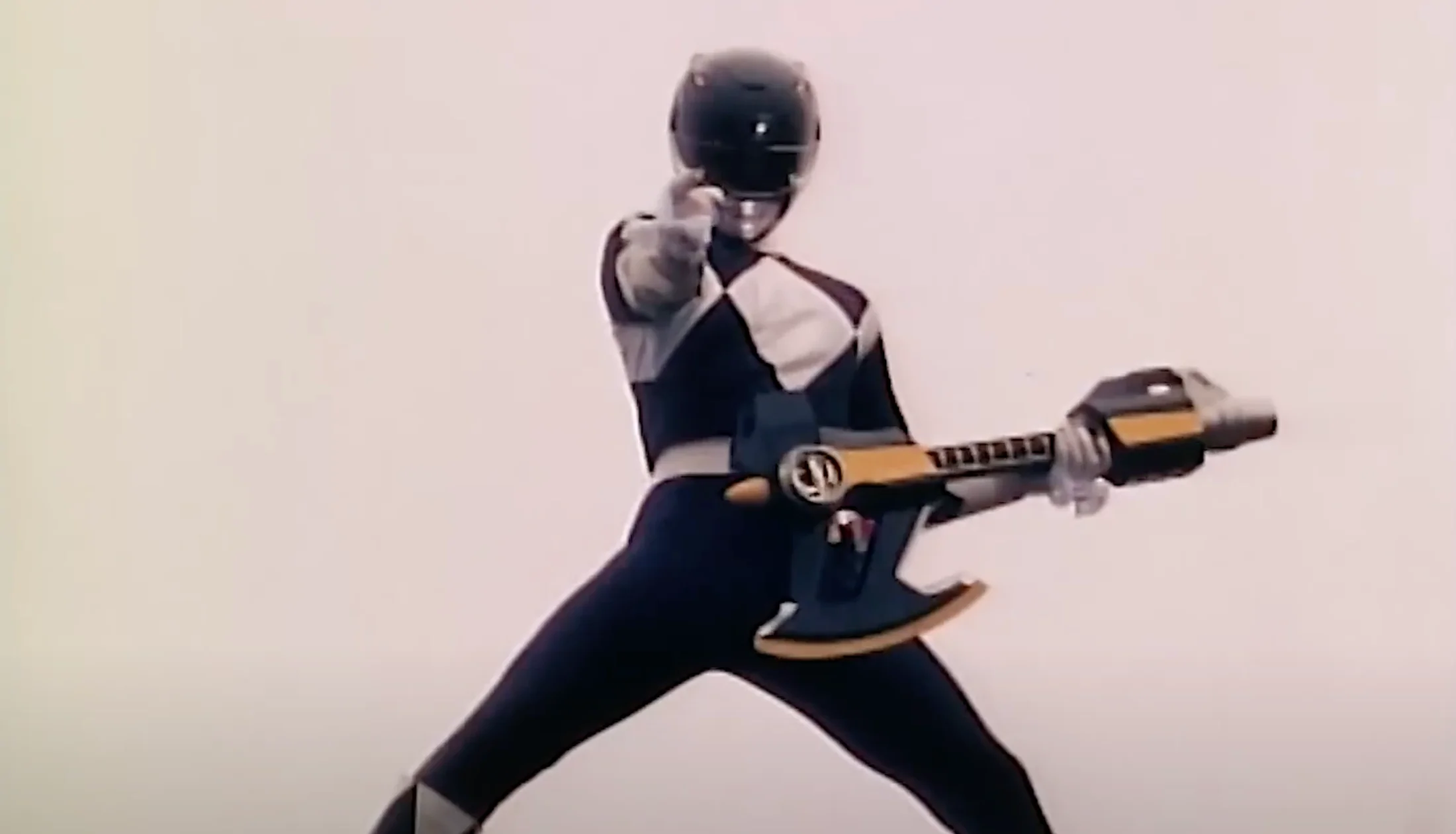
The Black Power Ranger in Mighty Morphin Power Rangers – YouTube, Power Rangers Official
There’s also the matter of Trini Kwan, the yellow Power Ranger on the show. But it’s worth noting that the original actress cast as the Yellow Ranger, Audri DuBois, was not Asian. She was originally cast for the pilot but left over a contract dispute. The role was then recast with Thuy Trang, a Vietnamese-American actress who was later edited into the existing footage. In short, the casting of an Asian actress wasn’t planned—it happened as a result of behind-the-scenes changes.
Trang embodied the “peaceful conscience of the group,” which is what the team was seeking—not a demographic checkbox.
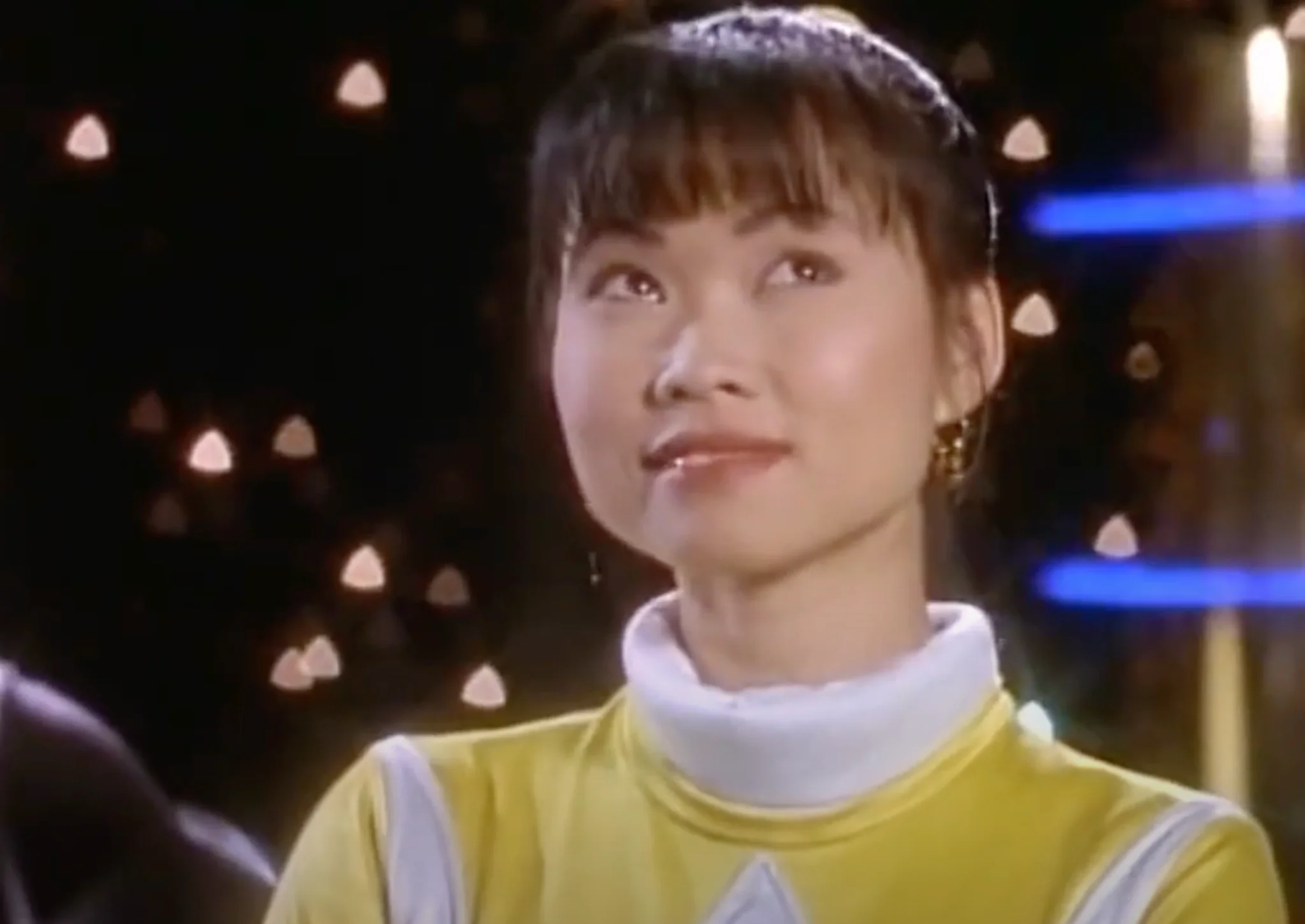
Thuy Trang as Trini the yellow ranger in Mighty Morphin’ Power Rangers – YouTube, Power Rangers Official
It’s also important to remember that Thuy Trang tragically passed away in 2001. Though she isn’t here to speak on the current discussion, her legacy as Trini Kwan continues to inspire. Her portrayal gave many young viewers—especially Asian girls—a rare action hero they could see themselves in. Her contribution remains one of the most beloved in Power Rangers history despite the modern Hollywood access media attempting to spin it as problematic.
And while Tony Oliver now looks back on the decision through a different lens, the context matters. Neither he nor co-creator Shuki Levy were coming from a U.S.-centric worldview at the time. Levy, who grew up in Israel, previously told Complex: “Being a Black person is like being any kind of color. It’s not something we talked about all the time. It wasn’t a big issue.”
Unfortunately, nuance doesn’t trend—and that’s exactly what’s missing in the rush to rewrite pop culture history. Instead of celebrating a cultural touchstone that meant the world to millions of kids, the media chose to drag the conversation into modern buzzword territory.
Thankfully, Walter Jones didn’t let that narrative stand. He reminded everyone that Power Rangers gave kids a world where heroes didn’t all look the same—and that was the point. Representation wasn’t a checkbox; it was natural, earned, and impactful.
If only the media could morph into something with that kind of wisdom.
What’s your opinion on the Black Power Ranger controversy? Sound off in the comments and let us know your thoughts!
UP NEXT: Baby Giraffe Born at Disney’s Animal Kingdom, Can be “Spotted” Now at Kilimanjaro Safaris
