


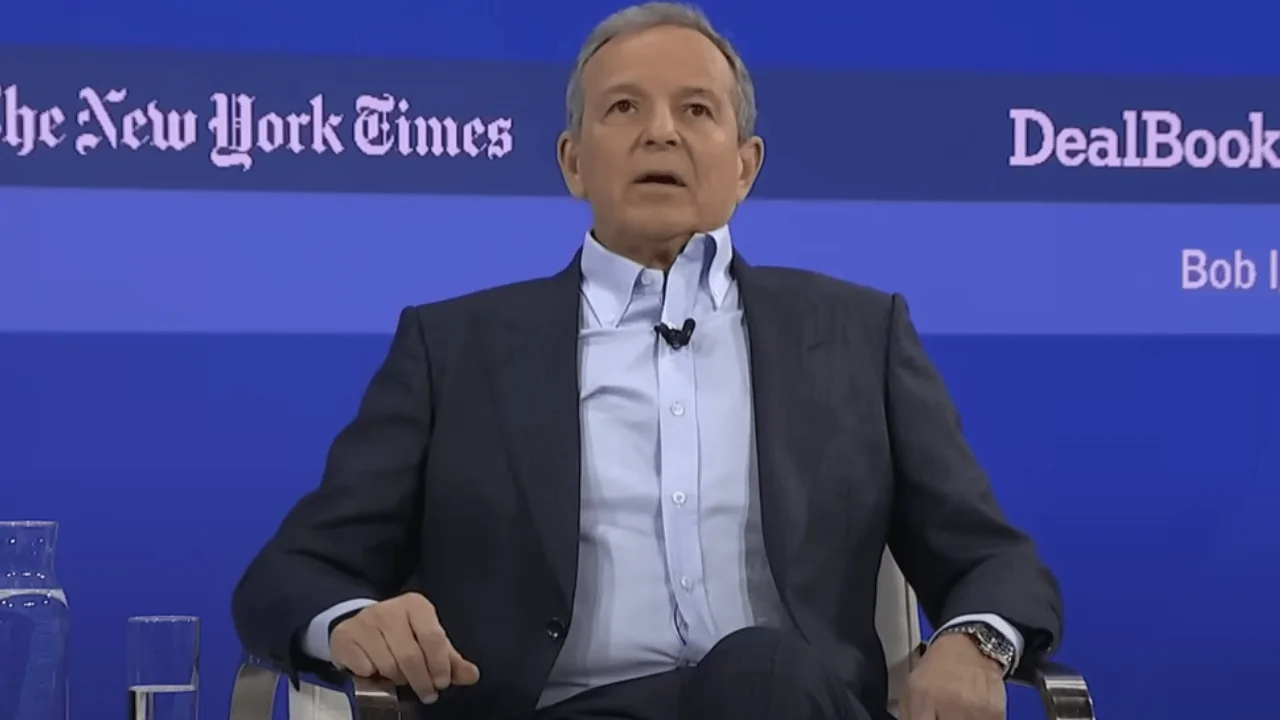
Former Disney CEO Bob Iger is revisiting the company’s disastrous decision to name Bob Chapek as his successor at an interesting time.
Just days before Chapek is scheduled to release Behind the Castle Walls: My Thirty Years at the Happiest Place on Earth, a memoir containing serious allegations about Iger’s role in his downfall, Iger has offered his own assessment of what went wrong during Disney’s previous CEO transition.
In a wide-ranging interview with Harvard Business Review published September 24, Iger acknowledged that Disney’s process for selecting Chapek may not have been thorough enough and suggested that the company discounted weaknesses it already knew Chapek possessed.
Iger does not directly address Chapek’s memoir or say that his comments are intended as a response to it. Still, the timing is notable considering Behind the Castle Walls arrives September 29 and excerpts detailing Chapek’s accusations against Iger are already circulating.
The result is that Disney observers are now being presented with two substantially different accounts of one of the most tumultuous periods in the company’s modern history.
Iger Revisits Disney’s Decision to Choose Chapek
Speaking with former Harvard Business School dean Nitin Nohria, Iger discussed what Disney learned from its previous succession process.
“We had a process back in 2019 and ’20 when we chose my successor,” Iger said. While Iger did not name Chapek in that portion of the interview, Chapek was the executive selected to replace him in February 2020. “Looking back, perhaps it wasn’t as thorough as we thought, in part because we thought we knew the person extremely well.”
That familiarity was understandable.
Chapek spent nearly three decades at The Walt Disney Company and had served in several major leadership positions, including chairman of Walt Disney Parks, Experiences and Products.

Former Disney CEO Bob Chapek being interviewed by the Wall Street Journal – YouTube, The Wall Street Journal
READ: Christian Bale Working to Start a Foster-Care Village That Will Keep Siblings Together
Iger acknowledged that Disney believed it understood both Chapek’s strengths and his shortcomings.
“He’d worked for the company for a very long time and for me directly,” Iger said. “And we knew his strengths and we knew some of his weaknesses as well.”
Then came perhaps the most significant admission.
“I’m not suggesting that we discounted the weaknesses, but in our zeal to check a box with succession and enable me to move on, first as executive chairman and ultimately to leave, I’m not suggesting that we ignored some of the issues, but I think we discounted them a bit more,” Iger said.
It amounts to a striking reassessment of the decision to place Chapek in charge of Disney.
But Chapek is offering a very different explanation for why his tenure failed.
Chapek Says Iger Worked Against Him
Chapek alleges in Behind the Castle Walls that Iger began regretting his selection almost immediately.
“From the moment he announced my appointment, he clearly regretted it and seemed to initiate a relentless three-year campaign to push me out,” Chapek writes in an excerpt from the book published ahead of its September 29 release.
Chapek portrays his time as CEO as being undermined by an unusual leadership arrangement in which Iger stepped down as chief executive but remained executive chairman with authority over Disney’s creative operations.
That arrangement became even more complicated when the COVID-19 pandemic struck just weeks after Chapek became CEO.

Former Disney CEO Bob Chapek in Star Wars Galaxy’s Edge – YouTube, LaughingPlace
Disney’s theme parks closed, theatrical distribution was severely disrupted, productions were halted, and Chapek suddenly found himself attempting to run one of the world’s largest entertainment companies during an unprecedented crisis.
Meanwhile, the relationship between Disney’s old and new CEOs deteriorated.
Chapek alleges that Iger undermined his authority, criticized his decisions behind the scenes, and ultimately played an “intentional and preconceived role” in his removal.
Disney’s board fired Chapek in November 2022 and immediately reinstated Iger.
When considering what he had done to warrant being fired, Chapek offers a blunt answer in his memoir: “The answer, again, is nothing.”
Iger Says CEOs Must Be Able to Handle a Crisis
One of Iger’s other observations in the Harvard Business Review interview becomes particularly interesting when viewed against Chapek’s account of his tenure.
Iger discussed the qualities Disney considered important when preparing for another CEO transition, including how an executive responds when confronted with a major crisis.
“You can’t retreat to a bunker,” Iger said, noting that Disney needed to consider whether a potential chief executive could handle “a real crisis” in a “reasonable and sane and steady” and “mature way.”
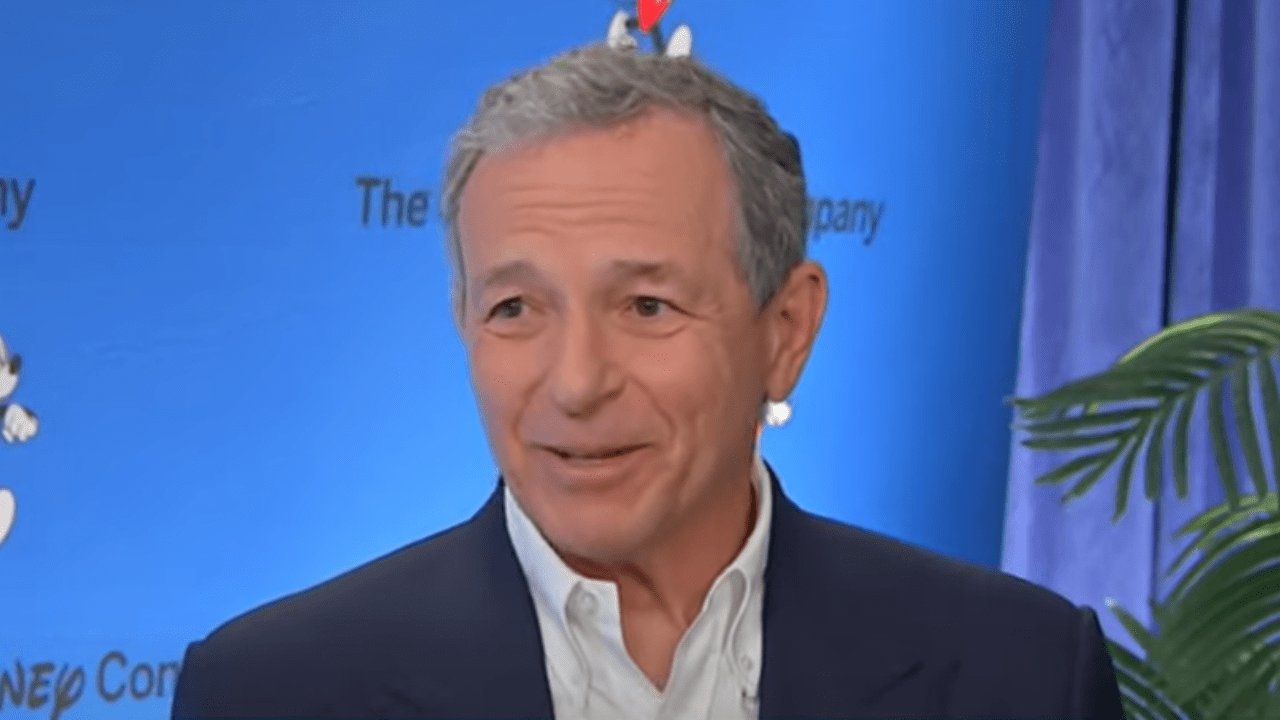
Bob Iger via CNBC Television YouTube
Chapek’s tenure was defined almost immediately by crisis with the arrival of the COVID-19 pandemic. The former CEO’s defense of his record consequently places considerable emphasis on the extraordinary circumstances he inherited and the unusual arrangement that kept Iger involved with the company.
Iger’s latest assessment puts greater emphasis on Disney having selected the wrong person and failing to sufficiently weigh weaknesses it already knew existed.
Two Competing Accounts of the Chapek Era
Years after Chapek’s firing, there still appears to be considerable disagreement over exactly who bears responsibility for Disney’s failed succession.
Chapek argues that he was never truly allowed to lead the company independently. According to his account, Iger regretted relinquishing control and spent years undermining the successor he had personally selected.
Iger’s latest comments paint a different picture. Disney, he acknowledges, may not have scrutinized Chapek sufficiently because executives believed they already knew him. The company knew about certain weaknesses but, according to Iger, “discounted them a bit more” while attempting to complete the succession process.

Bob Iger | 2019 Disney Legends Awards Ceremony | D23 EXPO 2019. Photo Credit: nagi usano from Tokyo, Japan, CC BY-SA 2.0 <https://creativecommons.org/licenses/by-sa/2.0>, via Wikimedia Commons
Both explanations can also be considered alongside an indisputable complication: Chapek inherited Disney immediately before a global pandemic devastated several of the company’s most important businesses.
The relationship between Iger and Chapek nevertheless became increasingly strained, and the transition ultimately collapsed spectacularly when Disney removed Chapek and brought his predecessor back.
Variety has previously described that transition as a major blemish on Iger’s otherwise celebrated corporate record, with Wharton professor Henning Piezunka arguing that Iger “succeeded at everything except succession.”
Disney Has Already Tried Again
The renewed discussion comes after Disney completed another succession earlier this year.
Josh D’Amaro officially succeeded Iger as CEO in March after the Disney board unanimously selected the longtime parks executive for the position. There is an obvious parallel between D’Amaro and Chapek: both rose through Disney’s parks organization before being selected for the company’s top job.
Disney, however, took a substantially different approach this time.
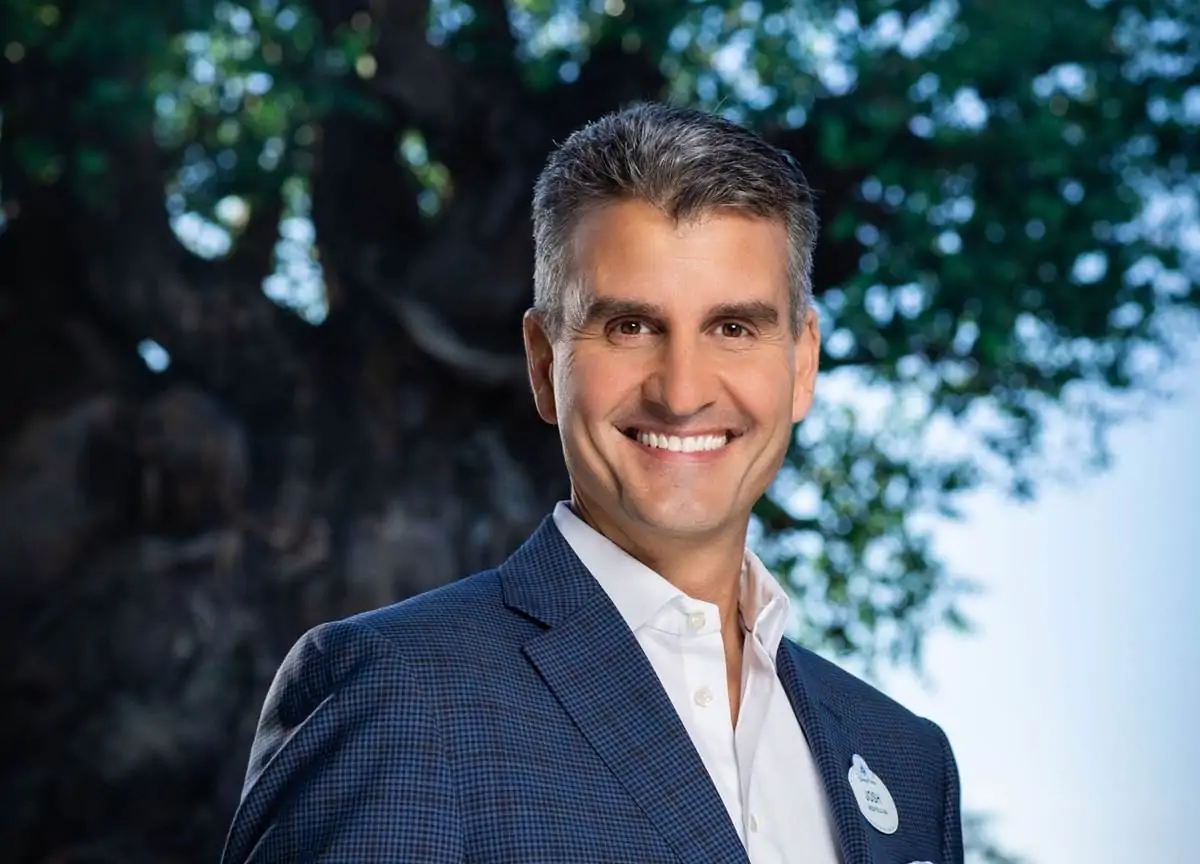
Josh D’Amaro by the Tree of Life – Disney
The board conducted a lengthy succession process to choose D’Amaro, overseen by chairman James Gorman. Dana Walden was also elevated to president and chief creative officer. Iger transitioned into a senior adviser role and remains a Disney board member through December 31, 2026.
The shadow of the Chapek debacle hung over that entire process. Now Chapek himself is preparing to provide his complete version of what happened.
The Battle Over Disney History
There’s no evidence that Iger’s Harvard Business Review interview was specifically arranged as a response to Chapek’s memoir. But its publication five days before Behind the Castle Walls arrives makes the substance of Iger’s comments particularly noteworthy.
Chapek says Iger regretted selecting him and conducted a years-long effort to undermine him. Iger says Disney’s succession process wasn’t thorough enough and acknowledges that the company discounted weaknesses it already knew Chapek possessed.
Those aren’t merely different perspectives on an executive transition. They’re competing explanations for why one of the most powerful companies in entertainment endured a leadership crisis that ultimately ended with Disney firing its new CEO and bringing his predecessor back less than three years after the original handoff.
And with Chapek’s book arriving September 29, the argument over what really happened inside The Walt Disney Company is unlikely to end here.
Do you believe Iger or Chapek? Sound off and let us know!
UP NEXT: George Lucas Claims He Had Three More Star Wars Movies To Make Before Retiring
