

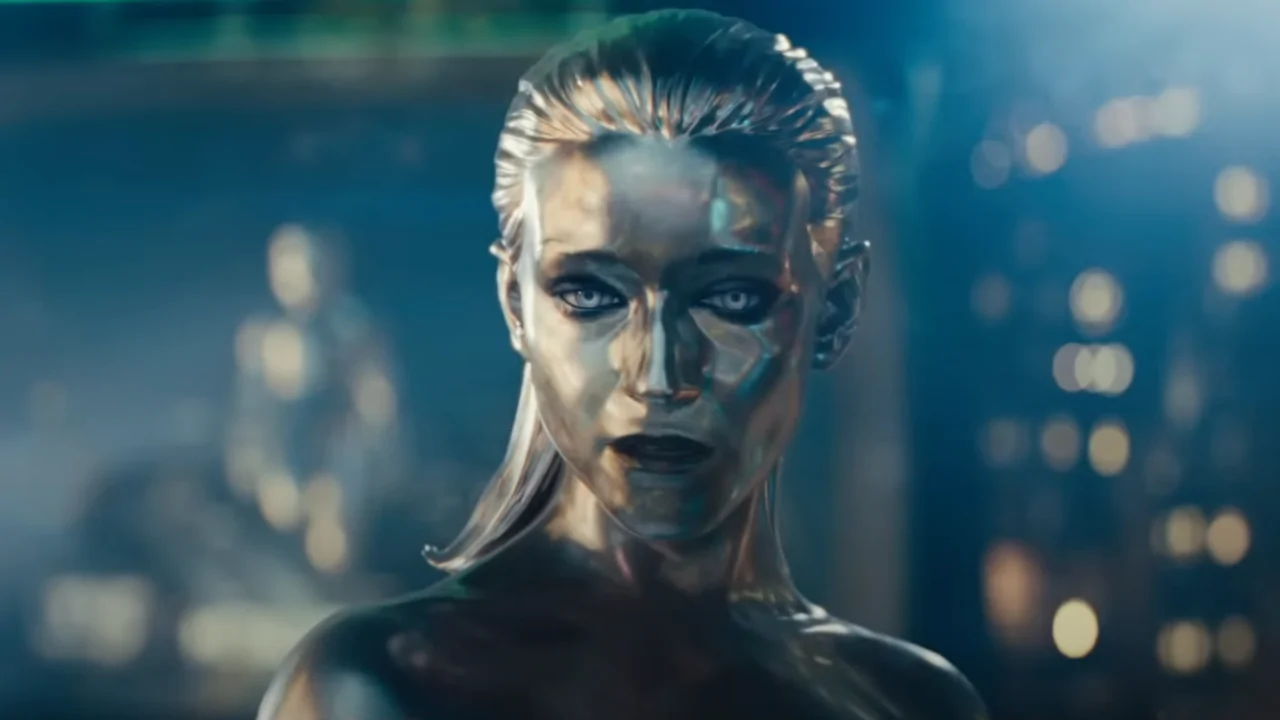
Bob Iger referred to the Fantastic Four as a “new IP” as the franchise releases its second reboot.
In the wake of Disney’s Q3 FY2025 earnings call on August 6, 2025, CEO Bob Iger sparked debate among fans, analysts, and industry observers with his comments on intellectual property (IP) strategy. While discussing the balance between creating new content and leveraging established franchises, Iger suggested that Marvel Studios continues to “mine its library of characters for original property.”
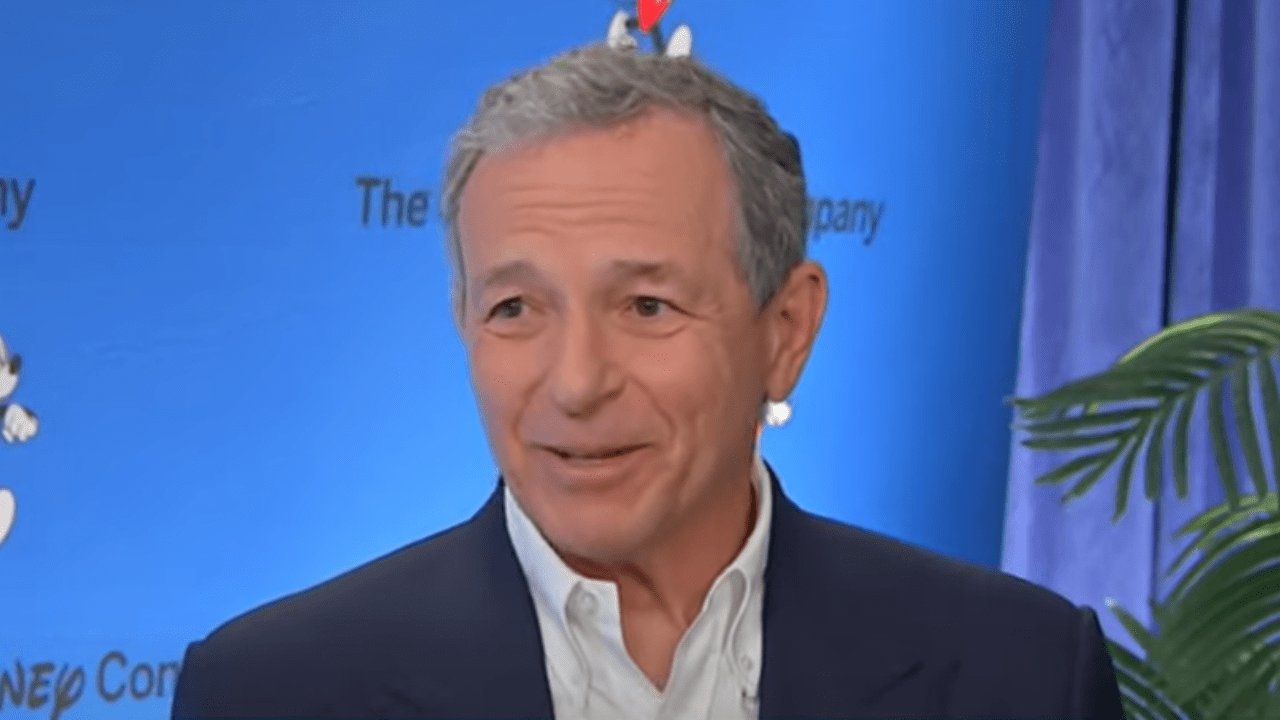
Bob Iger via CNBC Television YouTube
He specifically cited the recently released The Fantastic Four: First Steps as an example, describing it as “an original property in many respects” because it introduces the characters to audiences that, according to Iger, is unfamiliar with them.
Of course, with Disney now owning the 20th Century Fox film library, hosting all three previous theatrically released Fantastic Four films on Disney+, and featuring Chris Evans as Johnny Storm from 2005’s Fantastic Four in 2024’s Deadpool and Wolverine, this doesn’t make much sense. John Krasinski also made an appearance as Mr. Fantastic in Doctor Strange in the Multiverse of Madness back in 2022.
Critics argue that labeling a third theatrical reboot of 64-year-old characters as “original” stretches the definition to absurdity, highlighting broader concerns about Disney’s reliance on recycled IP amid box office challenges.
The Context: Disney’s Earnings Call and Iger’s Full Statement
Disney’s fiscal third quarter results, covering April through June 2025, showed mixed performance. The company reported revenue of $23.2 billion, up 4% year-over-year, driven by strong streaming growth and theme park attendance.
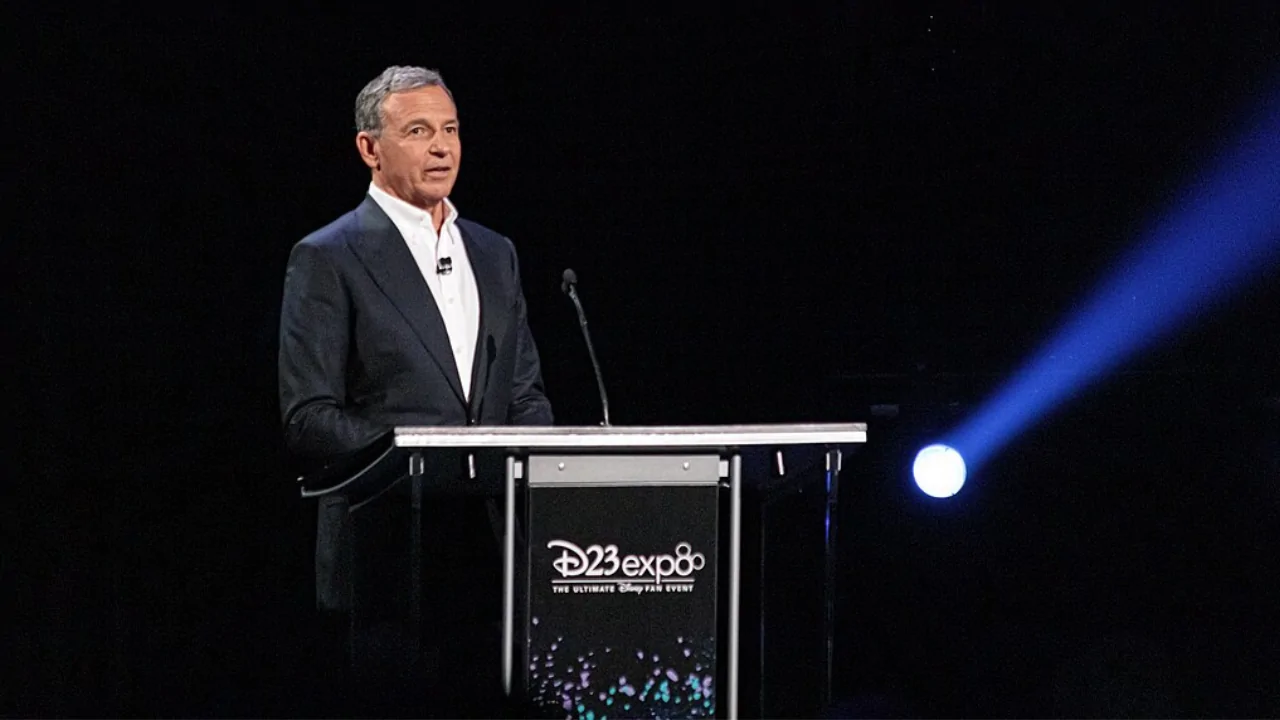
Bob Iger | 2019 Disney Legends Awards Ceremony | D23 EXPO 2019. Photo Credit: nagi usano from Tokyo, Japan, CC BY-SA 2.0 <https://creativecommons.org/licenses/by-sa/2.0>, via Wikimedia Commons
However, the entertainment segment, including Marvel Studios, faced scrutiny after recent underperformers like Captain America: Brave New World, Tunderbolts, and Elio. During the call, an analyst questioned Disney’s focus on “new IP” versus sequels and remakes.
Iger responded with the following:
“We continue to be focused on creating new IP. Obviously, that’s of great value to us long term. But we also know that the popularity of our older IP remains significant, and the opportunity is to either produce sequels or to basically bring them forward in a more modern way, as we’ve done, or convert what was previously animation to live action like we’re doing with Moana in 2026. It’s just a great opportunity for the company and supports our franchise.
“So I wouldn’t say that we’ve got a priority one way or the other. Our priority is to put out great movies that ultimately resonate with consumers. The more we can find and develop original property, the better, of course. We are developing original property for under the Twentieth Century Fox banner and under the Searchlight banner. And look, you could even argue that Marvel continues to mine its library of characters for original property.
“Even though, for instance, there have been Fantastic Four movies before, we kind of consider the one that we did an original property in many respects because we’re introducing those characters to people who were not familiar with them at all.”
Iger emphasized that Disney’s goal is “great movies,” not a strict preference for originals over franchises. He also highlighted upcoming projects like Zootopia 2 and Avatar: Fire and Ash (two sequels) as evidence of the company’s balanced approach.
The History of Fantastic Four: Far From ‘Original’
The Fantastic Four, created by Stan Lee and Jack Kirby, first appeared in The Fantastic Four #1 in November 1961.

Fantastic Four Visionaries: Walter Simonson Vol. 1 TPB (2007), Marvel Comics
As Marvel’s “First Family,” the team—Reed Richards (Mr. Fantastic), Sue Storm (Invisible Woman), Johnny Storm (Human Torch), and Ben Grimm (The Thing)—pioneered the superhero genre with their blend of science fiction, family drama, and cosmic adventures. The characters have been staples in comics, animated series, and merchandise for over six decades.
On the big screen, the Fantastic Four have already seen multiple iterations:
-
- 2005’s Fantastic Four: Directed by Tim Story, starring Ioan Gruffudd, Jessica Alba, Chris Evans, and Michael Chiklis. It grossed $333 million worldwide but received mixed reviews for its lighthearted tone.
2007’s Fantastic Four: Rise of the Silver Surfer: A sequel that introduced the cosmic villain Galactus (albeit altered). It earned $301 million but failed to launch a trilogy.
2015’s Fantastic Four (Fant4stic): A darker reboot directed by Josh Trank, featuring Miles Teller, Kate Mara, Michael B. Jordan, and Jamie Bell. Plagued by production issues, it bombed with $167 million globally and a 9% Rotten Tomatoes score.
- 2005’s Fantastic Four: Directed by Tim Story, starring Ioan Gruffudd, Jessica Alba, Chris Evans, and Michael Chiklis. It grossed $333 million worldwide but received mixed reviews for its lighthearted tone.
There was also an unreleased Fantastic Four film made in 1994 by Roger Corman.
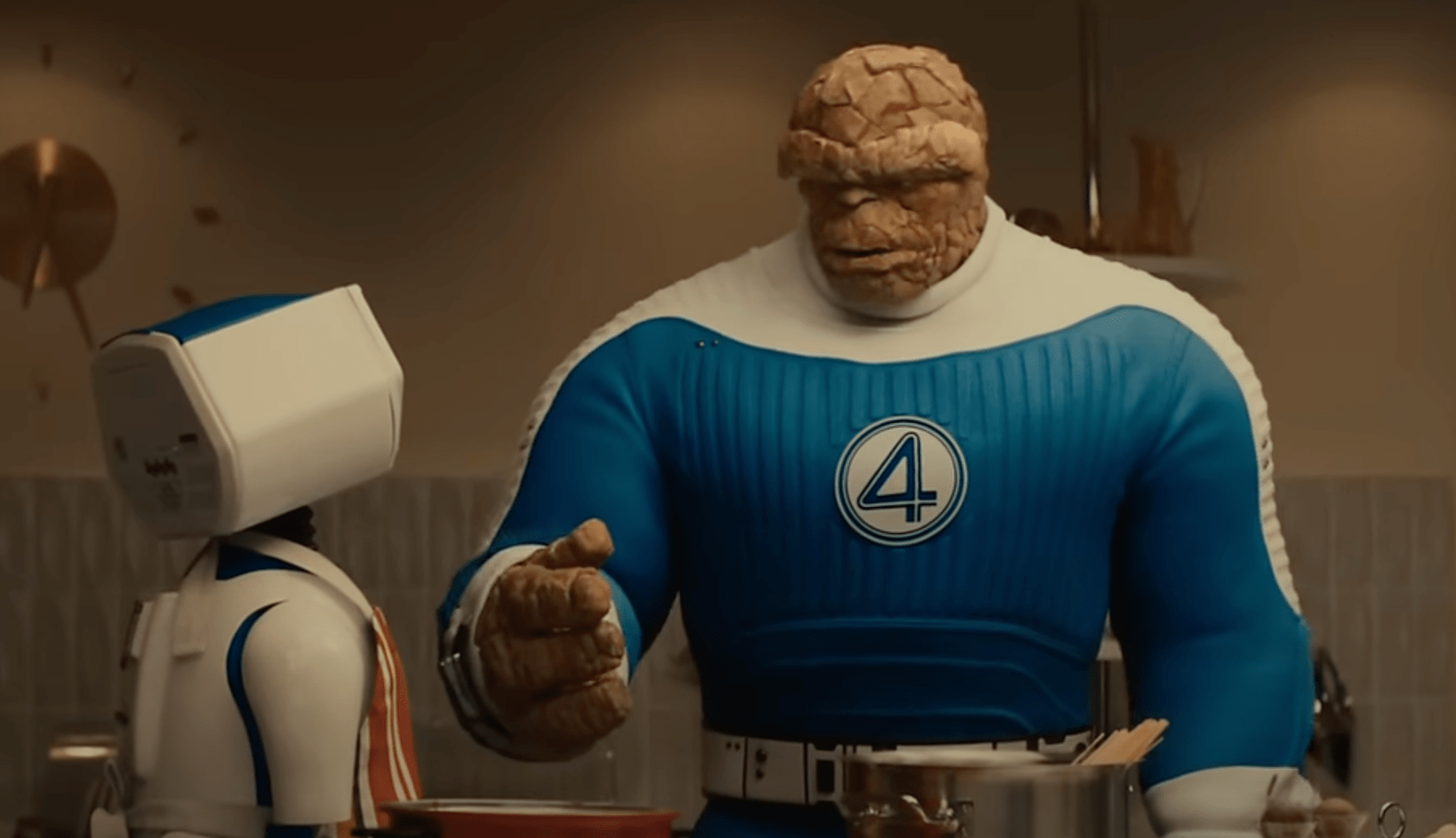
The Thing and Herbie the Robot in Fantastic Four: First Steps – YouTube, Marvel Entertainment
These films were produced by 20th Century Fox before Disney acquired the studio in 2019, bringing the rights back to Marvel Studios. The Fantastic Four: First Steps, directed by Matt Shakman and starring Pedro Pascal, Vanessa Kirby, Joseph Quinn, and Ebon Moss-Bachrach, doesn’t even mark the characters’ MCU debut.
As mentioned previously, both Chris Evans as Johnny Storm and John Krasinski as Reed Richards were previously introduced to the MCU in other films.
Released on July 25, 2025, it opened to $125 million domestically but dropped 66% in its second weekend, signaling potential audience fatigue.
[caption id="attachment_44596" align="alignnone" width="2154"]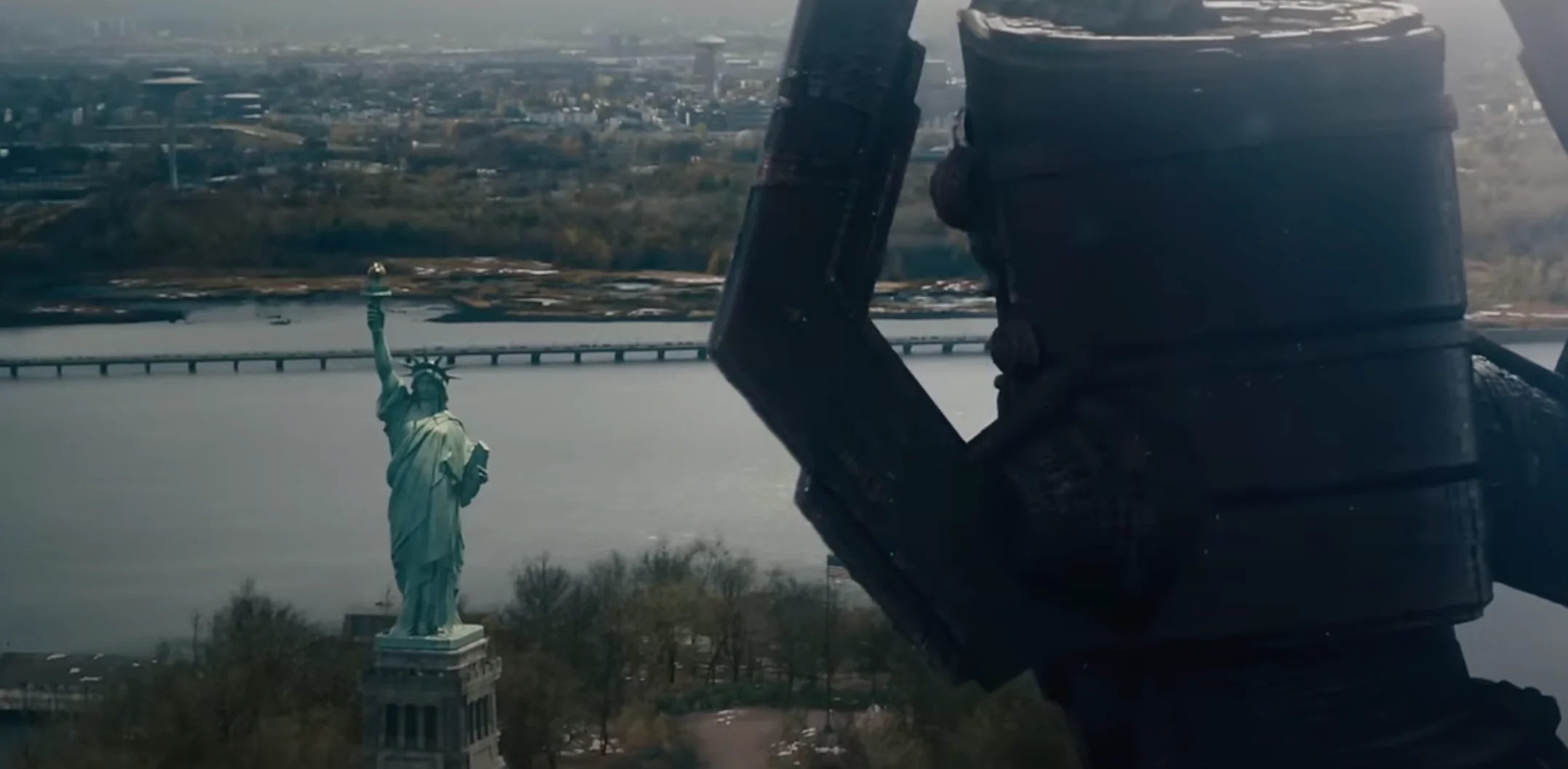 Galactus in Fantastic Four: First Steps – YouTube, Marvel Entertainment
Calling this version an “original property” ignores the franchise’s extensive legacy. The characters aren’t new inventions; they’re rebooted icons being reintroduced to a younger demographic or those who skipped prior adaptations. This reframing allows Disney to position reboots as innovative, but it undermines the true meaning of “original IP”—content without pre-existing source material, like Coco or Encanto.
Why this Bob Iger Statement Feels Ridiculous: A Critique
Iger’s logic—that unfamiliarity equates to originality—sets a low bar for creativity. By this standard, any reboot could be deemed “original” if targeted at new viewers, diluting the incentive for genuine innovation.

Mufasa (voiced by Braelyn Rankins) in Disney’s MUFASA: THE LION KING. Photo courtesy of Disney. © 2024 Disney Enterprises Inc. All Rights Reserved.
Disney’s track record amplifies the irony: The company has leaned heavily on remakes (The Lion King, Aladdin) and sequels (Toy Story 5, Frozen 3), with originals like Elemental succeeding but not dominating the slate.
Critics argue this reflects Disney’s risk-averse strategy post-lockdowns and amid streaming wars. As Iger himself admitted in 2023, overproduction “diluted quality” at Marvel, leading to flops.

JOY AND ANXIETY — Disney and Pixar’s “Inside Out 2” returns to the mind of freshly minted teenager Riley just as a new Emotion shows up unexpectedly. Much to Joy’s surprise, Anxiety isn’t the type who will take a back seat either. Featuring the voices of Amy Poehler as Joy and Maya Hawke as Anxiety, “Inside Out 2” releases only in theaters Summer 2024.© 2023 Disney/Pixar. All Rights Reserved.
Repackaging old IP as “new” may boost investor confidence, but it risks alienating fans who crave fresh stories. YouTube commentators have echoed this, with videos labeling Fantastic Four’s performance a “disaster” and questioning Iger’s optimism amid reshoots and test screening issues.
Implications for Disney and Marvel’s Future
Iger’s stance is a classic demonstration of Disney’s hybrid model: Nurture new IP under banners like 20th Century Studios and Searchlight Pictures while milking franchises for all their worth.
Successes like Inside Out 2 validate sequels, but remake failures like Snow White and The Little Mermaid remind us that quality still matters.
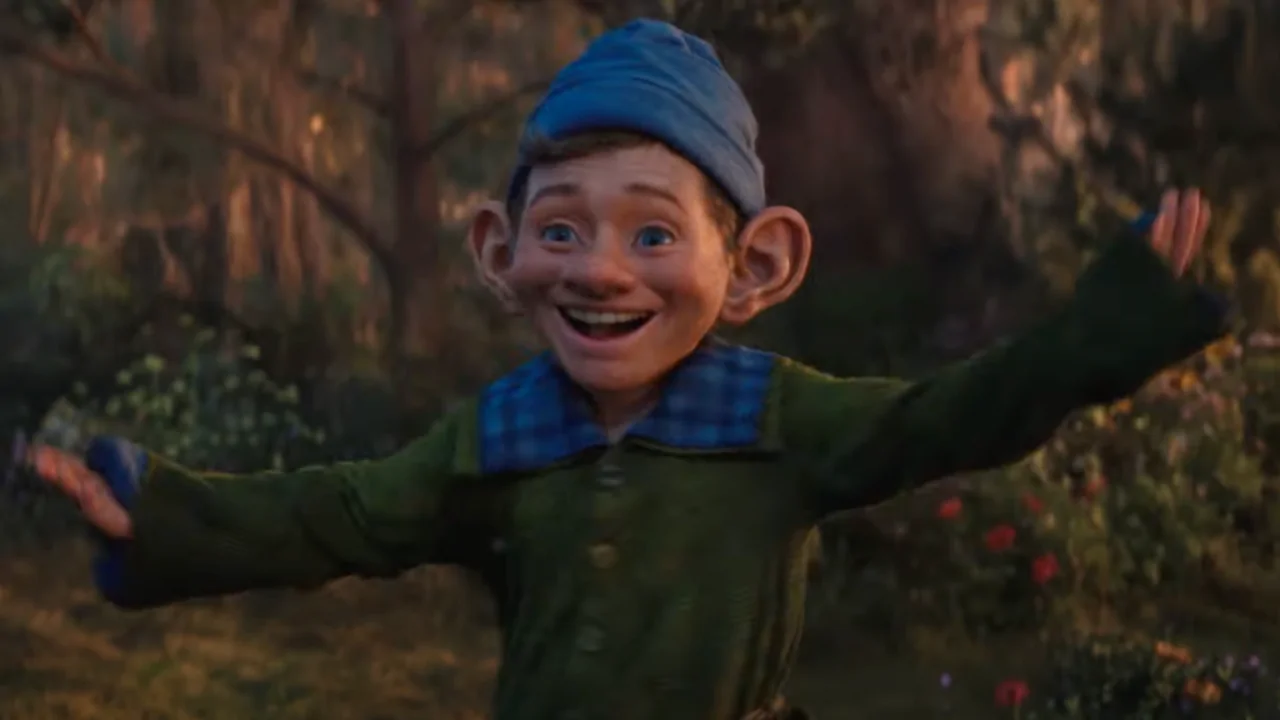
Dopey in the Live Action Snow White movie – YouTube, Disney
For Marvel, integrating Fox properties like Fantastic Four and X-Men is crucial to revitalizing the MCU post-Avengers: Endgame. Yet, if reboots are sold as “original,” it may signal creative stagnation.
Conclusion
Bob Iger’s characterization of The Fantastic Four: First Steps as an “original property” is a masterclass in corporate spin, but it strains credibility.
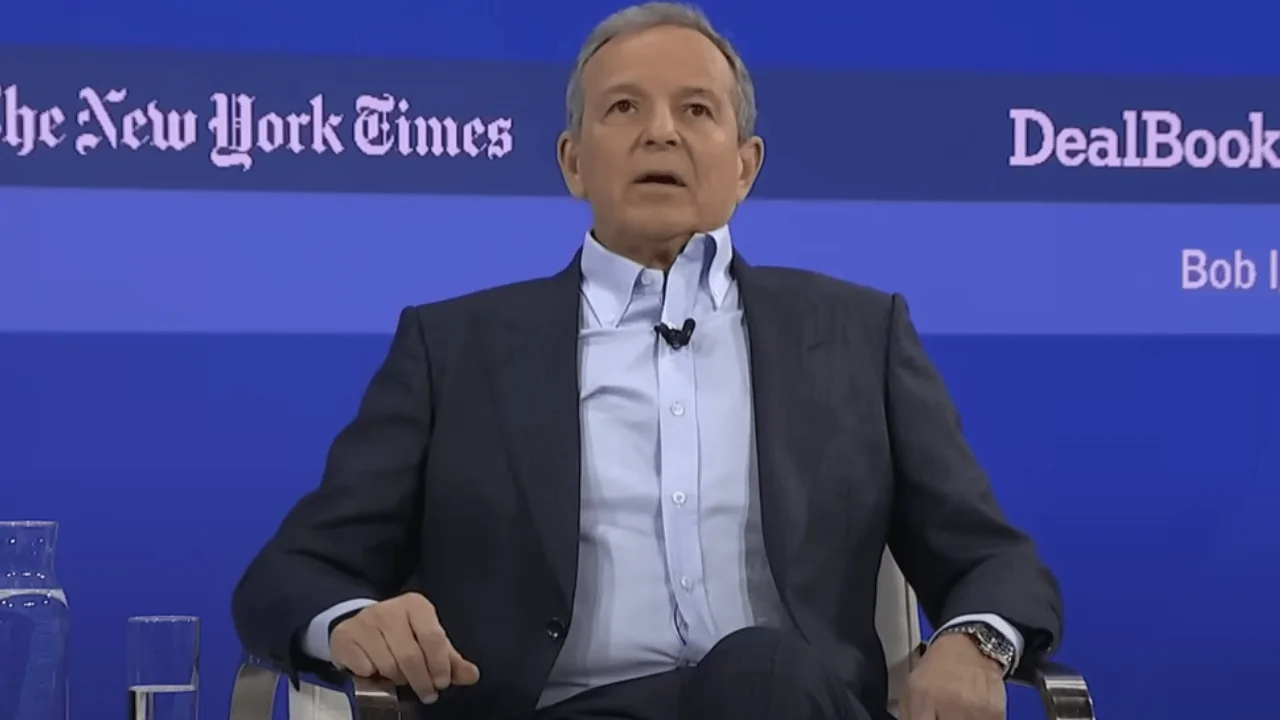
Bob Iger via New York Times Events YouTube
With characters born in the 1960s and three (technically four) prior films, this reboot is anything but new—it’s a polished revival. While Disney’s strategy has merits, conflating reboots with originality risks eroding trust. As the entertainment landscape evolves, the company must balance nostalgia with innovation to avoid the pitfalls of IP exhaustion.
Fans deserve great movies, yes—but let’s call them what they are.
How do you feel about Bob Iger and his comments on Fantastic Four? Sound off in the comments and let us know!
