



The video game industry has always been volatile, but the latest wave of layoffs has revealed just how much one state dominates the downturn. According to new reporting, more than 50% of all job cuts in the global gaming industry layoffs have taken place in California.

A screenshot from Ghost of Yōtei (2025), Sucker Punch
For a sector that has boasted record revenues in recent years, the numbers tell a troubling story — one that some popular voices are framing as a cultural correction.
California at the Center of the Cuts
Amir Satvat, a Tencent executive who runs a high-profile job support network for laid-off developers, told The Game Business that California has become “the epicenter of the difficulty” when it comes to job losses. Satvat has tracked tens of thousands of applicants across thousands of studios, and his data paints a clear picture:
- Over 70% of layoffs in some years have occurred in North America.
- Historically, North America accounted for 30–40% of open roles; that figure is now just 25%.
- Within North America, California alone accounts for more than half of the global job losses.

A screenshot from Horizon Zero Dawn (2017), Guerilla Games
Put simply, California AAA studios — home to industry giants like Electronic Arts, Activision Blizzard, and Sony Interactive Entertainment — have been cutting deeper and faster than almost anywhere else. Meanwhile, studios in Asia are actually expanding, highlighting just how regionalized the crisis has become.
Why California Studios Are Hurting
The reasons for California’s outsize pain are complex, but a few themes keep resurfacing:
- Overhiring during lockdowns: Big publishers expanded headcounts on the assumption that surging demand would last. When blockbuster projects underperformed, cuts followed.
- Ballooning budgets: With AAA development costs regularly surpassing $200 million, a single flop can sink a studio division.
- Live-service gambles: Games like Concord collapsed almost immediately, leaving little to show for massive investments.
- Unionization tensions: Blizzard, Activision, and other studios face mounting pressure from workers organizing in the wake of repeated cuts.

A screenshot from Concord (2024), Firewalk Studios
Together, these factors have made California’s largest studios especially vulnerable to contraction.
Layoffs as a Cultural Reckoning
Not everyone is mourning these California gaming layofs. Popular YouTube commentator Vara Dark recently reacted to the data, arguing that California’s crisis is less about economics and more about ideology. In her view, companies loaded up on “activists” more concerned with pushing politics than making fun, player-focused games.
“Over 50% of the job cuts in video games are in California,” Vara noted, calling it a purge of developers who “aren’t making games that people want” but instead “pieces of propaganda.” She pointed to Concord’s two-week lifespan as emblematic of an industry ignoring fan feedback while indies like Hollow Knight: Silksong and Expedition 33 thrive.

A screenshot from the trailer to Clair Obscur: Expedition 33 – YouTube, IGN
For Vara and many others, the layoffs represent gamers finally being heard: a correction against an industry culture that dismissed player criticism as toxic. Gamers are voting with their wallets against what Vara calls “AAA slop” loaded with identity politcs and the Western gaming industry is feeling the ramifications of its choice to go down the ideological path.
Indies Rising, AAA Struggling
Her point resonates with many fans. While massive AAA projects like Concord and Dragon Age: The Veilguard struggle to justify their costs, indie titles — some built by tiny teams — are flourishing. Games like Repo and Schedule One cost just a few dollars but deliver hours of entertainment, while creative mid-tier projects like Expedition 33 generate more excitement than heavily marketed AAA releases.
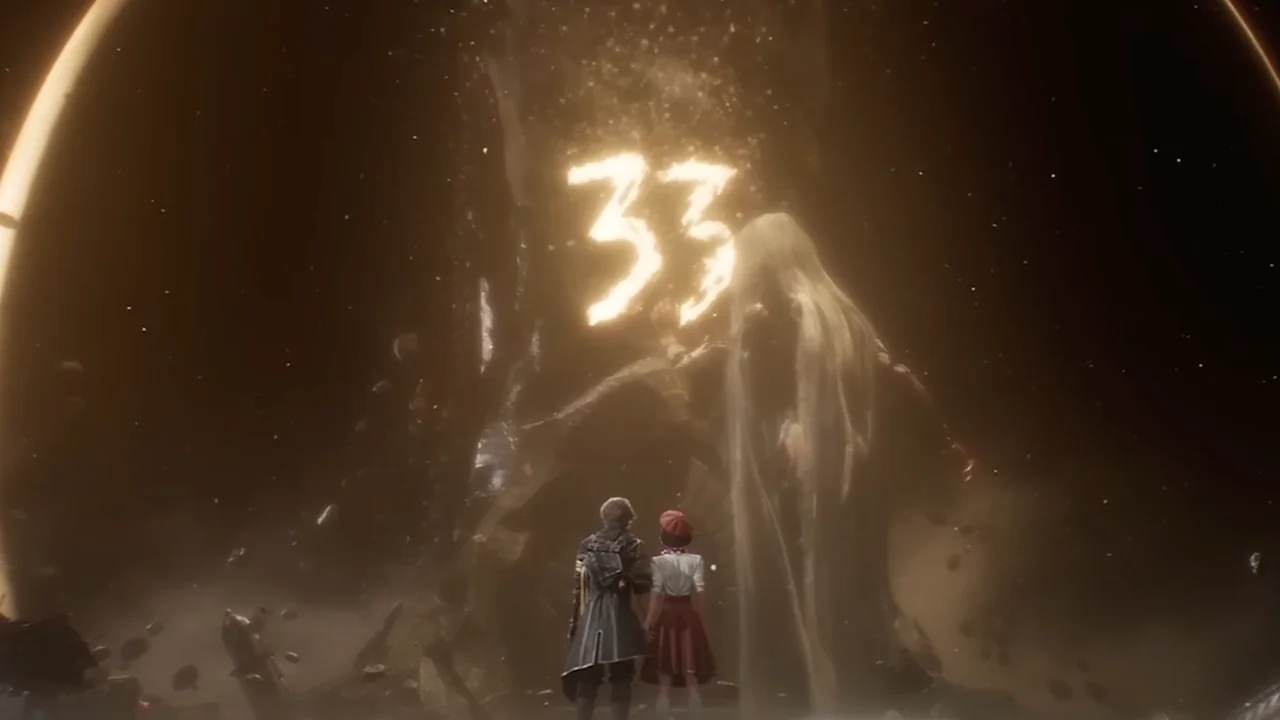
A screenshot from the trailer to Clair Obscur: Expedition 33 – YouTube, IGN
The contrast has made it easier for some players to view the gaming layoffs in California not just as business miscalculations, but as a failure of an entire cultural approach to gaming.
Final Thoughts
The hard numbers don’t lie: California accounts for more than half of global gaming layoffs. The state’s reliance on bloated AAA studios has left it exposed, while Asia and indie developers thrive.

A screenshot from South of Midnight (TBA), Compulsion Games
Where gamers split is in how to interpret the trend. Some see it as an unfortunate but necessary correction in an overheated market. Others, like Vara Dark, argue it’s a long-overdue backlash against an activist-driven culture that ignored the players it was supposed to serve.
Either way, one thing is clear: California’s dominance of the games industry no longer looks like a strength.
Do you think these California gaming layoffs have anything to do with ideology? Sound off in the comments and let us know!
UP NEXT: The Fate of Jordan Peele’s New Movie Hangs in the Balance as it Experiences Multiple Delays
