


Hollywood may finally be paying the price for its years of one-way compromise with China.
In a stunning escalation of U.S.-China tensions, reports out of Beijing suggest that the Chinese Communist Party is preparing to ban American Hollywood movies from its theaters—a move designed to retaliate against President Donald Trump’s tariff increase on all Chinese imports. The potential ban could cost Hollywood over half a billion dollars annually and reshape the global entertainment landscape.
But this isn’t just economic warfare. It’s cultural.
Tariffs, Retaliation, and the Collapse of Cooperation
The U.S.-China trade dispute is no longer a threat on the horizon—it’s happening in real time.
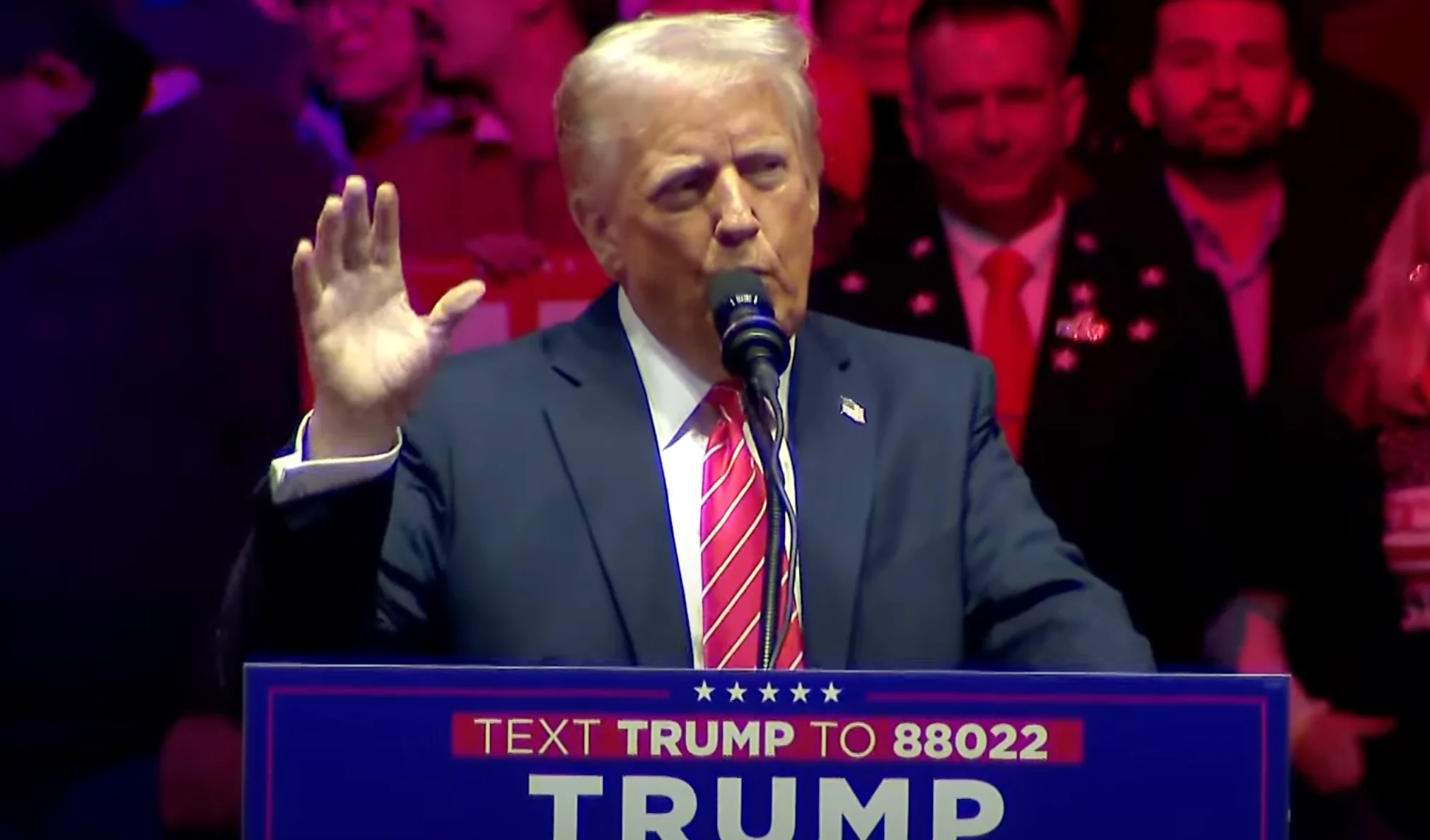
Donald Trump speaks at a rally the night before being inaugurated as the 47th President of the United States of America – YouTube, Washington Post
On April 2, 2025, President Trump declared a national economic emergency and announced sweeping new tariffs on foreign imports. The blanket policy includes a 10% baseline tariff on all imported goods, but the real target is unmistakable: China.
Imports from Beijing face an additional 34% country-specific tariff, bringing the total levy to 44% on Chinese goods. The policy takes full effect April 9.
But Trump isn’t stopping there.
In a speech on April 7, the President warned that an additional 50% tariff—stacked on top of the existing hikes—would be imposed unless China backs down from its retaliatory threats. That tariff could push the total cost of Chinese imports to nearly 100%, effectively severing normal trade between the two economic powers.

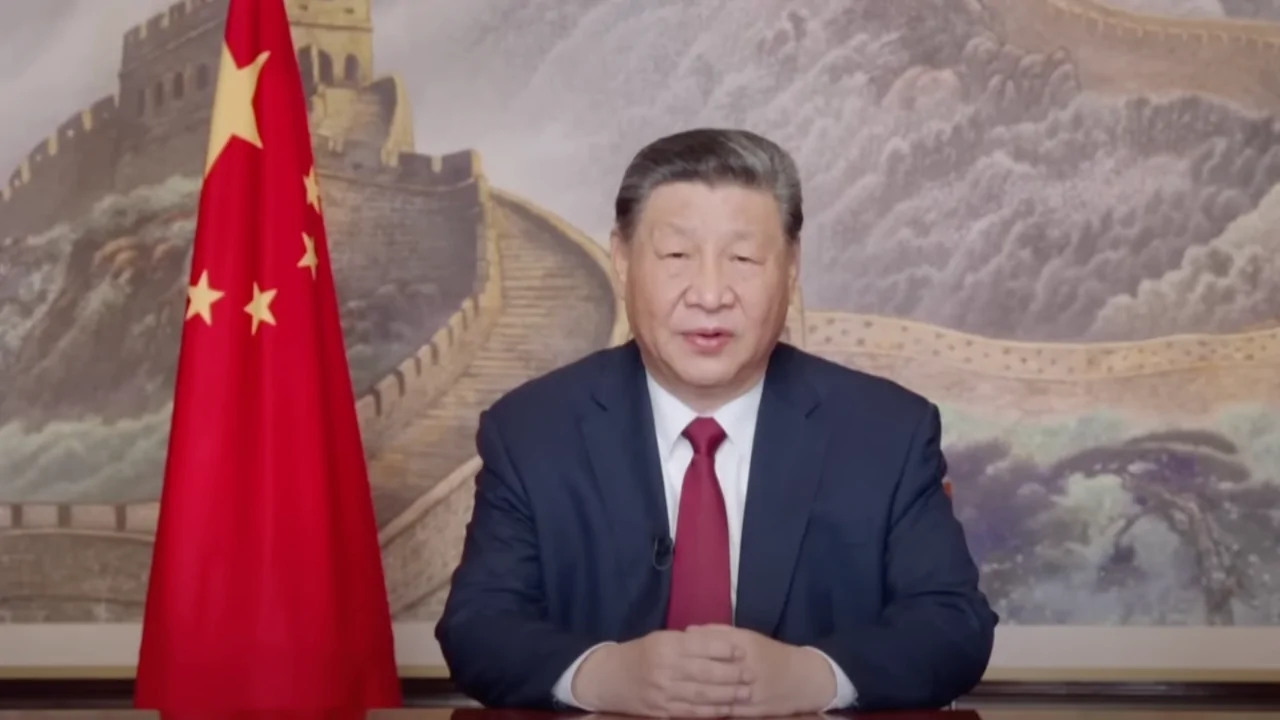
President Xi Jinping, leader of the Chinese Communist Party – YouTube, The Telegraph
Beijing is already signaling how it plans to strike back.
Chinese state officials have condemned the tariffs as “economic blackmail” and vowed to respond with “countermeasures that match in scale and severity.” While some of those countermeasures are expected to focus on agriculture and technology, one of the most controversial tools under consideration is a ban on American films—a cultural sledgehammer designed to inflict pain not just financially, but symbolically.
In 2024, Hollywood films earned $585 million at the Chinese box office. While down from past years, that revenue remains critical to the bottom line for major studios. A ban would not only cut off hundreds of millions in annual earnings—it would signal that China no longer sees Hollywood as a valuable partner.
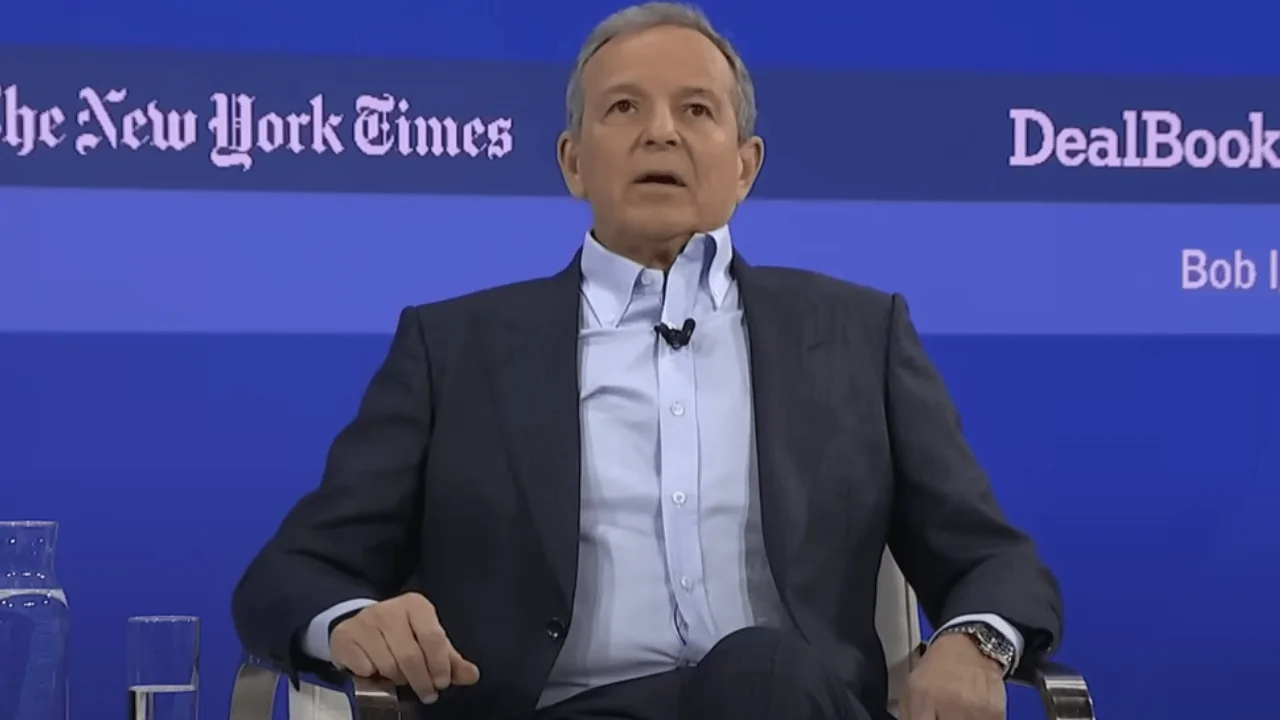
Bob Iger via New York Times Events YouTube
This wouldn’t be the first time China restricted access over political disputes. But the current move is far more sweeping. A full-on Hollywood blackout would represent the final unraveling of a fragile partnership—one that Hollywood spent decades cultivating through self-censorship, appeasement, and cultural compromise.
Now China is making it clear: access is not a right. It’s leverage.
Hollywood’s Willing Compromises
For more than a decade, Hollywood has reshaped itself to suit Chinese sensibilities. Films like Iron Man 3 and Transformers: Age of Extinction featured additional scenes for Chinese audiences. Scripts were combed over for politically risky material. Even maps, flags, and throwaway lines were altered to pass the Chinese censorship board.
It wasn’t about storytelling—it was about ticket sales.
Studios learned early on that offending Beijing could mean total blackout. So they didn’t risk it. They removed references to Taiwan, Tibet, and Tiananmen. They avoided villains from China. They inserted “heroic” Chinese characters or government officials in co-productions. Some even agreed to censorship in overseas markets just to stay in China’s good graces.
No one bent harder than Disney.
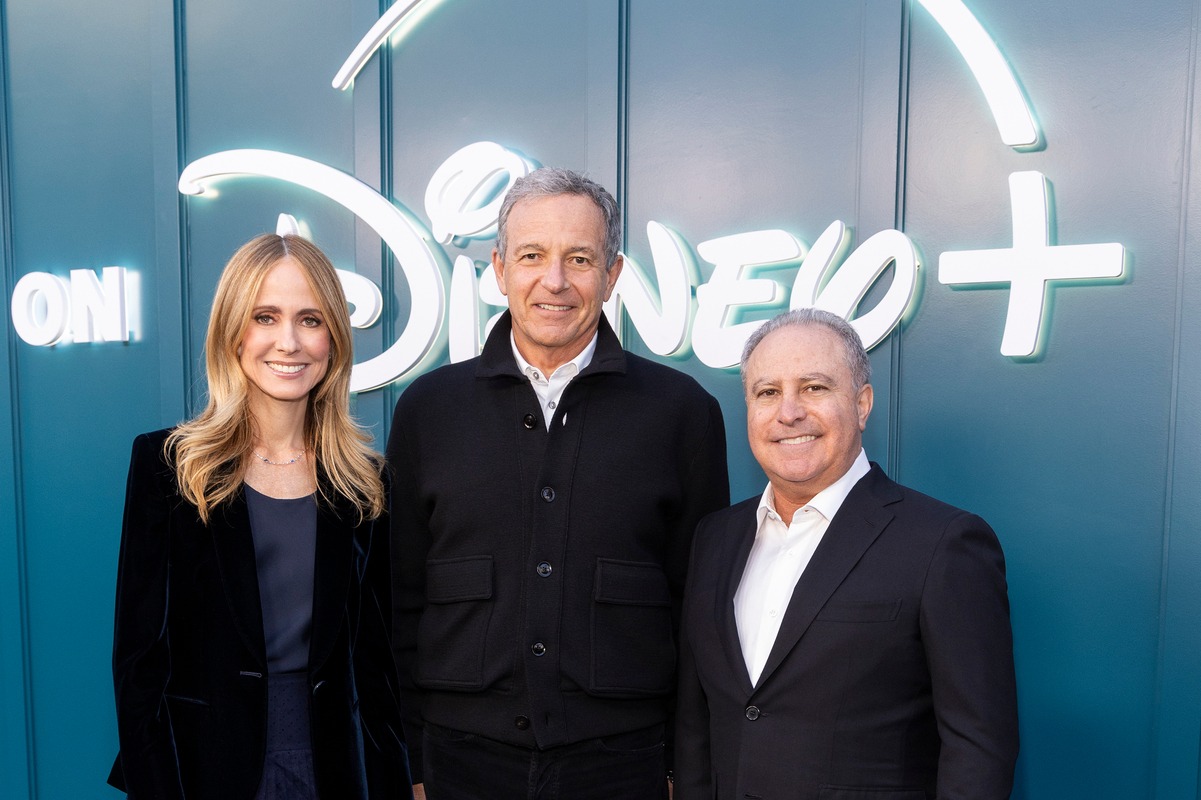
HULU ON DISNEY+ CELEBRATION – Some of the biggest stars across The Walt Disney Company celebrate the official launch of Hulu on Disney+ at an exclusive cocktail reception hosted by Dana Walden and Alan Bergman, along with special guest Bob Iger, on Friday evening in Los Angeles. (Disney/Greg Williams)
DANA WALDEN (CO-CHAIRMAN, DISNEY ENTERTAINMENT, THE WALT DISNEY COMPANY), ROBERT A. IGER (CHIEF EXECUTIVE OFFICER, THE WALT DISNEY COMPANY), ALAN BERGMAN (CO-CHAIRMAN, DISNEY ENTERTAINMENT, THE WALT DISNEY COMPANY)
Disney’s relationship with China has long walked a tightrope between commercial ambition and moral compromise.
In 2015, Chinese promotional posters for Star Wars: The Force Awakens shrunk actor John Boyega—a major character—into a background figure, sparking global outrage over the apparent attempt to appease Chinese racial sensitivities.
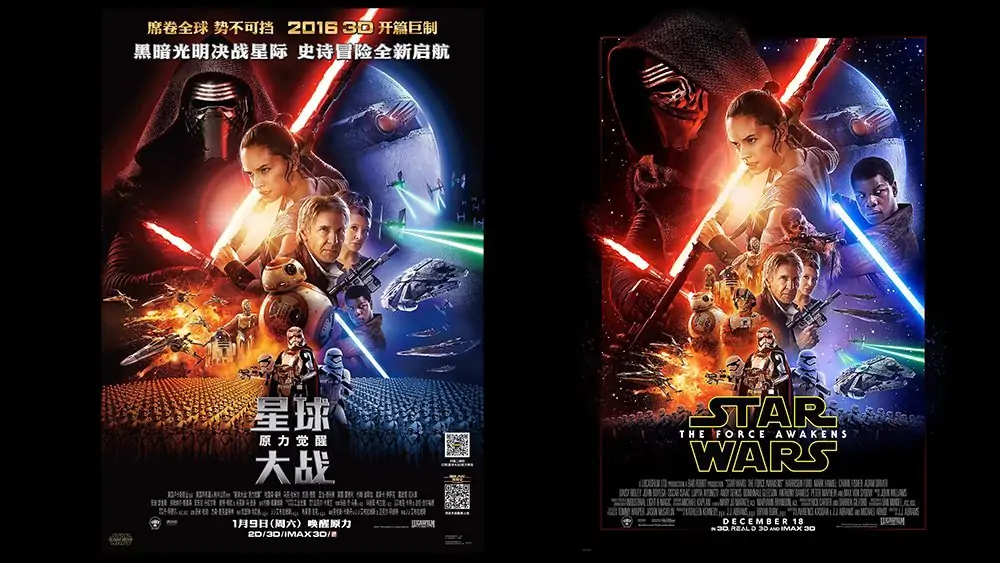
A comparison of the American and Chinese Posters for Star Wars Episode VII: The Force Awakens – X, @knightsofmelvin
With Black Panther, Disney used masked versions of Chadwick Boseman on Chinese posters, a striking departure from the unmasked international versions, which prominently featured the late actor.
Then there’s Mulan.
Filmed in Xinjiang, the same region where the Chinese government has been accused of committing horrible atrocities against Uighur Muslims, Disney not only avoided any reference to the atrocities—but openly thanked Chinese police and propaganda departments in the credits. Among them was the Turpan Municipal Bureau of Public Security, directly involved in the internment system.
The backlash was immediate—but Disney stood firm, defending its decision.
These aren’t isolated incidents. They’re part of a long-term pattern where profit trumps principle, and Beijing’s approval becomes the silent co-producer.
China’s Booming Film Industry Doesn’t Need Hollywood Anymore
But while American studios chased Chinese favor, China built its own cinematic empire.
Over the past five years, Chinese blockbusters like The Battle at Lake Changjin, Wolf Warrior 2, and Ne Zha have dominated Chinese domestic box office charts. Backed by state funding, nationalist themes, and media control, these films offer audiences stories that align with CCP messaging—and they’re doing big numbers.
In 2023, domestic Chinese films accounted for over 80% of box office revenue in China. The demand for American content is fading, not just because of politics, but because China now supplies its own heroes.
“Captain America Must Die” – A Cultural Flashpoint
Nothing illustrates this cultural pivot more than the bizarre but telling slogan: “Captain America 4 must die in China.”
When Marvel announced Captain America: Brave New World would debut around the same time as the Chinese animated sequel Ne Zha 2, nationalist social media erupted. Supporters of Ne Zha began calling for a boycott of the American superhero film, demanding it fail at the Chinese box office.
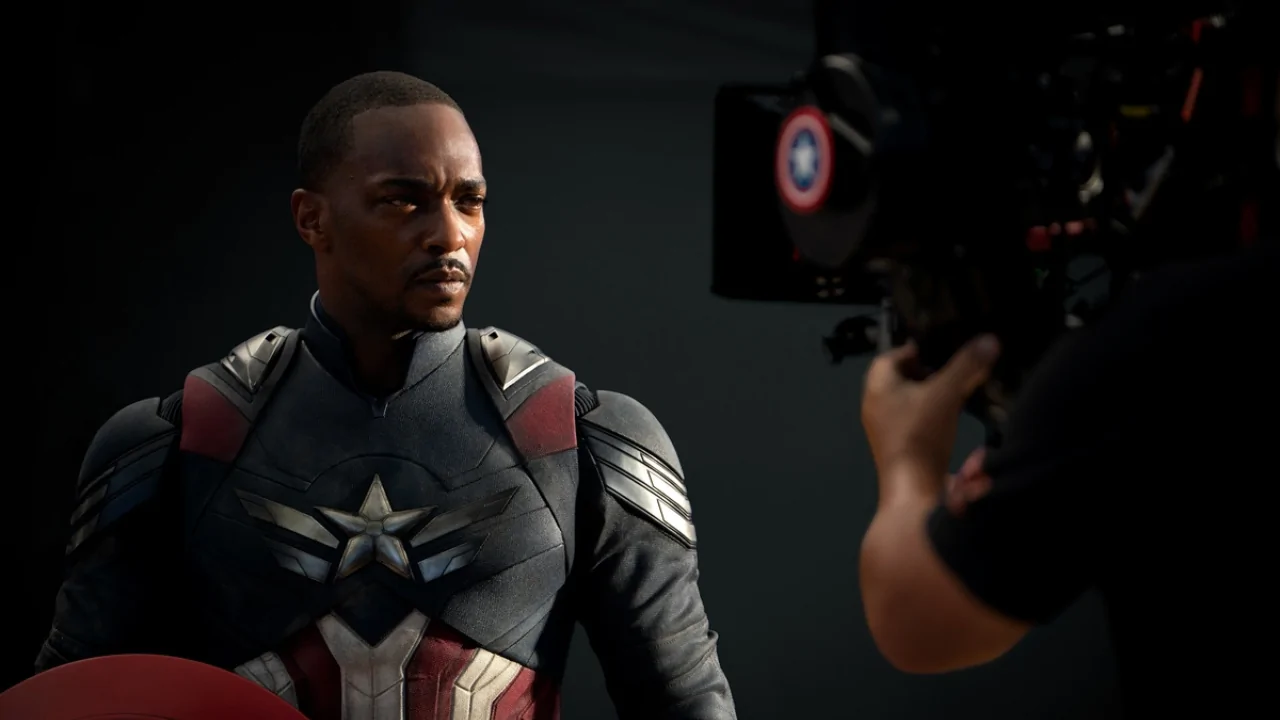
Anthony Mackie behind the scenes of Marvel Studios‘ CAPTAIN AMERICA: BRAVE NEW WORLD. Photo by Eli Adé. © 2024 MARVEL.
One viral comment summed it up: “I don’t care if Ne Zha 2 can survive overseas, but Captain America 4 must die in China.”
This wasn’t just fan enthusiasm—it was cultural warfare. A demand that Western narratives bow before nationalist ones. That Chinese stories triumph over imported ideals.
And for many in China, this wasn’t political—it was personal.
China Has No Loyalty to Hollywood
This move from China, if it actually happens, is a calculated shot across the bow—not just at Washington, but directly at Hollywood. It’s a reminder that the Chinese Communist Party knows where the cultural pressure points are, and they’re willing to squeeze.
For decades, Hollywood bent over backwards to appeal to China—editing films, inserting Chinese actors or locations, and self-censoring to avoid upsetting Beijing. And now? The regime is dangling access like a carrot, only to yank it away as a retaliatory club. Actor and WWE wrestler John Cena offended Beijing when he referred to Taiwan as a country and the CCP pulled Cena’s upcoming film in response. Cena then issues a pathetic groveling apology video to China, speaking in Mandarin. And even after that the film didn’t air.
From a purely strategic lens, it’s a clever power play. Hollywood’s been hurting, and China knows it. The box office is no longer the gold mine it used to be, streaming is a battlefield, and audiences—especially in the U.S.—are tuning out of politicized or bloated tentpoles. Pulling $500+ million in box office revenue out of the mix is just enough to sting, especially for studios banking on global returns to justify their ballooning budgets.
But let’s not pretend this is just about tariffs. This is also a message: “We own part of your culture now, and we can revoke that privilege any time.”
The CCP has long seen cultural influence as a battlefield. Hollywood, with all its preachy globalist posturing and virtue-signaling, may have thought it could use China without being used in return. But here’s the rub—when you chase authoritarian dollars, you risk being muzzled by authoritarian politics.
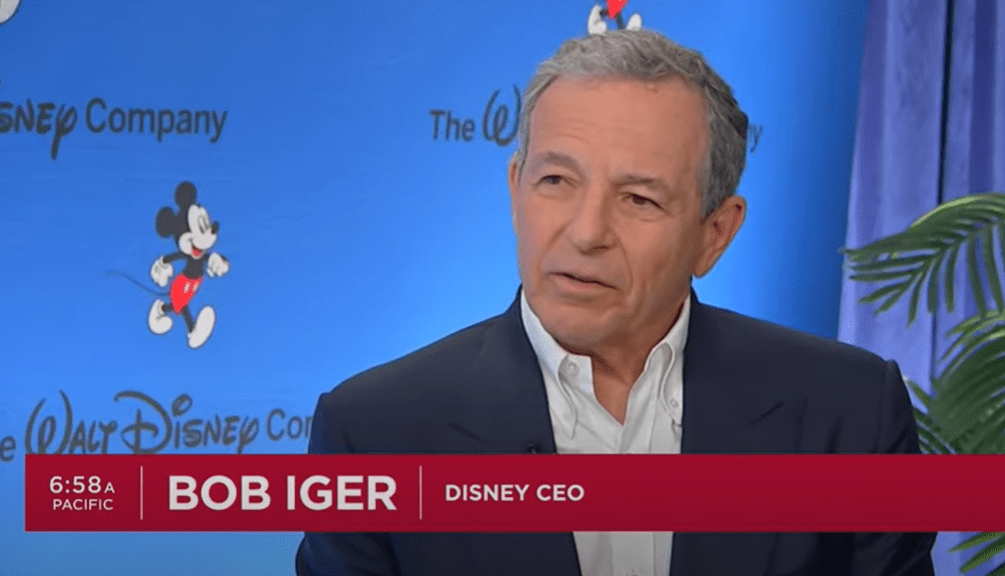
Bob Iger via CNBC Television YouTube
So will this wake up Hollywood? Probably not. The system’s too bloated and entrenched. But it should serve as a massive red flag that chasing global markets—especially ones like China, which are inherently unstable and politically manipulative—is a deal with the devil.
In short: China weaponizing access to American entertainment is a flex. But it’s also a mirror held up to a Hollywood that sold its soul a long time ago.
Conclusion: A Cultural Cold War
This isn’t just about movie tickets. It’s about narrative dominance.
China no longer sees Hollywood as a partner. It sees it as a threat to control, a competitor in the arena of global storytelling. And with nationalist fervor rising and domestic studios booming, the Chinese government appears ready to cut the cord entirely.
If the ban proceeds, it will be a monumental shift—one that forces American studios to reckon with the uncomfortable truth: for all their compromises and concessions, they were never really in control.
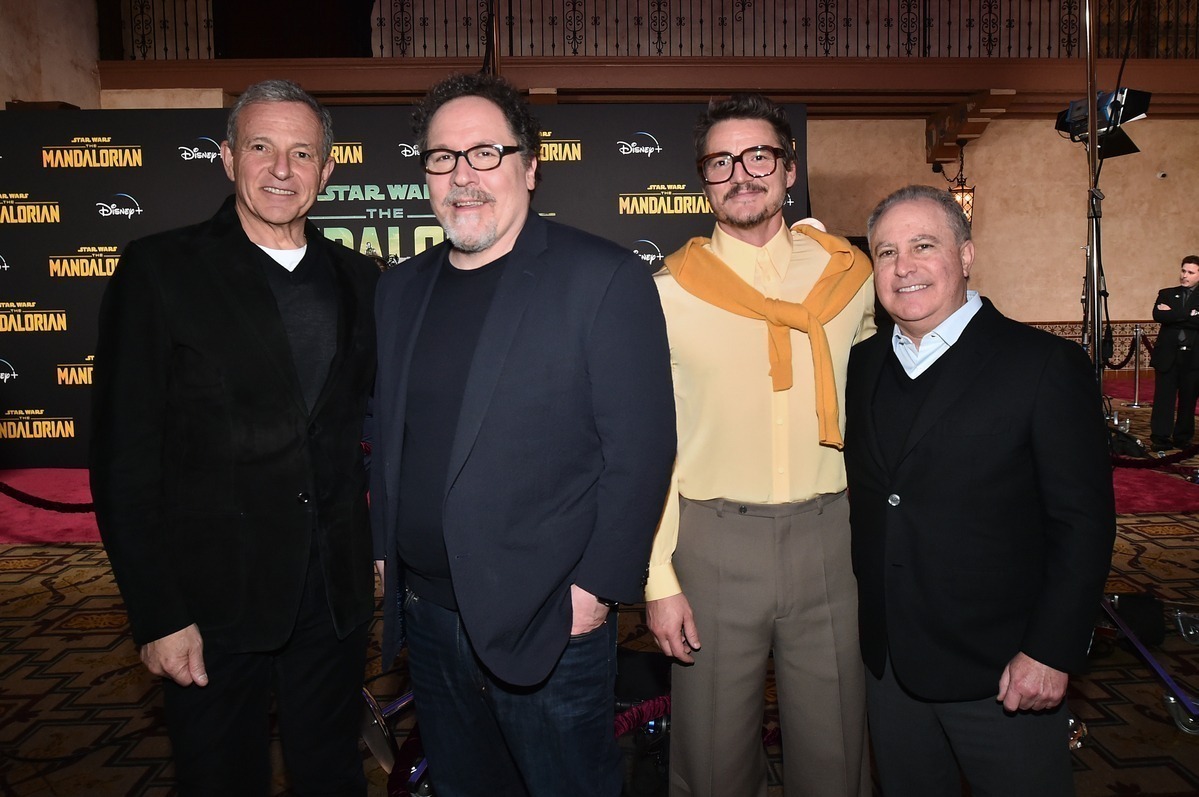
LOS ANGELES, CALIFORNIA – FEBRUARY 28: (L-R) The Walt Disney Company CEO Bob Iger, Showrunner/Executive Producer Jon Favreau, Pedro Pascal and Alan Bergman, Chairman of Disney Studios Content attends the Mandalorian special launch event at El Capitan Theatre in Hollywood, California on February 28, 2023. (Photo by Alberto E. Rodriguez/Getty Images for Disney)
Hollywood may have thought it was exporting culture. But in reality, it was importing censorship.
And now, that censorship no longer needs them.
How do you feel about China threatening to ban Hollywood? Sound off in the comments and let us know!
